
Intelligence Library
Middle East
Gulf power, Iran, Israel, the Levant and North Africa's pivots.
Regions
Topics
 Article
The Pickaxe Leverage: Why Tehran’s Hardening Rewrites the Map
Iran's strategic shift toward deep-earth nuclear fortification has rendered traditional kinetic options obsolete. As the 'mountain-fortress' strategy matures, Washington and Jerusalem are forced into a permanent, high-stakes containment mod
 Article
The Blackout Doctrine: Tehran’s Calculated Trade-off
Iran is prioritising its regional proxy network and missile deterrence over domestic stability. By starving its internal economy to fund external fronts, the Islamic Republic is betting that a regional shield will prevent an internal collap
 Article
The Qasem Gambit: Why Tehran’s Maritime Strategy Breaks US Naval Power
Iran’s evolution into a sophisticated anti-access maritime power has rendered the traditional US carrier strike group obsolete in the Persian Gulf, forcing a fundamental rethink of Western power projection in the Middle East.
 Article
The Fujairah Paradox: The End of the Western Security Umbrella
As Iranian drone incursions breach the strategic Port of Fujairah, the UAE is quietly dismantling its reliance on Western protection. This shift marks the rise of a new, transactional security architecture in the Gulf.
ArticleThe Emirates Buffer: Abu Dhabi’s Strategic Disengagement
As tensions between Washington and Tehran reach a volatile equilibrium, the United Arab Emirates is quietly decoupling its security architecture from Western-led containment to pursue a policy of radical neutrality and economic preservation
 Article
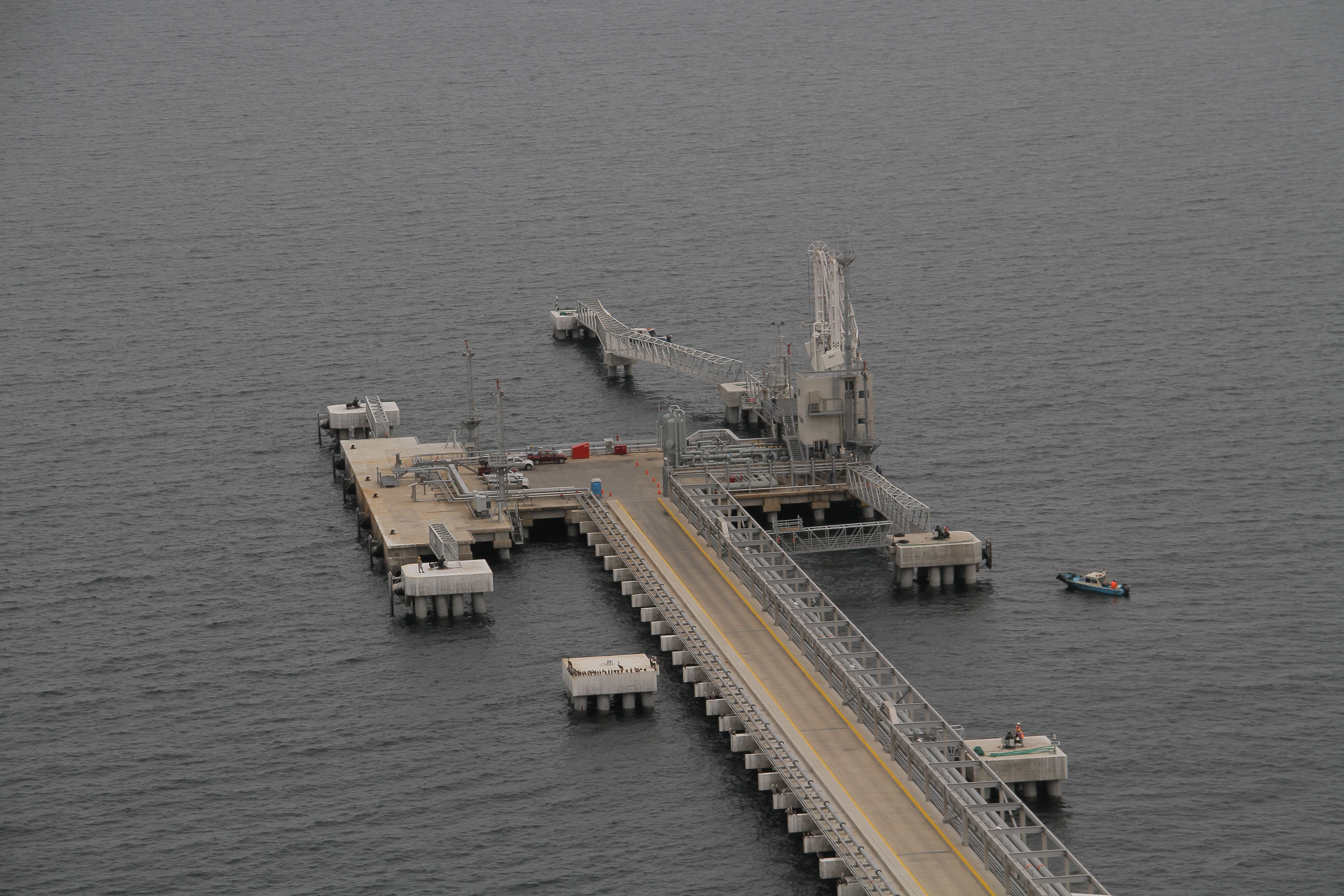
The Larak Conundrum: Tehran’s Shift to Preemptive Deterrence
Iran has abandoned the doctrine of 'strategic patience' for a model of proactive intervention. This shift signals the death of managed escalation and introduces a volatile new era for global energy security and maritime power.
ArticleThe Larak Escalation: Tehran’s New Doctrine of Preemptive Defence
Iran has abandoned its long-standing policy of 'strategic patience' for a high-risk preemptive doctrine. By striking first near Larak, Tehran signals that the era of proportional response is dead, reshapping the Persian Gulf power map.
 Article
The Kharg Threshold: A Managed Redefinition of Energy Power
As tensions rise around Iran’s primary oil terminal, Washington and Tehran are engaging in a high-stakes performance to reset the global energy floor without triggering a total systemic collapse.
 Article
The Hormuz Suicide Note: Tehran’s Final Gamble for a Multipolar Order
Iran’s disruption of the Strait of Hormuz is not a prelude to war, but a radical bid to force a global diplomatic settlement that decouples Middle Eastern security from American hegemony.
 Article
The Muscat Veto: Why Omani Neutrality Prevents Total Regional War
As tensions between Tehran and the GCC reach a breaking point, Oman’s refusal to pick sides remains the primary structural barrier to a theatre-wide conflict. Muscat’s quiet diplomacy is the region’s last remaining failsafe against systemic
 Article
The Jazan Reflex: Why Houthi Tactics Target the Saudi Post-Oil Future
Yemen’s Houthi movement is shifting targets from Saudi military assets to the fragile infrastructure of Vision 2030. This strategy exploits the Kingdom’s economic transition as a primary geopolitical vulnerability, threatening Riyadh's long
ArticleThe Jazan Calculus: Vision 2030’s Conflict with Regional Hegemony
As Houthi attrition tactics persist, Riyadh faces a structural trade-off. To achieve the economic transformation of Vision 2030, Saudi Arabia must choose between its role as a regional security guarantor and the domestic stability required
 Article
The Tehran Maximum: Breaking the Resistance Axis Through Exhaustion
Washington is shifting from containment to a strategy of structural economic collapse. By targeting Iran’s internal solvency, the U.S. aims to force a regional retreat that military pressure alone could never achieve.
 Article
The Tripoli Paralysis: Why Libyan Fragmentation is a Feature, Not a Bug
Libya’s institutional deadlock is no longer a temporary crisis but a deliberate equilibrium. External powers now prefer a fractured buffer state over a unified nation that could disrupt Mediterranean energy and migration flows.
 Article
The Makkah Defense Pact: Riyadh’s Strategic Pivot to the Periphery
Saudi Arabia is systematically decoupling its security from traditional Arab alliances. By formalising a military axis with Pakistan, Turkey, and Indonesia, Riyadh is building a non-Arab shield to survive a post-American Middle East.
 Article
The Neom Imperative: Riyadh’s Strategic Retreat to Save the Vision
Saudi Arabia is trading its role as regional enforcer for that of a neutral safe haven. By de-escalating conflicts, Riyadh aims to secure the massive foreign capital inflows required to prevent the collapse of its domestic transformation.
 Article
The Riyal Mediation: Saudi Arabia’s New Role as Regional Arbiter
As Washington’s influence becomes increasingly transactional and distracted, Riyadh has leveraged its financial gravity and neutralist pivot to become the Middle East’s primary de-escalation hub, fundamentally altering the region's security
 Article
The Amman Alignment: Jordan’s Break from the Pan-Arabist Fiction
Jordan’s recent kinetic intervention against Iranian ordnance signals a fundamental shift in Levantine architecture. Amman has traded the ghost of pan-Arab solidarity for a hard-nosed survivalist pact with Western and Israeli security frame
Premium intelligence
Unlock the full intelligence library
Public reports are free to browse. Premium reports, saved intelligence and the research workspace come with KJ Plus and Pro.
Premium intelligence reports
Premium intelligence reports go beyond the public summary with deeper structural analysis.
Save intelligence
IncludedSave reports, forecasts and answers to build your permanent intelligence workspace.
Research workspace
Organise intelligence into a research workspace with collections, folders and exports.