The Era of Multi-Alignment
Türkiye has ceased to be a Western outpost on the edge of the Middle East. It has become the central clearing house for the friction between the Atlanticist world and the emerging Eurasian collective. If the 20th century was defined by the containment of the Soviet Union through NATO’s southern flank, the current era is defined by Ankara’s ability to remain equidistant from Washington, Moscow, Beijing, and Riyadh. This is not a policy of confusion; it is a calculated doctrine of strategic ambivalence.
By 2026, the Turkish state has successfully leveraged its geography to ensure that no major transcontinental movement—be it natural gas, grain, or military hardware—can bypass its influence. Power in the modern world is derived from the ability to say 'no' to more than one superpower at once. Türkiye has mastered this. To understand why, we must look past the personality-driven headlines and examine the structural incentives of the Anatolian landmass.
The Logistics of Leverage
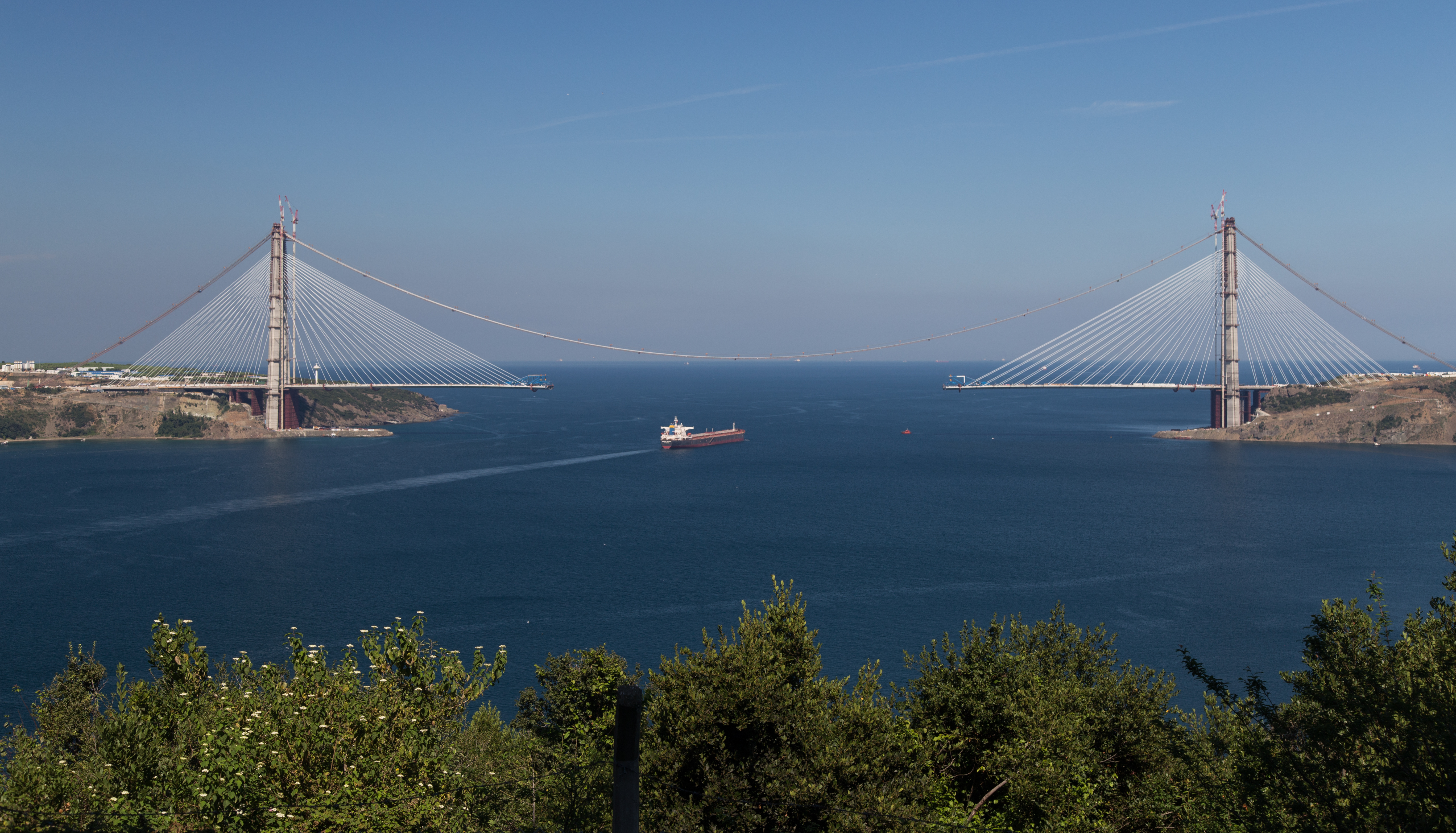
The primary driver of Turkish influence is the control of physical bottlenecks. The Montreux Convention remains the most potent legal instrument in maritime history, but it is now supplemented by the 'Middle Corridor.' As the Northern Route through Russia remains compromised and the Southern Route through the Red Sea suffers from chronic instability, the rail and road links through the Caucasus and Türkiye have become the primary artery for East-West trade.
Ankara has turned this into a toll-booth economy, but not merely in financial terms. The price of transit is political support. This explains why Türkiye can supply drones to Ukraine while facilitating Russian capital, and why it can host American nuclear assets while deepening its membership in the Organisation of Turkic States. The incentive for Ankara is simple: dependency creates autonomy. The more the world relies on Turkish stability to move goods, the less the world can afford to pressure Türkiye on its domestic or regional ambitions.
The Military-Industrial Catalyst
What most analysts missed five years ago was the rapid maturation of the Turkish defence sector. Ankara is no longer just a buyer of technology; it is a defining exporter of the 'middle-tier' military standard. By providing high-quality, combat-proven platforms—specifically in autonomous aerial vehicles, corvette-class naval ships, and precision munitions—without the heavy political conditionality of US or European exports, Türkiye has built a network of strategic clients across Africa, Central Asia, and the Gulf.
This creates a second-order effect of regional alignment. When a nation buys Turkish hardware, it integrates into Turkish training, maintenance, and intelligence ecosystems. This has allowed Ankara to project power into Libya, Nagorno-Karabakh, and the Horn of Africa at a fraction of the cost of traditional empire-building. The incentive here is economic diversification and reduced reliance on the US dollar-denominated arms market.
The great gamble of the 21st century is whether a middle power can remain the hub of a wheel without being crushed by the spokes.
A Historical Parallel: The Venetian Model
The current Turkish position mirrors the Republic of Venice at its peak in the late 15th century. Like Venice, Türkiye sits at the intersection of the Islamic East and the Christian West. It possesses a navy that punch above its weight and a diplomatic corps that speaks the language of both sides while belonging truly to neither. Venice thrived not by choosing a side in the wars between the Ottomans and the Habsburgs, but by making itself the essential intermediary for the trade that both sides required to survive. Ankara is currently following the Venetian blueprint: profit from the conflict, control the trade routes, and maintain the most sophisticated intelligence network in the Mediterranean.
What Most People Miss: The Demography of the Hinterland
The standard critique of Türkiye focuses on its currency volatility and inflation. What this misses is the 'Anatolian Tiger' effect: a massive, young, and increasingly skilled manufacturing base that is decoupling from the traditional Istanbul-centric elite. This industrial heartland provides the political floor for the state’s assertive foreign policy. Even if the Lira remains weak, the export-oriented manufacturing base thrives on the competitive advantage of lower costs. Furthermore, Türkiye’s push into Central Asia is not just romantic pan-Turkism; it is a search for long-term energy security and mineral resources that would allow it to eventually bypass its reliance on Russian gas and Gulf capital.
Strategic Consequences
The first consequence is the permanent 'Grey Zone' status of the Eastern Mediterranean. Türkiye will continue to challenge maritime boundaries because it cannot afford to be locked out of potential gas finds that would cement its energy independence. The second is the shifting nature of NATO. Türkiye will not leave the alliance, but it will use its veto power to reshape the alliance’s priorities away from a purely Atlantic focus and toward a Mediterranean-Black Sea focus.
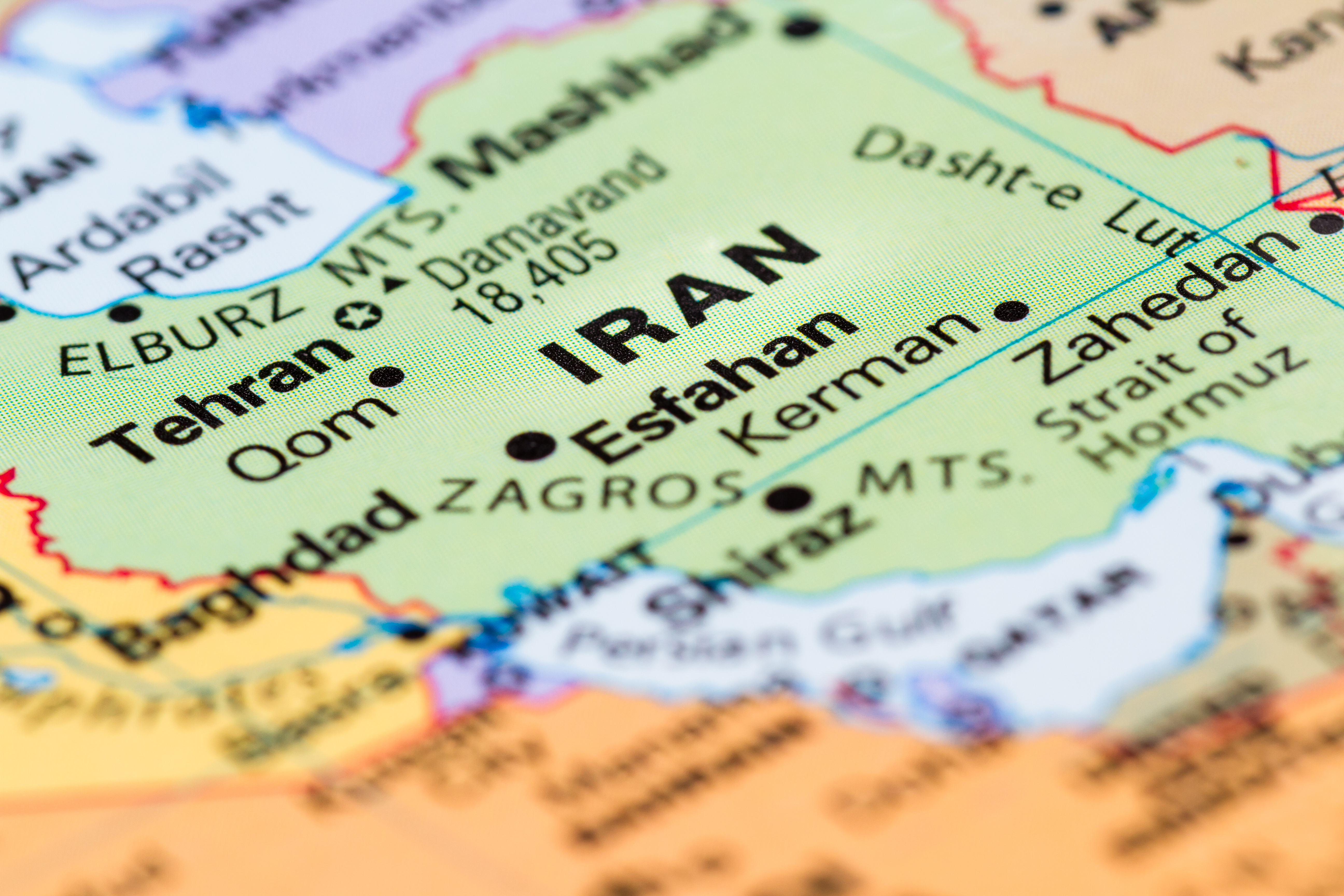
Thirdly, we see the rise of 'Transactional Multilateralism.' Ankara will partner with China on rail infrastructure and with the UAE on finance, but will remain a security partner for the West against Iranian expansionism. This creates a world where alliances are no longer blocks, but a series of overlapping, temporary contracts.
What to Watch
- The Zangezur Corridor: Any movement toward a permanent land link between Azerbaijan and Türkiye through Armenian territory would signal a decisive shift in Caucasian power dynamics.
- Indigenous Fighter Program: The progress of the KAAN fighter jet will determine if Türkiye can fully break its reliance on Western aviation technology by 2030.
- The Black Sea Grain Pivot: Any new maritime security arrangement led by Ankara, independent of the UN or Moscow, would confirm its status as the Black Sea’s sole hegemon.
- Energy Hub Status: Watch for the completion of new LNG expansion and pipleline interconnectors that allow European states to buy 'blended' gas (Russian/Azeri/Turkmen) via Turkish territory.
The KJ Verdict
Türkiye is the ultimate hedge. In a bipolar world, Ankara would be forced to choose. But in a fragmented, multipolar world, being the bridge is the most profitable position on the board. The risks are substantial—economic overextension and the possibility of a miscalculation with Russia or Greece remain high. However, the structural reality is that the West needs Türkiye to contain the East, and the East needs Türkiye to access the West. As long as Ankara remains the only actor capable of talking to everyone, it will remain the hub of the global equilibrium. Expect more defiance, more mediation, and a continued refusal to be a pawn in anyone else's game.