The Strategic Necessity of Persian Defiance
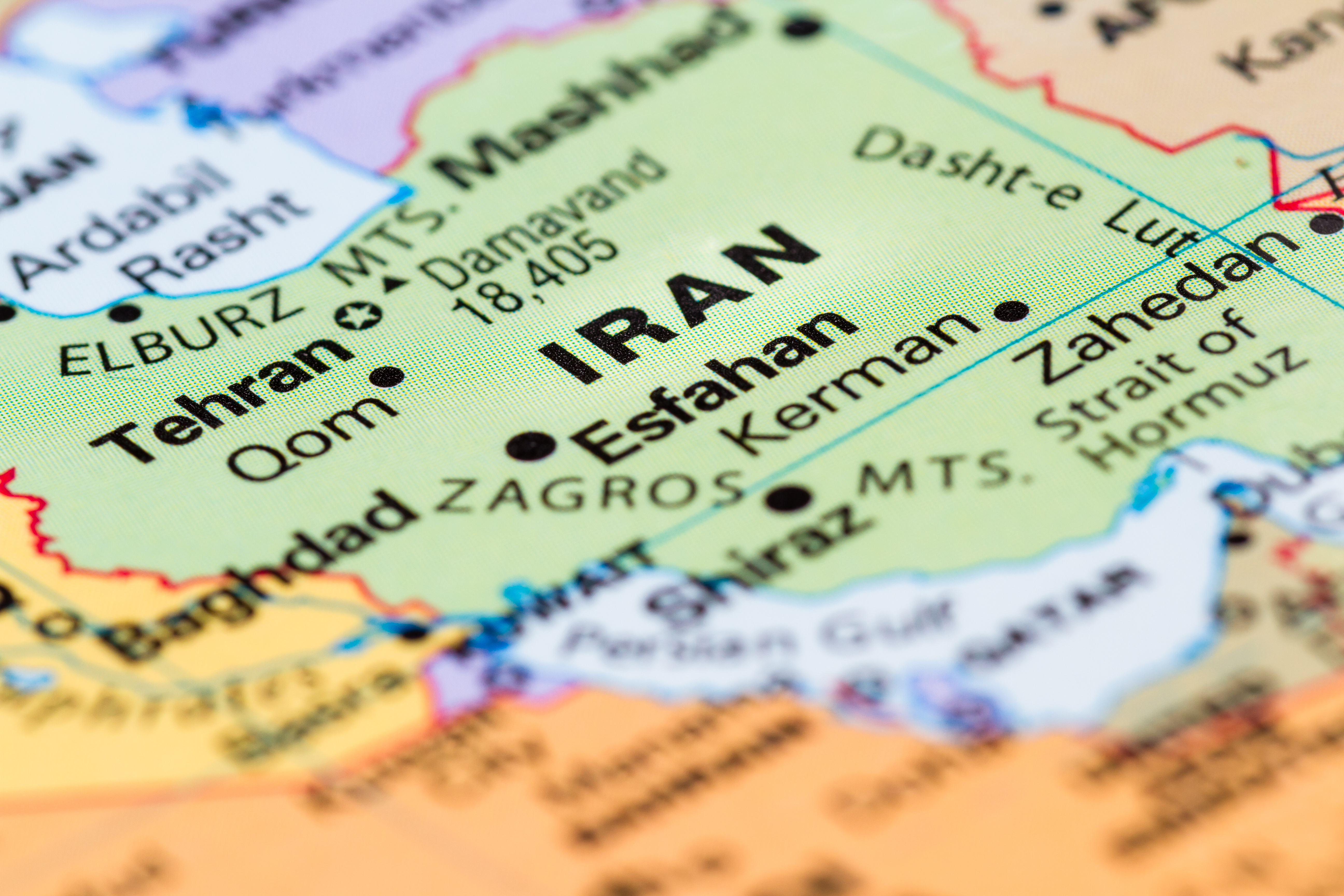
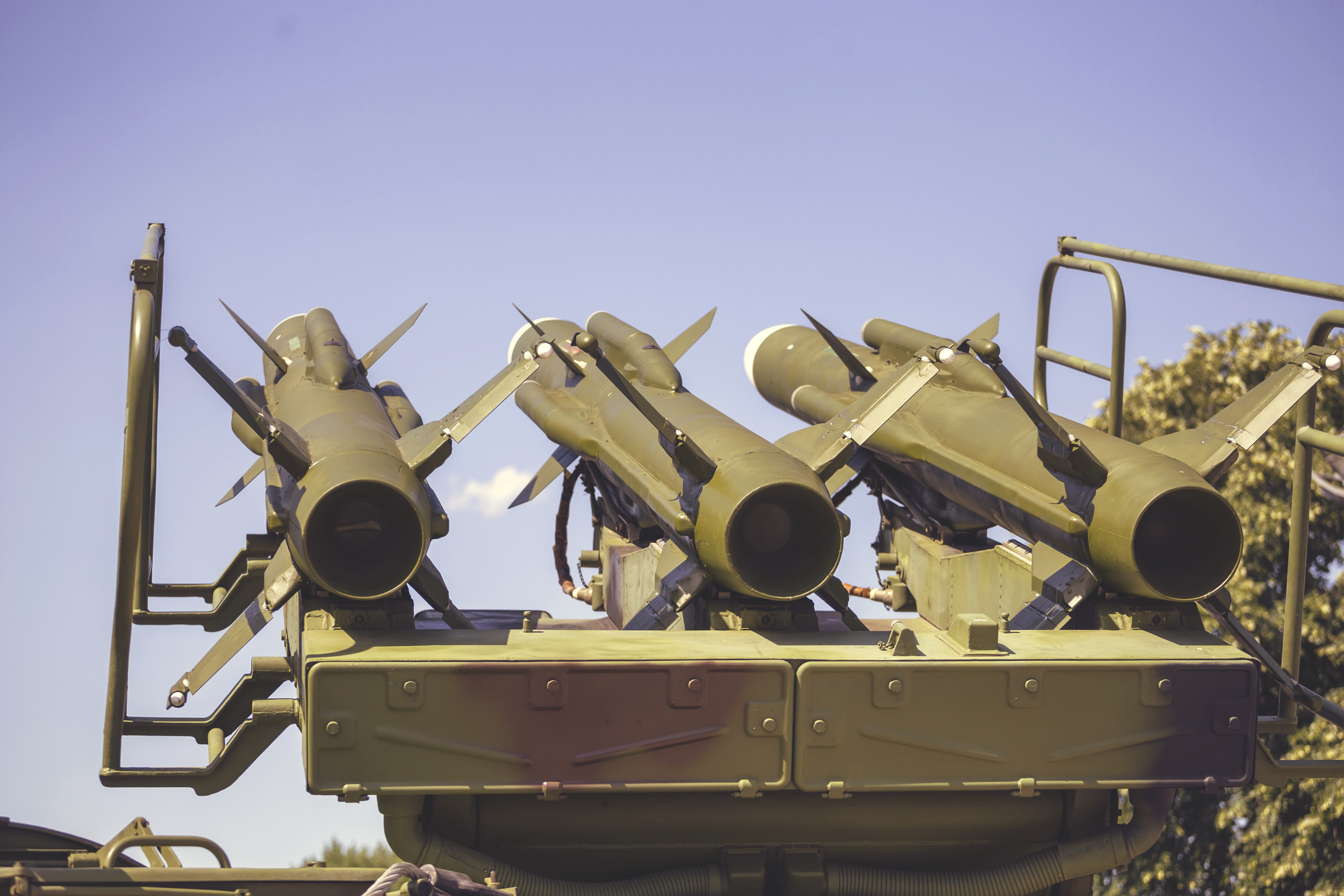
The recent arrival of modified S-400 air-defence components in Bandar Abbas, facilitated by Chinese logistics, is not a mere arms deal. It is a calculated structural intervention. Beijing has concluded that its own security in the South China Sea is inextricably linked to the American military footprint in the Persian Gulf. By hardening Iran’s airspace, China is increasing the 'cost of entry' for US interventionism in the Middle East, effectively forcing Washington to choose between two theatres of engagement. This is the logic of the secondary front.
The Incentive Structure: Why Now?
China operates on a logic of energy security and maritime vulnerability. Over 40 per cent of China’s crude oil imports pass through the Strait of Hormuz. In any potential conflict over Taiwan, the US Navy possesses the capability to impose a distant blockade, throttling China’s economy at the chokepoints of the Indian Ocean. By ensuring Iran possesses a credible 'no-fly' capability, Beijing ensures that the US must maintain a significant portion of its carrier strike groups and electronic warfare assets in the Middle East. Every Aegis destroyer patrolling the Gulf is one fewer destroyer available for the First Island Chain.
The Arsenal of Autocracy: More Than Missiles
The transfer involves more than just Russian-designed hardware. Intelligence suggests Chinese-made radar integration and data-link systems are being fused with the S-400 batteries. This creates a hybrid integrated air defence system (IADS) that is uniquely resistant to Western electronic countermeasures. For Tehran, this is survival. For Beijing, this is a live-fire laboratory. China is watching how its domestic sensors and networking protocols perform against the US Fifth Fleet’s surveillance architecture without risking a direct confrontation with the US Air Force.
The Historical Parallel: The 1930s Proxy Game
History rarely repeats but often rhymes in the mechanics of power. In the late 1930s, major powers used the Spanish Civil War as a testing ground for doctrine and technology, while simultaneously using local actors to tie down the strategic attention of their primary rivals. China is adopting this playbook. By turning Iran into an 'unsinkable aircraft carrier' of air-defence and anti-ship capabilities, Beijing is replicating the Soviet strategy of the early Cold War: creating peripheral crises to prevent the consolidation of Western power in the heartland of Eurasia.
What Most People Miss: The Financial Shield
The common narrative focuses on the hardware. What most analysts miss is the financial architecture underpinning this transfer. This deal was not settled in US dollars. It was settled in a combination of discounted oil futures and digital yuan (e-CNY) clearing. This bypasses the SWIFT system and the reach of the US Treasury. China is not just exporting missiles; it is exporting a post-dollar security framework. By integrating Iran into its sovereign payment systems, Beijing makes the threat of US sanctions increasingly toothless, proving to other middle powers that there is a viable alternative to the Western security umbrella.
The Second-Order Effects
The most immediate consequence is the destabilisation of the Abraham Accords. Traditional US allies in the region, specifically Saudi Arabia and the UAE, are now forced to recalculate their security dependencies. If the US cannot guarantee the suppression of Iranian air defences, the perceived value of the US security guarantee diminishes. We are likely to see Riyadh and Abu Dhabi increase their own diplomatic overtures to Beijing, not out of ideological affinity, but out of cold, realist necessity. China is effectively using Iran to auction off its influence to the highest bidder in the Gulf.
What to Watch
- Radar Signatures: Watch for the deployment of Chinese SLC-7 3D surveillance radars alongside S-400 batteries; this confirms deep systems integration.
- Energy Pricing: Look for new long-term oil contracts between Sinopec and NIOC at significant discounts, likely the 'payment' for the hardware.
- US Carrier Rotations: Monitor if the US Navy is forced to extend deployments in the North Arabian Sea, indicating the hedge is working.
- Israeli Kinetic Response: Any attempt by Israel to sabotage these deliveries will test the limits of the Beijing-Tehran intelligence-sharing pact.
The KJ Verdict
China is no longer a passive observer of Middle Eastern instability; it is now an active architect of it. The S-400 transfer is a masterpiece of asymmetrical strategy. It costs China very little in terms of political capital—as it can hide behind Russian intellectual property—but yields massive dividends in diverting American focus. By hardening Iran, China has effectively purchased a multi-year insurance policy for its ambitions in the Pacific. The world has moved beyond the era of 'containment' of China; we have entered the era where China contains the United States by proxy. Expect the Persian Gulf to remain a 'theatre of distraction' for years to come, precisely as Beijing intends.