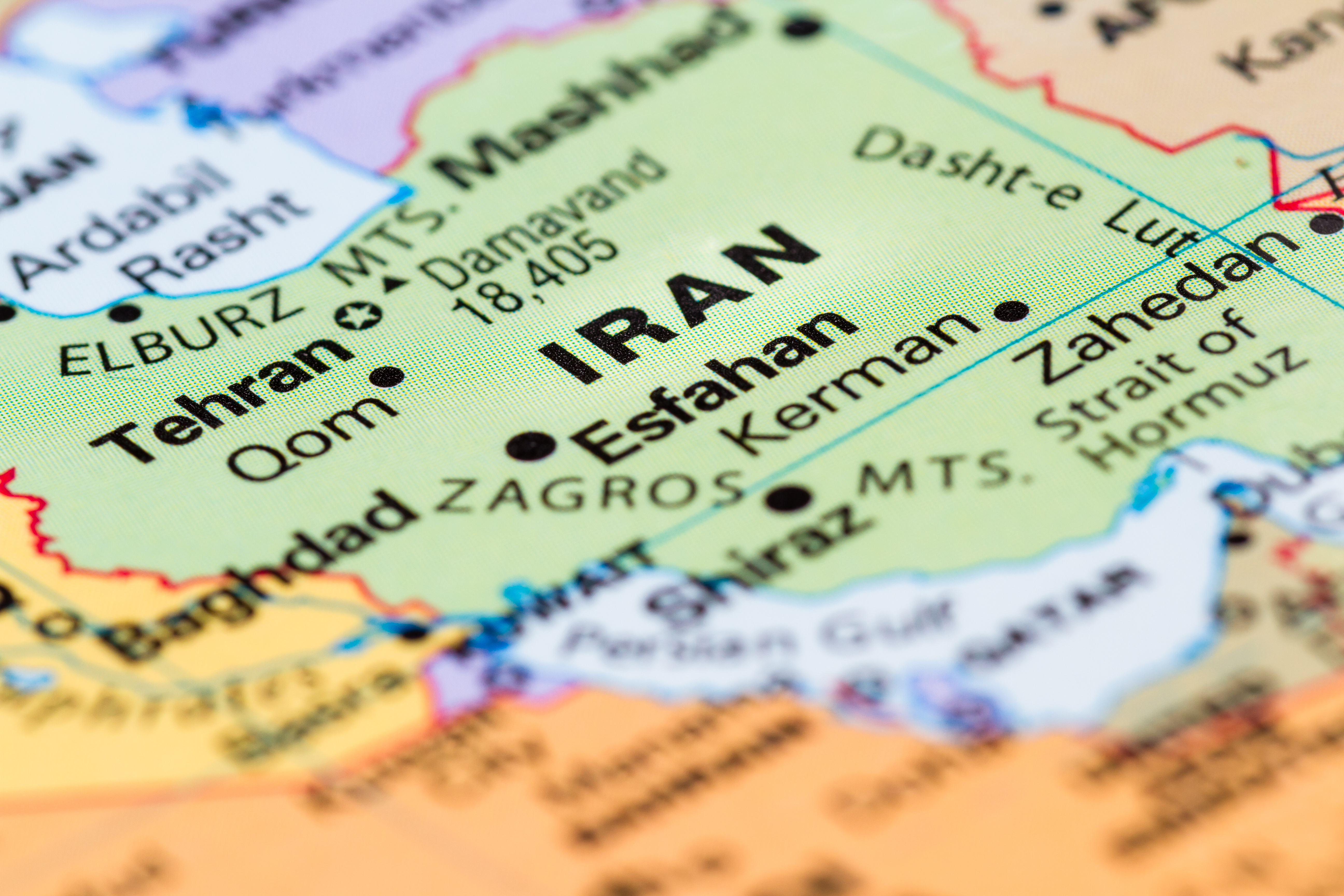
For decades, the Middle East operated under a simple, binary contract: American kinetic protection in exchange for energy flow and dollar hegemony. That contract has expired. In its place, Beijing is not offering a new umbrella, but a new logic. China is not seeking to replace the United States as the region’s policeman; it is positioning itself as the region’s landlord. By prioritising infrastructure over infantry and mediation over munitions, China is proving that in a multipolar world, the ability to talk to everyone is more valuable than the ability to bomb anyone.
The Pivot from Protection to Transaction
The traditional Western view of geopolitics assumes that power is a vacuum. The conventional wisdom suggested that as the U.S. retracted its presence from Iraq, Syria, and the Gulf, China would be forced to deploy carrier strike groups to secure the Strait of Hormuz. This was a miscalculation of Chinese incentives. Beijing has observed the cost of the American century—trillions of dollars spent on regional policing with diminishing returns—and has opted for a lower-cost, higher-leverage model.
China’s mediation in the Saudi-Iranian rapprochement and the subsequent brokering of internal Palestinian dialogues are not mere diplomatic flourishes. They are structural necessities for the Belt and Road Initiative (BRI). China’s primary interest is the stability of its supply chains and the security of its energy imports. Unlike Washington, which historically picked a side to maintain a balance of power, Beijing’s ‘Mediation Logic’ relies on strategic ambiguity. By refusing to offer security guarantees, Beijing avoids the ‘entrapment’ that plagued American foreign policy for fifty years.
The Incentive of Mutual Vulnerability
Why do regional powers like Riyadh, Tehran, and Abu Dhabi trust a mediator that offers no military backup? The answer lies in mutual economic vulnerability. China is the largest trading partner for almost every major player in the Middle East. When Beijing mediates, it is not using the threat of sanctions or airstrikes; it is using the implicit threat of exclusion from the future of the global energy transition and infrastructure network.
For the Gulf monarchies, China represents the only customer large enough to finance their post-oil transitions. For Iran, China is the sole significant vent for its sanctioned economy. This gives Beijing a unique form of leverage: the power of the purse. If a regional actor breaks a Beijing-brokered peace, they do not face a cruise missile; they face a decade of economic stagnation as Chinese investment moves to their rival. This is the ‘Beijing Pacifier’—a peace maintained not by the fear of death, but by the fear of poverty.
The Historical Parallel: The Concert of Europe
To understand China’s current role, one must look not to the Cold War, but to the 19th-century Concert of Europe. Following the Napoleonic Wars, the great powers of Europe sought to maintain stability through a system of constant consultation and the preservation of the status quo. No single power was the ‘policeman’, but all agreed that revolution and regional war were bad for business and dynastic survival.
China is attempting to replicate this 19th-century balance. It views the Middle East as a collection of sovereign entities whose internal governance is irrelevant, provided they do not disrupt the flow of trade. This Westphalian approach appeals deeply to regional autocrats who grew tired of American lectures on human rights and democratic reform. In the Chinese model, sovereignty is absolute, and stability is the highest virtue.
What Most People Miss: The Security of Absence
The prevailing critique of China’s role is that it is a ‘free rider’—relying on the remnants of the U.S. Fifth Fleet to keep the shipping lanes open while reaping the diplomatic rewards. This misses the second-order effect of China’s presence. By not having a massive military footprint, China avoids becoming a target. There are no Chinese bases for local militias to rocket, no Chinese soldiers to kidnap, and no Chinese flags for protesters to burn.
Beijing’s lack of a security guarantee is actually its greatest strategic asset. It allows China to remain the only major power that can sit in a room with both the Israelis and the Iranians, or the Saudis and the Houthis, without the baggage of past military interventions. The ‘security of absence’ means China can never be blamed for the failure of regional security, only credited for its successes.
Strategic Consequences and The New Map
The shift to a Chinese-mediated Middle East has three primary consequences for global power. First, it accelerates the de-dollarisation of energy markets. As China becomes the primary diplomatic arbiter, the pressure on regional states to settle oil and gas contracts in Yuan increases. Second, it diminishes the effectiveness of Western sanctions. If Beijing provides the diplomatic and financial plumbing for the region, the U.S. Treasury loses its ability to isolate ‘rogue’ actors.
Third, it creates a new type of regional architecture: the ‘Hub and Spoke’ of Beijing. Rather than a collective security treaty like NATO, the Middle East is becoming a series of bilateral dependencies on China. This gives Beijing a veto over regional escalations. If a conflict threatens Chinese interests, Beijing simply closes the credit taps.
What to Watch
- The Petro-Yuan Transition: Watch for the first major long-term gas contracts between Qatar or Saudi Arabia and China settled entirely outside the SWIFT system.
- Chinese 'Logistics' Hubs: Monitor the expansion of dual-use ports in Oman, the UAE, and Djibouti. These are not bases, but 'support nodes' for the PLA Navy.
- Intra-Regional Mediation: Look for Beijing to take a lead role in mediating the Yemen conflict or the Lebanese political stalemate, areas where Western diplomacy has stalled.
- Technology Integration: The rollout of Chinese 6G and surveillance tech across the Gulf, creating a digital 'Great Firewall' that aligns regional security apparatuses with Beijing’s standards.
KJ Verdict
The West continues to wait for China to make a mistake, to overreach militarily, or to be forced into a costly regional war. This assumes China wants to play the game by 20th-century rules. Beijing has no intention of being the Middle East’s new policeman; it is content being its primary banker and its most influential diplomat. The Beijing Pacifier works because it acknowledges the reality of the post-American world: that trade is a more sustainable lever of power than occupation. As long as the Middle East values economic survival over ideological warfare, China’s mediation logic will continue to displace the American security guarantee. The world has moved from a Pax Americana to a Transactional China, and the Middle East is the first major laboratory for this new order.