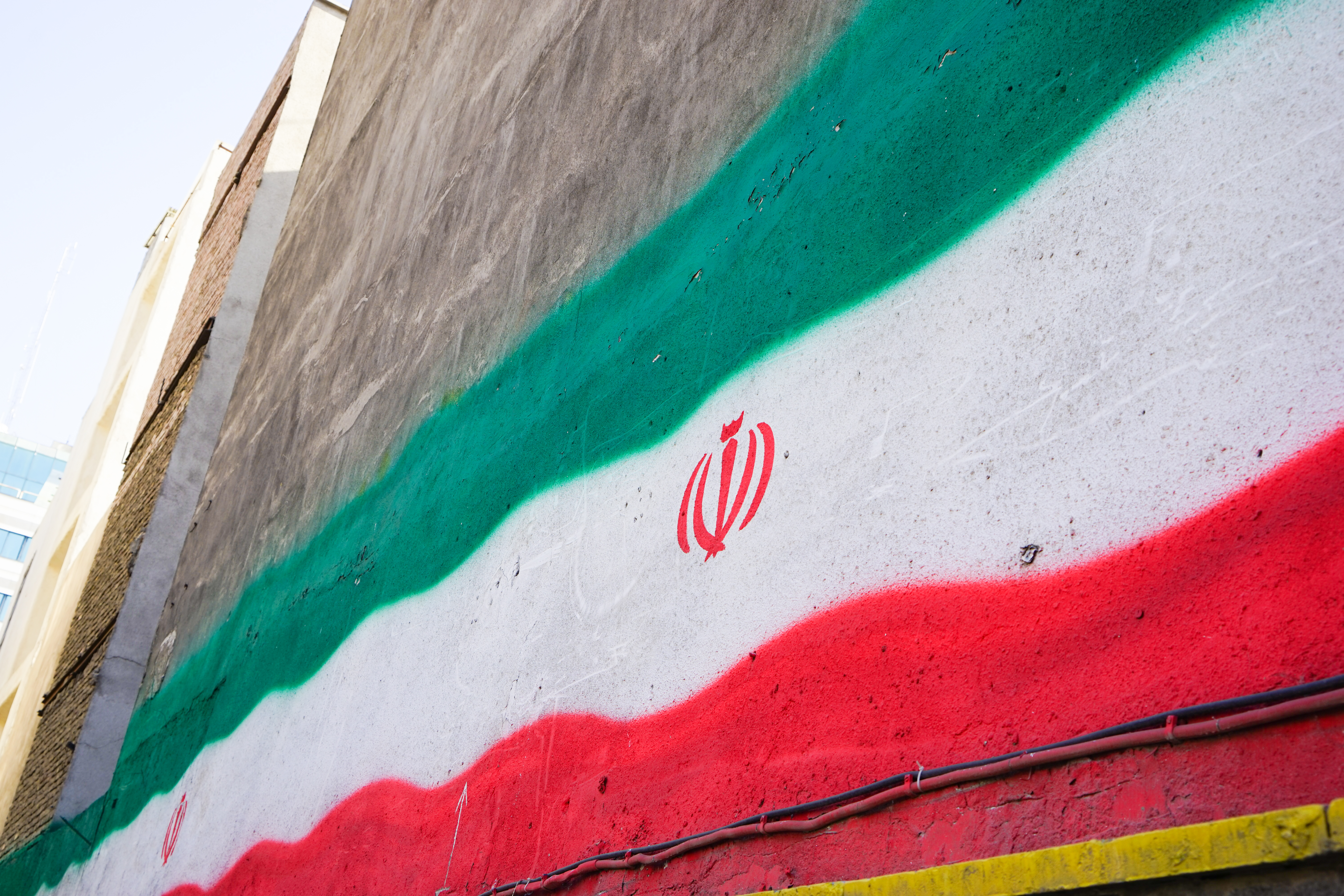
The prevailing view of Iran as a besieged state on the brink of collapse is fundamentally flawed. While internal dissent and economic strain are real, the Islamic Republic has reached its highest level of geopolitical leverage in four decades. This is not despite the breakdown of the international order, but because of it. Tehran has mastered the art of the 'multi-polar deadlock', a state where the conflicting interests of the United States, China, and Russia create a vacuum that Iran is uniquely positioned to fill.
The Geometry of Leverage
In a uni-polar world, Iran was a target. In a multi-polar world, Iran is a pivot. The incentive structure for global powers has shifted. For China, Iran is a source of discounted energy and a critical node in the Belt and Road Initiative that remains outside the reach of American maritime blockades. For Russia, Iran is a vital military partner and a laboratory for sanction-evasion techniques. These are not merely marriages of convenience; they are structural necessities for a bloc seeking to hedge against Western dominance.
Tehran understands that as long as Washington is preoccupied with containing China in the Pacific and Russia in Eastern Europe, no single power can afford the cost of a full-scale confrontation in the Persian Gulf. This deadlock grants Iran a 'strategic depth' that geography alone could never provide. By positioning itself as the indispensable disruptor, Iran forces every global actor to factor its interests into their wider calculations.
The Shadow Economy as Statecraft
Sanctions were designed to isolate Iran; instead, they have integrated it into a parallel global financial system. The 'Shadow Economy' is no longer just a survival mechanism; it is a tool of influence. Iran has built a sophisticated network of front companies, illicit shipping routes, and digital currency protocols that are now being studied and adopted by other sanctioned states. This creates a shared interest among pariah states that undermines the efficacy of the US dollar as a weapon of foreign policy.
The Energy Buffer
Despite heavy sanctions, Iranian oil exports have reached multi-year highs. The buyer is almost exclusively China. This transaction is not just about fuel; it is a strategic insurance policy. If Washington were to move aggressively against Iranian exports, it would risk a direct economic confrontation with Beijing. By tethering its economic survival to the energy needs of the world’s second-largest economy, Iran has effectively created a 'mutually assured economic destruction' scenario that deters total enforcement of Western mandates.
Historical Parallel: The Great Game
The current situation mirrors the 19th-century 'Great Game' between the British and Russian Empires. During that era, Persia survived not through its own military might, but by playing two superior powers against one another. Whenever Britain pushed too hard from the south, Tehran leaned toward St. Petersburg. When Russia threatened from the north, it sought British concessions. The difference today is that the 'Great Game' is global, and Iran’s toolkit includes ballistic missiles and cyber capabilities, not just diplomatic intrigue.
What Most People Miss: The Proxy Paradox
Conventional wisdom suggests that Iran’s network of regional proxies—from Lebanon to Yemen—is a liability that risks drawing Tehran into a war it cannot win. The reality is the inverse. These groups provide Iran with 'plausible deniability' and a low-cost method of power projection that conventional militaries cannot match. More importantly, they serve as a bargaining chip. In any negotiation, Iran offers to 'stabilise' these regions in exchange for economic concessions. They are selling the solution to a problem they themselves sustain.
Strategic Consequences
The second-order effect of this deadlock is the gradual erosion of the Gulf Monarchies' reliance on the US security umbrella. Seeing Iran’s resilience and the West’s hesitation, states like Saudi Arabia and the UAE are pursuing their own de-escalation with Tehran. They are not doing this out of trust, but out of a pragmatic recognition that Iran is a permanent fixture of the regional architecture that the US can no longer unilaterally contain.
- Regional Realignment: Expect further normalization between Iran and its Arab neighbours, driven by local security needs rather than Western mediation.
- Nuclear Hedging: Iran will likely maintain a 'threshold' status—capable of building a weapon but choosing not to—as this provides maximum leverage with minimum risk of a preemptive strike.
- Technological Transfer: The military-technical cooperation between Moscow and Tehran will accelerate, particularly in drone technology and electronic warfare.
What to Watch
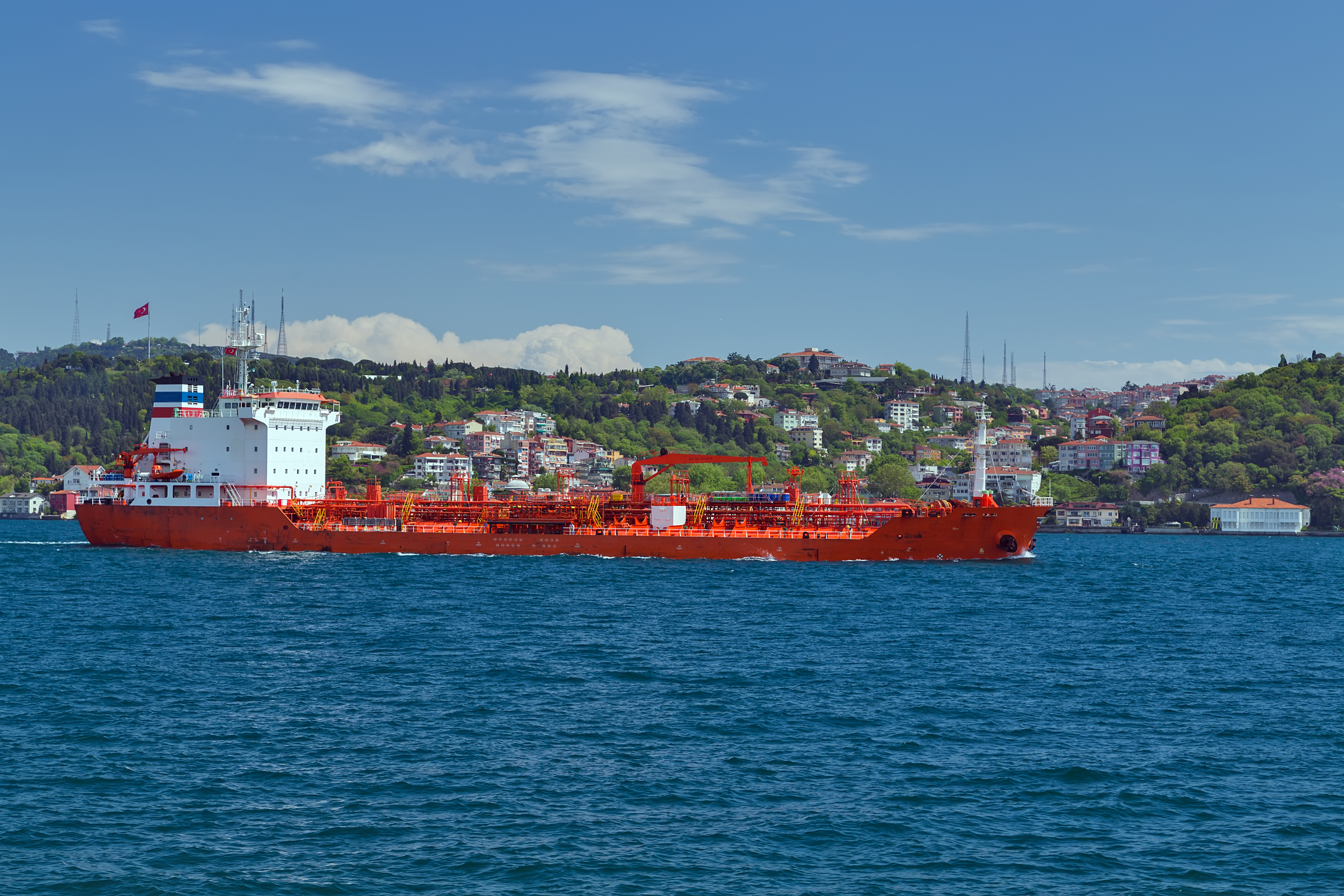
- The Strait of Hormuz: Any increase in Iranian naval drills or harassment of tankers is a signal of dissatisfaction with the pace of indirect negotiations.
- Rial Stabilisation: Watch for large-scale Chinese investment in Iranian infrastructure, which would signal a formal shift from 'shadow' trade to strategic partnership.
- IAEA Deadlocks: Iranian technical non-compliance is rarely a sign of intent to build a bomb immediately, but usually a response to Western pressure in unrelated arenas.
KJ Verdict: Iran has successfully decoupled its geopolitical relevance from its economic health. As long as the rivalry between the West and the Eurasian powers persists, Tehran will find a path to survive and exert influence. The Persian Paradox is that the more the world fractures, the more secure the Islamic Republic becomes. The West must prepare for an Iran that is not going to collapse, and whose leverage is only just beginning to peak.