The Illusion of Control
Pakistan’s military leadership is currently grappling with a reality it spent four decades trying to prevent: a hostile, sovereign, and defiant power in Kabul. The recent cycle of kinetic strikes by the Pakistan Air Force against Tehrik-i-Taliban Pakistan (TTP) sanctuaries in Khost and Paktika provinces is not merely a counter-terrorism operation. It is a formal admission of strategic bankruptcy. The doctrine of "Strategic Depth"—the idea that Pakistan could secure its western flank by installing a friendly proxy regime in Afghanistan—has failed. Instead of depth, Islamabad has inherited a permanent front.
For years, the Pakistani security establishment operated on the incentive that a Taliban-led Afghanistan would be the ultimate hedge against Indian influence and Pashtun nationalism. Today, that incentive has flipped. The Taliban government, now in its fifth year of rule, is prioritising its own domestic legitimacy and ideological purity over its historical debt to Rawalpindi. By refusing to rein in the TTP, the Taliban is asserting that the Durand Line is not a border to be managed, but a colonial relic to be ignored. Islamabad is responding with force because it has run out of diplomatic and economic levers.
The Mechanics of Defiance
To understand why this is happening now, one must look at the shifting incentives within the Taliban’s internal shura. The leadership in Kandahar views the TTP not as a foreign proxy, but as an ideological extension of their own struggle. Asking the Taliban to eliminate the TTP is equivalent to asking them to renounce their own foundational myths. If the Taliban were to turn on their brothers-in-arms, they would risk internal defections to more radical groups like IS-K, undermining the very stability they claim to provide.
Pakistan, meanwhile, is suffering from a severe case of buyer’s remorse. The surge in cross-border attacks has crippled the security environment in Khyber Pakhtunkhwa and Balochistan. The economic cost is equally high; the disruption of trade corridors at Torkham and Chaman is bleeding a Pakistani treasury that is already on life support from the IMF. The strikes signify that the Pakistani military has reached a threshold where the cost of inaction now outweighs the risk of an open rift with Kabul.
The Historical Parallel: The Sorcerer’s Apprentice
The current friction bears a striking resemblance to the relationship between the United States and the Mujahideen in the late 1980s. In both instances, a sophisticated security apparatus funded and trained a radical force to achieve a specific geopolitical objective—defeating the Soviets for the US, and securing the western flank for Pakistan. In both cases, the patron assumed the client would remain grateful and manageable once the objective was achieved. History shows that ideological movements, once they seize territory and the machinery of state, quickly outgrow their handlers. The patron eventually becomes the primary obstacle to the client’s full sovereignty. Islamabad is now playing the role of the apprentice who can no longer control the spirits he summoned.
What Most People Miss: The Baloch Connection
Public discourse focuses heavily on the TTP, but the deeper threat to the Pakistani state is the emerging synergy between religious insurgents and ethnic separatists. The Taliban’s refusal to police the border has inadvertently—or perhaps calculatedly—created a vacuum where Baloch nationalist insurgents can find breathing space. We are seeing an unprecedented tactical crossover where the TTP provides the logistics and the Baloch militants provide the local intelligence. This makes the insurgency in the south far more lethal and harder to penetrate. By striking into Afghanistan, Pakistan is trying to break this nascent logistics chain before it hardens into a permanent rebel infrastructure.
The Second-Order Effects
The most significant second-order effect of this fracture is the realignment of regional powers. China, Pakistan’s "all-weather" friend, is becoming increasingly frustrated. Beijing’s primary interest is the security of the China-Pakistan Economic Corridor (CPEC). As TTP attacks begin to target Chinese nationals with higher frequency, Beijing is no longer looking to Islamabad as the sole guarantor of security. We are seeing the beginning of a direct, albeit quiet, security dialogue between Beijing and Kabul. If China decides it can protect its interests better by dealing directly with the Taliban, Pakistan loses its most important piece of geopolitical leverage: its status as the gatekeeper to Afghanistan.
Furthermore, this tension is forcing a domestic pivot within Pakistan. The military’s failure to secure the border is eroding the "security first" narrative that justifies its outsized role in the country’s politics and economy. As the border heats up, the internal pressure on the military to deliver results increases, often leading to more aggressive—and potentially counterproductive—military actions that further alienate the local Pashtun population.
What to Watch
- The Kandahar-Kabul Divide: Watch for signs of disagreement between the pragmatic elements in Kabul and the hardline ideological core in Kandahar regarding TTP policy.
- Chinese Private Security: Watch for the introduction of Chinese private security firms to protect CPEC assets, signaling a lack of confidence in the Pakistani state.
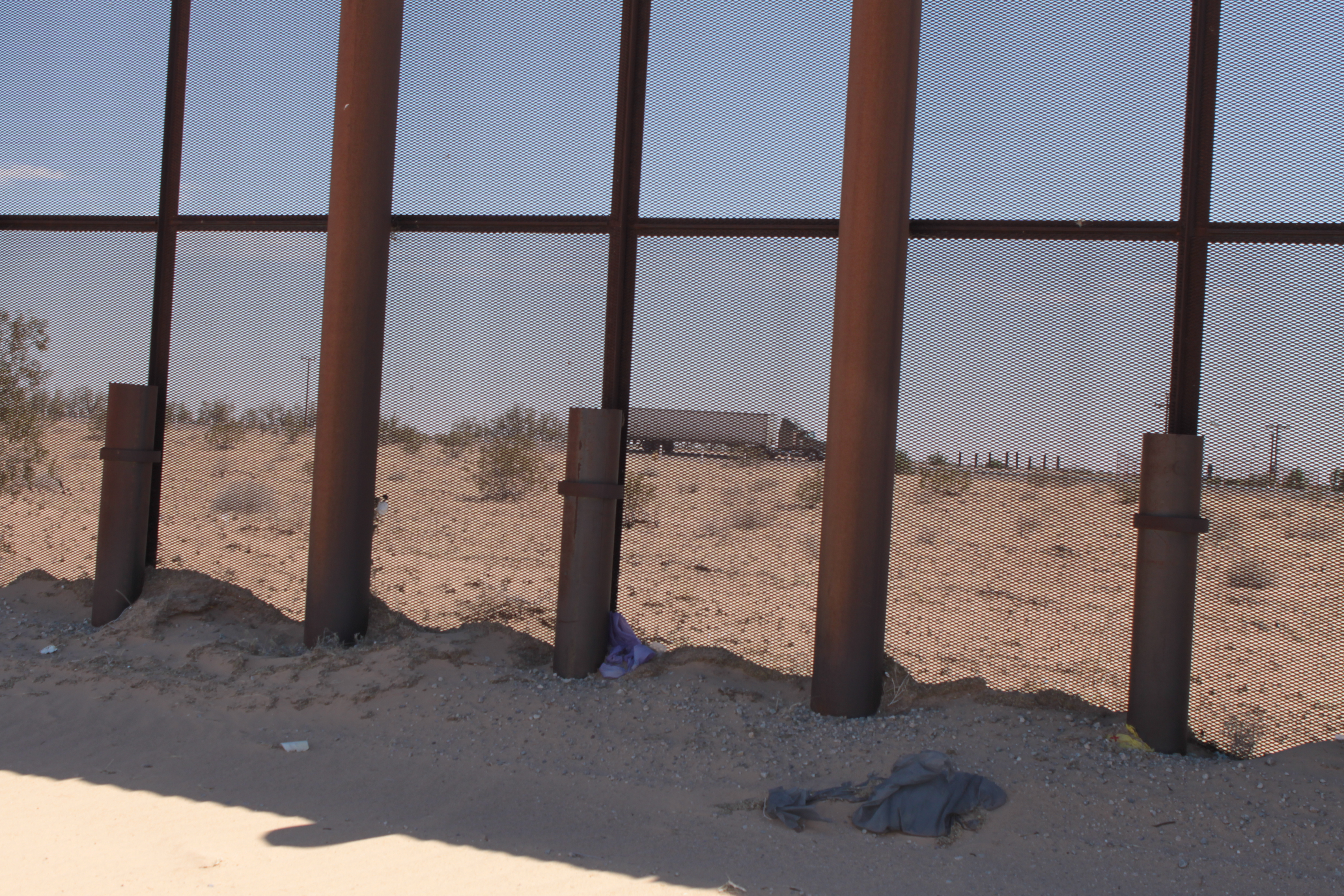
- Durand Line Fencing: Continued attempts by the Taliban to dismantle border fencing will be the primary physical flashpoint for future skirmishes.
- Economic Coercion: Monitor the duration of border crossing closures; this is Islamabad's most potent weapon, as the Afghan economy remains dependent on transit trade.
The KJ Verdict
The strikes on Afghan soil are not a display of strength, but a symptom of a failed century-long strategy. The Strategic Depth doctrine is dead, buried under the weight of its own contradictions. Pakistan is now discovering that a Taliban-led Afghanistan is not a puppet state, but a sovereign competitor with a deep-seated grievance against its former benefactor. The Durand Line, once a buffer, is now a live wire. In the coming years, expect a shift from Pakistan trying to influence Kabul, to Pakistan trying to contain Kabul. The era of the proxy is over; the era of the border war has begun.