Global markets are currently adjusting to a new, uncomfortable reality: the cost of moving goods is no longer a logistical variable, but a geopolitical tax. For decades, the West viewed the Strait of Hormuz and the Bab al-Mandab as transit lanes to be secured. Tehran, however, now views them as valves. By opening and closing these valves at will through proxy forces and direct asymmetric action, Iran has achieved something conventional military force never could. It has successfully integrated its strategic interests into the global inflation index.
The Logic of Asymmetric Leverage
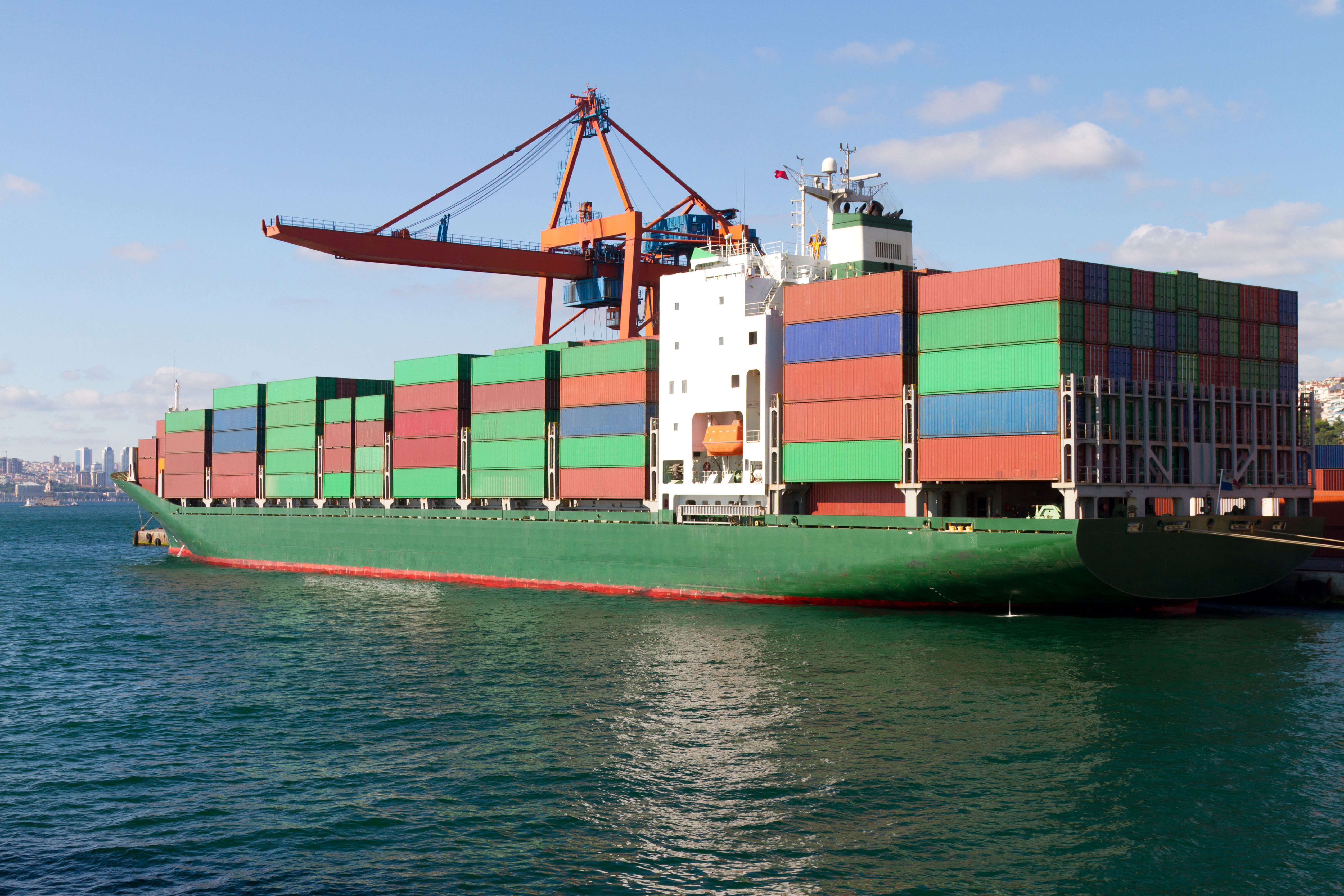
The current volatility in global shipping rates is not a temporary disruption; it is the intended outcome of a deliberate Iranian doctrine. Tehran understands that it cannot win a head-to-head naval engagement with a U.S.-led coalition. Instead, it has mastered the art of "strategic friction." By maintaining a persistent threat level that forces insurance premiums to spike and vessels to re-route around the Cape of Good Hope, Iran imposes a permanent cost on Western economies.
This is a masterclass in incentive alignment. Iran benefits from higher oil prices to fund its domestic budget, while the resulting inflationary pressure in the West creates political instability for its adversaries. For Tehran, the cost of a few dozen drones and fast-attack craft is negligible compared to the billions of pounds in economic damage inflicted on the Eurozone and North America. The goal is not a total blockade—which would trigger an overwhelming military response—but a perpetual state of uncertainty.
The Geography of Energy and Trade
Geography remains the ultimate arbiter of power in the Middle East. The Bab al-Mandab is only 18 miles wide at its narrowest point. The Strait of Hormuz handles roughly 20% of the world’s petroleum liquids. By delegating the kinetic aspect of this blockade to the Houthi movement in Yemen, Iran enjoys a degree of plausible deniability while maintaining operational control over the southern entrance to the Red Sea. This creates a pincer movement on global trade.
- North: The threat to the Suez Canal corridor forces trade toward longer, more expensive routes.
- East: The shadow of Iranian intervention in the Persian Gulf keeps energy markets in a state of constant backwardation.
- South: The militarisation of the Western Indian Ocean extends Tehran’s reach into the heart of the emerging Africa-Asia trade routes.
The Historical Parallel: The 1973 Oil Embargo
To understand the current shift, one must look back to the 1973 OPEC oil embargo. At that time, Arab states used a hard cutoff of supply to force diplomatic concessions. It was a blunt instrument that eventually led to a global recession and the diversification of Western energy sources. Tehran has studied this history and refined it. Instead of a sharp, sudden shock that invites a unified counter-offensive, they are employing a "slow-bleed" strategy. This is the 1973 embargo updated for the era of just-in-time logistics. By making the blockade psychological and insurance-based rather than purely physical, they avoid the threshold for a total war while achieving the same economic degradation of their enemies.
What Most People Miss: The Internal Chinese Factor
The prevailing narrative suggests that China, as a major importer of Middle Eastern oil, would eventually pressure Iran to stop the disruptions. This misses the deeper incentive structure. Beijing sees the Western struggle with maritime security as a net positive. Every dollar the United States spends escorting tankers in the Red Sea is a dollar not spent in the South China Sea. Furthermore, China’s primary trade routes are increasingly being secured by its own bilateral agreements with regional players, including Iran. While Western shipping is targeted, a shadow fleet of tankers serving Chinese interests often passes through these waters unmolested. Tehran is not just targeting the West; it is helping facilitate a multi-polar maritime order where Western protection is no longer the sole standard.
Strategic Consequences and Second-Order Effects
The most significant second-order effect of this permanent friction is the death of the low-inflation era. Central banks can raise interest rates to combat domestic demand, but they have no tool to lower the cost of a container ship navigating around Africa. This structural increase in freight costs is being baked into the price of everything from semiconductors to grain.
Additionally, we are seeing the acceleration of regional fragmentation. Middle Eastern powers like Saudi Arabia and the UAE are being forced to choose between the security umbrella of the West and a pragmatic accommodation with Tehran. If the U.S. cannot guarantee the safety of the seas, the regional states will seek a "Pax Iranica" or a Chinese-brokered peace, further eroding Western influence.
What to Watch
- Insurance Premium Thresholds: Watch for the moment major maritime insurers refuse to cover Red Sea transit entirely; this will signal a shift from friction to a functional blockade.
- Iranian Naval Expansion: The deployment of larger, drone-carrying "base ships" into the Indian Ocean to extend the reach of the pincer.
- The Divergence of Freight Rates: A widening gap between the cost of shipping to Asia versus Europe, reflecting the specific targeting of Western-aligned trade.
The KJ Verdict
We are witnessing the end of the era of free maritime transit. Iran has successfully proven that a middle power can hold the global economy hostage through the calculated application of risk. This is not a crisis to be managed, but a structural shift in the global cost of living. As long as Tehran perceives that the West lacks the stomach for a protracted regional conflict, the maritime blockade logic will remain. Inflation is no longer just a monetary phenomenon; in the 2020s, it is a tool of Iranian foreign policy. The Persian Siege is not about taking territory; it is about taking the world’s economic stability as collateral for Tehran’s survival.