
Intelligence
Middle East
247 reports in this category.

The 2027 Pivot: Why Tehran Cannot Afford to Wait for Washington
Regardless of US electoral outcomes, Iran faces a structural deadline. Diminishing conventional leverage and a closing window of breakout capacity are forcing the Islamic Republic toward a terminal nuclear threshold decision by 2027.
30 Sept 2026
The Persian Paradox: Iran’s Leverage in a Multi-Polar Deadlock
Tehran is transforming its perceived isolation into a strategic asset. By exploiting the friction between Washington, Beijing, and Moscow, Iran has secured its survival through a unique form of systemic leverage.
30 Sept 2026

The Houthi Attrition: Why Riyadh Cannot Buy Maritime Security
Saudi Arabia’s multibillion-dollar military modernisation has failed to break the Houthi maritime siege. The crisis reveals a fundamental misalignment between traditional state power and the low-cost economics of asymmetric Red Sea disruption.
29 Sept 2026
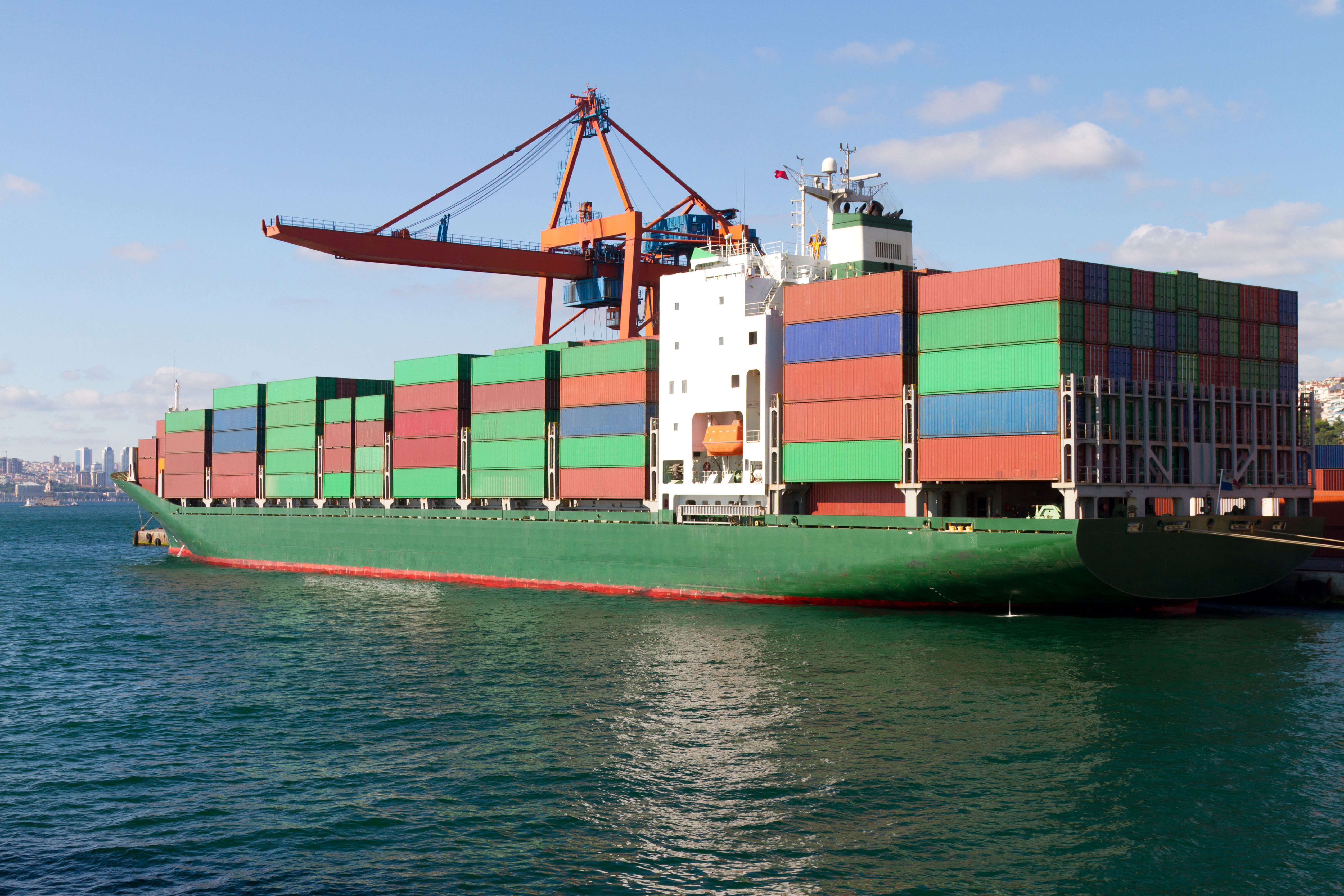
The Persian Siege: How Iran Rewrote the Global Inflation Equation
Tehran has transitioned from conventional deterrence to a permanent strategy of maritime friction. By weaponising chokepoints, Iran is no longer just seeking regional hegemony; it is exporting structural inflation to the West as a geopolitical tool.
27 Sept 2026

Silicon Siege: How the Strait of Hormuz Broke the Tech Supply Chain
As the conflict between Washington and Tehran intensifies, the disruption of critical maritime conduits is forcing a permanent migration of high-tech manufacturing away from the Indo-Pacific, ending the era of hyper-efficient global electronics logistics.
26 Sept 2026

The Riyadh Isolation: Saudi Arabia’s Post-American Pivot
Saudi Arabia is systematically dismantling its eighty-year security reliance on Washington. This is not a diplomatic spat, but a calculated survival strategy to insulate Vision 2030 from the volatility of American domestic politics and regional entanglements.
25 Sept 2026

The Levantine Buffer: Israel’s Quiet Expansion into Southern Syria
As Tel Aviv establishes a 'de facto' security zone beyond the Golan, the traditional depth of the Axis of Resistance is collapsing. This geographic shift fundamentally rewires the cost of Iranian projection in the Levant.
22 Sept 2026
The Deterrence Mutation: Iran’s Shift to Direct Counter-Escalation
Tehran has abandoned the strategic patience of the proxy era. By pivoting to direct, persistent counter-escalation, Iran is rewriting the rules of Middle Eastern engagement, forcing a permanent shift in how sovereign states manage regional friction.
22 Sept 2026

The Damascus Inertia: Assad’s Calculated Neutrality in the Levant
Bashar al-Assad is trading his Iranian alignment for regional rehabilitation. By remaining conspicuously silent during the Israel-Hezbollah conflagration, Damascus has secured a new survival pact that fundamentally shifts the Middle Eastern balance of power.
21 Sept 2026
The Hormuz Exhaustion: Washington’s Pivot from the Persian Gulf
The United States is entering a managed withdrawal from its role as the Middle East’s primary security guarantor. As domestic incentives shift and regional powers hedge, the era of American primacy in the Gulf is ending.
21 Sept 2026

The Pickaxe Leverage: Why Tehran’s Hardening Rewrites the Map
Iran's strategic shift toward deep-earth nuclear fortification has rendered traditional kinetic options obsolete. As the 'mountain-fortress' strategy matures, Washington and Jerusalem are forced into a permanent, high-stakes containment model they are ill-equipped to fund.
12 Sept 2026

The Blackout Doctrine: Tehran’s Calculated Trade-off
Iran is prioritising its regional proxy network and missile deterrence over domestic stability. By starving its internal economy to fund external fronts, the Islamic Republic is betting that a regional shield will prevent an internal collapse.
10 Sept 2026

The Qasem Gambit: Why Tehran’s Maritime Strategy Breaks US Naval Power
Iran’s evolution into a sophisticated anti-access maritime power has rendered the traditional US carrier strike group obsolete in the Persian Gulf, forcing a fundamental rethink of Western power projection in the Middle East.
8 Sept 2026

The Fujairah Paradox: The End of the Western Security Umbrella
As Iranian drone incursions breach the strategic Port of Fujairah, the UAE is quietly dismantling its reliance on Western protection. This shift marks the rise of a new, transactional security architecture in the Gulf.
7 Sept 2026
The Emirates Buffer: Abu Dhabi’s Strategic Disengagement
As tensions between Washington and Tehran reach a volatile equilibrium, the United Arab Emirates is quietly decoupling its security architecture from Western-led containment to pursue a policy of radical neutrality and economic preservation.
7 Sept 2026

The Larak Conundrum: Tehran’s Shift to Preemptive Deterrence
Iran has abandoned the doctrine of 'strategic patience' for a model of proactive intervention. This shift signals the death of managed escalation and introduces a volatile new era for global energy security and maritime power.
6 Sept 2026
The Larak Escalation: Tehran’s New Doctrine of Preemptive Defence
Iran has abandoned its long-standing policy of 'strategic patience' for a high-risk preemptive doctrine. By striking first near Larak, Tehran signals that the era of proportional response is dead, reshapping the Persian Gulf power map.
6 Sept 2026
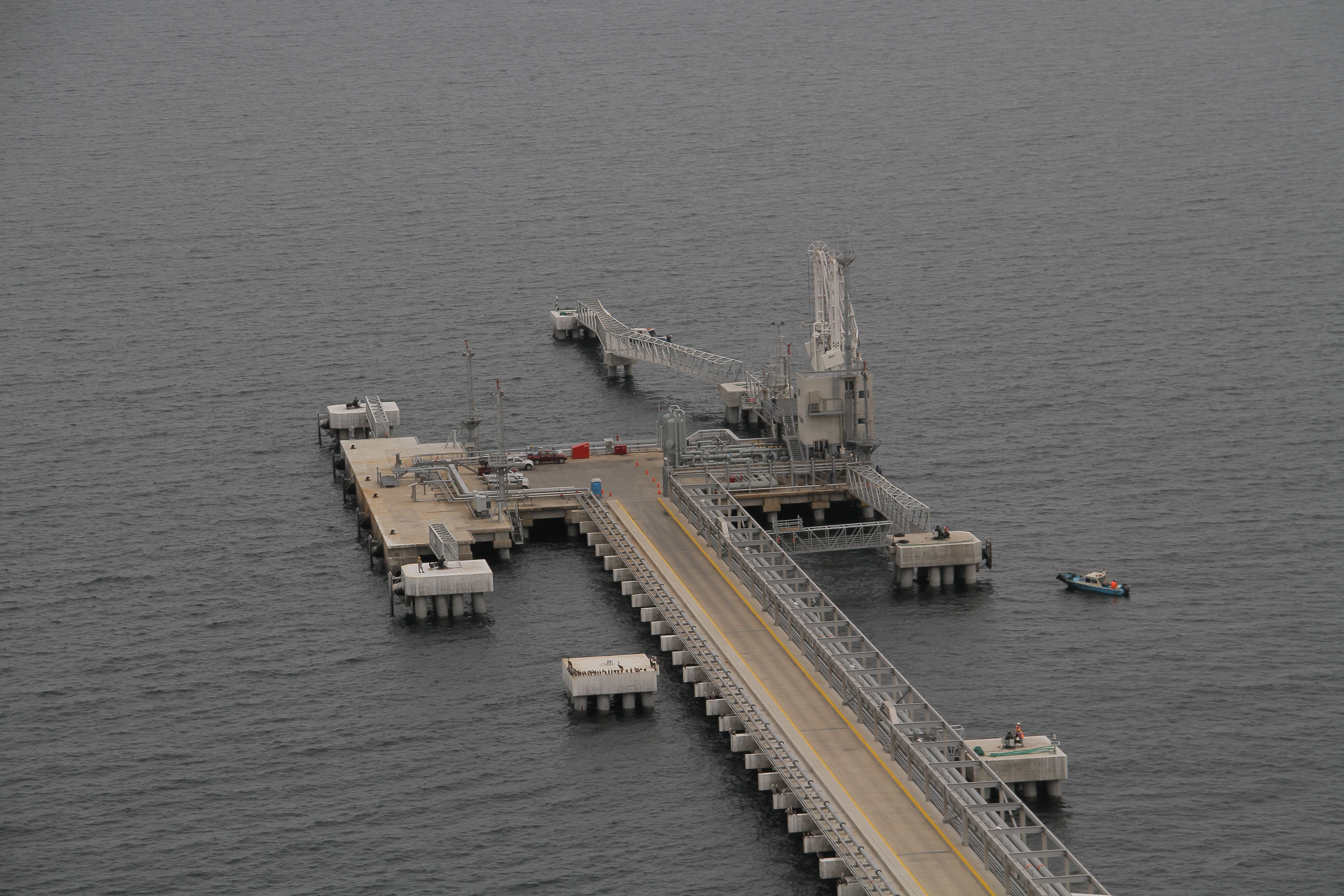
The Kharg Threshold: A Managed Redefinition of Energy Power
As tensions rise around Iran’s primary oil terminal, Washington and Tehran are engaging in a high-stakes performance to reset the global energy floor without triggering a total systemic collapse.
4 Sept 2026