Geopolitics is often viewed as a series of collisions between expanding powers. However, the stability of the Middle East currently rests not on the strength of its largest militaries, but on the stubborn silence of its most quiet actor. Oman is the region’s structural circuit breaker. While the surrounding landscape fractures into binary camps—pro-Tehran or pro-Western—Muscat’s refusal to align is the final barrier to a total regional escalation.
The Strategic Silence
The logic of the current crisis suggests that every square inch of the Arabian Peninsula should be mobilised. From the perspective of Washington and Riyadh, Oman is a missing link in the integrated air defence and maritime security architecture designed to contain Iran. From Tehran’s perspective, Oman is the only doorway left that is not locked from the outside. Both sides view Muscat’s neutrality as a frustration. In reality, that neutrality is what prevents a tactical miscalculation from becoming a terminal war.
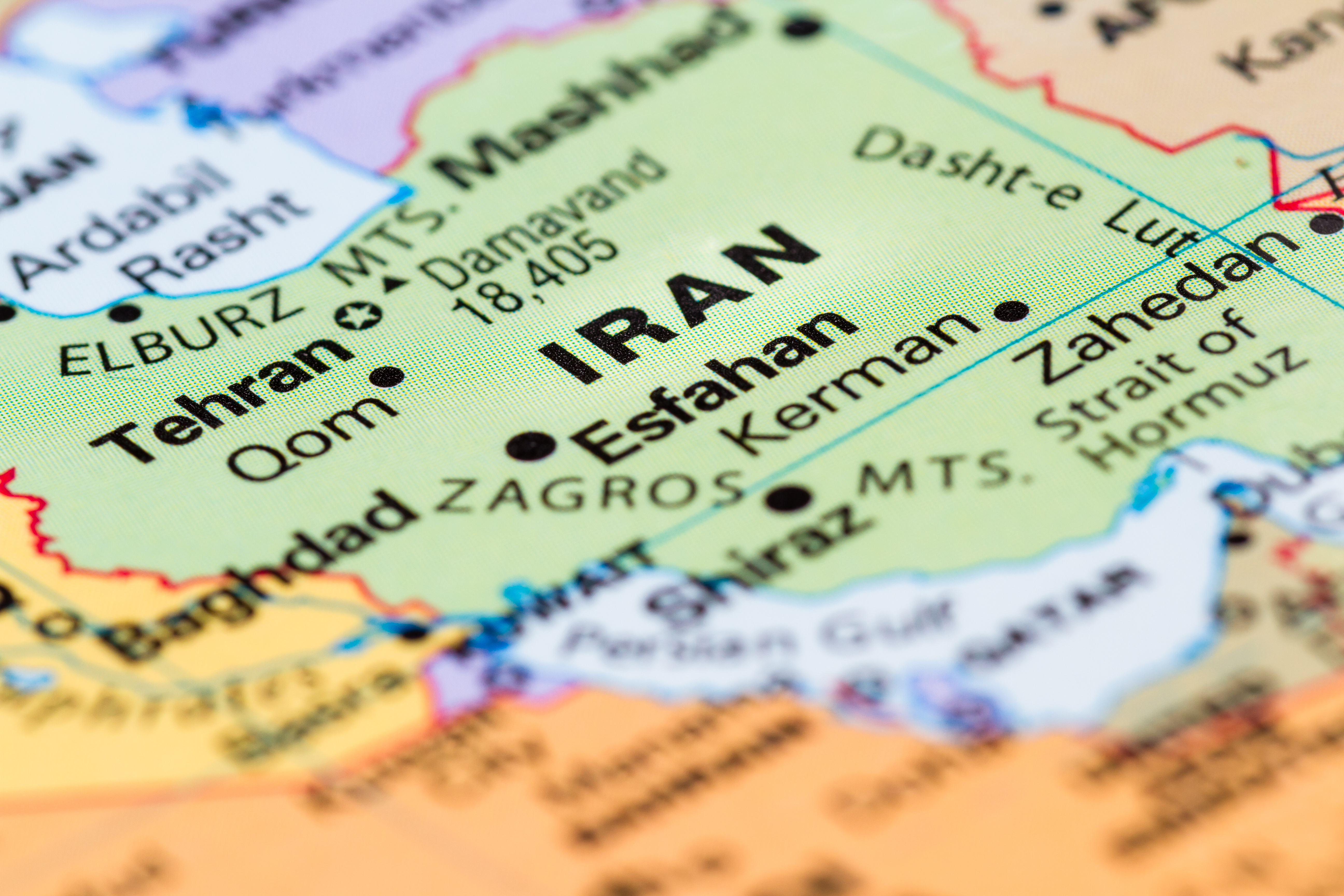
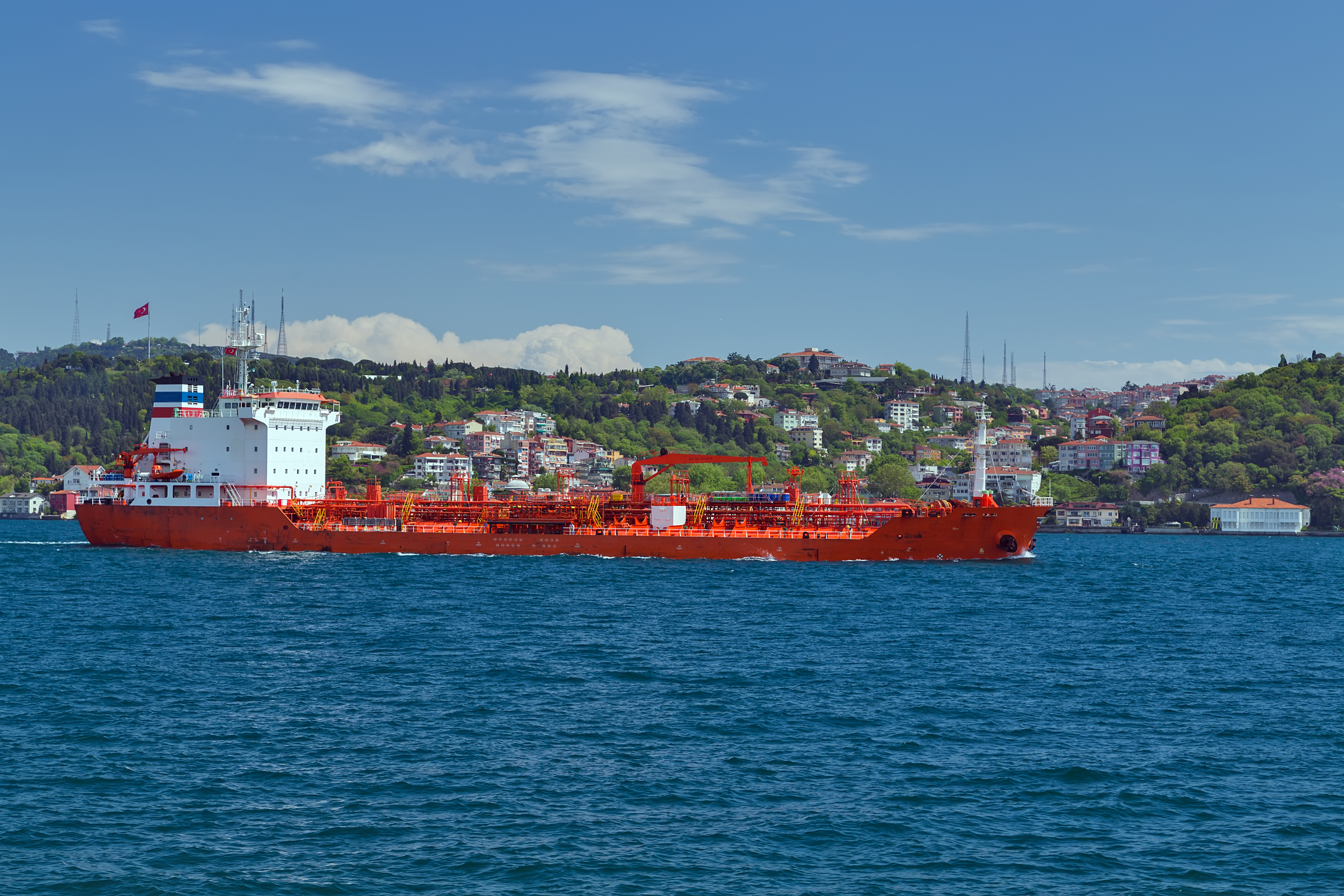
Muscat operates on a doctrine of 'friend to all, enemy to none'. This is not a moral stance; it is a survival strategy dictated by geography. Oman sits at the mouth of the Strait of Hormuz. If Muscat were to join a formal anti-Iran coalition, the strait would cease to be a contested waterway and would become a frontline. By remaining neutral, Oman ensures the strait stays open as a commercial reality rather than a military objective.
The Geography of Survival
To understand Omani policy, one must look at the map. Oman is a maritime nation with a mountain interior. Unlike its GCC neighbours, it looks out toward the Indian Ocean rather than inward toward the Gulf. This outward orientation has historically necessitated a balance between the Persian power to the north and the Arab powers to the west. If Oman loses this balance, it loses its sovereignty.
Money also dictates this caution. Oman lacks the massive sovereign wealth buffers of Qatar or Abu Dhabi. It cannot afford the cost of a hot war, nor can it afford the reconstruction that would follow. Its incentive is to maintain the status quo at all costs. While other regional players seek to reshape the Middle East in their image, Oman seeks only to ensure the Middle East does not collapse into itself.
The Historical Parallel: Switzerland of the Sands
The common comparison for Oman is Switzerland, but a more accurate historical parallel is the Grand Duchy of Luxembourg during the late 19th century. Like Luxembourg, Oman sits between two massive, rival cultural and military blocs. During the lead-up to the Great War, the neutrality of small buffer states delayed the onset of conflict by creating physical and diplomatic friction. When those buffers were eventually ignored or violated, the scale of the resulting war was total. Oman is the last buffer state of the 21st-century Middle East. If Muscat is forced to choose a side, the friction disappears, and the path to total war is cleared.
What Most People Miss: The Intelligence Pipeline
Most analysts focus on Oman as a venue for talks—the place where the JCPOA was born and where Houthi negotiators meet Saudi officials. What is missed is Oman’s role as an intelligence filter. Because Muscat maintains deep ties with the IRGC and the US State Department simultaneously, it acts as a reality check for both sides.
In a region where disinformation and 'echo-chamber' intelligence are rampant, Oman provides a credible backchannel where intentions are clarified. When a drone is downed or a tanker is seized, the first call is not to a capital, but to Muscat to ask: "Was this an accident or an escalation?" Without this Omani filter, the risk of accidental war through misinterpretation increases by an order of magnitude. The Muscat Veto is not a veto on policy, but a veto on impulsive retaliation.
Structural Consequences of an Omani Shift
If Oman were to buckle under Western pressure and join a formal regional defence pact, three things would happen immediately. First, the Houthi movement in Yemen would view the Omani border as a legitimate target, expanding the Yemeni conflict into the most stable part of the peninsula. Second, Iran would be forced to treat the Omani coastline as hostile territory, likely leading to the mining of the Musandam Peninsula’s waters. Third, the last credible mediator for the release of Western hostages and the de-escalation of maritime skirmishes would vanish.
The current pressure on Sultan Haitham bin Tarik to 'modernise' Omani foreign policy is, therefore, dangerous. The West benefits more from an Omani state that can talk to Tehran than one that simply buys more American interceptors. The true value of Muscat is its ability to be the only room in the world where both sides can sit without losing face.
What to Watch
- The Musandam Fortification: Watch for any significant increase in Omani military presence in the Musandam enclave. This would signal a shift from passive neutrality to active defence, suggesting Muscat fears the 'buffer' is failing.
- Debt Restructuring: Oman’s neutrality is expensive. If Muscat accepts a massive bailout from a single regional neighbour, its independent foreign policy is likely the collateral.
- The Succession of Influence: Any change in the leadership of the Omani Royal Office, which manages the intelligence and backchannel files, will indicate whether the 'neutrality' doctrine is being diluted by younger, more hawkish officials.
The KJ Verdict
The Middle East is currently a system of high-tension wires. Oman is the insulation. If you remove the insulation to make the wires more efficient, you create a short circuit that burns down the house. The Muscat Veto is the only thing preventing the current cycle of tit-for-tat strikes from escalating into a theatre-wide conflagration. The moment Oman is forced to pick a side, the region has already lost the war. Stability in the coming decade will be measured not by the strength of alliances, but by the resilience of those who refuse to join them.