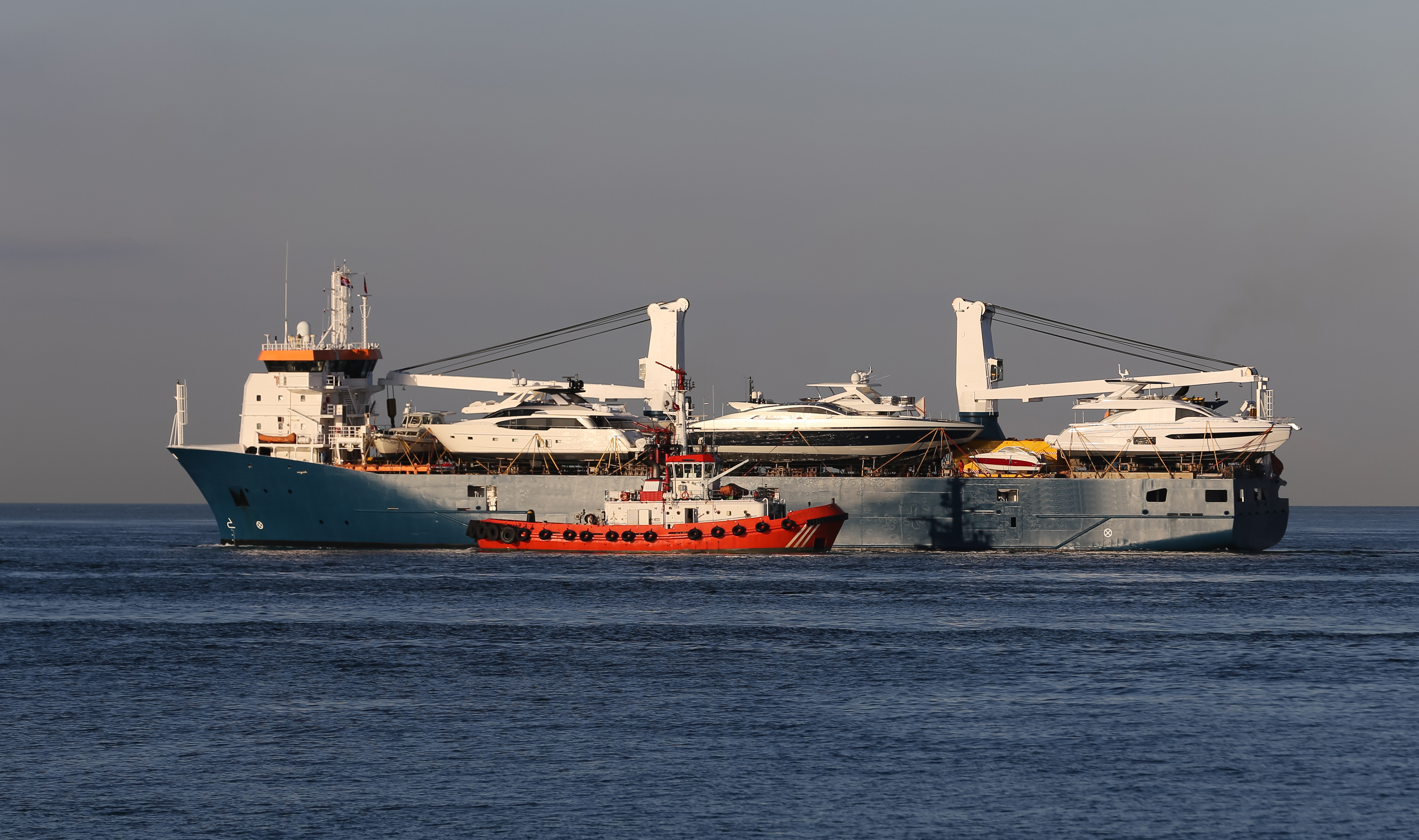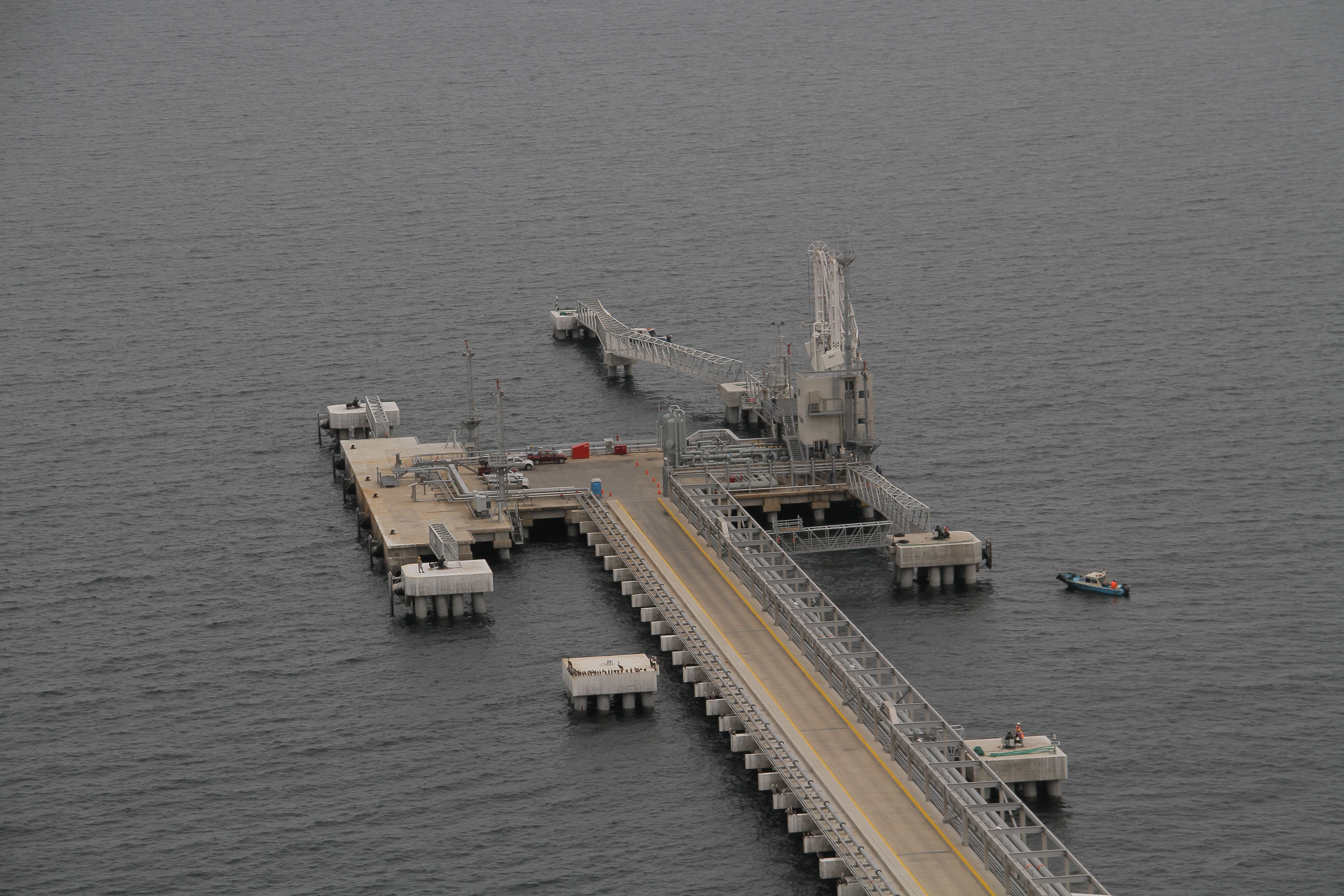
The current volatility surrounding Kharg Island is not a prelude to total war, but a negotiated renegotiation of the global energy order. For decades, the threat of closing the Strait of Hormuz was the ultimate Iranian deterrent. Today, that deterrent has evolved. We are witnessing the emergence of the Kharg Threshold: a state of controlled kinetic friction designed to sustain high oil prices while avoiding the catastrophic logistical failure of a regional blockade.
The Illusion of Unchecked Escalation
In the current theatre of the Persian Gulf, the primary drivers are not ideological, but fiscal and structural. Washington requires a level of regional tension that justifies its continued maritime presence and keeps domestic energy production profitable. Tehran, meanwhile, needs a price floor that offsets the deepening bite of secondary sanctions. Both sides are currently incentivised to dance on the edge of the abyss without falling in.
Kharg Island handles roughly 90 per cent of Iran’s crude exports. To the untrained eye, it is a glaring vulnerability. To a strategic analyst, it is a pressure valve. By allowing minor disruptions and maintaining a credible threat to this node, Iran forces the global market to price in a permanent geopolitical premium. Washington, despite its rhetoric of de-escalation, benefits from this premium as it bolsters the export value of American Permian Basin shale.
The Incentive of the Controlled Crisis
Why would two adversaries cooperate in a conflict? Because the status quo of cheap, stable energy no longer serves their specific internal requirements. The United States has transitioned from a net importer to a dominant exporter. Its strategic interest has shifted from ensuring low prices to ensuring market share. A volatile Middle East makes American energy look like a safe haven, regardless of the cost per barrel.
For Tehran, the logic is survivalist. If oil drops below sixty dollars, the internal social contract of the Islamic Republic fractures. By maintaining the Kharg Threshold—a state where one missile strike or one intercepted tanker is always a week away—Iran ensures that the Brent crude benchmark remains elevated. This is not a war of conquest; it is a war of margin maintenance.
The Historical Parallel: The Tanker War Reimagined
Between 1980 and 1988, the Iran-Iraq War saw the original Tanker War, where both sides attacked commercial shipping to dry up the other’s revenue. However, the 1980s were a period of American energy dependency. The US Navy’s Operation Earnest Will was a mission of desperation to keep the lights on in Western capitals.
Today’s friction bears a superficial resemblance but possesses a reversed polarity. Unlike the 1980s, the current maritime skirmishes are surgical. They are designed to be televised and tracked on Bloomberg terminals, but they rarely result in the total sinking of assets. The goal is the psychological impact on insurance premiums (Lloyd’s of London) and futures contracts, not the physical destruction of the global fleet.
What Most People Miss: The Beijing Variable
The standard narrative focuses on the US-Iran binary. What is overlooked is how this managed escalation serves as a strategic check on China. China is the world’s largest importer of crude. Every dollar added to the price of a barrel due to Middle Eastern tension acts as a regressive tax on the Chinese industrial engine.
Washington understands that as long as it controls the security architecture of the Persian Gulf, it holds a remote kill-switch for Chinese economic growth. By allowing a degree of Iranian provocations to persist, the US reminds Beijing that its energy security is a gift from the US Navy, not a sovereign right. Tehran is aware of this leverage and plays both sides, offering China discounted 'dark fleet' oil while using the threat of wider disruption to demand concessions from the West.
Second-Order Effects: The Death of the Petrodollar Myth
The Kharg Threshold is also accelerating the transition to a multi-currency energy market. As the US uses the financial system to squeeze Iran, and Iran uses the physical geography to squeeze the market, neutral powers like India and the UAE are moving toward local currency settlements. This is an unintended consequence that Washington accepts as the price of maintaining its immediate geopolitical leverage over the Gulf.
Strategic Consequences
- The Permanent Risk Premium: Energy markets will no longer return to the sub-$50 stability of the early 2010s. The 'Kharg Premium' is now a structural feature of global finance.
- Redundancy as Strategy: Saudi Arabia and the UAE will accelerate pipeline projects that bypass the Strait of Hormuz, effectively decoupling their economic survival from Iran’s geographic advantage.
- The Rise of the Dark Fleet: The grey-market shipping industry will become a permanent, semi-legitimate fixture of global trade, sanctioned by necessity even if condemned by law.
What to Watch
- Insurance Hikes: A sudden 20% rise in maritime insurance rates for the Persian Gulf will signal the next phase of managed escalation.
- Drone Sophistication: Watch for the deployment of Iranian sub-surface drones near Kharg; this represents a new tier of 'deniable' leverage.
- US SPR Refill Rates: When Washington stops releasing from the Strategic Petroleum Reserve, it signals they are comfortable with the new, higher price floor.
The KJ Verdict
We are not witnessing the collapse of order in the Middle East, but the birth of a more expensive one. The Kharg Threshold is a sophisticated, albeit dangerous, mechanism for price discovery in a multipolar world. Neither Washington nor Tehran desires a total war that would destroy the very infrastructure they rely on for leverage. Instead, expect a series of loud, frightening, but ultimately calibrated incidents designed to keep the world’s most important commodity expensive and its largest consumers anxious. The true victors are the producers on both sides of the Atlantic; the losers are the industrial economies of Eurasia that lack their own domestic wells.