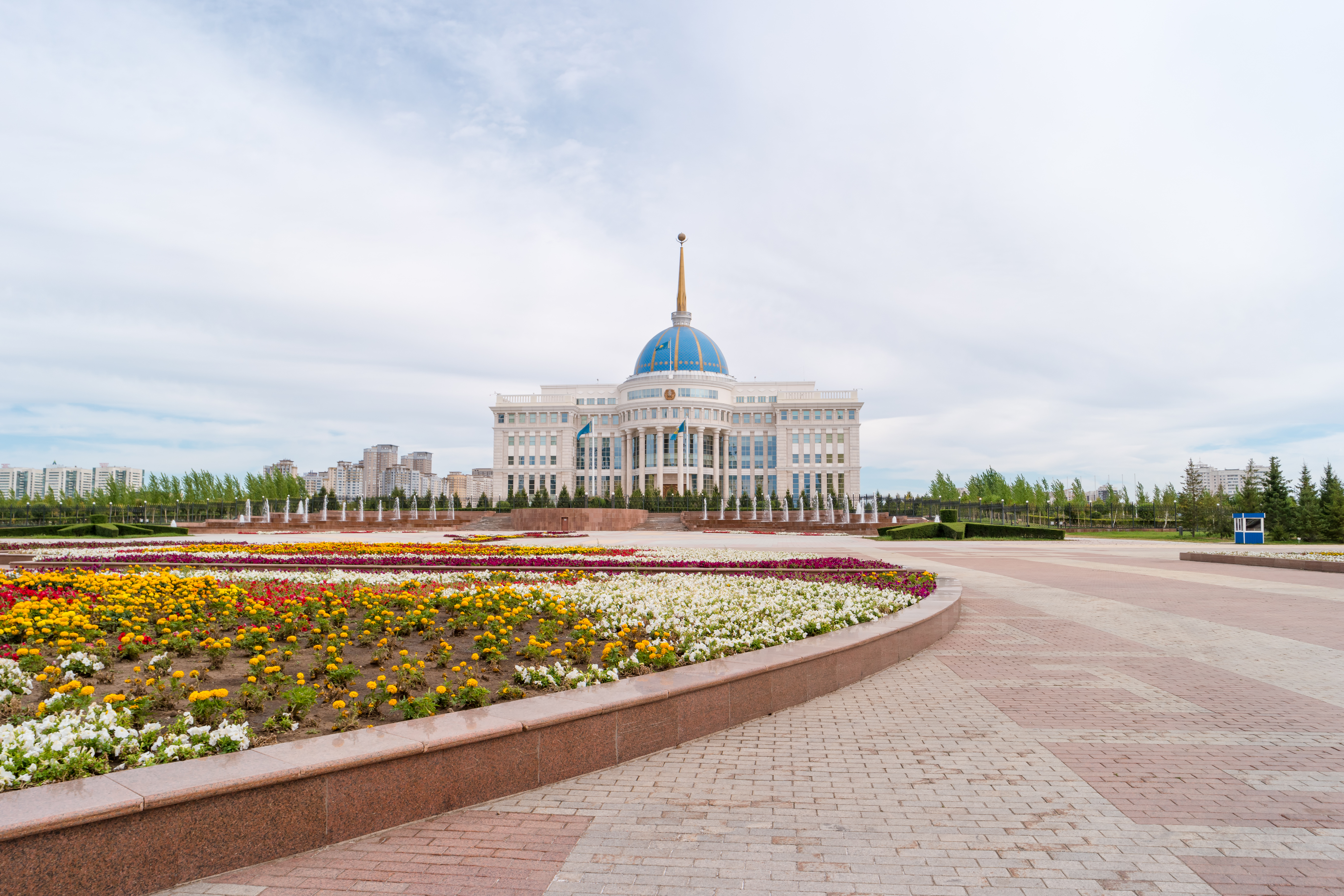
Abu Dhabi has reached a conclusion that the era of relying on an American security umbrella to deter Iran is not only ending but has become a liability. In the current regional climate, the United Arab Emirates is no longer acting as a forward operating base for Western containment. Instead, it is transforming itself into a neutral zone, prioritising the protection of its logistical hubs and financial capital over the ideological victory of its traditional allies. This is not a retreat; it is a calculated diversification of risk.
The End of Direct Deterrence
For decades, the security logic of the Persian Gulf was simple: the United States provided a security guarantee in exchange for energy flow and regional cooperation. However, the events of the mid-2020s have proven to the Emirati leadership that this guarantee is conditional. When regional energy infrastructure is targeted by drone or missile strikes, the American response is now weighed against domestic political appetites and the fear of a broader regional war. Abu Dhabi has observed this hesitation and adjusted its trajectory accordingly.
The UAE has shifted from a stance of active interventionism—seen previously in Yemen and Libya—to a posture of diplomatic de-escalation with Tehran. By opening direct lines to Iran’s intelligence and economic sectors, the Emirates has created a back-channel that functions independently of the White House. The goal is to ensure that in any future kinetic exchange between the US and Iran, Emirati soil remains off-limits. This is the creation of the 'Emirates Buffer': a state that is too economically interconnected to be targeted and too diplomatically useful to be ignored.
The Incentive Map: Why Now?
The primary incentive driving this shift is the preservation of the UAE’s status as the world’s most significant 'everything hub'. The Emirati model relies on being a safe haven for global capital, logistics, and tourism. In a world of fragmented supply chains, the UAE cannot afford even a single day of closed airspace or blocked shipping lanes. A conflict that disrupts the Strait of Hormuz is an existential threat to the UAE’s post-oil transition plans.
- Economic Diversification: The UAE is transitioning from an oil-rentier state to a global services and tech hub. Stability is the prerequisite for this transition.
- The American Pivot: The US remains focused on the Indo-Pacific. Abu Dhabi views the US presence in the Gulf as a legacy force, not a permanent shield.
- Iranian Integration: By facilitating Iranian trade and hosting a significant Iranian diaspora, the UAE creates a hostage-capital situation where Tehran has a vested interest in the UAE's physical safety.
The BRICS+ and Multi-Alignment
The UAE’s entry into the BRICS+ bloc was the clearest signal of this strategic pivot. By deepening ties with Beijing and Moscow, Abu Dhabi is ensuring that any attempt to destabilise the Gulf would meet resistance not just from Washington, but from the UAE’s other major trading partners. This 'multi-alignment' creates a multipolar protection layer. If the US cannot guarantee security, perhaps a shared interest between five global powers can.
Historical Parallel: The Swiss Model in the Middle East
There is a strong historical parallel to be found in the Swiss neutrality of the 20th century. During the Cold War, Switzerland remained a vital node for international finance and diplomacy by refusing to join NATO, despite its obvious cultural and economic leanings towards the West. The UAE is attempting the same feat in the 21st century. It is positioning itself as the 'Switzerland of the Sands'—a place where adversaries can talk, trade, and settle accounts without the fear of immediate seizure or bombardment.
"Neutrality is not the absence of power; it is the refusal to expend power on behalf of others' conflicts."
Just as Switzerland made itself too useful to the global banking system to be invaded by the surrounding powers, the UAE is making its ports, AI research centres, and financial markets indispensable to both the East and the West.
What Most People Miss
Most analysts focus on the UAE's procurement of advanced Western weaponry, such as the F-35 or sophisticated missile defence systems, as proof of its continued alignment with the US. This is a misunderstanding of the UAE's intent. These systems are not for offensive projection; they are insurance policies intended to raise the cost of any potential aggression to a level that ensures no one attempts it.
Furthermore, the UAE is not 'turning away' from the US. It is merely acknowledging that the US is no longer the sole arbiter of Middle Eastern affairs. The Emiratis are not choosing Tehran over Washington; they are choosing themselves. They have realised that in a multipolar world, the most dangerous place to be is in the middle of a binary alliance. By maintaining a foot in both camps, they ensure that they are never the frontline of someone else’s war.
Strategic Consequences
The consequences of this shift are profound. First, it effectively neuters the effectiveness of US-led sanctions regimes. If the UAE continues to act as a clearing house for regional trade, the ability of Washington to isolate Iran or Russia is significantly diminished. Second, it creates a new regional security architecture where local players—rather than external superpowers—are the primary mediators.
We are seeing the rise of a 'Middle Power' consensus. Saudi Arabia and the UAE, while competitors in many fields, are increasingly aligned in their desire to avoid being drawn into a US-Iran war. This regional decoupling from Western strategic objectives will force the US to renegotiate its role in the Gulf, shifting from a dominant hegemon to one of several competing partners.
What to Watch
- Port Infrastructure Projects: Look for increased Chinese investment in DP World facilities, signalling a strategic move to bind Beijing to Emirati maritime security.
- Advanced AI Partnerships: Observe if the UAE limits its AI collaboration with US firms to protect its data sovereignty and neutrality.
- The Hormuz Protocol: Any informal agreements between Abu Dhabi and Tehran regarding shipping safety in the Strait will be a major indicator of successful de-escalation.
- US Military Footprint: Watch for any quiet reductions in the number of US personnel stationed at Al Dhafra Air Base.
KJ Verdict: The UAE has correctly identified that the greatest threat to its future is not Iran itself, but the volatility of the US-Iran relationship. By opting out of the escalation cycle, Abu Dhabi is betting that its economic indispensability is a stronger shield than any foreign military treaty. This strategy carries the risk of alienating Washington, but in the new reality of the Middle East, being a useful neutral is safer than being a vulnerable ally. Expect the UAE to continue its quiet withdrawal from regional conflicts, focusing instead on building a fortress of capital that no one can afford to break.