The Death of the External Guarantor
For seven decades, the geopolitical gravity of the Middle East was anchored in Washington. When tensions flared, the path to de-escalation ran through the State Department. That era has ended. Today, the primary arbiter of Middle Eastern escalation is no longer a superpower from the Western Hemisphere, but the Kingdom of Saudi Arabia. This is not a temporary shift driven by personality, but a structural realignment driven by the divergence of American and Gulf interests.
Riyadh has successfully transitioned from being a partisan actor in regional proxy wars to a central clearing house for diplomatic stability. By decoupling its security from exclusive American patronage and diversifying its dependencies toward Beijing and Moscow, the Kingdom has gained a leverage Washington lost: the ability to speak to everyone. While the United States remains the region’s primary arms dealer, it has become a secondary diplomatic actor. Power has shifted from the provider of kinetic force to the provider of financial and logistical equilibrium.
The Incentive of Domestic Transformation
To understand why Riyadh has sought this role, one must look at the internal incentives of the Vision 2030 project. For the Saudi leadership, regional instability is no longer a tool for influence, but a direct threat to the balance sheet. The Kingdom is currently the world’s largest construction site. Massive capital expenditure on projects like NEOM and the Red Sea coast requires a decades-long horizon of predictability. A regional war involving Iran or its proxies is an existential threat to the foreign direct investment required to wean the Saudi economy off oil.
Consequently, Saudi Arabia’s mediation is not motivated by altruism or a newfound pacifism. It is a defensive economic measure. By brokering deals between Tehran and its rivals, or intervening in Sudanese and Levantine frictions, Riyadh is attempting to build a 'ring of fire' protection around its own economic borders. Money is the primary tool. Where Washington offers sanctions and military threats, Riyadh offers investment, infrastructure, and access to the Gulf’s liquidity. In a multipolar world, the promise of a sovereign wealth fund investment is often more persuasive than the threat of a carrier strike group.
The Beijing-Riyadh Axis
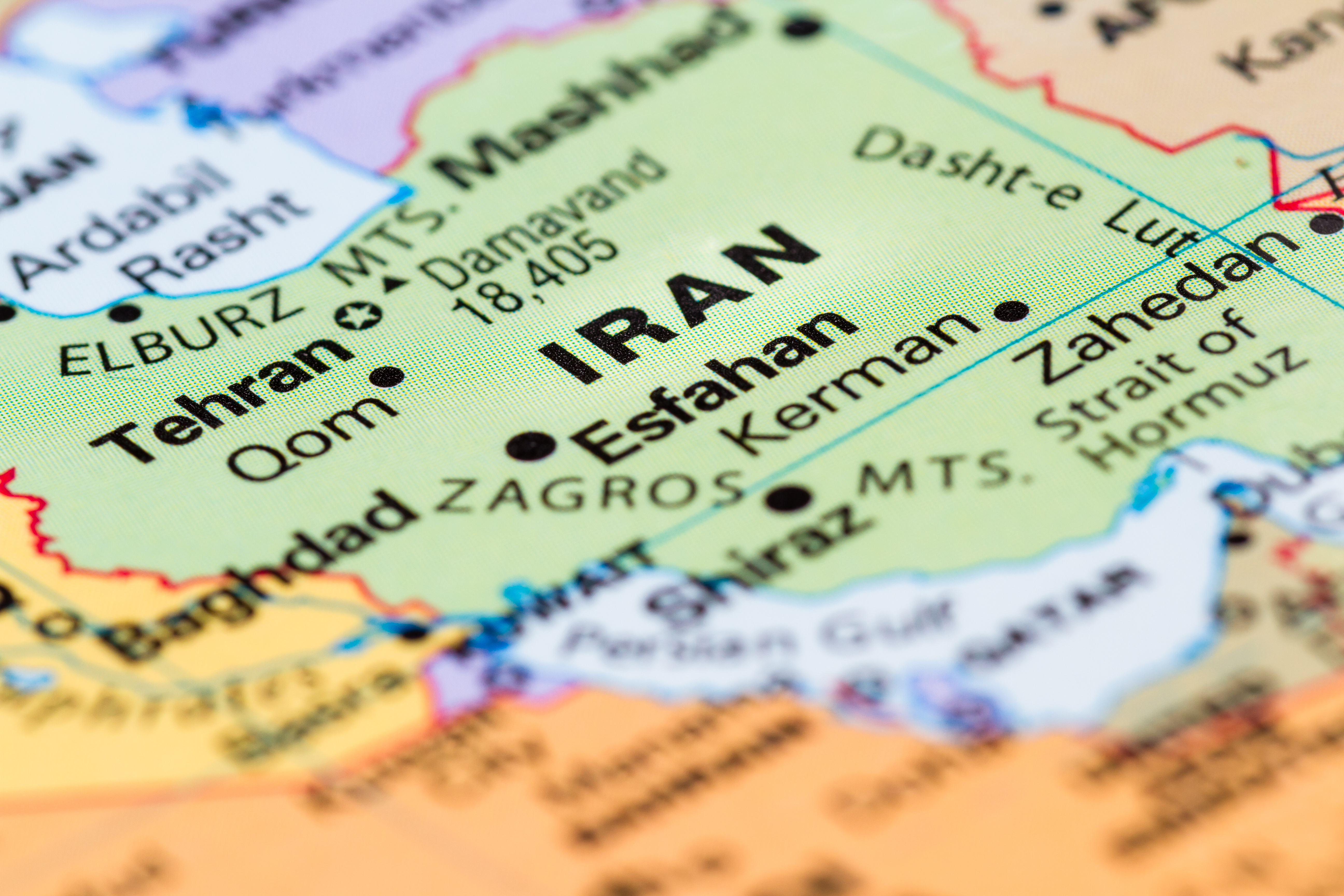
The 2023 rapprochement between Saudi Arabia and Iran, brokered in China, was the blueprint for this new reality. It demonstrated that the Kingdom was willing to bypass the traditional security architecture of the West to achieve a tactical truce. Since then, Riyadh has refined this model. It has positioned itself as the only capital capable of hosting meaningful talks between factions that Washington refuses to recognise or has legally barred itself from engaging with through sanctions. This gives the Kingdom a 'diplomatic monopoly' on the most volatile files in the region.
The Historical Parallel: The Concert of Europe
The current Saudi strategy mirrors the role played by the Austrian Empire under Klemens von Metternich during the 19th-century Concert of Europe. Like Austria then, Saudi Arabia today is a status quo power situated in a volatile geographic centre. It lacks the raw military power to dominate its neighbours entirely, so it instead manages the balance of power to prevent any single actor—including its allies—from triggering a systemic collapse. Metternich’s 'system' relied on constant high-level diplomacy to suppress revolution and war that would threaten the monarchy. Riyadh is applying a 21st-century version of this, using petrodollars instead of dynastic treaties to maintain a fragile, managed peace.
What Most People Miss: The Weaponisation of Neutrality
Most analysts view Saudi Arabia’s recent 'neutrality' as a drift away from the West. This is a misunderstanding of the objective. Riyadh is not leaving the American orbit; it is outgrowing it. By maintaining a functional relationship with the United States while refusing to participate in its regional containment strategies, Saudi Arabia has increased its value to both sides.
Washington now finds itself in a position where it must rely on Saudi channels to pass messages to actors it cannot reach. This creates a reversal of the traditional power dynamic. Instead of the US using Saudi Arabia as a proxy for its interests, Saudi Arabia is using its role as a mediator to force Washington to accommodate Saudi security priorities. The 'Riyal Mediation' is a form of soft power that creates a shield against American pressure on human rights or domestic policy; the West cannot afford to alienate the only actor capable of preventing a total regional conflagration.
Strategic Consequences
The displacement of Washington as the primary arbiter has three profound second-order effects. First, it reduces the efficacy of Western sanctions. If Riyadh decides that regional stability requires the economic reintegration of a sanctioned actor, it has the capital to provide workarounds that the US Treasury finds difficult to police without damaging the core US-Saudi relationship. Second, it accelerates the 'dedollarisation' of regional diplomacy. Negotiations held in Riyadh are increasingly settled through bilateral trade agreements and investment pledges rather than US-led security guarantees.
Third, it creates a new tier of regional hierarchy. Middle-tier powers like the UAE, Qatar, and Turkey must now calibrate their foreign policies not just against Washington’s mood, but against Riyadh’s mediation schedule. The Kingdom has effectively become the regional 'HR department' for conflict management, deciding which grievances are addressed and which are sidelined.
What to Watch
- The Expansion of the IMEC Corridor: Watch for how Saudi Arabia uses the India-Middle East-Europe Economic Corridor as a diplomatic carrot to bind Israel and its neighbours into a Riyadh-centric trade web.
- Riyadh-Moscow Energy Coordination: Any deepening of OPEC+ cooperation that prioritises regional price stability over Western consumer demands signals a further pivot toward autonomous mediation.
- Sovereign Wealth Fund Allocations: Large-scale Public Investment Fund (PIF) entries into Egyptian, Iraqi, or Lebanese infrastructure are the lead indicators of Saudi 'peace-buying' operations.
KJ Verdict
The shift of the Middle East’s diplomatic centre of gravity from Washington to Riyadh is permanent and structural. It is driven by the Kingdom’s need for an environment safe for massive capital investment and facilitated by the United States’ narrowing regional focus. While the US provides the hardware of war, Saudi Arabia now provides the software of peace. This makes the Kingdom more than just an energy provider; it makes them the indispensable manager of the world’s most volatile region. The West must learn to operate in a Middle East where it is no longer the lead architect, but a secondary contractor in a Saudi-designed house.