
China has crossed the Rubicon in the Middle East. For decades, Beijing functioned as a free-rider on the American security umbrella, consuming vast quantities of hydrocarbons while offering little in the way of regional stability. That era is over. The current reality is structural: China is now the primary stakeholder in Middle Eastern peace because its domestic survival depends on it. As the United States pivots its naval assets toward the First Island Chain, Beijing is forced to step into the vacuum, not as a conqueror, but as a pacifier.
The Core Incentive: Energy as Sovereignty
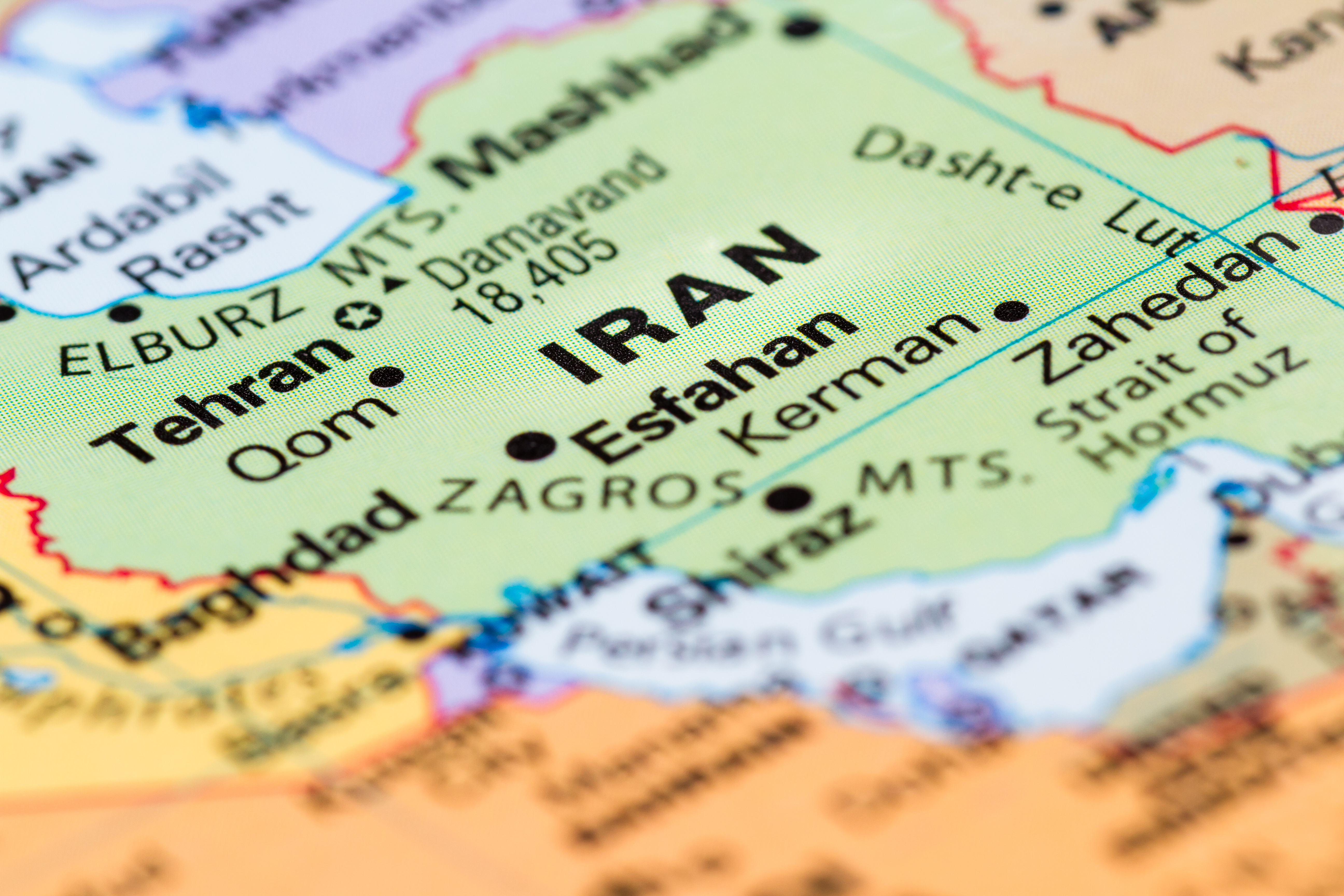
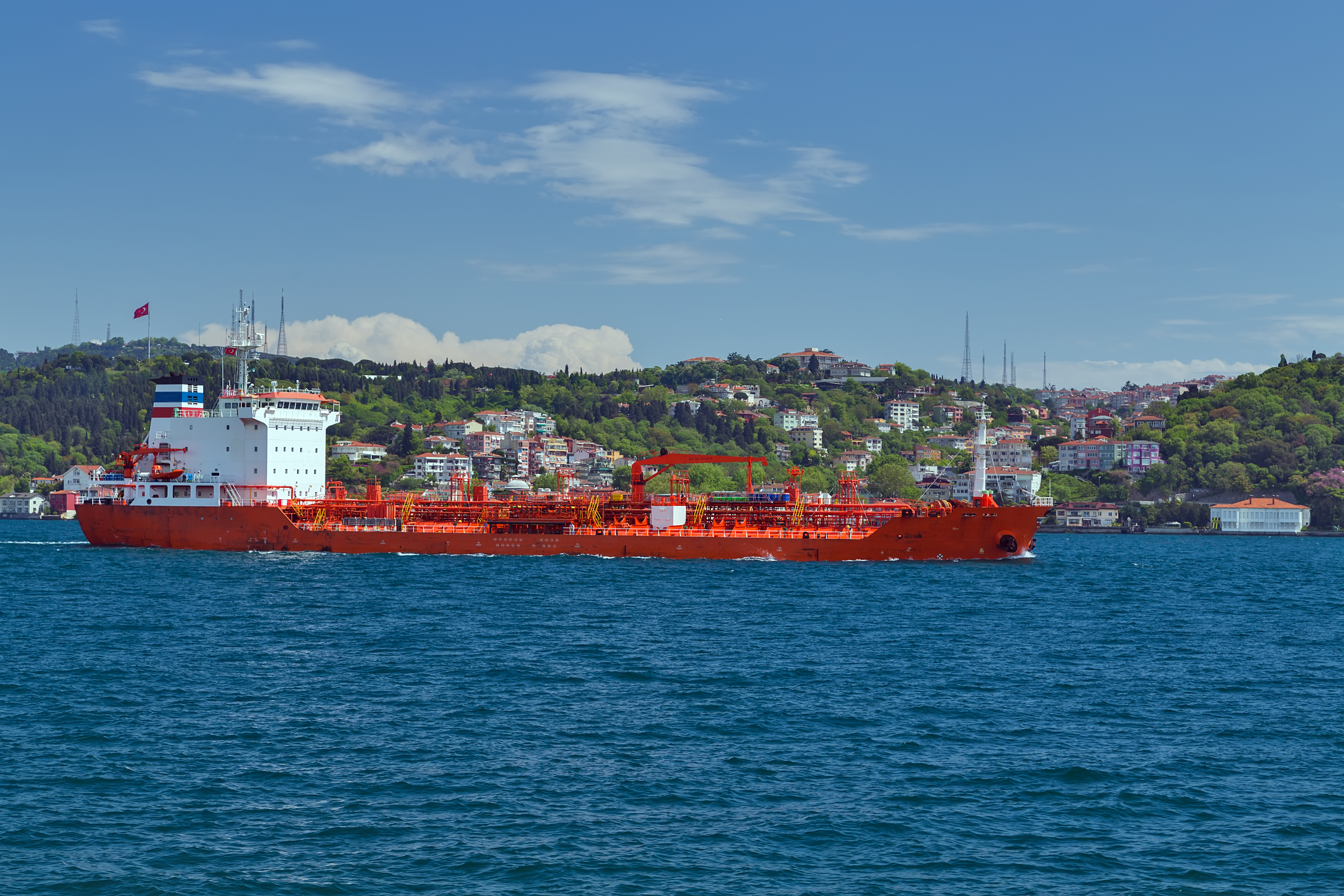
To understand Beijing’s recent diplomatic interventions, one must look at the flow of oil. China imports roughly 75% of its crude oil, and over half of that originates in the Persian Gulf. For the Chinese Communist Party (CCP), energy security is synonymous with social stability. A prolonged disruption in the Strait of Hormuz does not just raise petrol prices in Shanghai; it threatens the industrial heartbeat of the Chinese economy and, by extension, the legitimacy of the party.
The incentive for China is fundamentally different from that of the United States. The US is a net energy exporter with a domestic shale industry. It can afford a chaotic Middle East; in some narrow strategic sense, regional instability that raises global prices even benefits American producers. China has no such luxury. It requires a low-volatility, high-volume environment. This makes Beijing the natural partner for regional powers like Riyadh and Tehran, who are increasingly looking for a mediator that prioritises trade over democratic lecturing.
The Structural Shift: From Customer to Guarantor
We are witnessing the institutionalisation of Chinese influence. The expansion of the BRICS+ framework and the Shanghai Cooperation Organisation (SCO) into the Gulf are not mere symbolic gestures. They are the scaffolding for a post-American security architecture. China is leveraging its position as the largest buyer of both Saudi and Iranian oil to force a functional, if cold, peace between the two rivals.
Beijing’s approach is transactional and non-ideological. Unlike Washington, which historically sought to reshape the region in its own image, Beijing accepts the region as it is. By offering massive infrastructure investments through the Belt and Road Initiative (BRI) and integrated digital grids, China creates a 'web of dependency'. When every major power in the Middle East is indebted to or reliant on Chinese technology and capital, the cost of conflict becomes prohibitively high. China isn't using aircraft carriers to enforce peace; it is using the balance sheet.
Historical Parallel: The Pax Britannica in the Mediterranean
The current situation mirrors the 19th-century British approach to the Mediterranean. Britain did not seek to rule every territory directly, but it required the 'Short Route' to India—the Suez Canal—to remain open at all costs. Like Britain then, China today sees the Middle East primarily as a transit corridor and a resource bank. The British enforced stability through a mixture of naval presence and financial control over the Ottoman Empire. China is replicating this by securing 'port-park-city' models in places like Khalifa Port in the UAE and Duqm in Oman, ensuring that even if the US Navy departs, the infrastructure of trade remains under Chinese influence.
What Most People Miss: The Technology Trap
Most analysts focus on oil barrels, but the real lever of Chinese control is the 'Digital Silk Road'. By installing 5G networks, surveillance systems, and satellite navigation (BeiDou) across the Middle East, Beijing is creating a technological lock-in. Once a nation’s security apparatus and financial systems are built on Chinese hardware, switching costs become astronomical. This gives Beijing a 'kill switch' over regional escalations. If a regional actor threatens the flow of energy to China, Beijing does not need to send troops; it can simply degrade the digital infrastructure the state relies on to function. This is 'soft power' backed by 'hard code'.
Strategic Consequences
The second-order effects of this shift are profound. First, the petrodollar is under terminal pressure. As China settles more energy contracts in Yuan, the US dollar’s role as the global reserve currency weakens, reducing Washington’s ability to use financial sanctions as a primary tool of statecraft. Second, the 'Abraham Accords' era of US-led regional integration is being superseded by a 'Beijing Consensus' that includes Iran, effectively neutralising the US strategy of maximum pressure.
However, this role brings new risks for Beijing. By becoming the guarantor of peace, China inherits the region's ancient grievances. If a major conflict breaks out despite Chinese mediation, Beijing’s reputation as an omnipotent rising power will be shattered. The 'Pacifier' role is a high-stakes gamble that China was forced to take because the alternative—energy strangulation—is an existential threat.
What to Watch
- Yuan-Denominated Energy Futures: Watch for the percentage of Saudi oil sold to China in Renminbi; this is the clearest metric of US decline in the region.
- Naval Base Expansion: Monitor for new Chinese 'logistics facilities' in the Horn of Africa and the Arabian Peninsula beyond Djibouti.
- The Integrated Grid: Look for contracts involving Chinese firms building cross-border electricity and data grids between former rivals.
KJ Verdict
China is not entering the Middle East to be a hegemon in the American sense; it is entering to be a manager. Beijing’s power in the region is derived from its status as the 'indispensable customer'. As long as China remains the world’s factory, it will be forced to police the world’s petrol station. The shift from a US-led security order to a Chinese-led stability order is not a matter of 'if', but a matter of how quickly Beijing can build the financial and digital infrastructure to replace the American carrier group. The result will be a Middle East that is less democratic, but perhaps more stable, under the watchful eye of the Beijing Pacifier.