Geopolitics is rarely about what is said in the negotiating room. It is about what is felt at the fuel pump. For three decades, the West has viewed the Strait of Hormuz as a chokepoint Iran threatens to close in the event of war. This is a misunderstanding of Iranian intent. Tehran does not want to close the Strait; it wants to tax the world for keeping it open.
The Survival Economy
The Islamic Republic is currently managing one of the most complex balancing acts in modern history. Domestically, they face a demographic bulge that demands economic mobility. Externally, they maintain a 'Forward Defence' doctrine that requires billions of dollars in subsidies to proxies across the Levant and the Arabian Peninsula. The math does not add up under $70 oil. Iran does not need a total blockade; it needs a perpetual state of 'calibrated instability'.
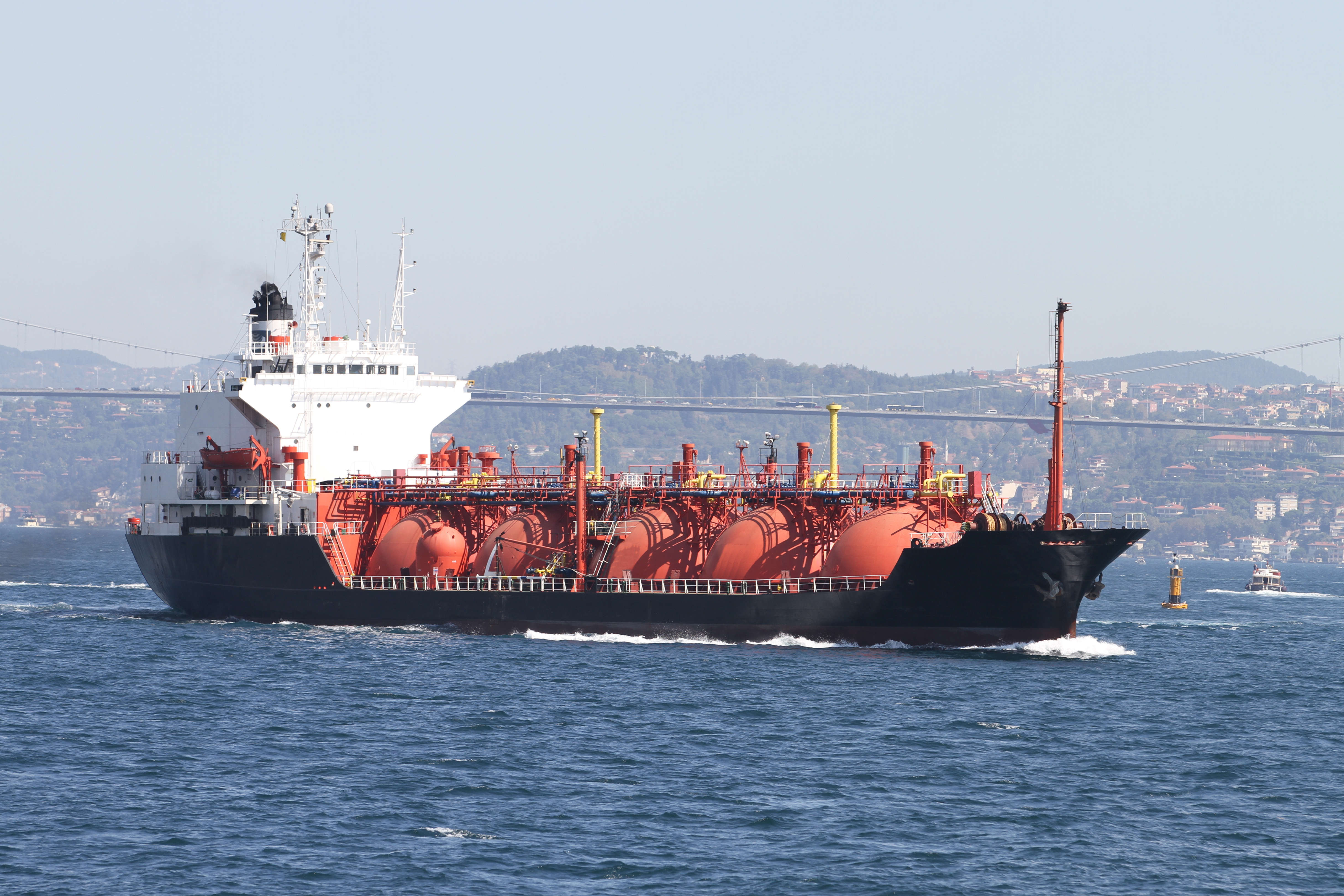
By maintaining a constant rhythm of seizures, drone incursions, and 'gray zone' harassment, Tehran forces a permanent risk premium onto global energy markets. Every time a tanker is harassed, insurance premiums rise and Brent crude ticks upward. For a regime under heavy sanctions, a $10 increase in the global price of oil, facilitated by shadow exports and third-party intermediaries, is worth more than any diplomatic concession offered by Washington or Brussels.
The Architecture of Influence
Power in the Middle East is traditionally measured in tanks and aircraft. In the Iranian model, power is measured in the ability to project cost. Tehran’s strategic depth is not found in its outdated air force, but in its ability to influence the consumer price index in Western capitals. This is the ultimate deterrent. The IRGC understands that while the United States has the military capacity to clear the Strait, the political cost of the resulting price spike—potentially reaching $150 a barrel—is a price no democratic administration is willing to pay.
The 1980s Parallel
History offers a blueprint. During the 'Tanker War' of the 1980s, Iran and Iraq both sought to cripple the other's export capacity. However, the lesson Tehran took from that conflict was not that maritime warfare is futile, but that the international community will eventually intervene to stabilise markets at any cost. Today, Tehran has refined this. Rather than a hot war that invites a total shock, they engage in a low-boil confrontation. They have transitioned from a 'denial' strategy to a 'toll-booth' strategy.
What Most People Miss: The Chinese Factor
Most analysts assume China, as the world’s largest oil importer, would be the first to restrain Iranian aggression in the Gulf. This misses the underlying incentive structure. China benefits from a distracted United States. Furthermore, Beijing buys Iranian crude at a significant discount precisely because of the risks involved. The higher the global benchmark price goes, the more valuable that discount becomes to the Chinese refinery sector. Beijing does not want the Strait closed, but it is perfectly content to see the West pay a 'security tax' while it enjoys discounted, sanctioned energy.
Strategic Consequences
The second-order effects of this leverage are shifting the regional power map. Saudi Arabia and the UAE, once reliant on the US security umbrella, are now forced into a policy of 'de-risking' with Tehran. They realise that if the US cannot or will not prevent price-spiking provocations, they must buy peace directly from the source. We are seeing a gradual shift where the Gulf monarchies are choosing to accommodate Iranian interests to protect their own Vision 2030 infrastructure projects from being collateral damage in a price war.
- Fiscal Breakeven: Tehran’s regional budget requires oil to stay above a specific threshold to maintain the loyalty of the security apparatus.
- Asymmetric Dominance: The cost to launch a $20,000 drone at a tanker is negligible compared to the billions in market value lost in a single day of trading.
- Energy Transition: High prices accelerate the West’s transition to renewables, but in the short-term 10-year window, they provide the oxygen the Islamic Republic needs to survive its current transition of power.
What to Watch
- Insurance Premiums: Watch for the Lloyd’s of London War Risk Council updates; this is the true barometer of Iranian tactical success.
- The Shadow Fleet: Increased activity in ship-to-ship transfers off the coast of Malaysia, which indicates how Tehran is liquifying the price premium.
- OPEC+ Dynamics: Any friction between Riyadh and Tehran regarding production quotas will signal a breakdown in the current 'cold peace'.
KJ Verdict
Tehran is not playing a game of chicken; it is running a sophisticated protection racket. The Strait of Hormuz is not a weapon to be used once, but a lever to be pulled whenever the regime’s treasury runs dry. As long as the world remains tethered to hydrocarbons, Iran holds a vote on the global inflation rate. The real tactical objective is not the destruction of the West, but the extraction of enough margin to ensure the regime survives another decade. The world is not paying for oil; it is paying for the Islamic Republic’s longevity.