The Death of the Oil-for-Security Pact
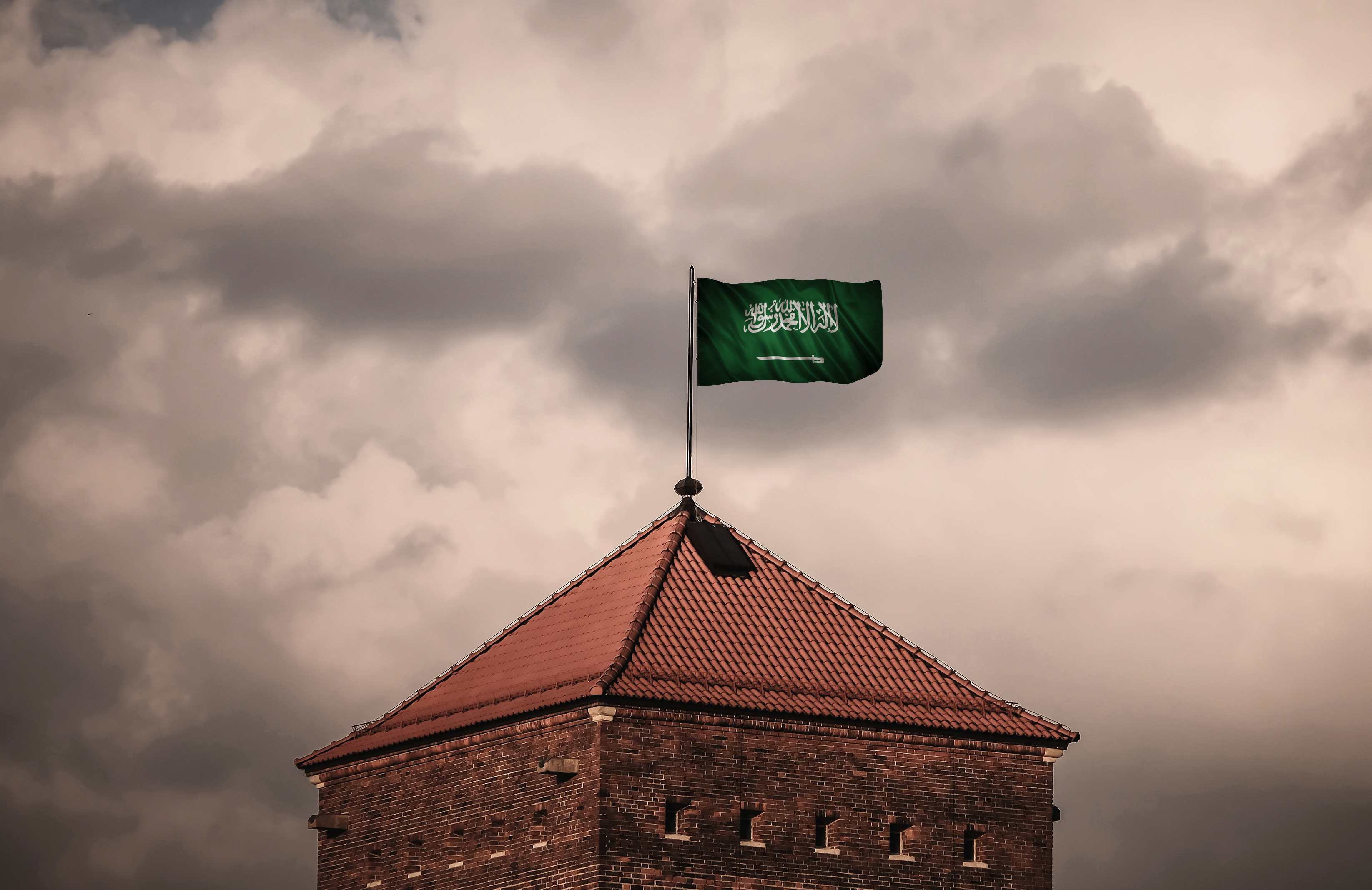
For eight decades, the relationship between Riyadh and Washington was the bedrock of Middle Eastern stability. The bargain was simple: Saudi Arabia guaranteed the flow of energy to global markets, and the United States guaranteed the survival of the House of Saud. That era has ended. As of late 2026, we are witnessing the final stages of a deliberate Saudi decoupling. Riyadh is no longer seeking a better deal with Washington; it is seeking a world where it no longer requires one.
This shift is driven by a singular, cold incentive: the preservation of Vision 2030. For Crown Prince Mohammed bin Salman, the existential threat to the Kingdom is no longer a physical invasion by a regional rival, but the failure of his economic transformation project. To ensure the success of this domestic overhaul, Saudi Arabia requires two things the U.S. can no longer reliably provide: absolute regional de-escalation and a non-partisan, long-term security guarantee that does not fluctuate with every American election cycle.
The Incentive of Strategic Autonomy
The logic of Riyadh’s isolationism is rooted in the volatility of the American political system. The Kingdom has watched the U.S. oscillate between isolationist rhetoric and interventionist impulses across three successive administrations. From the Saudi perspective, the U.S. security umbrella has become a liability. To rely on it is to tether the Saudi economy to the whims of a divided Congress and the shifting priorities of the Pentagon.
By diversifying its security partnerships—engaging with Beijing for missile technology and Moscow for energy market coordination—Riyadh is creating a multi-polar insurance policy. The goal is to reach a state of "strategic autonomy" where Saudi Arabia acts as the indispensable hub of the Middle East, dealing with all powers but beholden to none. This is not a move toward the East, but a move toward the Centre.
The Risk of Entanglement
Washington’s regional policy often requires its allies to take sides in a way that creates friction. For Saudi Arabia to become a global tourism and logistics hub, it cannot afford to be the frontline of a U.S.-led containment strategy against Iran or China. Every time a U.S. drone strike or a naval skirmish occurs in the Gulf, the risk premium on Saudi investments rises. By distancing itself from the U.S. military apparatus, Riyadh is effectively lowering its own geopolitical insurance rates.
Historical Parallel: The British Withdrawal from East of Suez
The current situation mirrors the British withdrawal from "East of Suez" in the late 1960s. At that time, the United Kingdom, burdened by economic strain, informed its Gulf allies that it could no longer sustain its military presence. The local monarchies were forced to adapt, leading to the formation of the UAE and the modern security architecture of the region. Today, the roles are reversed. It is the client, Saudi Arabia, that is initiating the withdrawal, having concluded that the patron’s presence is no longer worth the political and economic cost.
What Most People Miss: The Technology Transfer
Most analysts focus on the volume of arms sales as a measure of the U.S.-Saudi relationship. They miss the shift from procurement to production. Saudi Arabia is no longer interested in simply buying American fighter jets; they want the intellectual property to build their own defence industry. When Washington refuses to share high-end technology due to congressional oversight, Riyadh looks elsewhere. The decoupling is not just about who provides the tanks, but who owns the code that runs them. Saudi Arabia is leveraging its capital to force technology transfers from South Korea, Turkey, and China, creating a domestic military-industrial complex that reduces the leverage of the U.S. State Department.
Strategic Consequences
The second-order effects of this decoupling will reshape the global order. First, the petrodollar is no longer the sacred cow it once was. As Riyadh trades more in Yuan and Euros, the structural link between the US dollar and global energy begins to fray. Second, the regional balance of power will shift from military deterrence to economic interdependency. The Saudi-Iran rapprochement, brokered by China, is a testament to this: Riyadh believes it can buy peace more effectively than it can fight for it.
Finally, the U.S. loses its primary lever of influence in the Middle East. Without the security dependency, Washington has little to offer the Kingdom that it cannot get elsewhere. This forces the U.S. to choose between a smaller, more focused regional footprint or a costly and unpopular increase in unilateral military capability.
What to Watch
- The Saudi-China Defence Forum: Watch for announcements regarding joint production of advanced unmanned aerial vehicles (UAVs) and satellite surveillance systems.
- Nuclear Hedging: Any movement toward a domestic Saudi uranium enrichment capability, likely with non-U.S. assistance, will signal the final breach of the old security pact.
- Vision 2030 Capital Flows: If Saudi sovereign wealth funds begin significant divestment from U.S. Treasuries in favour of emerging market infrastructure, the economic decoupling is complete.
- Red Sea Security: The formation of a Saudi-led naval task force that excludes the U.S. Navy would be the ultimate sign of military independence.
The KJ Verdict
Saudi Arabia is not abandoning the West; it is outgrowing it. The Kingdom has calculated that the American security umbrella is now a sunshade that blocks the light of global investment. By decoupling from Washington’s military orbit, Riyadh is betting that it can manage its own backyard through economic gravity rather than ballistic force. It is a high-stakes gamble that assumes China and Europe can provide the technical and diplomatic support necessary to replace American hegemony. If the gamble pays off, the House of Saud will emerge as the sovereign pillar of a new, multi-polar Middle East. If it fails, they will have traded a flawed protector for a chaotic vacuum.