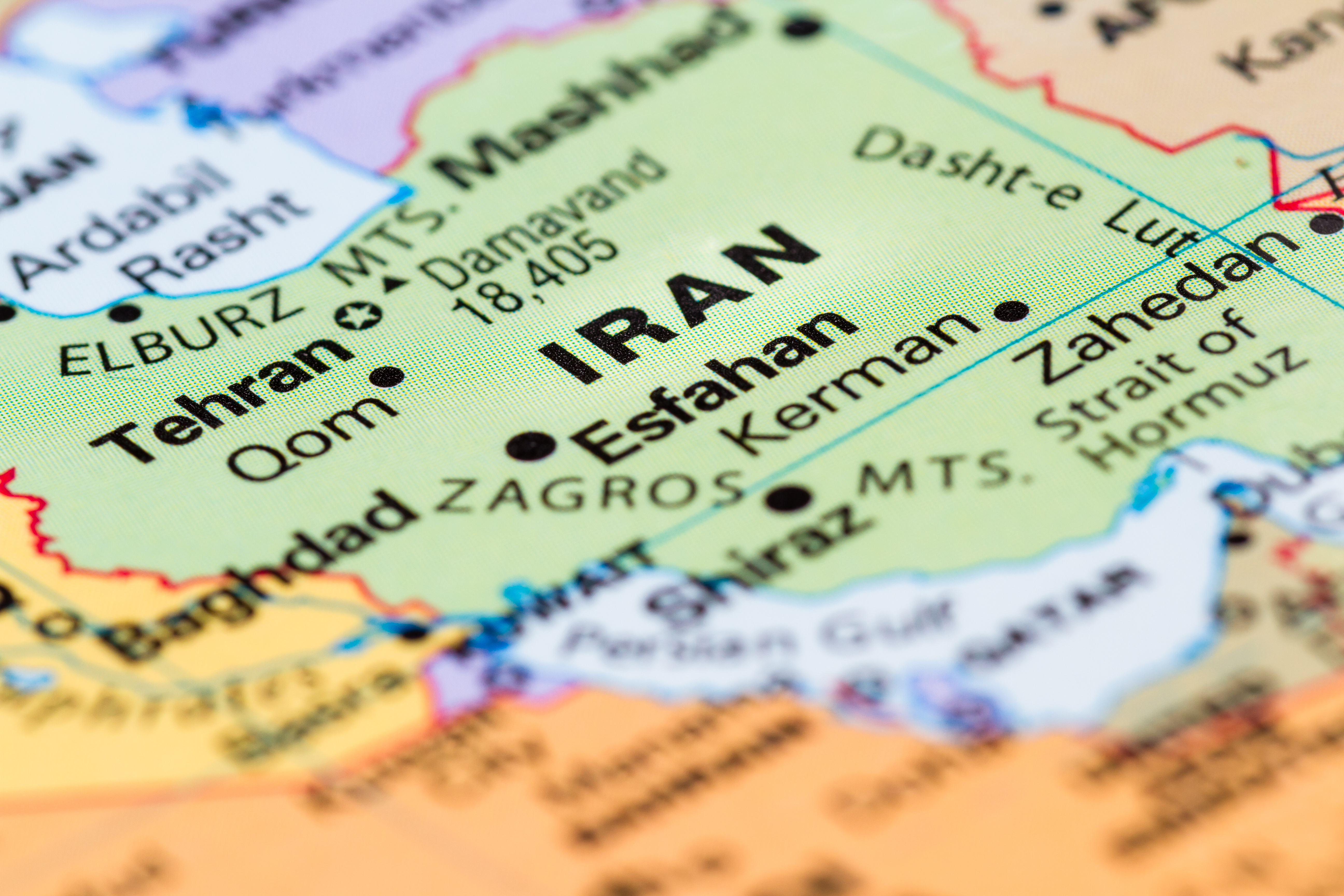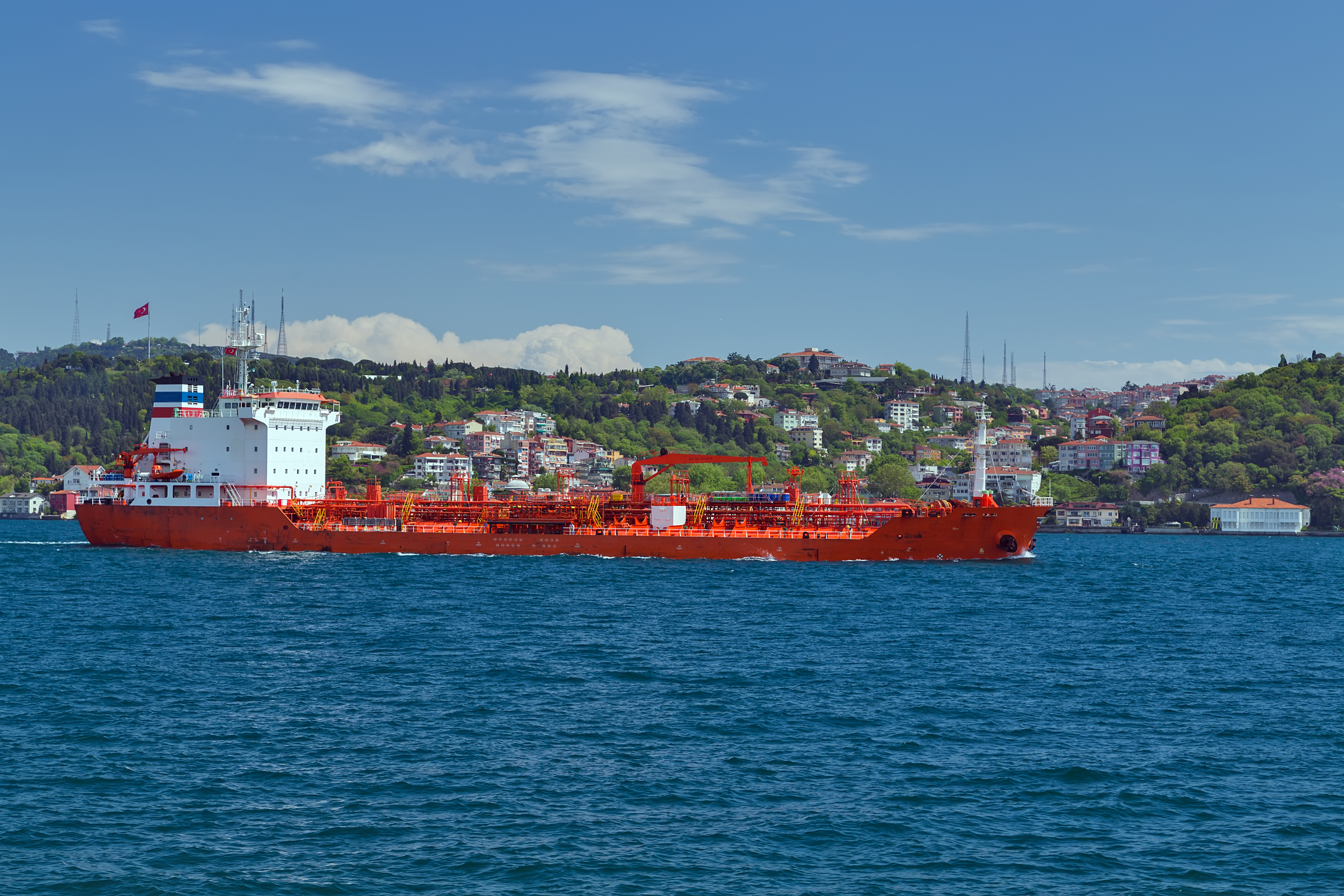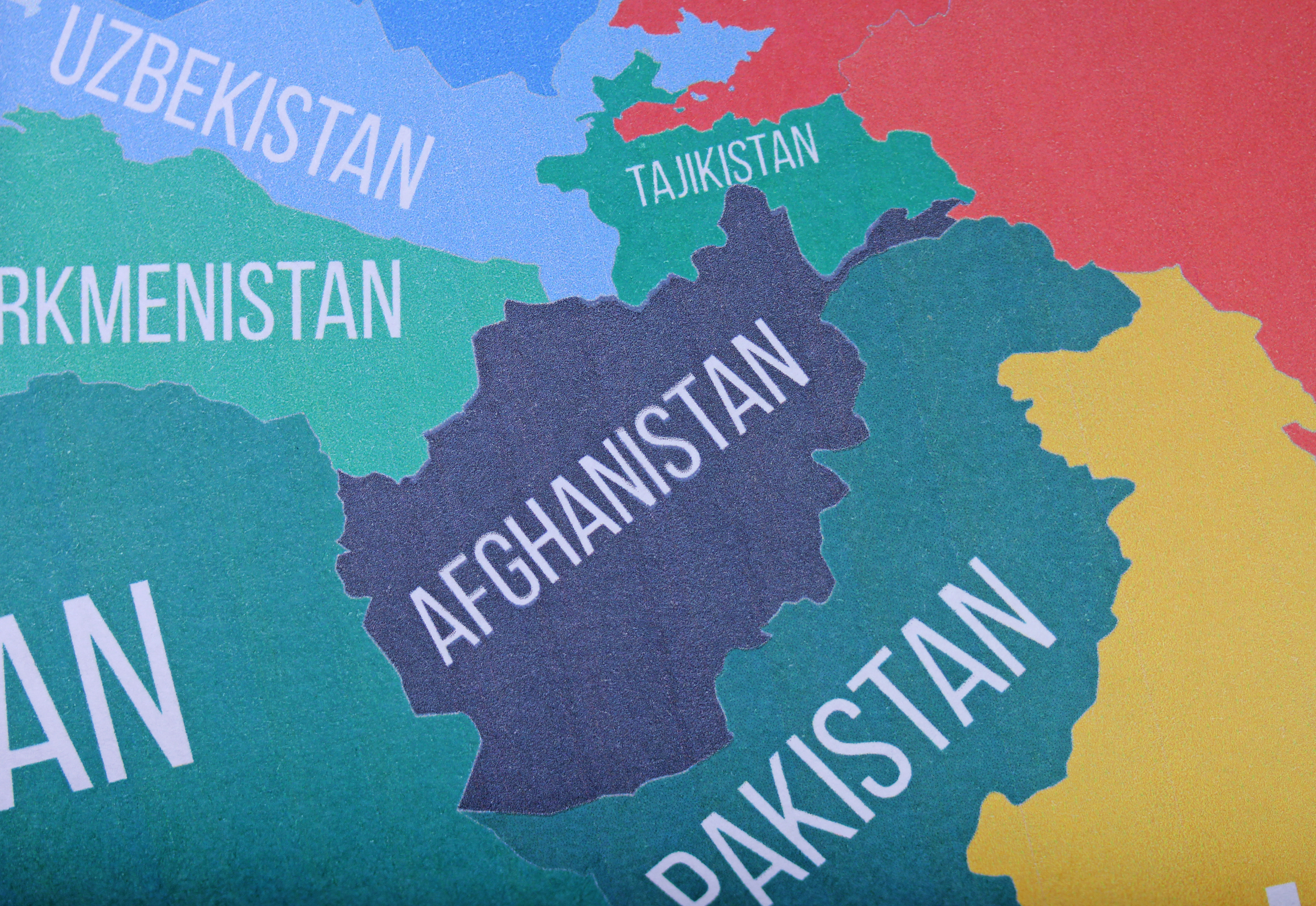
Geography is no longer a neutral platform for trade; it is a live weapon. For a century, the primary function of naval power was to ensure the freedom of navigation. Today, that logic has inverted. Mid-tier powers have discovered that they do not need a blue-water navy to project global influence. They only need to control a few square miles of water. By leveraging land-based missiles, cheap drones, and sovereign jurisdiction over narrow straits, these states have turned maritime chokepoints into the new currency of asymmetric diplomacy.
The Death of Freedom of Navigation
The traditional maritime order relied on a single, uncontested guarantor. When the United States Navy could credibly threaten any actor disrupting the flow of goods, the cost of a blockade was total destruction. That deterrent has eroded. The proliferation of anti-access/area-denial (A2/AD) technology means that a nation with a GDP smaller than a mid-sized European city can now hold 20 per cent of global energy supplies hostage. This is not about winning a war; it is about raising the cost of intervention to a level that the global economy cannot sustain.
We are seeing the rise of the "Geographic Arbitrageur." These are states like Iran, Yemen's Houthi factions, or Malaysia and Indonesia in a hypothetical scenario involving the Malacca Strait. They understand that the global supply chain is built on just-in-time delivery and razor-thin margins. A three-day delay at a chokepoint does not just raise insurance premiums; it triggers a cascade of industrial failures in distant capitals. This gives the mid-tier power a seat at the table that their economic or military weight would otherwise never afford them.
The Incentive Structure of Disruption
Why choose a blockade over traditional diplomacy? The incentive is rooted in the decoupling of power from responsibility. In a multipolar world, the consequences for regional disruption are no longer binary. If a mid-tier power closes a strait, the international community does not react with a unified front. Instead, it fractures. China may prioritise its energy security, Europe its consumer prices, and the US its security commitments. The blockading power exploits these fractures to extract specific concessions—sanctions relief, sovereign recognition, or regional hegemony.
The Historical Parallel: The 1967 Straits of Tiran
To understand the current shift, look back to the Six-Day War. Egypt’s closure of the Straits of Tiran to Israeli shipping was a classic exercise in using geography to force a strategic hand. However, in 1967, the response was a swift, decisive conventional war. Today, the technology has changed the calculus. An Egyptian closure of the Suez Canal in the 2020s would not be met with a simple tank battle; it would be defended by layers of shore-to-ship missiles that make a conventional naval approach prohibitively expensive. The defensive advantage has outpaced the offensive capability of traditional navies.
What Most People Miss: The Insurance Trap
Most analysts focus on the physical blocking of ships—sunken vessels or minefields. This misses the real mechanism of the modern blockade: the Lloyd’s of London factor. A mid-tier power does not need to sink every ship; it only needs to hit one. Once a chokepoint is declared a high-risk zone, insurance premiums skyrocket or coverage is withdrawn entirely. The blockade is effectively enforced not by a navy, but by the risk-aversion of global capital. The mid-tier power is essentially hacking the financial architecture of global trade to achieve a military objective without firing a shot at the majority of its targets.
Strategic Consequences
- The End of the Global Commons: Maritime routes are being treated as sovereign territory rather than shared infrastructure, leading to a Balkanisation of trade.
- Reshoring and Redundancy: Corporations are no longer just looking for the cheapest labour; they are looking for the shortest, least interrupted route, accelerating the trend towards regionalisation.
- The Rise of Land Corridors: We are seeing an urgent, desperate pivot toward rail and road projects, such as the International North-South Transport Corridor (INSTC), as states seek to bypass maritime vulnerability.
What to Watch
- Insurance Premiums: Watch the Joint War Committee’s list of high-risk areas. If a new strait appears on this list, a diplomatic crisis is already in its advanced stages.
- Drone Proliferation: The sale of long-range loitering munitions to states bordering the Cape of Good Hope or the Sunda Strait is a leading indicator of future leverage plays.
- Energy Storage: Strategic reserves in importing nations are a direct measure of their fear of chokepoint diplomacy. Higher reserves equal less leverage for the blockader.
"The most powerful weapon in the 21st century is not the nuclear missile, but the ability to stop a container ship without being blamed for the global recession that follows."
KJ Verdict
The era of undisputed maritime transit is over. We have entered a period of 'Gated Globalisation,' where passage through the world’s veins is a privilege negotiated with regional gatekeepers, not a right guaranteed by a superpower. For the mid-tier power, the blockade is the ultimate equaliser—a way to force the giants to listen by putting a thumb on the carotid artery of global commerce. Expect more 'accidental' disruptions and 'regulatory' closures as these states test the limits of what the West is willing to pay for peace.