The strategic equilibrium of the Indian Ocean is undergoing a quiet but fundamental realignment. While global attention remains fixed on the South China Sea, a more subtle integration is occurring in the waters stretching from the Bay of Bengal to the Bab el-Mandeb. Moscow is no longer merely a merchant of hardware to New Delhi; it is becoming a structural pillar of Indian maritime endurance. This integration, centred on the modernised Kilo-class submarine fleet and joint maintenance hubs, represents a calculated Russian pivot to the "Warm Waters" that have eluded its grasp for centuries. The result is a new layer of complexity for Western planners and a significant shift in how regional power is projected.
The Architecture of Dependency
For decades, the Indo-Russian defence relationship was transactional. India bought, Russia delivered. That era has ended. The current phase is defined by deep technical integration. Under the latest maritime agreements, Russia is establishing dedicated maintenance, repair, and overhaul (MRO) facilities on Indian soil. These are not merely workshops; they are sovereign enclaves of Russian technical expertise that ensure the Indian Navy’s silent service—the backbone of its sea-denial strategy—remains operational without returning to the Baltic or Pacific ports.
The incentive for New Delhi is clear: strategic autonomy. By anchoring Russian technical support locally, India reduces its vulnerability to Western sanctions or political pressure. For Moscow, the benefit is even greater. In exchange for technology transfers, Russia gains guaranteed access to Indian logistics hubs. This provides the Russian Navy with the ability to sustain a permanent presence in the Indian Ocean for the first time since the Cold War, bypassing the logistical nightmare of the Mediterranean and the Suez Canal.
Geography and the Silent Deterrent
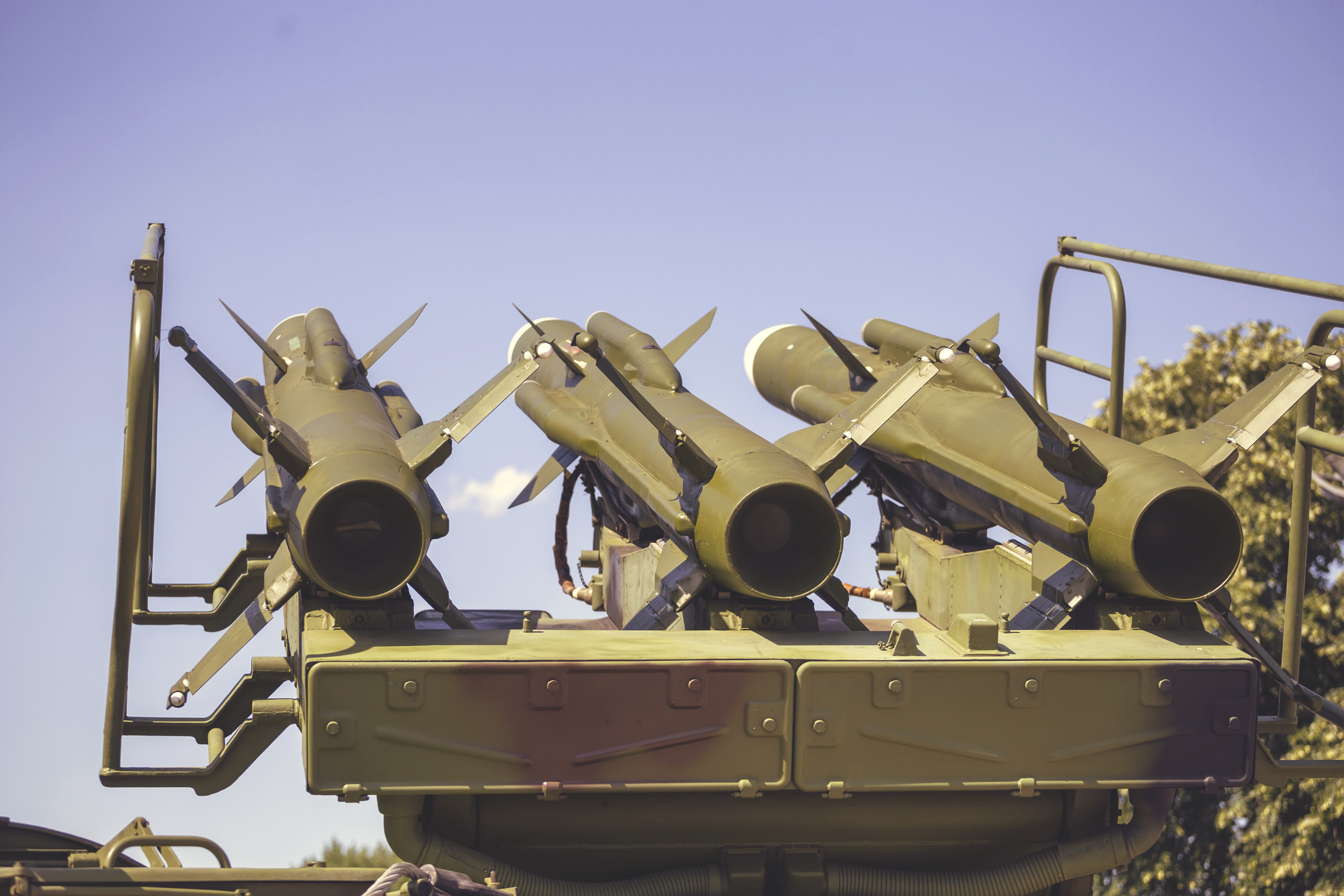
The Kilo-class submarine remains the most significant variable in this equation. Despite the age of the original design, the latest Project 636.3 variants are among the quietest diesel-electric boats in existence. Their integration into the Indian fleet, equipped with BrahMos supersonic cruise missiles, creates a formidable "anti-access/area denial" (A2/AD) bubble. This is not aimed at a single adversary, but rather at ensuring that any external power—be it the United States or China—must think twice before entering India's immediate maritime sphere of influence.
Geography dictates that the Indian Ocean is a series of chokepoints. By positioning Russian-supported assets near the Malacca Strait and the Persian Gulf, New Delhi and Moscow are effectively co-managing the world’s most critical energy arteries. This is not a formal alliance, but a convergence of necessity. Russia needs a reliable partner to bypass Western isolation; India needs a partner that will provide high-end military technology without the lecture on human rights or democratic norms that often accompanies Western deals.
The 1971 Parallel: History Repeating?
To understand the current trajectory, one must look back to the 1971 Indo-Soviet Treaty of Peace, Friendship, and Cooperation. During the Bangladesh Liberation War, the arrival of the Soviet Pacific Fleet in the Bay of Bengal deterred US and British intervention. Today, we see a sophisticated, 21st-century version of this arrangement. While there is no formal treaty obligating mutual defence, the level of industrial and naval interoperability achieved in the last twenty-four months creates a de facto mutual dependency. If the Russian technical backbone in India were to fail, the Indian Navy’s subsurface capabilities would degrade within months. This ensures that regardless of who sits in the Prime Minister’s Office in Delhi, the link to Moscow remains a structural reality.
What Most People Miss: The Third-Party Effect
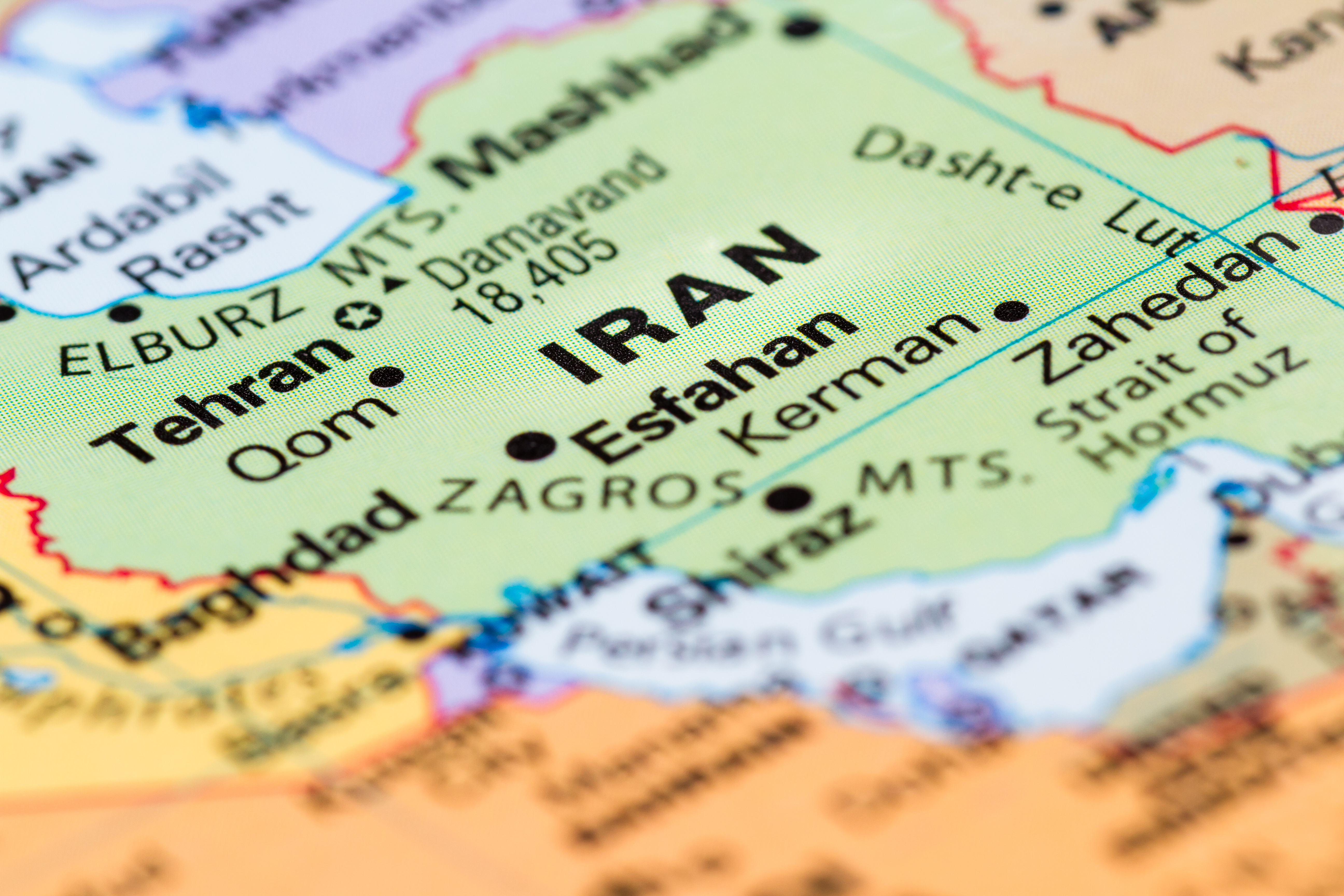
Most analysts view this through the lens of the US-India-China triangle. They miss the third-party effect on middle powers like Iran and the Gulf States. Russian naval integration with India provides a "middle path" for these nations. If India becomes the regional hub for Russian naval technology, countries like Iran or even Saudi Arabia can engage with Russian military power through an Indian filter. This dilutes the impact of Western sanctions and creates a secondary market for Russian hardware and expertise that is shielded by India’s massive economic gravity. It effectively turns the Indian Ocean into a zone where Western financial and diplomatic leverage is significantly weakened.
Strategic Consequences: The End of Hegemony
The primary second-order effect is the erosion of the "Indo-Pacific" as a purely Western-led construct. The Quad (US, Japan, Australia, India) was built on the assumption that India would eventually migrate toward Western standards and systems. The Kilo-class pivot suggests the opposite. India is diversifying, but its most critical, high-end capabilities remain tethered to Russian engineering. This creates a "glass ceiling" for Western interoperability. The US Navy cannot fully integrate with an Indian Navy that shares its most sensitive engine and sonar data with Russian technicians. This structural friction serves Moscow’s interests perfectly, ensuring that India remains a swing state rather than a Western ally.
What to Watch
- The Vizag Hub: Monitor the expansion of submarine MRO facilities in Visakhapatnam. Any increase in permanent Russian technical staff here is a lead indicator of deepening dependency.
- The Port Sudan Connection: Watch for joint Indo-Russian naval exercises in the Red Sea. This would signal that the partnership is moving from coastal defence to power projection at the world’s most critical chokepoints.
- Engine Technology Transfers: Pay close attention to the transfer of marine gas turbine technology. If Russia shifts production to India, it marks the point of no return for Indian maritime self-reliance.
- The BrahMos-II Deployment: The successful integration of hypersonic missiles onto Russian-designed hulls in the Indian Navy will signify a leap in deterrence that the West currently has no active counter for in the region.
The KJ Verdict
The integration of Russian naval power into the Indian Ocean is not a temporary marriage of convenience; it is a structural realignment driven by the hard realities of geography and the survival instincts of both Moscow and New Delhi. For India, it is the price of strategic autonomy—accepting a Russian technical yoke to avoid a Western political one. For Russia, it is a lifeline that ensures it remains a global player despite the war in Ukraine. The West must accept that the Indian Ocean will not be a Western lake, but a multipolar arena where Russian technology and Indian geography form an unbreakable, and often impenetrable, barrier. The era of undisputed maritime primacy in South Asia has effectively ended.