The Death of Geographic Buffer
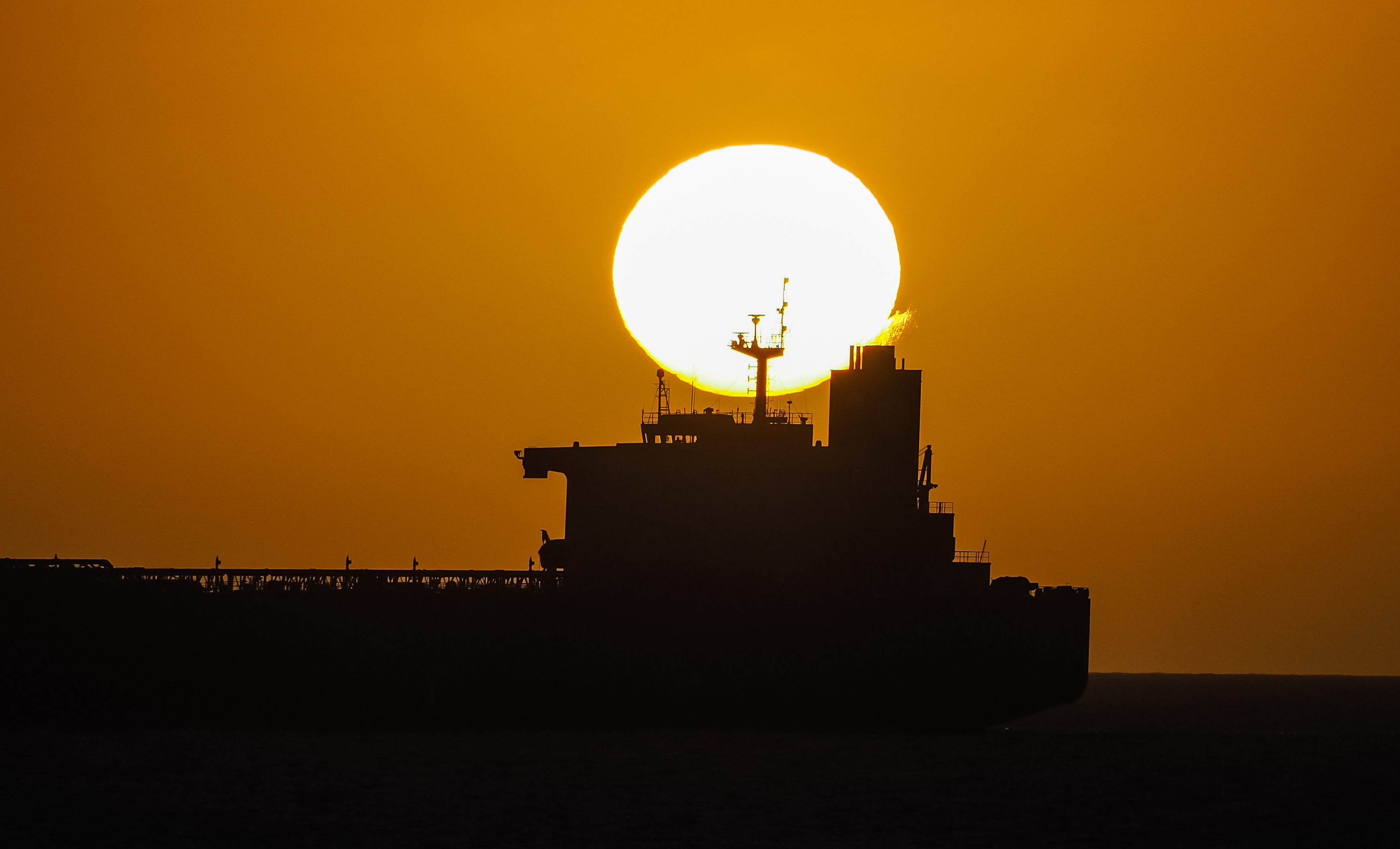
The institutionalisation of NATO maritime escorts in the Strait of Hormuz marks the end of the Middle East as a self-contained security subsystem. For decades, Western powers treated the Mediterranean and the Persian Gulf as distinct theatres, separated by the Suez Canal and the Red Sea. Today, that buffer is gone. What we are witnessing is the birth of a unified West-Asian maritime corridor where a security breach in the Gulf of Oman triggers immediate, automated military and economic consequences in the North Atlantic. The escort mission is not a temporary stabilisation measure; it is a permanent structural integration of European defence into Iranian-dominated waters.
The Incentive of Constant Friction
Why has this happened now? The answer lies in the changing nature of asymmetric warfare. Regional actors, led by Tehran and its network of proxies, have successfully demonstrated that they can hold the global economy hostage at low cost using one-way attack munitions and sub-surface drones. For NATO, the incentive is survival. The European Union relies on the stability of this artery for energy and trade. However, the paradox of the escort trap is that by deploying permanent assets to secure the flow, NATO has provided its adversaries with a static, high-value target set. The presence of the ships creates the very vulnerability it is intended to solve.
The Logistics of Entanglement
Europe’s leading naval powers—the United Kingdom, France, and Italy—now find their limited hulls permanently committed to a 'picket line' thousands of miles from their home ports. This is a forced redistribution of power. By tying down the Royal Navy and the Marine Nationale in the Gulf, the southern flank of the Mediterranean is left increasingly thin. This suits Moscow and Beijing, both of whom benefit from the dilution of Western naval density in the Atlantic and the South China Sea. The Mediterranean and the Gulf have become two ends of the same stick; if you pull one, the other moves.
A Historical Parallel: The 19th Century Lifeline
In the 1880s, the British Empire viewed the Suez Canal as the 'spinal cord' of its global influence. To protect it, Britain was forced into an ever-expanding series of interventions in Egypt, Sudan, and eventually the Levant. Each intervention was intended to be 'limited' and 'temporary.' Instead, the necessity of securing the route created a permanent administrative and military burden that drained the metropole. We are seeing a 21st-century digital-age version of this. NATO is being drawn into a 'policing' role that has no defined exit criteria because the technological cost of disruption has fallen so low that the threat can never be fully extinguished.
What Most People Miss
The standard analysis focuses on oil prices. This is a mistake. The real disruption isn't the price of crude—it is the insurance and risk-premium architecture of global shipping. By providing state-sponsored escorts, NATO is effectively subsidising the global shipping industry, absorbing the costs that private insurers refuse to take. This creates a moral hazard: commercial vessels continue to transit dangerous waters because the taxpayer is footed with the bill for their protection. Furthermore, the integration of Gulf security into NATO’s mandate allows regional powers like Saudi Arabia and the UAE to 'outsource' their primary security headaches to the West, freeing up their own resources for internal transformation and regional competition.
Strategic Consequences
- The Erosion of Neutrality: Middle Eastern states that previously played both sides (Washington and Beijing) are finding it harder to remain ambiguous as NATO hardware becomes a permanent fixture in their territorial waters.
- The Drone Arms Race: The constant presence of Western destroyers provides a live laboratory for Iranian and militia drone developers. Every encounter is a data-gathering exercise for the adversary to refine their swarm tactics.
- European Overstretch: Continental powers with little historical presence in the Gulf are now on the hook for a conflict they do not control. A skirmish in the Strait of Hormuz could now trigger a domestic political crisis in Berlin or Madrid.
What to Watch
- The 'Base-ification' of Ports: Watch for long-term lease agreements in Oman and the UAE for NATO-flagged logistical hubs; this signals the move from 'mission' to 'station.'
- The Sub-surface Transition: As surface escorts become vulnerable to swarms, watch for the deployment of autonomous underwater vehicles (AUVs) as the new standard for escorting tankers.
- Insurance Premiums: If Lloyd’s of London begins to mandate NATO escorts for 'Red' zone transits, the trap is fully closed.
The KJ Verdict
The unification of the Mediterranean and the Gulf into a single theatre is a strategic masterstroke for those who wish to see Western power overextended. By committing to a permanent escort role, NATO has accepted a defensive posture that is reactive, expensive, and geographically fixed. The West has traded its greatest asset—manoeuvrability—for a static policing role in a theatre where the adversary holds the home-field advantage. The 'Escort Trap' ensures that any spark in the Middle East will now immediately ignite a fire in the heart of European security councils. The two seas are now one, and the cost of maintaining that bridge will only rise.