The Invisible Pillar
The survival of the Russian Federation’s internal economy is no longer determined in Moscow or on the battlefields of Eastern Europe. It is determined in the boardroom of Reliance Industries and the refining hubs of Gujarat. Since the escalation of the conflict in Ukraine and the subsequent isolation of Russian energy from G7 markets, India has transitioned from a peripheral customer to the indispensable middleman of the global energy order. This is not merely a trade relationship; it is a structural arbitrage that prevents the total collapse of the rouble and the disintegration of the Russian state’s social contract.
As of late 2026, the data indicates that India processes nearly 40 percent of Russia’s seaborne Urals crude. By laundering this oil into refined products—diesel, jet fuel, and naphtha—for re-export to the very European markets that banned the raw material, New Delhi has created a closed-loop system. This system provides Russia with the hard currency required to fund its domestic obligations while providing the West with a politically convenient way to keep global inflation from exploding. If India stopped buying today, the Russian economy would enter a terminal liquidity crisis within ninety days.
The Incentive of Strategic Autonomy
To understand why New Delhi persists despite Western diplomatic pressure, one must look at the primary incentive: the modernisation of the Indian state. For Prime Minister Modi’s administration, cheap Russian energy is a massive fiscal subsidy. It lowers the cost of logistics, reduces the import bill, and allows the government to divert capital toward domestic manufacturing and infrastructure. In the cold calculus of Indian geopolitics, the morality of the European war is secondary to the developmental needs of 1.4 billion people.
Furthermore, India views this as the ultimate expression of 'Strategic Autonomy'. By refusing to align with the US-led sanctions regime, India signals its status as a pole in a multipolar world. It is leveraging its geography to become the gatekeeper of Eurasian energy flows. For Russia, the incentive is even more existential. With the loss of the Nord Stream pipelines and the permanent pivot of the European Union toward American LNG, Russia has no other large-scale outlet capable of absorbing its production. India is not just a partner; it is the only viable exit strategy.
The Historical Parallel: The Cold War Bridge
We have seen this dynamic before, albeit in a different theatre. During the 1970s and 80s, India’s 'Rupee-Rouble' trade allowed the Soviet Union to bypass Western financial constraints while giving India access to heavy industrial technology and military hardware. The current oil arbitrage is a 21st-century digital-age version of that same bridge. Historically, India has always functioned as the vent through which isolated Eurasian powers breathe. The lesson of history is that India rarely chooses sides; it chooses the middle, as the middle is where the greatest economic rents are collected.
What Most People Miss: The Refining Bottleneck
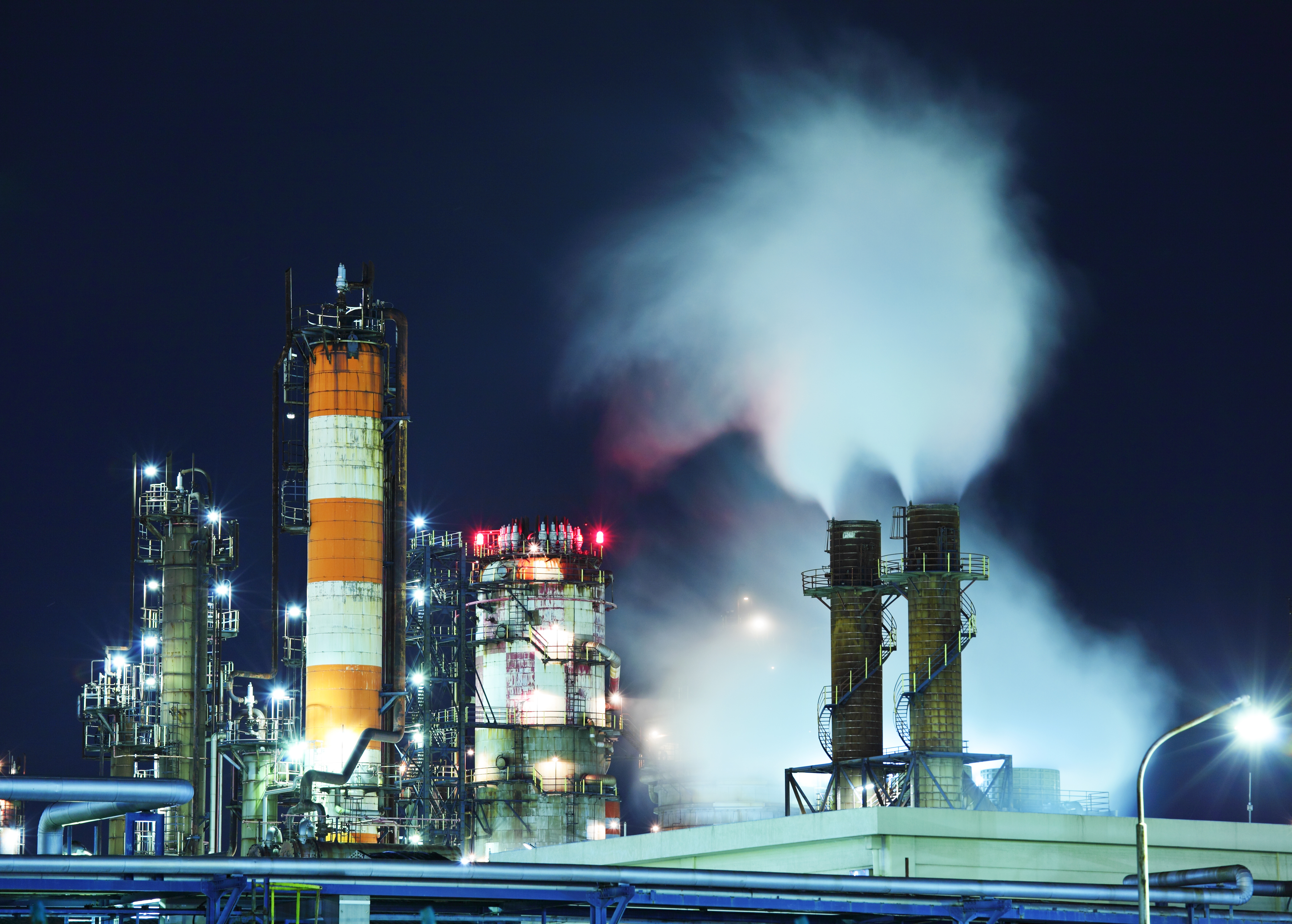
The common narrative focuses on the sale of crude oil. This misses the crucial second-order effect: the refining bottleneck. Russia lacks the sophisticated refining capacity to convert its own crude into the high-spec fuels required by modern global markets. Europe, conversely, has shut down much of its refining capacity in a pivot toward green energy. India has spent two decades building the world’s most advanced and largest refining complexes, such as Jamnagar.
India is not just buying oil; it is selling a service that Russia cannot perform for itself and that the West no longer wants to do. This makes the relationship asymmetrical. Russia is now structurally dependent on Indian infrastructure. If New Delhi decided to demand a 50 percent discount tomorrow, Moscow would have to accept it. The power in this relationship has shifted entirely from the seller to the processor. India is now the senior partner in the bilateral relationship, a fundamental reversal of the Cold War hierarchy.
Strategic Consequences
The first consequence is the 'de-dollarisation' of energy, but not in the way many enthusiasts predict. While some trade is settled in Dirhams or Yuan, the vast majority of the profit stays within the Indian banking system, often reinvested into Indian government bonds or infrastructure projects by Russian entities who have nowhere else to put the money. This creates a captive capital pool for India.
The second consequence is the erosion of Western sanctions as a viable tool of statecraft. When a nation as large as India provides a structural workaround, the efficacy of financial isolation drops to near zero. This forces the West into a 'blind eye' policy; they must allow the arbitrage to continue to prevent a global oil price spike that would unseat their own governments. The result is a hollowed-out sanctions regime that exists in name but is circumvented by design.
What to Watch
- The G7 Price Cap Revision: Watch for any shift in the 'Refining Rule'. If the West attempts to sanction refined products based on the origin of the crude, the India-West relationship will hit a breaking point.
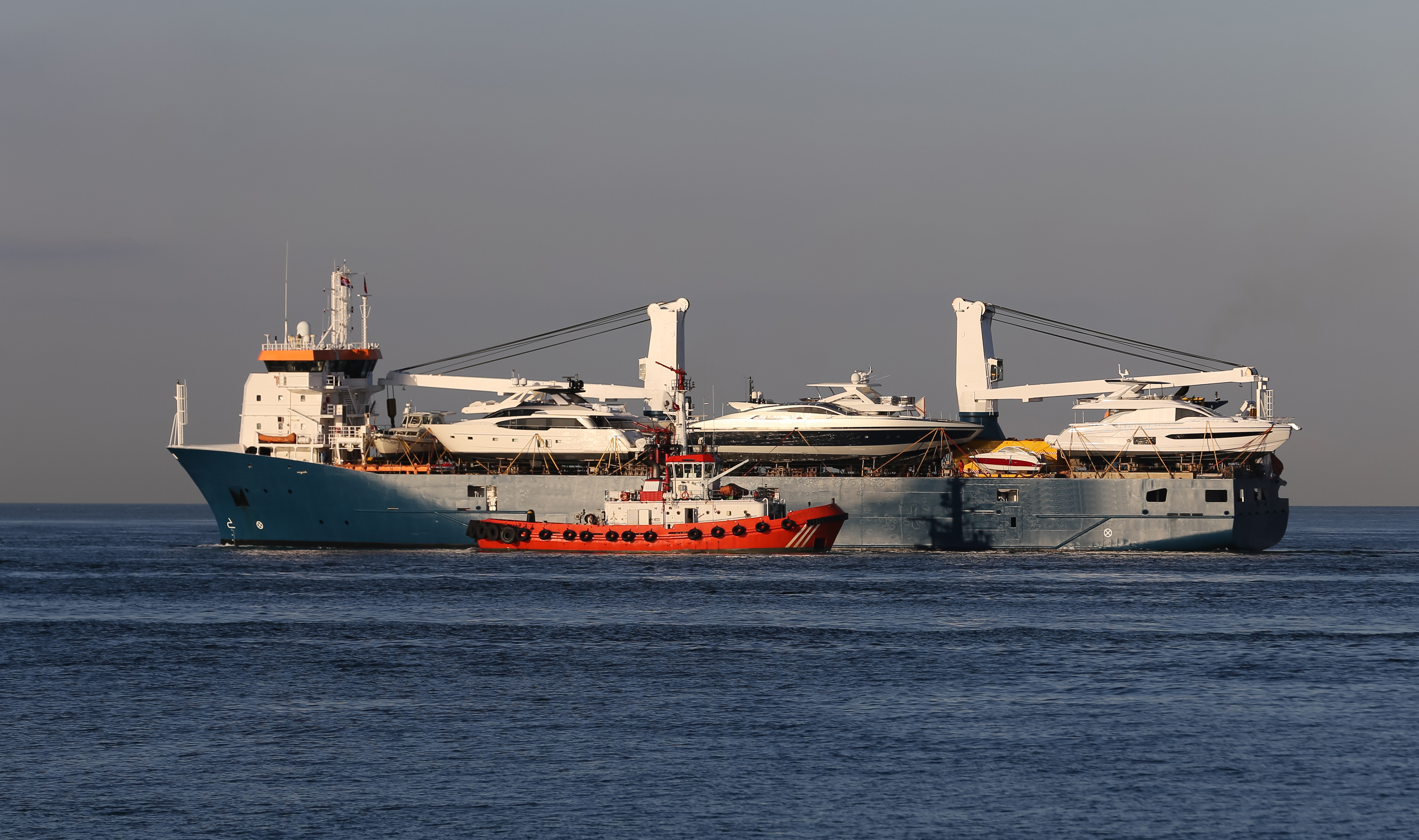
- Insurance and Shipping: Monitor the growth of the 'Shadow Fleet'. The more Russia and India develop their own P&I insurance and tanker fleets, the less leverage the London and New York financial hubs retain.
- BRICS Currency Settlement: Any move toward a unified digital settlement system between the Reserve Bank of India and the Russian Central Bank will signal the permanent decoupling of this trade from the SWIFT network.
The KJ Verdict
The Indian oil arbitrage is the single most important stabilising force for the Russian state budget. While the West provides the weapons to Ukraine, India provides the liquidity that keeps the Russian home front from fracturing. New Delhi is not being 'difficult'; it is being rational. By positioning itself as the indispensable processor of Eurasian energy, India has secured its own economic growth while ensuring that neither the West nor Russia can afford to alienate it. This is the new geography of power: the processor, not the producer, now holds the whip hand.