The Illusion of Control
For forty years, Middle Eastern stability rested on a single premise: the United States could manage regional tensions through a policy of containment. By balancing Israeli military superiority against Iranian proxy networks, Washington sought to keep the 'cold war' of the Levant from turning hot. That era is finished. According to current reporting from War on the Rocks and Diana’s Wednesday, the shift from shadow warfare to direct kinetic strikes between Tehran and Jerusalem marks the final failure of the American shield. We are no longer witnessing a flare-up; we are witnessing the birth of a new, post-American security order defined by direct attrition.
The Current Situation
Current intelligence indicates a precarious regional environment. According to reporting from Diana’s Wednesday, Israel continues to execute strikes within Lebanon while Iran weaponises its geographic leverage over the Strait of Hormuz. These actions have placed a fragile ceasefire at risk, exposing deep political fault lines that have been decades in the making. While KPBS Evening Edition notes that international attention is partially diverted by domestic events like the World Cup and localised infrastructure issues, the structural reality in the Middle East is one of intensifying escalation. The shaky diplomatic frameworks intended to prevent a wider conflagration are proving insufficient against the local incentives for total victory.
The Structural Failure of Containment
Containment failed because the incentives for the primary actors changed. Historically, the United States provided a security guarantee to its allies that was designed to be defensive. However, this guarantee created a moral hazard. Jerusalem calculated that it could push further against Iranian assets, assuming Washington would always provide the kinetic and diplomatic cover to prevent a full-scale Iranian response. Simultaneously, Tehran calculated that the American appetite for a third major Middle Eastern war was non-existent. Over time, these two calculations converged to erode the 'fear' that once kept the peace.
The current 'hot war' is the result of Iran achieving 'strategic depth' through missile proliferation and drone technology. Once Iran proved it could penetrate Israeli airspace with volume, the psychological barrier of the Iron Dome was diminished. Power in the Middle East is not measured by who has the best technology, but by who has the highest tolerance for pain and the most consistent presence on the ground. Washington has the former, but no longer the latter. The American withdrawal from the role of 'regional policeman' has left a vacuum that neither the Abraham Accords nor European diplomacy can fill.
A Historical Parallel: The 1914 Paradox
The current situation mirrors the lead-up to the First World War, specifically the collapse of the Concert of Europe. Like the 19th-century powers, modern actors in the Middle East are bound by a web of formal and informal alliances that were meant to deter war but now serve to automate it. When the 'stabiliser' (Great Britain then, the US now) loses the will or the ability to enforce the status quo, local disputes over perceived security threats quickly transform into existential struggles. Just as the assassination in Sarajevo triggered a system-wide collapse because the balancing mechanisms were brittle, a single strike on Iranian nuclear infrastructure or an Israeli population centre now bypasses all 'off-ramps'.
What Most People Miss: The Strait of Hormuz Leverage
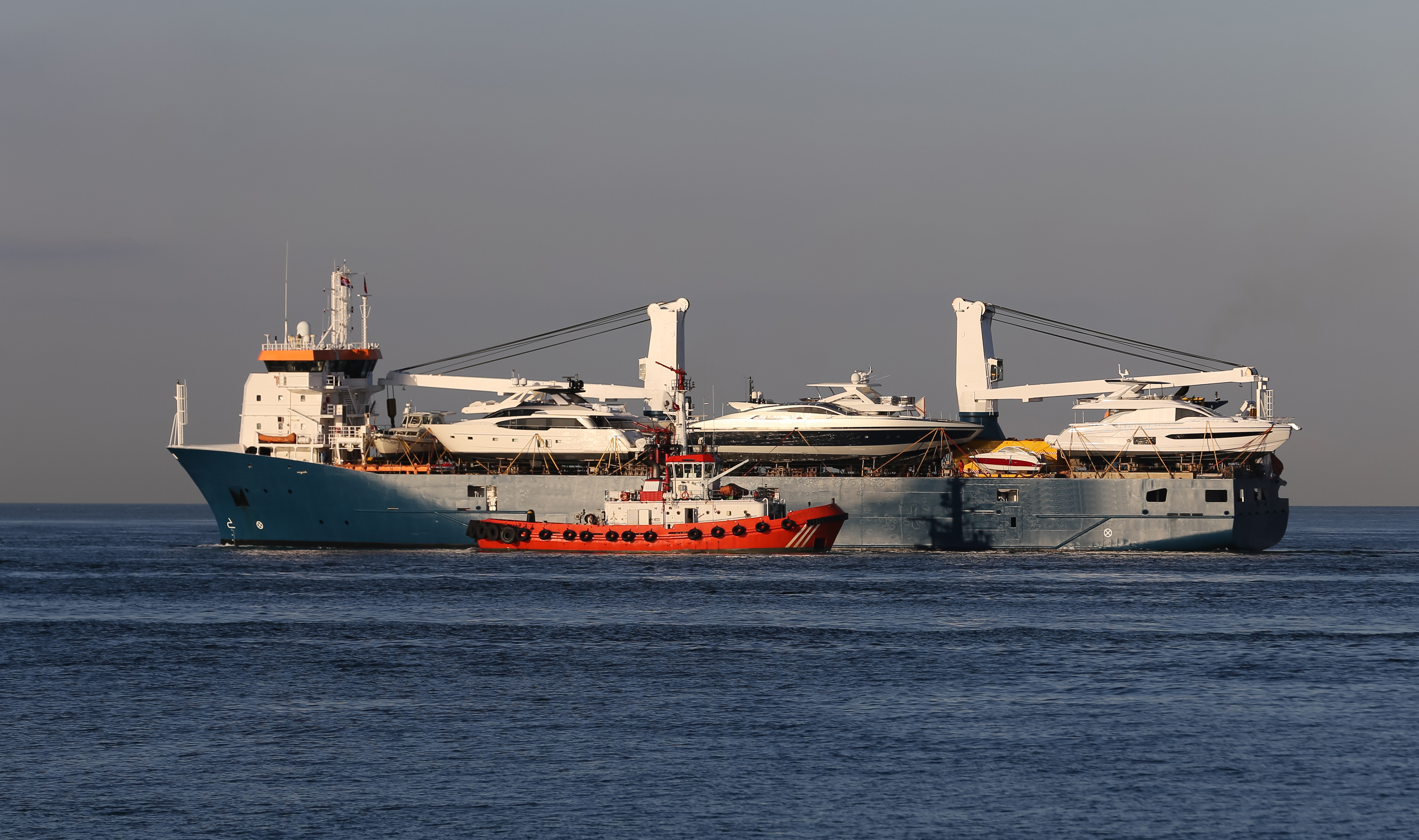
Most analysis focuses on the missile exchanges in the Levant. What is often overlooked is the second-order effect of Iran’s maritime strategy. According to reports from Diana’s Wednesday, Iran is increasingly using the Strait of Hormuz as a strategic throttle. By threatening the world’s primary energy artery, Tehran isn't just fighting Israel; it is conducting a form of economic warfare against the global West. The goal is to force a choice: allow Iran regional hegemony, or accept a global energy depression. This is not a military tactic; it is a geopolitical ultimatum. The 'shield' of American naval dominance is being tested not by a superior fleet, but by the asymmetric reality that it is easier to block a strait than it is to keep it open indefinitely.
Strategic Consequences
- The End of the Proxy Era: We have moved past the age where Iran hides behind Hezbollah or the Houthis. Direct state-on-state strikes are the new baseline, significantly raising the risk of nuclear escalation.
- Energy Volatility as the New Normal: As long as the Strait of Hormuz remains a contested battlefront, global oil prices will carry a permanent 'conflict premium', regardless of production levels in the Americas or Africa.
- The Rise of Middle Powers: States like Turkey and Saudi Arabia are no longer looking to Washington for their security blueprints. They are hedging, building their own domestic arms industries, and engaging in 'minilateral' diplomacy with Beijing and Moscow.
What to Watch
- The Attrition Rate of Interceptor Missiles: Israel's defence depends on a finite supply of expensive interceptors. Watch for a sustained Iranian 'saturation' strategy designed to empty the silos.
- Iranian Domestic Resilience: If the Iranian public blames the regime for the economic fallout of the blockade, Tehran may escalate further to rally nationalistic support.
- CentCom Deployment Patterns: Watch whether US carrier strike groups remain in the Eastern Mediterranean or are pulled back to protect global shipping lanes. Their positioning reveals Washington's true priority.
The KJ Verdict
The 'Shattered Shield' is not a temporary lapse in American diplomacy; it is a permanent shift in the global power map. The Middle East has returned to a natural state of multipolar competition where local actors determine the terms of engagement. For thirty years, the world operated under the assumption that an American 'red line' was an immovable object. The Iran-Israel hot war has proven it is a ghost. Investors, policymakers, and citizens must now prepare for a region where stability is won through the balance of terror rather than the assurance of a superpower. The era of containment is dead, replaced by an era of consequence.