The New Map of Levantine Power
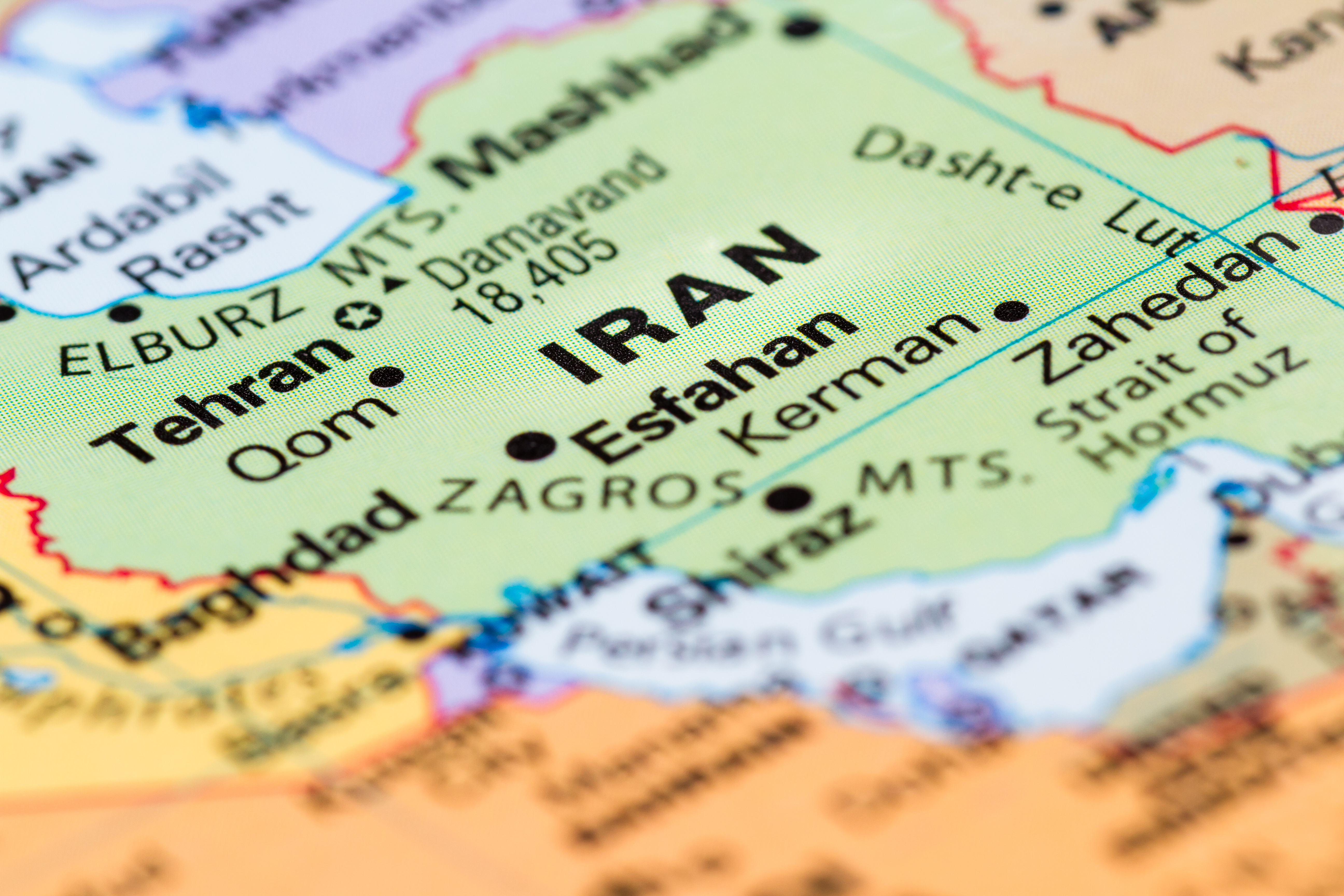
The rehabilitation of the Kirkuk-Baniyas pipeline system is not a mere infrastructure project; it is a geopolitical realignment. For decades, Iraq has functioned as a captive market and a transit corridor for Iranian influence. Today, the reversal of that flow represents the most significant structural challenge to Tehran’s 'Land Bridge' strategy since 2003. By moving crude directly to the Mediterranean, Baghdad is attempting to solve its existential dependency on the Strait of Hormuz while simultaneously stripping Iran of its primary lever of economic coercion over the Levant.
We must look past the technical feasibility hurdles. The incentives have shifted. For Iraq, this is about sovereignty and the preservation of the state. For the West and regional Arab powers, it is about formalising a neo-containment strategy that uses steel pipes and crude oil rather than just sanctions and proxies. Power in the Middle East is fundamentally liquid; he who controls the direction of the flow controls the political architecture of the region.
The Core Incentive: Survival through Diversification
Iraq’s dependence on the Strait of Hormuz is its greatest strategic vulnerability. Nearly 90% of Iraq’s government revenue relies on oil exports, the vast majority of which must pass through the narrow chokepoint controlled, at least in part, by the Islamic Revolutionary Guard Corps (IRGC). This creates a paradox: Iraq’s economic survival is physically mediated by the very power—Iran—that seeks to integrate Iraq into its own resistance axis.
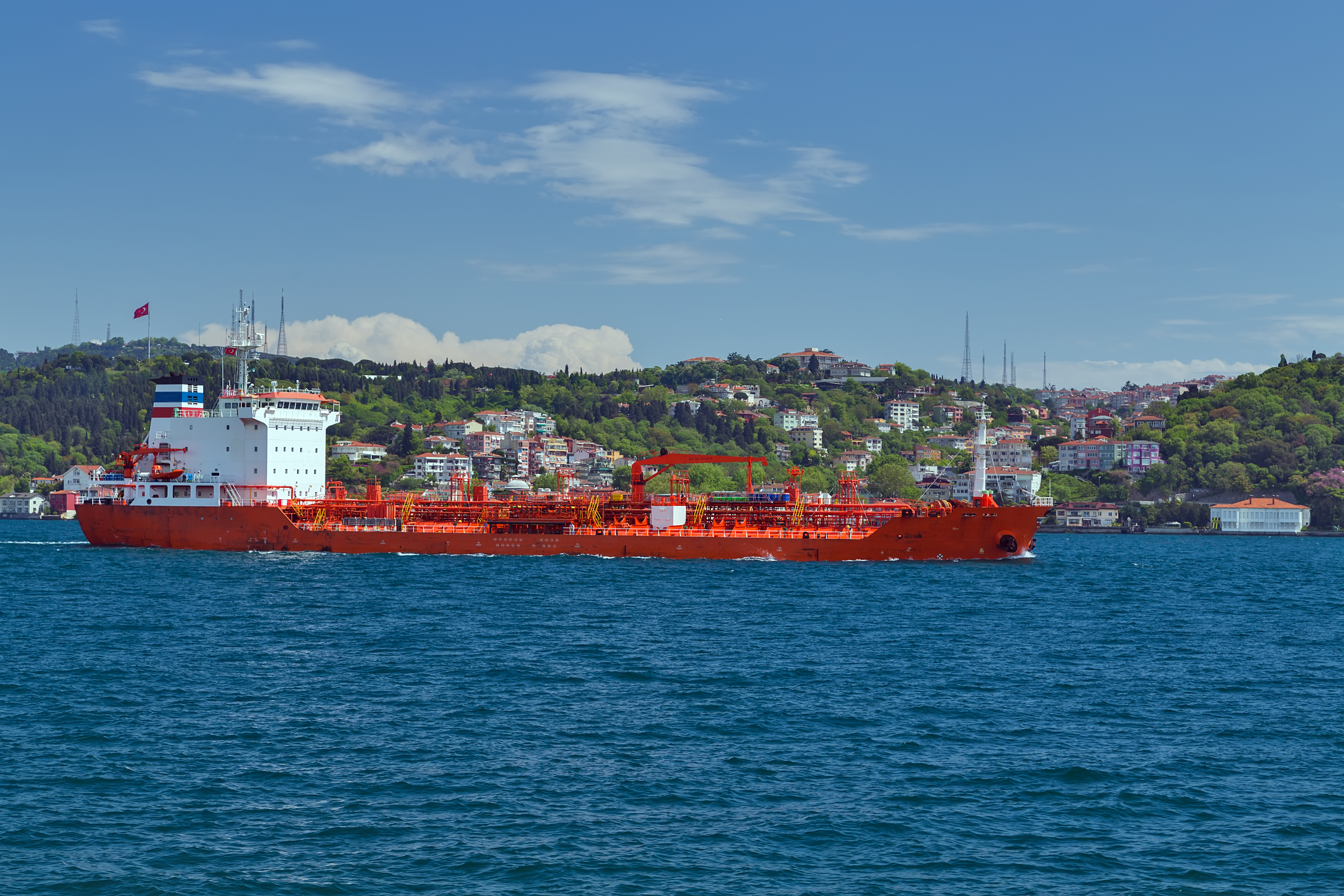
The revival of the Syrian route changes the calculus. By establishing a high-capacity outlet at the port of Baniyas, Iraq gains a permanent alternative. This reduces the efficacy of Iranian threats to close the Strait of Hormuz as a tool of regional blackmail. When Iraq no longer fears a total economic blackout during a maritime crisis, its political class gains the breathing room to pursue policies that do not require Tehran’s prior approval. The pipeline is the physical manifestation of strategic autonomy.
The Second-Order Effect: Syrian Normalisation
This project necessitates a pragmatic, if uncomfortable, engagement with Damascus. The incentives for the Syrian government are purely financial. Starved of foreign currency and energy security, Damascus views the transit fees and 'payment in kind' oil as a lifeline. However, the catch for Tehran is significant. As Syria becomes a transit hub for Iraqi oil destined for European and Mediterranean markets, its interests begin to diverge from those of Iran.
A Syria that depends on Iraqi transit revenue is a Syria that is less likely to allow its territory to be used as a battlefield between Iran and Israel, if such a conflict threatens the pipeline. The Levant Artery creates a commercial layer of stability that complicates Iran's ability to maintain Syria as a purely military outpost. It introduces a competing interest: the interest of the treasury.
Historical Parallel: The TAPLINE Logic
We have seen this script before. The Trans-Arabian Pipeline (TAPLINE) in the mid-20th century was designed to link the Arabian Peninsula to the Mediterranean. It was more than a commercial venture; it was a stabilizer that tied the interests of disparate states—Saudi Arabia, Jordan, Lebanon, and Syria—to a single, vulnerable, yet highly profitable thread. When the flow stopped, the political influence of the supplier in those transit states evaporated. The Iraq-Syria revival seeks to replicate this, but with a modern twist: it is designed to replace an ideological bond with a commercial one, effectively 'buying' the neutrality of the Levant.
What Most People Miss: The Technology of Surveillance
Conventional wisdom holds that the pipeline is too vulnerable to sabotage by ISIS remnants or Iranian-backed militias to be viable. This misses the technological shift in pipeline Security. The current revival incorporates automated pressure sensors, drone-integrated monitoring, and rapid-response technical teams. More importantly, it creates a 'protection incentive' for local tribes. By allocating a percentage of transit wealth to the security of the corridor, Baghdad converts potential saboteurs into stakeholders. The threat of kinetic disruption is high, but the economic cost of such disruption has been raised to an intolerable level for the locals who live along the route.
Strategic Consequences
The most immediate loser in this scenario is Iran. Tehran’s strategy relies on Iraq remaining an economic satellite. If Iraq successfully exports 1.5 million barrels per day through Syria, Iran loses its grip on Iraq’s central bank and its ability to use Iraq as a clearinghouse for its own sanctioned oil. Furthermore, the European Union, seeking to permanently decouple from Russian energy, finds a new, stable partner in Baghdad, further integrating Iraq into the Western economic sphere.
The second-order consequence is the marginalisation of the Kurdish KRG route. By moving oil through Syrian territory rather than Turkey, Baghdad reasserts federal control over the country’s most valuable resource, effectively ending the era of 'independent' Kurdish oil diplomacy. This strengthens the central state in Baghdad, making it a more formidable regional actor.
What to Watch
- The Port of Baniyas Expansion: Watch for Chinese or Emirati investment in the Syrian Mediterranean coast; infrastructure upgrades here are the leading indicator of the pipeline's operational readiness.
- Tribal Security Pacts: Monitor agreements between Baghdad and the clans in Anbar and Deir ez-Zor; these are the true guarantors of the flow.
- The Iranian Response: Look for 'technical' delays or increased militia activity in the Middle Euphrates River Valley as Tehran attempts to raise the insurance premiums on the project.
The KJ Verdict
The Iraq-Syria pipeline is the most potent weapon currently deployed against Iranian regional overreach because it is not a weapon at all—it is a market reality. Diplomacy and sanctions are ephemeral; infrastructure is permanent. By anchoring the Iraqi economy to the Mediterranean, Baghdad is physically pulling itself out of the Persian Gulf’s sectarian gravity well. This is not about the end of Iranian influence, but the end of Iranian monopoly. The Levant Artery formalises a new map where Baghdad is a bridge, not a backyard. Expect the resistance to be fierce, but the structural incentives for Iraq to succeed are now too great to ignore.