The Logic of Incitement
The Taliban’s refusal to recognise the Durand Line is not a mere hangover of Afghan history. It is a calculated instrument of modern statecraft. For the regime in Kabul, a porous and contested border with Pakistan is a structural necessity for survival. By fostering volatility along this 2,600-kilometre frontier, the Taliban achieves three critical objectives: it cements its status as the sole defender of Pashtun identity, it creates a pressure valve for internal radicalism, and it denies Pakistan the 'strategic depth' Islamabad has sought for four decades.
We are seeing the reversal of the traditional patron-client relationship. While Pakistan once viewed the Taliban as a proxy to secure its western flank, the Taliban now views Pakistan’s border provinces as a strategic extension of its own ideological domain. The insecurity today is not a sign of Taliban weakness, but of a deliberate shift in their incentive structure. To govern Afghanistan, they must remain an insurgent state at the margins.
The Colonial Scar
The Durand Line was drawn in 1893 by Sir Mortimer Durand, intended as a buffer between the British Raj and the Russian Empire. It was never designed to respect ethnic or linguistic realities. It cut through the Pashtun heartland, leaving millions of Pashtuns on either side. Successive Afghan governments, whether monarchist, communist, or republican, have refused to formally accept the line as an international border. However, the Taliban has weaponised this refusal with greater efficacy than any of its predecessors.
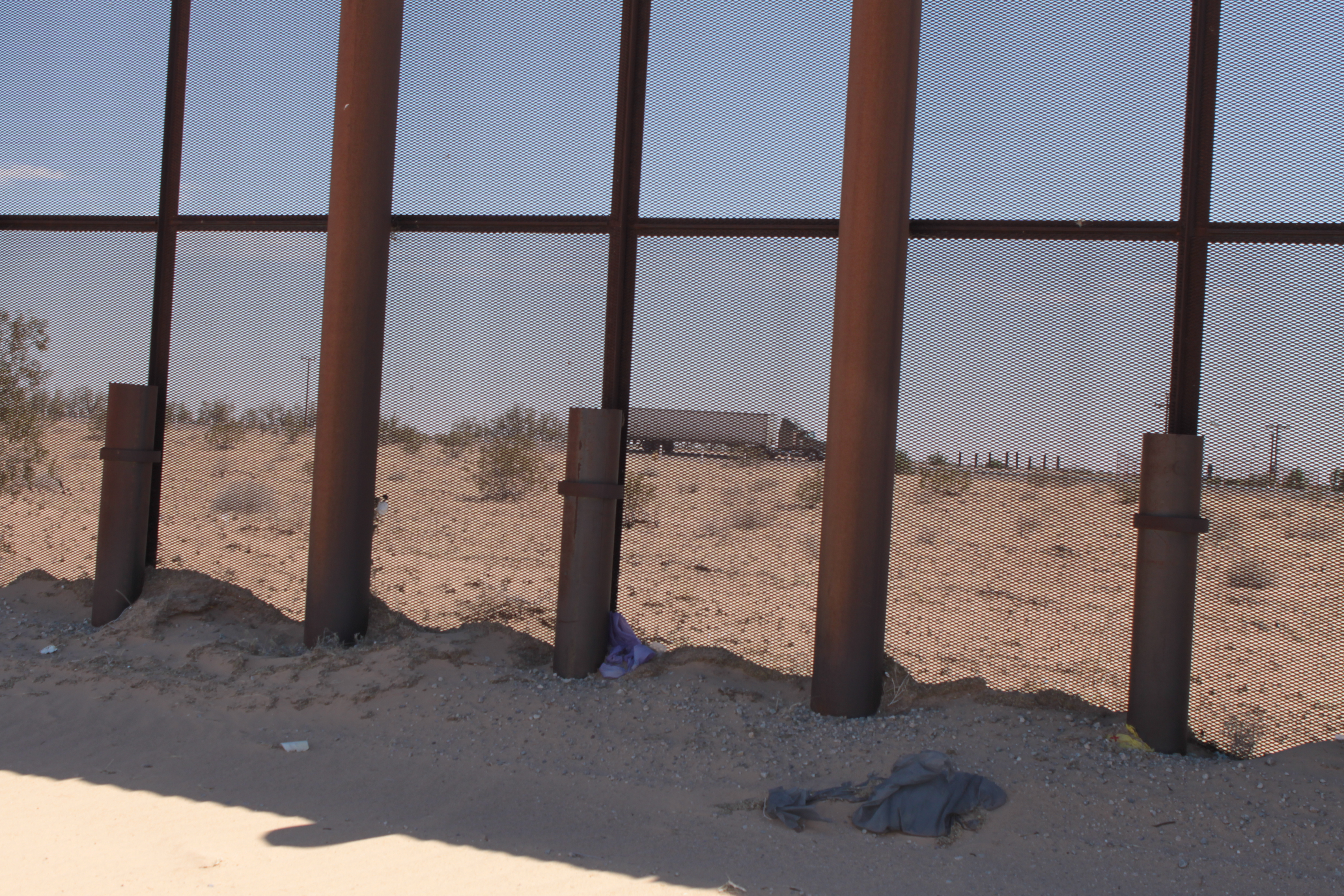
For the Taliban, the border is a theological and ethnic fiction. Their legitimacy does not come from Westphalian recognition, but from a trans-border religious and ethnic bond. If the Taliban were to accept the fence Pakistan is currently building, they would effectively be signing away their claim to lead the wider Pashtun community. This would create a vacuum that more radical groups, such as the Islamic State Khorasan (ISKP), would immediately exploit.
The Leverage of Chaos
The primary driver of the current friction is the Tehrik-i-Taliban Pakistan (TTP). Islamabad insists the Afghan Taliban must restrain the TTP; Kabul maintains they are an internal Pakistani problem. The reality is that the TTP provides the Afghan Taliban with indispensable leverage. By allowing the TTP to operate from Afghan soil, Kabul keeps the Pakistani military bogged down in its own tribal districts. This prevents Islamabad from exerting significant influence over Afghan domestic policy.
Furthermore, the Taliban uses the border to manage its own internal factions. Hardline elements within the Haqqani Network and the Kandahari leadership often disagree on governance, but they are united by the cause of Pashtun nationalism. Foreign friction acts as a unifying force. When the Pakistan Army shells border villages or initiates strikes, it validates the Taliban’s narrative of a besieged nation, silencing internal dissent and shifting the focus from the failing economy to national defence.
"State survival for the Taliban is tied to the rejection of the state-border. To formalise the frontier is to diminish the movement's raison d'être."
Historical Parallel: The Prussian Model
The Taliban’s current strategy mirrors 19th-century Prussia’s approach to German unification. Prussia knew that to lead the German people, it had to challenge the existing borders and Austrian influence. They used a shared identity to override the legalistic boundaries of the time. Similarly, the Taliban is using the concept of 'Pashtunistan'—even if they do not call it that by name—to build a proto-state that ignores colonial markings. They are betting that ethnic geography will eventually outlast political geography, just as the German states eventually coalesced around a central power through the pressure of constant external friction.
What Most People Miss: The Economic Pincer
Most analysts focus on the security aspect of the Durand Line, but the economic incentive is equally powerful. The border is a multi-billion dollar illicit economy. Tensions allow the Taliban to control the flow of goods, smuggling routes, and taxes through informal gates. A settled, fenced, and regulated border would favour Pakistan’s formal economy and tax collection, while stripping the Taliban of a vital source of off-book revenue. By keeping the border 'hot', the Taliban ensures that trade remains informal, allowing them to bypass international sanctions and maintain a patronage network within the border tribes.
Strategic Consequences
The most significant second-order effect of this policy is the inevitable pivot of Pakistan’s foreign policy. Islamabad is finding itself increasingly isolated in its western strategy. For decades, it relied on 'strategic depth'—the idea that a friendly government in Kabul would provide a fallback against India. Today, that depth has become a quagmire. Pakistan must now choose between a costly, permanent militarisation of the border or an awkward accommodation with a regime that actively supports its internal enemies.
For the wider region, particularly China, this instability is a deterrent to the expansion of the Belt and Road Initiative. The China-Pakistan Economic Corridor (CPEC) is physically threatened by the TTP’s spillover. Consequently, the Taliban is using the threat of border instability to extract concessions from Beijing, essentially telling the Chinese that security for their investments must be bought through direct financial support to Kabul, bypassing Islamabad.
What to Watch
- The Fencing Deadlock: Watch for increased small-arms skirmishes specifically targeting Pakistani border-fencing teams. This is the primary physical flashpoint.
- TTP Leadership Location: Any movement of TTP leadership deeper into Afghan territory, away from the border, signifies a tactical retreat but not a cessation of support.
- Chinese Mediation: Look for Beijing attempting to host direct talks between the Taliban and the Pakistani military, bypassing the civilian government in Islamabad.
- Currency Shift: The increasing use of the Afghani over the Pakistani Rupee in border markets is a key indicator of Kabul’s growing soft-power influence.
The KJ Verdict
The Durand Line is no longer a border; it is a theatre of political survival. The Taliban will not, and cannot, neutralise the TTP or recognise the frontier because doing so would destroy their own ideological foundations. We are entering a decade where the western border of Pakistan will remain the most volatile fault line in South Asia. Islamabad’s 40-year project to install a friendly regime in Kabul has succeeded only in creating a competitor that uses Pakistan's own vulnerabilities against it. The pincer is closing, and the Taliban is the one holding the handles.