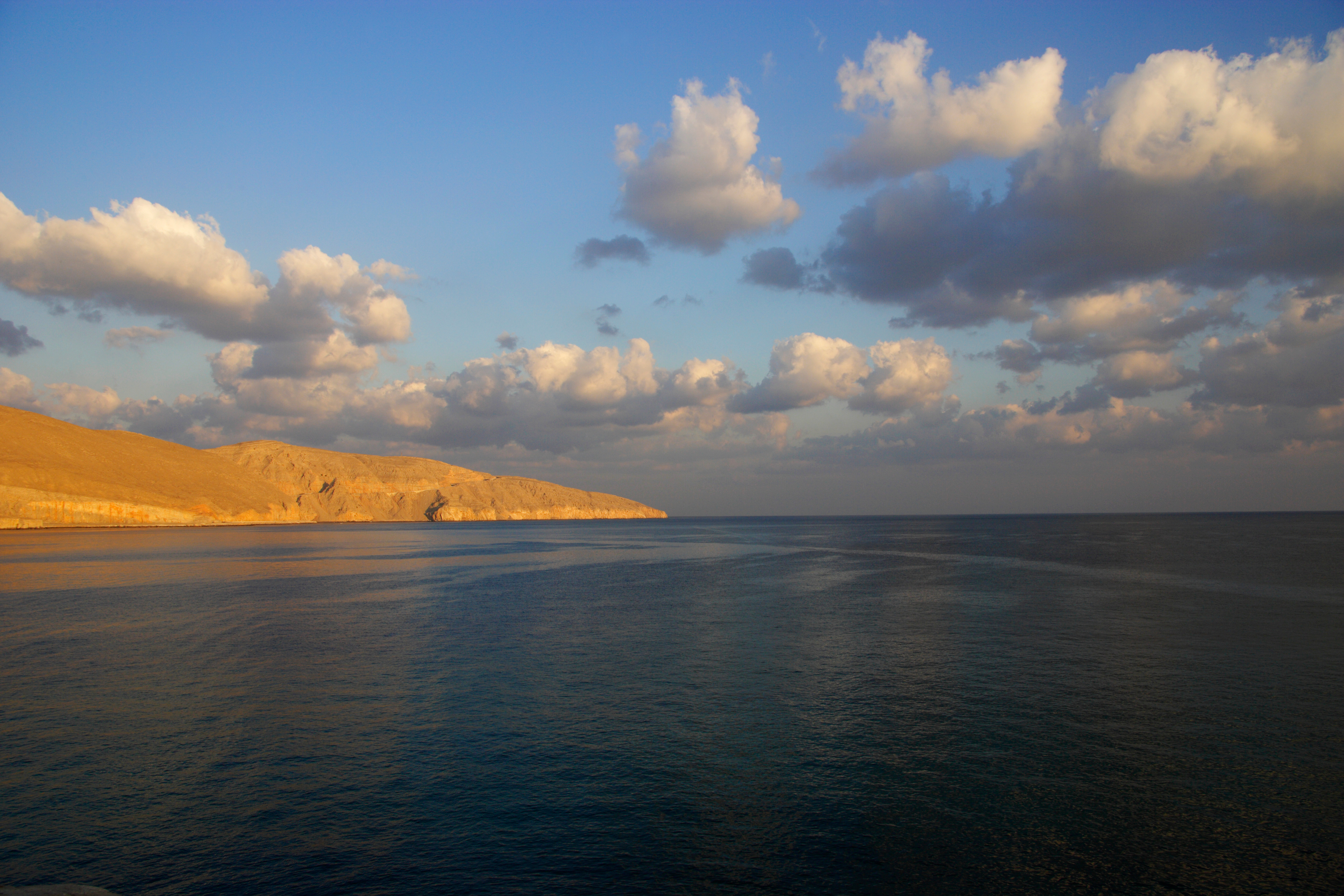
The geopolitical architecture of the Middle East is currently defined by a single, narrow waterway. According to current reporting, analytical models suggest that any sustained Iranian interference with transit through the Strait of Hormuz could cause global oil prices to surge to $200 per barrel. This is not merely an economic risk; it is a calculated policy tool for Tehran and a strategic veto over American foreign policy. For the Trump administration, the prospect of triple-digit oil prices represents the ultimate domestic political vulnerability, creating a paradox where the world’s largest oil producer remains hostage to a regional adversary’s geography.
The Geography of Leverage
Tehran understands a fundamental truth of the modern era: energy prices are the primary driver of political stability in the West. By maintaining the capability to close the Strait of Hormuz, Iran exercises a form of asymmetric 'energy deterrence'. It does not need to win a naval war against the United States; it only needs to make the cost of conflict unpalatable to the American voter. The 21-mile-wide passage carries approximately one-fifth of the world’s daily oil consumption. Even the threat of disruption creates a 'risk premium' that rewards Tehran’s treasury while punishing its sanctioners.
The Incentives of Retaliation
The incentive structure for Iran has shifted. Under decades of maximum pressure, the Islamic Republic has reached a point where it has less to lose from regional chaos than it does from a slow economic strangulation. In this context, $200 oil is more than a price point; it is a signal. It tells Washington that the cost of regime change or total containment is a global depression. For a US president focused on domestic industrial renewal and inflation control, this is a formidable deterrent.
The Historical Parallel: 1973 Reimagined
To understand the current situation, one must look back to the 1973 OPEC oil embargo. In that era, Middle Eastern producers used the 'oil weapon' to alter Western policy toward the Arab-Israeli conflict. However, today’s weapon is kinetic rather than diplomatic. Unlike 1973, where production was simply cut, the current threat involves the physical blockade of transit. The second-order effect is different too: in 1973, the US was a massive importer. Today, while the US is a net exporter, its economy is so deeply integrated into global supply chains that it remains hyper-sensitive to the price shocks felt by its allies in Europe and Asia.
What Most People Miss: The ‘Ghost Fleet’ Factor
Common analysis focuses on the US Navy’s ability to reopen the Strait by force. What most observers miss is that Iran does not need a total blockade to achieve its goal. Through the use of 'grey zone' tactics—mines, fast-attack boats, and drone strikes—Tehran can drive insurance premiums for tankers to prohibitive levels. Furthermore, Iran has developed a 'ghost fleet' and alternative land-based pipelines to some extent, allowing it to move its own product while the Strait remains 'closed' to its enemies. The goal is not to stop all oil, but to stop the *Western-aligned* flow of oil.
The paradox of American energy independence is that while the US produces more oil than ever, its political stability remains tethered to a price set by the world’s most volatile geography.
Strategic Consequences: The Trump Dilemma
For the Trump administration, the Iranian chokepoint creates a strategic trap. The 'America First' doctrine prioritises low domestic energy costs and avoiding 'endless wars'. Iran’s $200 oil threat strikes at both. If the US responds to Iranian provocation with force, the price of petrol at the pump in Ohio or Pennsylvania spikes, damaging the President’s domestic mandate. If the US does not respond, it concedes regional hegemony to Tehran and its partners in Moscow and Beijing. This makes the Strait of Hormuz the ultimate test of the isolationist versus interventionist wings of contemporary American conservatism.
The Role of China and Russia
Iran is not acting in a vacuum. Beijing is the primary customer for Iranian crude, often bypasses sanctions, and has a vested interest in seeing US naval power diverted or humiliated. Moscow, meanwhile, benefits directly from $200 oil, as it inflates the value of Russian energy exports and complicates Western efforts to fund the defence of Europe. The Strait is the point where the interests of the 'Eurasian Quad' (Iran, Russia, China, and North Korea) converge to pressure the US-led order.
What to Watch
- Insurance Premiums: Watch for a sudden rise in maritime insurance rates in the Persian Gulf; this is the leading indicator of a coming price shock.
- Pipeline Diversification: Monitor the progress of the East-West Pipeline in Saudi Arabia and Iran's Goreh-Jask terminal. The less oil that *must* go through the Strait, the weaker the veto.
- Chinese Diplomatic Cover: If Beijing begins to publicly warn against 'instability' in the Strait, it is a signal that they have green-lit Iranian escalation.
- US Strategic Petroleum Reserve (SPR) Levels: The ability of the White House to weather a 90-day supply disruption determines its leverage in negotiations with Tehran.
KJ Verdict
The threat of $200 oil is the most effective piece of non-nuclear hardware in Tehran’s arsenal. It works because it exploits the specific political vulnerabilities of the West: an intolerance for high inflation and a public weariness of Middle Eastern entanglements. Until the global economy or the US transport sector is fully decoupled from the marginal price of Brent crude, the Strait of Hormuz will remain a strategic veto held by Iran. The coming months will not be decided by who has the most aircraft carriers, but by who can withstand a doubling of energy costs for the longest period. In this game of chicken, geography currently favours the disruptor.