The Logic of Managed Instability
The conflict between the United States and Iran has entered a state of 'controlled volatility'. It is a war that no one seems able—or truly willing—to end. According to current reporting, the Middle East is being pulled deeper into crisis, impacting global markets, trade routes, and the cost of basic commodities like food and fuel. Despite a fragile ceasefire, the region remains trapped in a cycle of escalation and re-escalation. The reason is not a lack of military capacity, but a complex web of economic and strategic incentives that make a definitive resolution less attractive than a managed stalemate.
The Current Picture
According to current reporting from sources including ISPI and Iran International, the US and Iran remain fundamentally divided over nuclear development, the status of the Strait of Hormuz, and frozen assets. Reports suggest an emerging deal could involve the US lifting sanctions and releasing approximately $12 billion in assets in exchange for a wind-down of hostilities. However, the internal logic of the conflict is now driven by what the US views as Iran’s pressing economic challenges. For the Iranian regime, the tools of regional threat remain their primary leverage. For the West, leaving those tools intact guarantees long-term instability but prevents the unpredictable vacuum of a total regime collapse. The war has become a test of American influence as much as a test of regional resolve.
The Reconstruction Incentive
At the heart of the current stasis is the 'Price of Restoration'. Total war destroys infrastructure, but 'controlled' war creates a permanent market for security and eventual reconstruction. Key players in the region—including Arab neighbours and European contractors—are already calculating the dividends of a post-conflict Iran that is integrated into global trade. The incentive is no longer to win, but to be the primary partner in a restoration that follows a negotiated de-escalation. Economic assets and sanctions relief are being used as both a carrot and a stick, turning geopolitics into a high-stakes liquidity negotiation.
Power, Money, and Geography
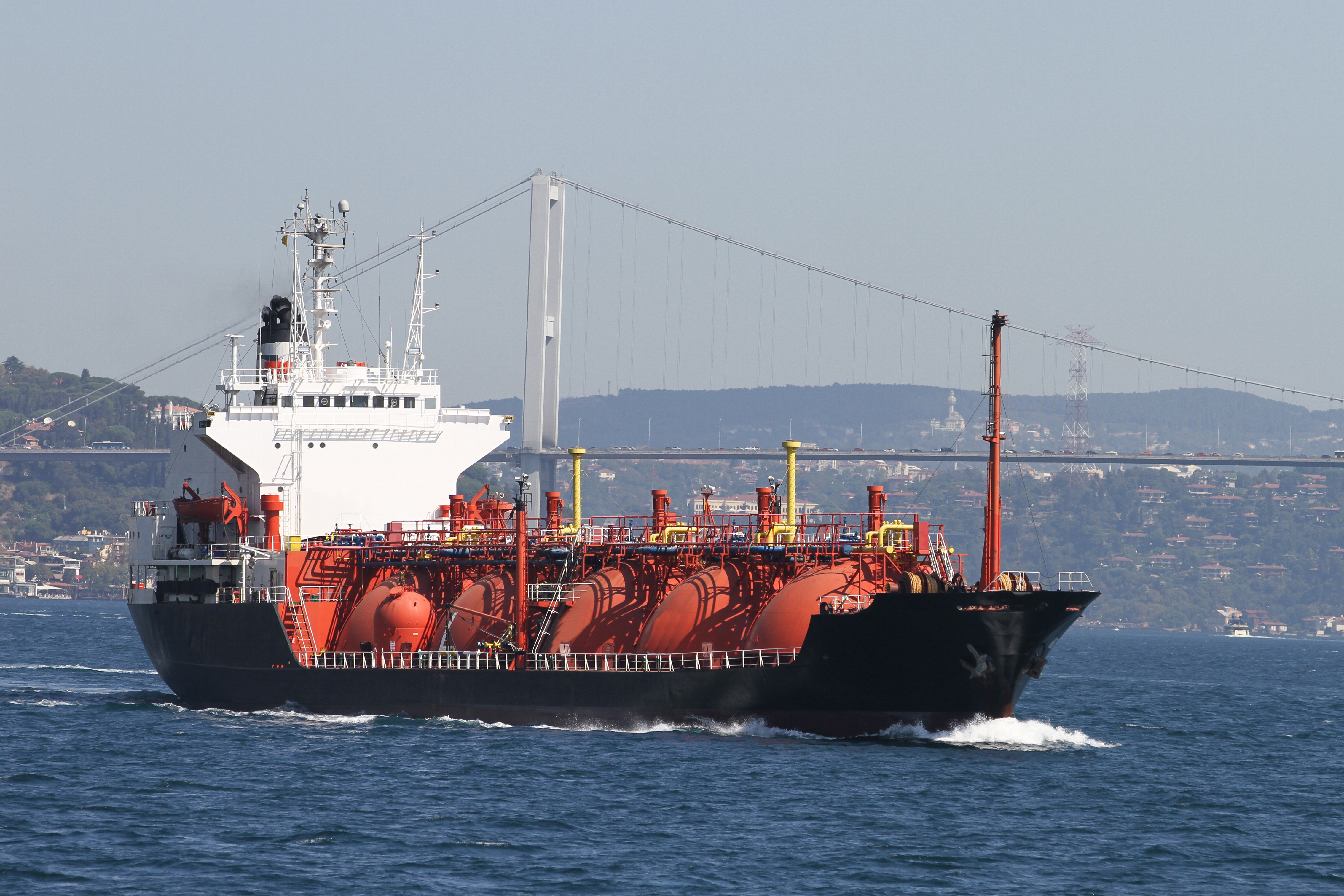
Geography remains the ultimate arbiter. The Strait of Hormuz is not just a maritime passage; it is a global economic artery. By maintaining just enough tension to threaten this passage, Iran ensures it remains at the negotiating table. Conversely, by maintaining sanctions, the US keeps the Iranian economy in a state of 'arrested development'. This creates a specific power dynamic: the US controls the flow of global capital, while Iran controls the flow of physical energy. Neither side can fully defeat the other without destroying the very assets they wish to control or profit from.
A Historical Parallel: The Long Peace of the 19th Century
The current Middle Eastern map mirrors the 'Concert of Europe' following the Napoleonic Wars. During that era, the Great Powers did not seek to eliminate one another; they sought to maintain a 'balance of power' that prevented any single state from becoming hegemonic. They preferred constant, low-level diplomatic friction and small, contained wars over a total continental conflagration. Today, the Iran-US conflict operates similarly. It is a 'Concert of Volatility' where the goal is to manage the competition rather than resolve it. The regional players have realised that a total victory for either side would be more destabilising than the current, predictable friction.
What Most People Miss
Most observers focus on the rhetoric of 'regime change' or 'resistance'. This misses the second-order effect: the war has become a form of industrial policy. For the Iranian leadership, the state of war justifies internal repression and centralised economic control. For the US military-industrial complex and regional allies, the threat of Iran justifies massive security expenditures and the fortification of trade routes. The conflict has become a functional part of the regional economy. The 'volatility' is not a failure of diplomacy; it is a feature of a system that prioritises the management of risk over its elimination.
Strategic Consequences
The consequence of this controlled volatility is a permanent 'security tax' on global trade. As food and fuel costs remain volatile, the world economy adapts to a Middle East that is neither at peace nor at total war. We are seeing the emergence of a 'Grey Zone' economy, where black-market oil sales, shadow banking, and proxy militias provide the necessary friction to keep prices high and political leverage sharp. The real losers are the civilian populations and the small-scale traders who cannot navigate this high-risk environment.
What to Watch
- Liquidity Releases: Watch for the phased release of the reported $12 billion in Iranian assets; this acts as a barometer for the 'price of peace'.
- Hormuz Tolls: Any shift from military threats to 'regulatory' interference in the Strait of Hormuz indicates a move toward economic warfare.
- Reconstruction Tenders: Monitor which regional powers or European firms begin signing 'framework agreements' for Iranian infrastructure.
- Nuclear Thresholds: Look for Iran maintaining 'breakout capacity' without actually building a weapon—the ultimate tool for permanent leverage.
KJ Verdict
The Iran war is not a conflict awaiting a resolution; it is a market awaiting a settlement. The incentives for reconstruction and the preservation of regional balance have created a situation where 'winning' is defined as the ability to maintain the status quo while extracting the highest possible price for its eventual restoration. We should expect more ceasefires that are never quite peace treaties and more escalations that never quite lead to total war. In the 21st century, power is not measured by the territory you conquer, but by the volatility you can afford to manage. The Middle East remains the world's most expensive laboratory for this new doctrine.