The Strategic Mirage of Total War
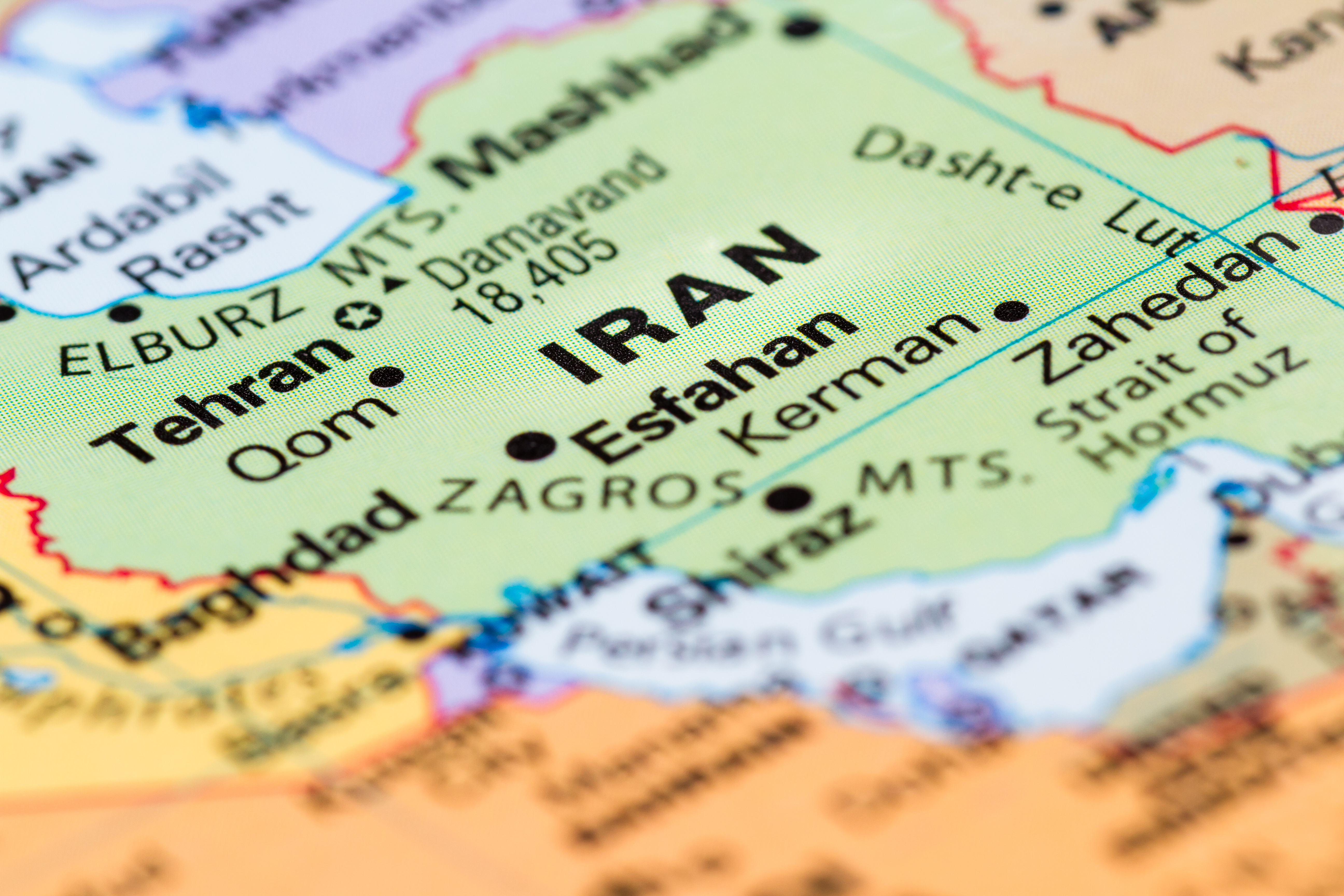
The intensifying cycle of maritime seizures, drone interceptions, and kinetic signalling in the Strait of Hormuz is widely misread as a prelude to a regional conflagration. It is nothing of the sort. This attrition serves a more profound structural purpose: the managed erosion of the US-led security umbrella. While Western eyes remain fixed on the threat of a closed waterway, the real transition is the quiet devolution of security responsibility from Washington to regional capitals. For the first time since the 1970s, the primary stakeholders in the Gulf are calculating that American protection is more volatile than direct engagement with their adversaries.
The Incentive of Attrition
To understand the current friction, one must look at the incentives driving Tehran. Iran does not seek a direct military confrontation it would inevitably lose. Instead, it employs cost-imposing strategies designed to test the limits of US political will. By operationalising the threat to global energy transit, Tehran forces a binary choice upon the West: engage in a costly, open-ended naval escalation or accept a new status quo where Iranian influence is a permanent, unmediated factor in Gulf security. Tehran wins by not losing; Washington loses by being forced to stay.
Conversely, the Arab monarchies have observed the diminishing returns of Western intervention. The 2019 attacks on Abqaiq and Khurais served as a structural turning point. When the US failed to respond kinetically to a direct hit on Saudi oil infrastructure, the collective epiphany in Riyadh and Abu Dhabi was that the Carter Doctrine had functionally expired. The current attrition in the Strait is merely the final chapter of this realisation. It is pushing these states toward a pragmatism that includes both rapid domestic militarisation and diplomatic hedging with Tehran and Beijing.
The Historical Parallel: The British Exit from Aden
In the late 1960s, a cash-strapped and overextended Britain announced its withdrawal from 'East of Suez'. At the time, critics predicted a vacuum that would be filled immediately by Soviet dominance. Instead, it triggered a difficult but necessary period of regional consolidation. Local powers, previously infantilised by British protection, were forced to develop their own intelligence apparatuses and diplomatic channels. The current US position in the Gulf mirrors this British decline. The US is not leaving because it has lost, but because the strategic cost of staying—measured in political capital and shifted focus toward the Indo-Pacific—no longer matches the utility of being the region's sole policeman.
What Most People Miss: The Technology of Denial
Conventional analysis focuses on carrier strike groups and Aegis destroyers. What is overlooked is the fundamental shift in the cost-exchange ratio of modern warfare. Iran’s development of long-range 'one-way' attack drones and anti-ship cruise missiles has democratised sea denial. You no longer need a multi-billion dollar navy to contest a narrow waterway; you only need a steady supply of low-cost, precise munitions. This technology does not give Iran control of the sea, but it grants them the 'veto' on its safety. This shift makes the US model of footprint-heavy deterrence obsolete. When a $2,000 drone can threaten a $2 billion ship, the protector’s position becomes economically and politically unsustainable over the long term.
Strategic Consequences: The Post-American Architecture
The result of this attrition is not a regional vacuum, but a regionalisation. We are seeing the emergence of a 'middle-power' security complex. This is characterised by three distinct movements:
- Bilateral De-escalation: Direct lines of communication between Riyadh and Tehran that bypass Washington.
- Diversified Procurement: A shift from total reliance on American platforms to a mix of Chinese, Turkish, and domestic hardware.
- Escalatory Autonomy: Regional states taking unilateral military actions without seeking a US green light, as they no longer trust the US to finish what it starts.
What to Watch
- Insurance Premiums: Watch the Lloyd's of London war risk ratings; sustained high premiums are the primary mechanism through which Iran imposes costs on the West without firing a shot.
- The Drone Corridor: Increased Iranian exports of UAV technology to non-state actors in the Red Sea, expanding the 'Hormuz model' of attrition to multiple chokepoints.
- Chinese Mediation: Further diplomatic interventions by Beijing that offer political guarantees without the baggage of military boots on the ground.
The KJ Verdict
The friction in the Strait of Hormuz is the friction of a settling foundation. The US and Iran are engaged in a long-form negotiation via attrition, where the ultimate concession is the end of the American monopoly on Middle Eastern security. This is not the beginning of a war, but the messy, violent birth of a multi-polar regional order. In this new era, security will not be guaranteed by a distant superpower, but negotiated daily between local rivals. The 'Hormuz Gamble' is working; it is successfully convincing the world that the American era in the Gulf is a luxury the West can no longer afford and the region no longer expects.