The Death of the Regional Premium
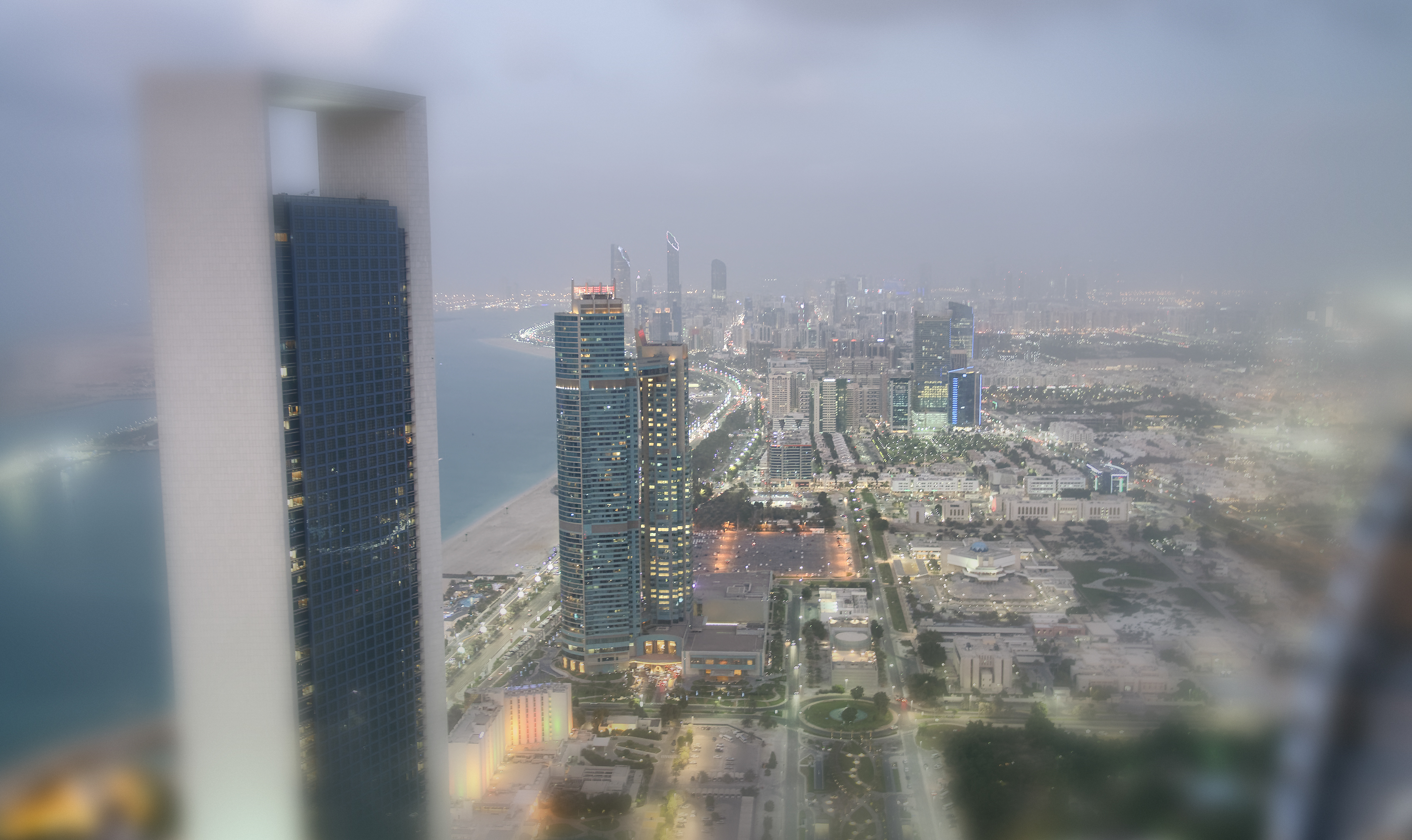
For half a century, the price of oil reflected the level of violence in the Middle East. When the Levant burned or the Gulf simmered, the world paid a security premium. That era is ending. Through the implementation of the 14-Point Pact and a ruthless expansion of domestic production capacity, the United Arab Emirates (UAE) has successfully decoupled its economic destiny from the historical instability of its neighbours. The Gulf Restoration is not a peace project; it is a resilience project. Abu Dhabi has realised that waiting for regional stability is a losing bet. Instead, it has built a fortress economy capable of exporting energy through the very chaos that used to paralyse it.
The 14-Point Pact: Logic of Survival
The 14-Point Pact is the definitive strategic pivot of the mid-2020s. It is an internal UAE doctrine that prioritises bilateral security guarantees and physical redundancy over multilateral alliances like the GCC or OPEC+ quotas. The core incentive is simple: maintaining its status as a reliable 'safe harbour' for global capital. To do this, Abu Dhabi has shifted its focus from influencing the politics of distal states like Libya or Yemen to securing its immediate logistics. The pact focuses on three pillars. First, the total hardening of the Habshan-Fujairah pipeline to bypass the Strait of Hormuz. Second, a network of 'neutrality agreements' with non-state actors along trade routes. Third, a massive increase in spare capacity to 5 million barrels per day, allowing it to capture market share the moment a rival is sidelined by conflict.
The End of Solidarity
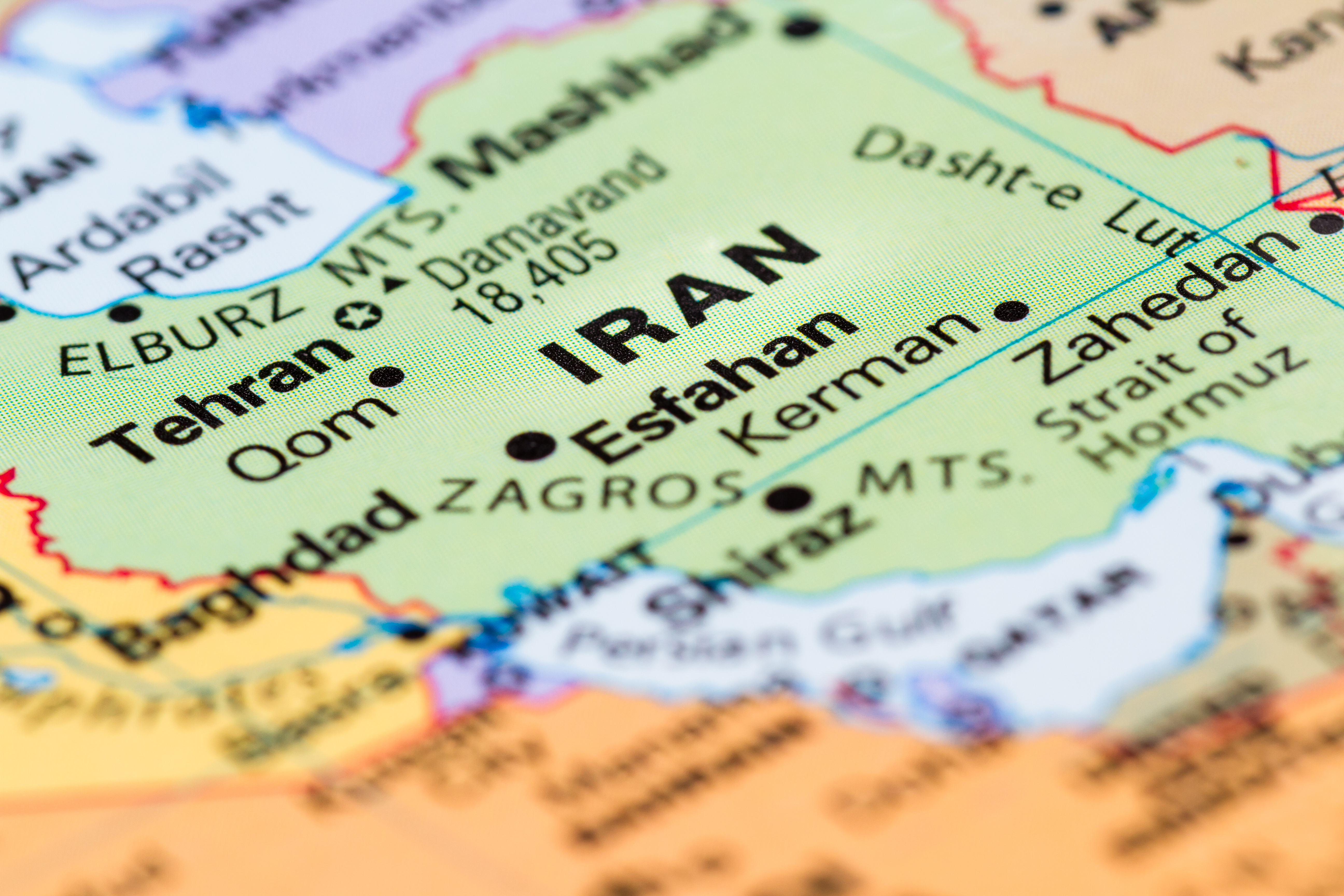
Historically, Gulf power relied on 'bloc' logic. States acted in concert to manage supply and political pressure. This required a level of regional stability to function. Today, the UAE has calculated that regional solidarity is an anchor, not a life jacket. By investing heavily in the Fujairah export hub outside the Persian Gulf, the UAE has removed its vulnerability to Iranian threats in the Strait. While Riyadh continues to bear the burden of leadership—and the associated costs of maintaining regional order—Abu Dhabi is operating as a nimble, autonomous energy power. They are no longer interested in solving the Middle East’s problems; they are interested in outlasting them.
A Historical Parallel: The Venetian Model
The current UAE strategy mirrors the Republic of Venice in the 15th century. Venice was surrounded by the warring powers of the Ottoman Empire and the Holy League. Rather than choosing a side or trying to bring peace to the Mediterranean, Venice focused on securing specific maritime nodes and maintaining a 'trade-first' neutrality. They built a navy not to conquer territory, but to ensure that regardless of who was winning on land, Venetian galleys kept moving. Like Venice, the UAE has accepted that its neighbours will always be at war or on the brink of it. Its goal is to become the essential, untouchable intermediary that profits from the trade flowing between the chaos.
What Most People Miss: The Technology of Autonomy
Most analysts focus on the diplomatic ‘reset’ between the UAE and its rivals. This is a surface-level distraction. The real shift is technological. Abu Dhabi’s massive investment in AI-driven grid management and automated port logistics at Jebel Ali and Khalifa Port allows for a 'high-trust' trade environment in a 'low-trust' region. They are using technology to effectively shrink their borders, creating a high-tech island that is geographically in the Middle East but operationally in the Global North. They aren't seeking to fix the region's friction; they are building a lubricant that allows them to slide past it. When the UAE talks about 'de-escalation,' they aren't being pacifists; they are clearing the tracks for their trains.
Strategic Consequences: The New Energy Map
The second-order effects of this decoupling are profound. First, it diminishes the 'oil weapon.' If the UAE can guarantee supply regardless of regional wars, the political leverage of energy-producing blocs evaporates. Second, it creates a two-tier Middle East. Tier one consists of 'fortress hubs' like Abu Dhabi and Qatar, which are integrated into global supply chains. Tier two consists of the 'perpetual crisis' states like Syria, Iraq, and Lebanon. The gap between these two tiers is widening into a chasm. Western capitals are already shifting their security focus from 'stabilising the region' to 'protecting the hubs.' This leaves the rest of the Middle East to fend for itself, increasing the likelihood of localised conflicts that, ironically, no longer bother the global markets.
What to Watch
- Fujairah Expansion: Watch for the completion of the second-phase storage gasholders. This will confirm the UAE's ability to hold six months of global supply bypass.
- OPEC+ Divergence: Any increase in UAE production beyond agreed-upon quotas is a signal that the 14-Point Pact is taking precedence over Saudi-led collective bargaining.
- The Indian Corridor: Progress on the India-Middle East-Europe Economic Corridor (IMEC) will solidify the UAE’s role as the indispensable bridge, further insulating it from northern regional shocks.
KJ Verdict
The UAE has stopped trying to be a regional leader and started being a global utility. By decoupling its export security from the stability of the Levant and the Persian Gulf, it has removed the primary incentive for the West to intervene in Middle Eastern conflicts. This makes the UAE safer, but it makes the rest of the region more volatile. In the new Middle East, peace is no longer a prerequisite for prosperity; it is merely an optional extra. The 14-Point Pact is the blueprint for a future where the oil flows even as the sands around it burn. The real power in the next decade belongs to those who can ignore their neighbours without consequence.