The Illusion of Resilience
In the current geopolitical landscape, markets have priced in the 'known unknowns' of the Ukraine-Russia attrition and the Levant instability. Analysis has become sclerotic, focusing on front lines while ignoring the structural plumbing that allows the global economy to function under stress. The greatest shocks of the coming year will not emerge from the barrel of a gun, but from the sudden evaporation of trust in the mechanisms that facilitate global movement and credit.
We are entering a period where the buffer zones—financial, geographic, and legal—that historically dampened shocks have been exhausted. This report identifies three specific 'black swan' vectors that remain almost entirely unpriced by mainstream institutional analysis: the collapse of the maritime insurance 'Green Zone', the sudden contraction of the private credit shadow buffer, and the emergence of non-aligned digital commodity exchanges.
The Insurance Trap: A New Maritime Chokehold
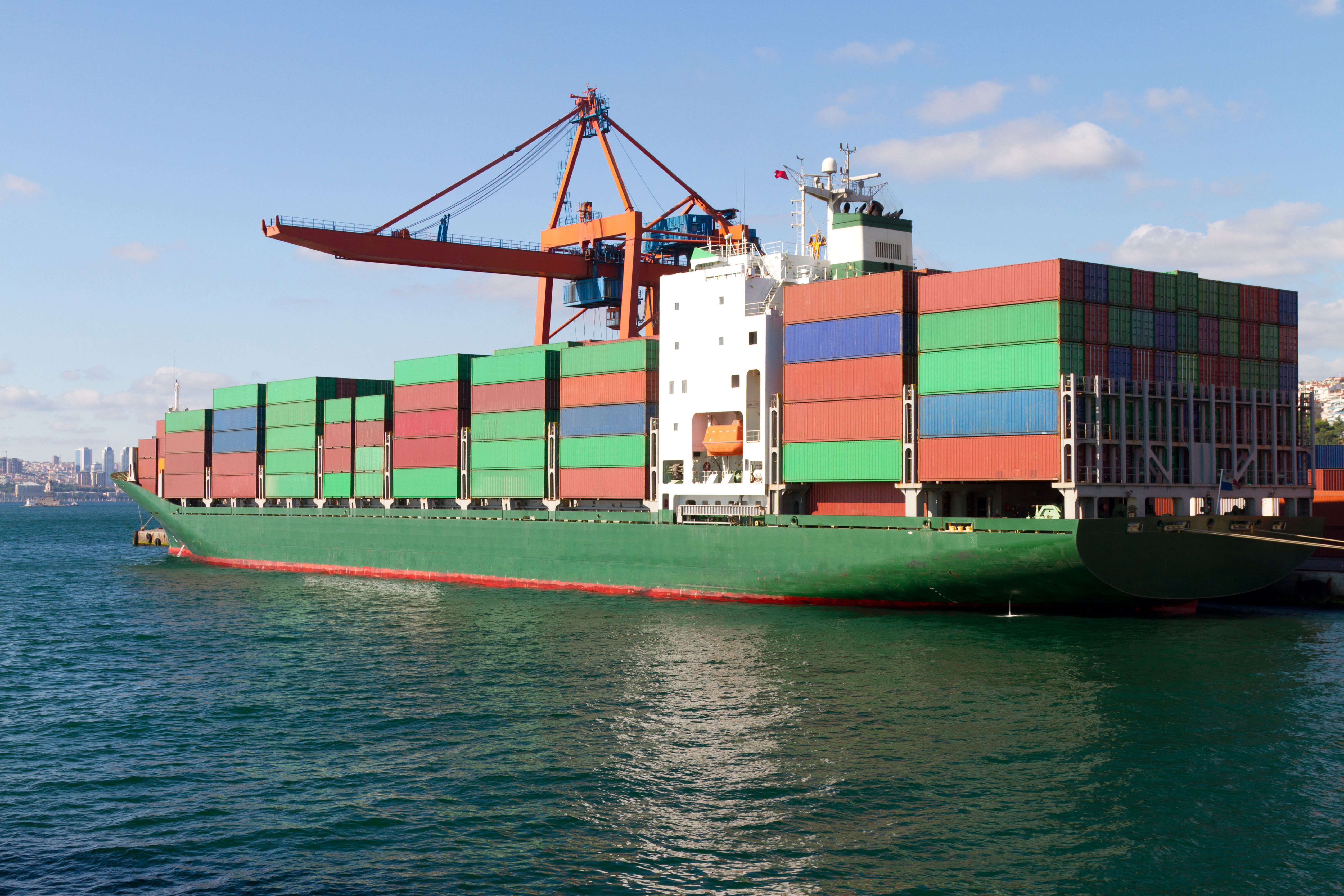
For a century, the global order was underpinned by the assumption that trade could always be insured. London and Zurich provided the legal certainty that allowed ships to traverse contested waters. This is ending. We are moving from a world of universal maritime law to a fragmented system of 'sovereign indemnity'.
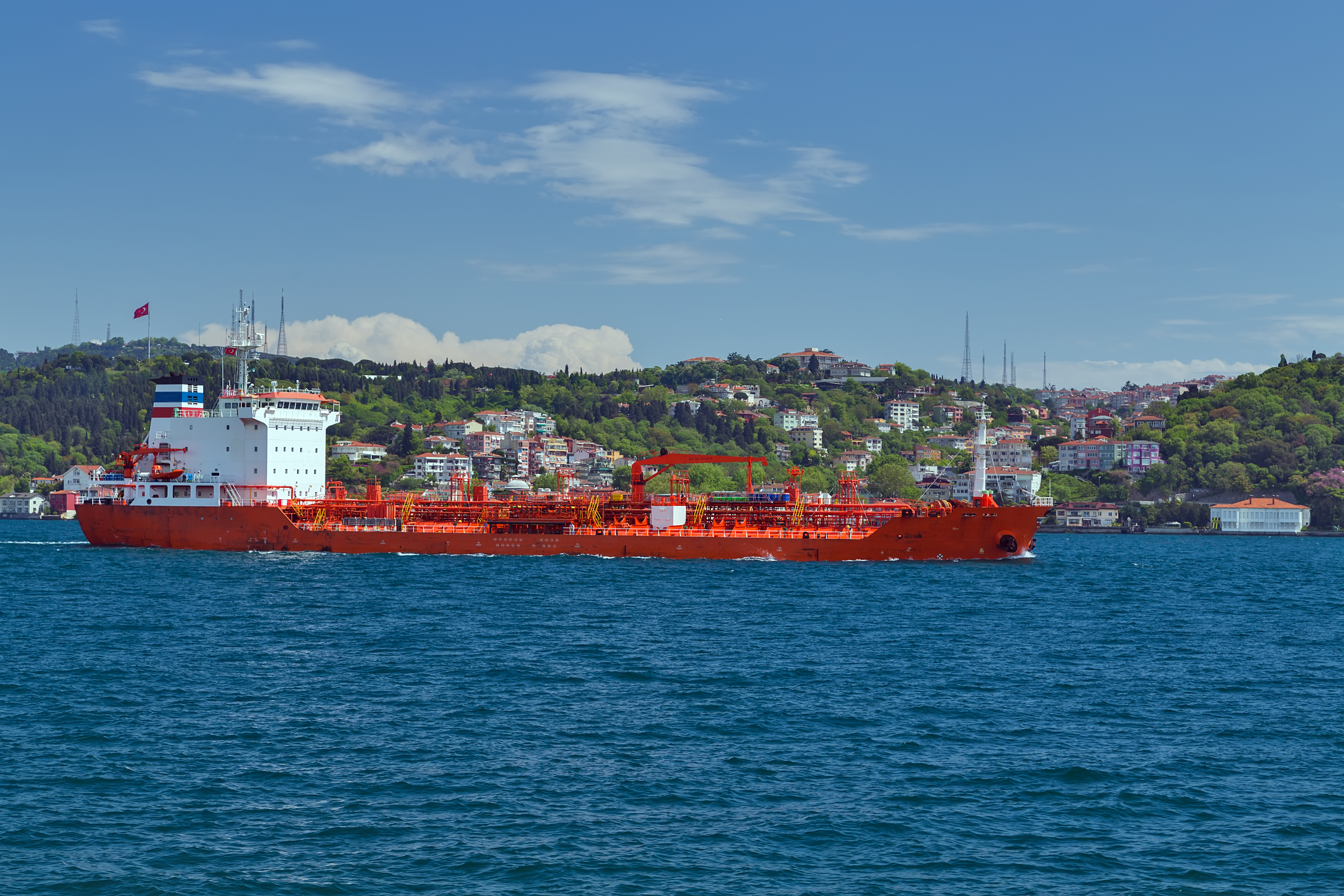
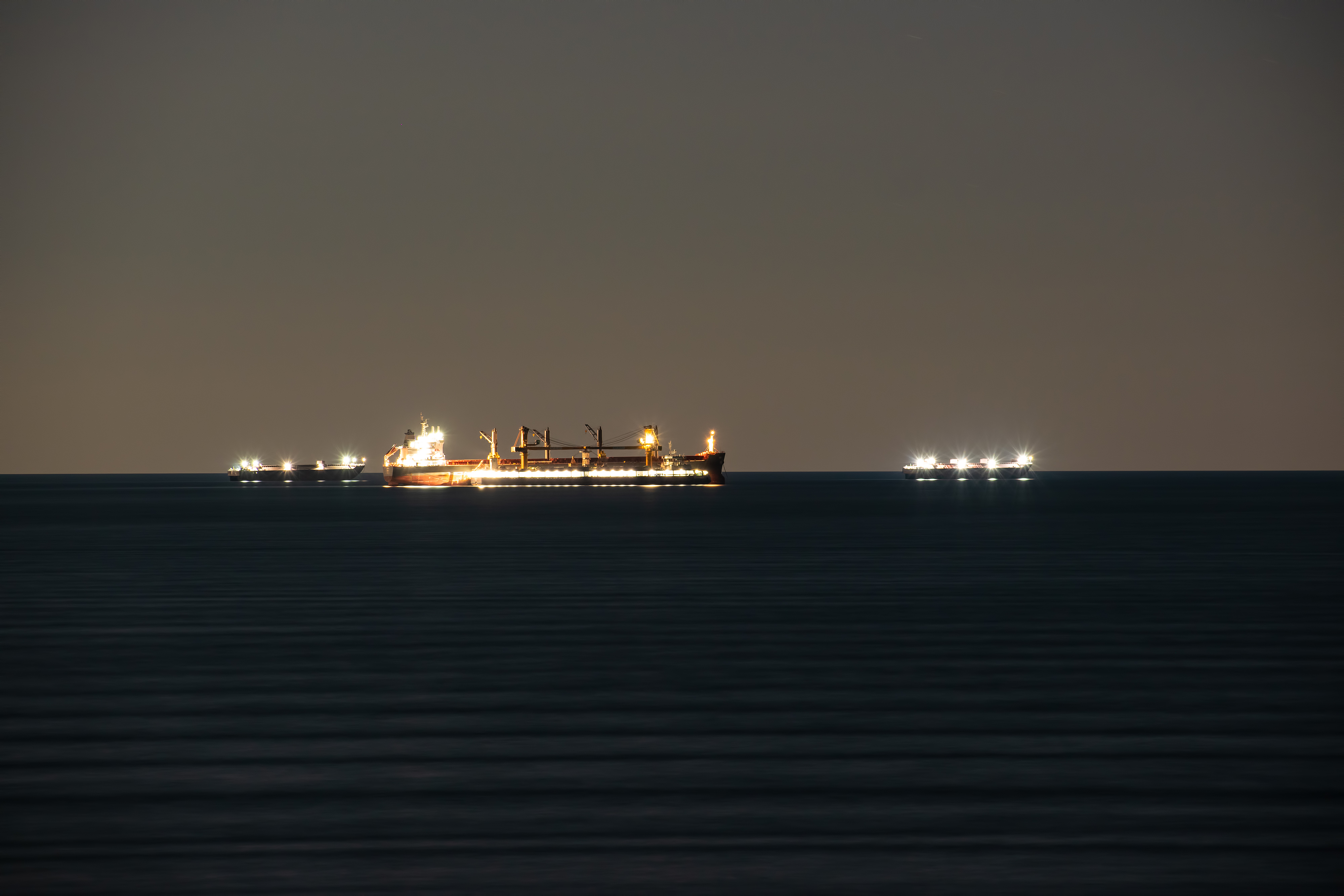
The incentive for revisionist powers like Russia and Iran is to bypass Western-led P&I (Protection and Indemnity) clubs entirely. By creating a 'dark fleet' with sovereign backing, these actors have proven that they can move millions of barrels of oil without Western oversight. The unpriced shock here is not a blockade of the Strait of Hormuz, but a major environmental or navigational disaster involving an uninsured vessel in a sensitive waterway. If a 'shadow' tanker founders in the Danish Straits or the Malacca Strait without valid insurance, the resulting legal and physical gridlock would freeze global shipping more effectively than any naval blockade. The second-order effect is a split in the global shipping market: one expensive and regulated, the other cheap, dangerous, and unaccountable.
Historical Parallel: The 1956 Suez Crisis
In 1956, the crisis was not just about the canal's physical passage; it was about the sudden realisation that the old imperial guarantees of transit were dead. The US forced a British and French withdrawal by threatening their financial lifelines. Today, we face a reverse Suez. Revisionist powers are the ones threatening the financial lifelines of the existing order. Just as 1956 marked the end of the British pound as a primary global tool of coercion, the current fragmentation of maritime insurance marks the end of Western legal dominance over the high seas.
What Most People Miss: The Private Credit Mirage
While regulators have spent fifteen years de-risking the formal banking sector, risk has migrated to the sub-layers of private credit and non-bank financial institutions (NBFIs). Most analysts view this as a purely financial risk. They are wrong. This is a geopolitical risk.
Private credit has become the primary lender to the firms that build the West's strategic infrastructure and defence tech supply chains. Unlike public markets, private credit lacks transparency and liquidity. In a sustained high-interest-rate environment, a 'silent' contagion in these private funds could suddenly starve critical strategic industries of capital. If a major private lender to the mid-tier European aerospace sector or US semiconductor supply chain faces a margin call, the production of essential components stops. This is not a 'Lehman moment' of public bankruptcy, but a 'atrophy moment' where the industrial base quietly loses its ability to scale during a crisis.
The Weaponisation of Liquidity
The dollar remains dominant, but its role as a weapon has triggered a frantic search for alternatives. The 'black swan' is not the replacement of the dollar, but the 'internalisation' of trade within a closed-loop system of non-aligned commodity exchanges. We are seeing the early stages of a gold-backed or commodity-linked settlement system between the BRICS+ nations. Most analysts dismiss this as technically difficult. They miss the incentive: for these nations, the inefficiency of a new system is a price worth paying for the immunity it provides against Western sanctions.
"History shows that systemic collapse rarely starts at the centre; it begins at the fringes where the costs of maintaining the status quo finally exceed the benefits of rebellion."
Strategic Consequences and Tipping Points
The intersection of these risks creates a 'perfect storm' for the mid-2020s. If maritime insurance fractures, shipping costs become volatile and politicised. If private credit dries up, the West's ability to 're-shore' industry fails. If commodity trade moves into shadow exchanges, the US Treasury loses its most effective tool of non-kinetic warfare. This creates a world where power is no longer measured by GDP or carrier groups alone, but by a nation's ability to maintain its own physical and financial supply lines independent of a globalised grid.
What to watch:
- The 'Dark Fleet' incident: Any collision or spill involving an uninsured Russian or Iranian tanker near a major maritime bottleneck.
- London P&I Club data: A sharp rise in premiums or the withdrawal of coverage for certain geographic zones, signalling the retreat of the traditional order.
- Private Credit Default Cycles: Watch for liquidity issues in mid-market 'direct lending' funds that specialise in industrial sectors.
- Dubai and Singapore commodity hubs: The shift of physical metal and energy trading from London/New York to non-Western clearing houses.
KJ Verdict
The world is not waiting for a single catastrophic event; it is enduring a structural divorce. We have relied on the 'invisible' infrastructure of the 20th century—insurance, shadow banking, and dollar clearing—as if they were natural laws. They are not. They are political constructs. The coming shocks will be born from the realisation that these constructs are no longer universal. Expect a period of 'fragmented volatility' where the cost of doing business rises not because of a lack of goods, but because the trust required to move them has vanished. The winners will be those who control their own insurance, their own credit, and their own pathways. Strategy must now focus on redundancy over efficiency.