The Strategic Pivot to Tangible Assets
The global economy has entered a phase of structural transition where the scarcity of physical matter now dictates the pace of geopolitical ambition. For three decades, the world prioritised digital scaling and intangible services. That era is over. The current commodities supercycle is not a temporary price spike driven by post-pandemic recovery; it is a fundamental re-pricing of the periodic table. As of mid-2025, the demand for copper, lithium, nickel, and high-grade iron ore has decoupled from traditional economic cycles. The winners are not those who simply sit on the resources, but those who control the narrow corridors through which they must pass.
The Incentive of Survival
To understand why this supercycle is different, we must look at the primary incentive: national survival. In North America and Europe, the incentive is the 'Green Transition,' which is less about the environment and more about energy independence from fossil-fuel-rich autocracies. In China, the incentive is avoiding the middle-income trap by dominating the world’s high-tech manufacturing supply chains. In India, it is the largest urbanisation project in human history. These three forces are colliding simultaneously. Because these goals are viewed as existential by their respective governments, demand is inelastic. When demand is inelastic and supply is constrained by a decade of under-investment in mining, prices do not just rise; they reset at a higher structural floor.
The Geography of Bottlenecks
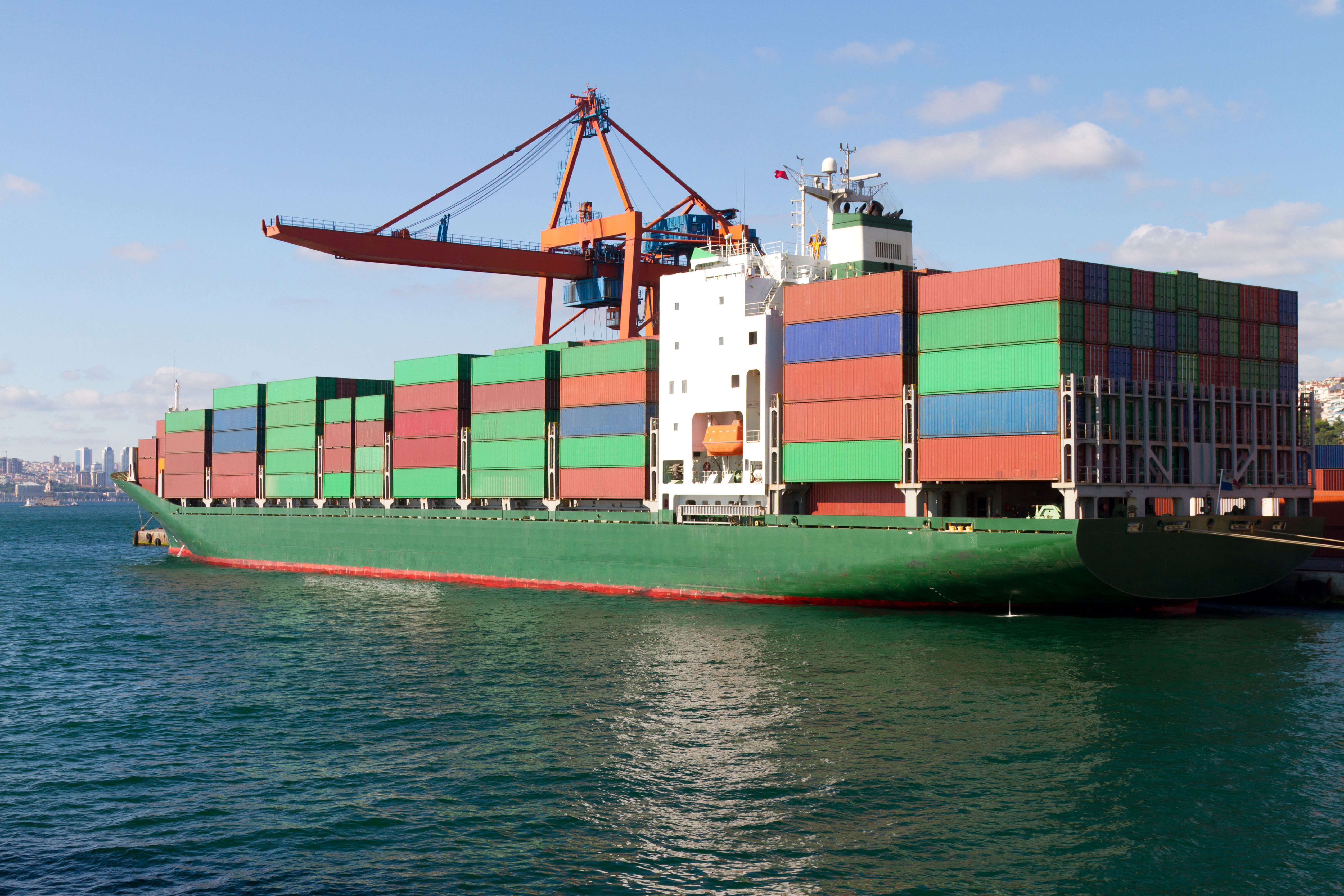
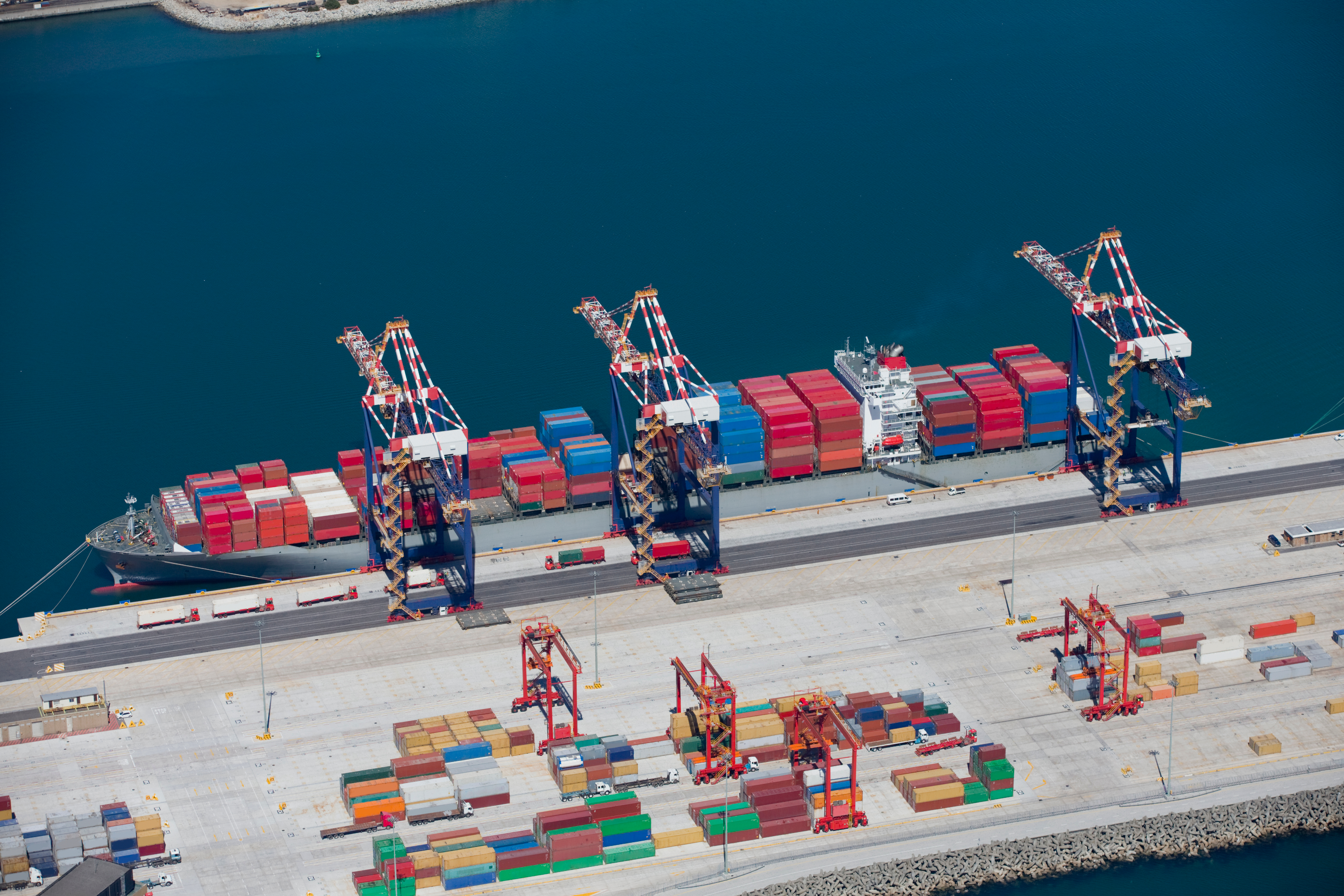
Most analysts focus on the 'pit'—the mine itself. This is a mistake. The real power in 2025 lies in the mid-stream processing and the maritime chokepoints. Currently, China processes approximately 80% of the world’s rare earth elements and a majority of its lithium and cobalt. Even if a Western firm opens a mine in Australia or Canada, the ore often travels to Chinese ports for refining. This creates a strategic vulnerability. The second-order effect of this concentration is the rise of 'minilaterals'—small, focused alliances like the Mineral Security Partnership. These groups are attempting to build a parallel industrial universe, but they are finding that geography is a stubborn opponent. You can fund a mine in three years, but you cannot build the specialized chemical infrastructure to refine its output in less than ten.
The Historical Parallel: The 1890s Coaling Stations
In the late 19th century, as global navies transitioned from sail to steam, the world’s great powers did not just fight for coal mines; they fought for coaling stations. Britain’s dominance was not based solely on Welsh coal, but on its control of ports like Gibraltar, Aden, and Singapore. These were the 'nodes' of energy. Today, we see a repeat of this logic. The 2025 landscape is defined by 'Refining Hubs.' Indonesia’s ban on raw nickel exports, forcing companies to build smelters on Indonesian soil, is the modern equivalent of the coaling station strategy. They are leverage points that force global capital to anchor itself in specific geographies.
What Most People Miss: The Scrap Metal Frontier
The loudest voices in the room are shouting about new mines in the DRC or the Andes. What they miss is the 'Urban Mine.' As primary extraction becomes more expensive and geopolitically risky, the recycling of existing industrial stock—copper from old grids, lithium from first-generation EVs—is becoming the most contested frontier. In 2025, the technology for cost-effective mineral recovery from waste is no longer a niche environmental project; it is a core component of national security. Nations that lack natural deposits are investing heavily in circularity to mitigate the 'commodity tax' imposed by resource-rich exporters. The winner here is Japan, which has quieter but more sophisticated mineral recovery networks than any other G7 nation.
Strategic Consequences: The End of the Consumer Subsidy
For twenty years, the West enjoyed cheap electronics and energy, effectively subsidised by low commodity prices and exploited labour in the Global South. That subsidy has expired. We are now seeing the 'Inflationary Floor.' Higher input costs mean that the transition to a low-carbon economy will be more expensive than politicians have admitted to their voters. This leads to a political second-order effect: the rise of resource nationalism. Governments in South America and Africa are no longer content with royalties; they are demanding equity stakes and domestic processing. This shifts the profit from the shareholders of multinational mining firms to the sovereign wealth funds of the host nations.
What to Watch
- The Gulf Pivot: Watch Saudi Arabia and the UAE as they use oil profits to buy significant stakes in global mining majors, positioning themselves as the world’s new mineral brokers.
- The Greenland Frontier: Recent surveys suggest massive deposits under receding ice; keep an eye on Danish-US-Chinese legal disputes over exploration rights.
- Subsea Mining Regulations: The first commercial licences for deep-sea nodule collection in the Clarion-Clipperton Zone are the next flashpoint for international maritime law.
- The Indonesia Model: Watch if other resource-rich nations (Brazil, DRC) implement 'downstream-only' export bans on raw materials to force industrialisation.
The KJ Verdict
The commodities supercycle is not a rising tide that lifts all boats; it is a filter that separates those with foresight from those with merely cash. The ultimate winners of 2025 are the 'Geopolitical Middlemen'—nations like Indonesia, Vietnam, and Brazil—that are successfully playing the US and China against each other to capture the value-added parts of the supply chain. For the West, success depends on moving past 'discovery' and mastering the 'transformation' of materials. Without domestic refining capacity, owning the mine is simply owning a problem. Power in the late 2020s will be measured in tonnes of refined purity, not just hectares of mineral-rich land.