The global energy landscape is undergoing a silent but violent recalibration. For decades, Venezuela was the pariah of the Western hemisphere, a nation subjected to crippling sanctions and diplomatic isolation. Today, that isolation is dissolving. In its place is a pragmatism born of necessity. As tensions in the Middle East move from chronic instability to acute supply paralysis, the world’s largest oil reserves are no longer an ideological battleground, but a strategic imperative.
The Caracas Pivot is not a sign of democratic thaw or a change in heart from the Maduro administration. It is a structural response to a simple reality: the West cannot afford to lose Iranian and Russian barrels simultaneously without a credible, heavy-crude alternative. By systematically dismantling the barriers to Western investment, Venezuela is positioning itself as the ultimate hedge against a permanent Persian Gulf supply shock.
The Incentive of Survival
Power follows the path of least resistance. For the Caracas government, the incentive is survival through dollarisation. For the United States and Europe, the incentive is price stability and the decoupling of global inflation from Middle Eastern geopolitics. The recent wave of technical reforms in Caracas—including the quiet restoration of operational control to foreign joint-venture partners—marks the end of the resource-nationalism era that defined the Chavez years.
Venezuela has realised that holding oil in the ground is a losing hand in a fast-decorbonising world. They are now moving to monetise their sub-surface assets while the internal combustion engine still dominates global demand. This has led to the emergence of a "service-for-sanctions" model. Western oil majors move in, upgrade the crumbling infrastructure, and take their payment in crude shipments, bypassing the traditional financial systems that remain under scrutiny.
The Geography of Advantage
Geography is the one variable politicians cannot change. Venezuela’s proximity to the US Gulf Coast refineries is its greatest asset. These refineries were built specifically to process the heavy, sour crude that the Orinoco Belt produces. When Venezuelan supply was cut off, these complex refineries had to source more expensive, less suitable blends from elsewhere. The return of Venezuelan crude creates a synergistic loop that lowers refining costs in the US, providing a direct deflationary pressure on American pump prices—a vital political win for any administration.
The Historical Parallel: The 1973 Reversal
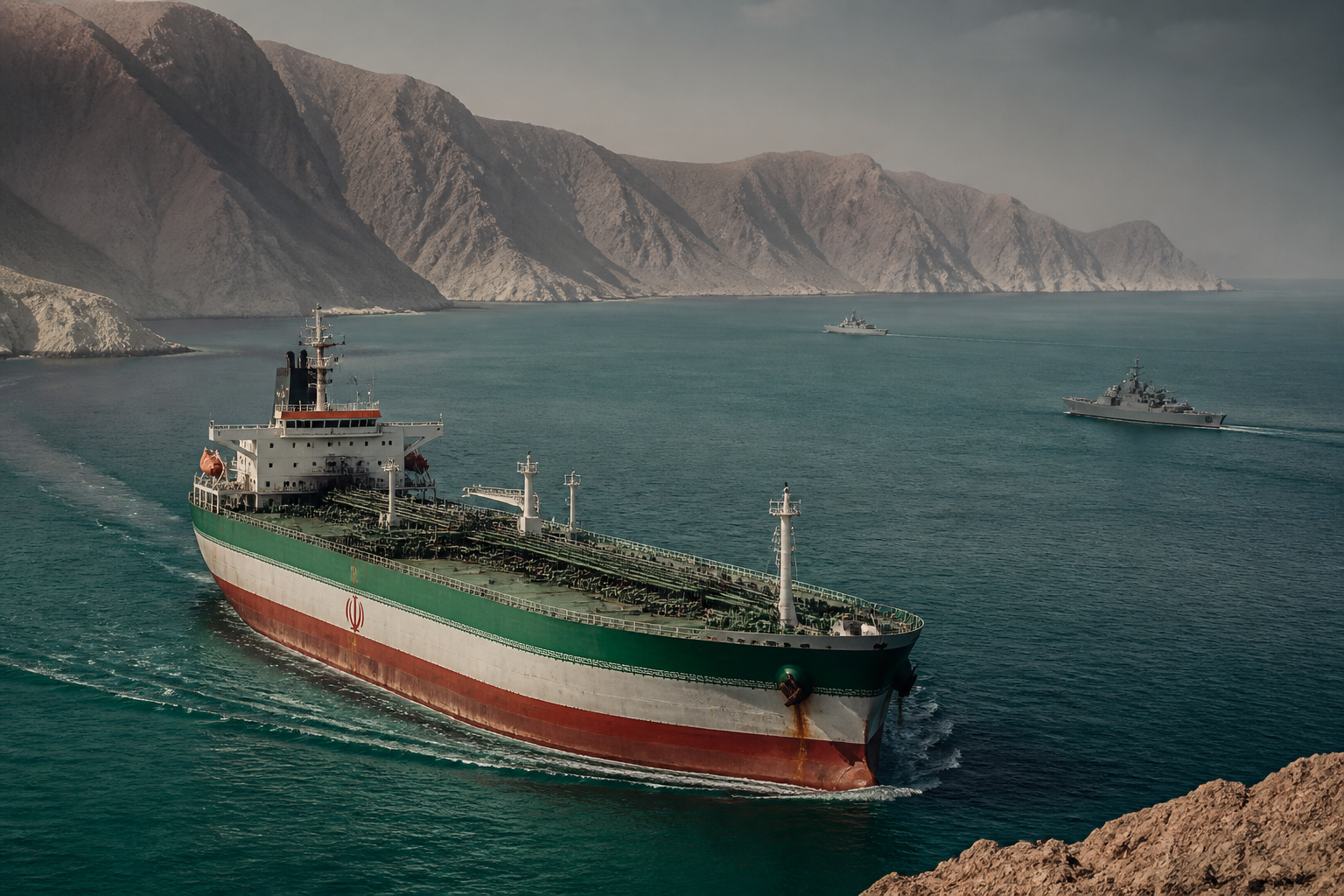
History provides a clear mirror in the 1973 oil embargo. During that crisis, the sudden weaponisation of energy by the OAPEC nations forced the West to hunt for non-OPEC alternatives, leading to the rapid development of the North Sea and Alaska’s North Slope. The current situation is the 21st-century equivalent. The perceived unreliability of the Strait of Hormuz is forcing a pivot back to the Western Hemisphere.
Just as the US reached out to its ideological rivals during the Cold War to ensure energy security, we are seeing a repeat. The difference today is that the infrastructure already exists; it merely needs capital and maintenance. The Caracas Pivot is effectively the "Norwegianisation" of Latin American energy—a move towards predictable, technocratic management of resources to ensure the regime's long-term financial viability.
What Most People Miss: The Chinese Exit
The standard narrative suggests that Venezuela is a Chinese client state. This misses the strategic shift occurring on the ground. Beijing has gown weary of Caracas’s inefficiency and the high cost of maintaining its influence in the Caribbean. Data suggests that China is quietly pivoting its energy investments toward the Gulf and Africa, where the returns are more immediate and the political risks more manageable.
This creates a vacuum that only Western technology can fill. Venezuela’s heavy oil requires proprietary thermal recovery and diluent technologies that the Chinese and Russians have struggled to replicate at scale. Maduro’s pivot to the West isn't a betrayal of his allies; it is a recognition that his allies cannot fix his oil fields. By inviting Western majors back, Caracas is gaining the leverage it needs to renegotiate its debts with Beijing from a position of renewed production strength.
Strategic Consequences
The reintegration of Venezuela into the global energy fold has three primary effects:
- Erosion of OPEC+ Cohesion: As Venezuela ramps up production, it will be less inclined to follow Riyadh’s production cuts. Its domestic requirement for cash will always outweigh its commitment to global price floors.
- The Neutralisation of the Iran Card: With 2 million barrels per day potentially returning to the market from Venezuela over the next thirty months, Tehran’s ability to crash the global economy by closing the Strait of Hormuz is significantly diminished.
- Regional Hegemony Shift: A wealthy, re-industrialised Venezuela changes the balance of power in South America, forcing neighbours like Brazil and Guyana to recalibrate their own energy and security strategies.
"In geopolitics, there are no permanent enemies, only permanent interests. The interest of the West is a stable oil price; the interest of Caracas is the survival of the state. These two lines have finally intersected."
What to Watch
- The Diluent Trade: Watch for long-term contracts involving the import of light naphtha into Venezuela. Without these diluents, their heavy crude cannot flow. It is the canary in the coal mine for production increases.
- The Chevron Extension: Any broadening of the specific licenses granted to US firms to include direct investment in drilling, rather than just maintenance, will signal the full removal of the "sanctions wall."
- Caribbean Security Pacts: Watch for renewed maritime cooperation between the Venezuelan navy and Western coast guards, ostensibly to combat smuggling, but realistically to signal a security alignment.
The KJ Verdict
Venezuela is not becoming a democracy, but it is becoming a partner. The Caracas Pivot is a cold-blooded trade: the West provides the technology and the market, and in exchange, Venezuela provides the volume necessary to break the Middle East’s stranglehold on energy security. This is a structural shift that will likely outlast current political administrations. The incentives are too strong to ignore. While the rhetoric of sanctions will remain for years, the reality on the ground is already moving toward a pragmatic, energy-led rehabilitation. Investors and analysts who wait for a formal treaty will miss the most profitable phase of this recovery.