KJ ReportsKJ Reports

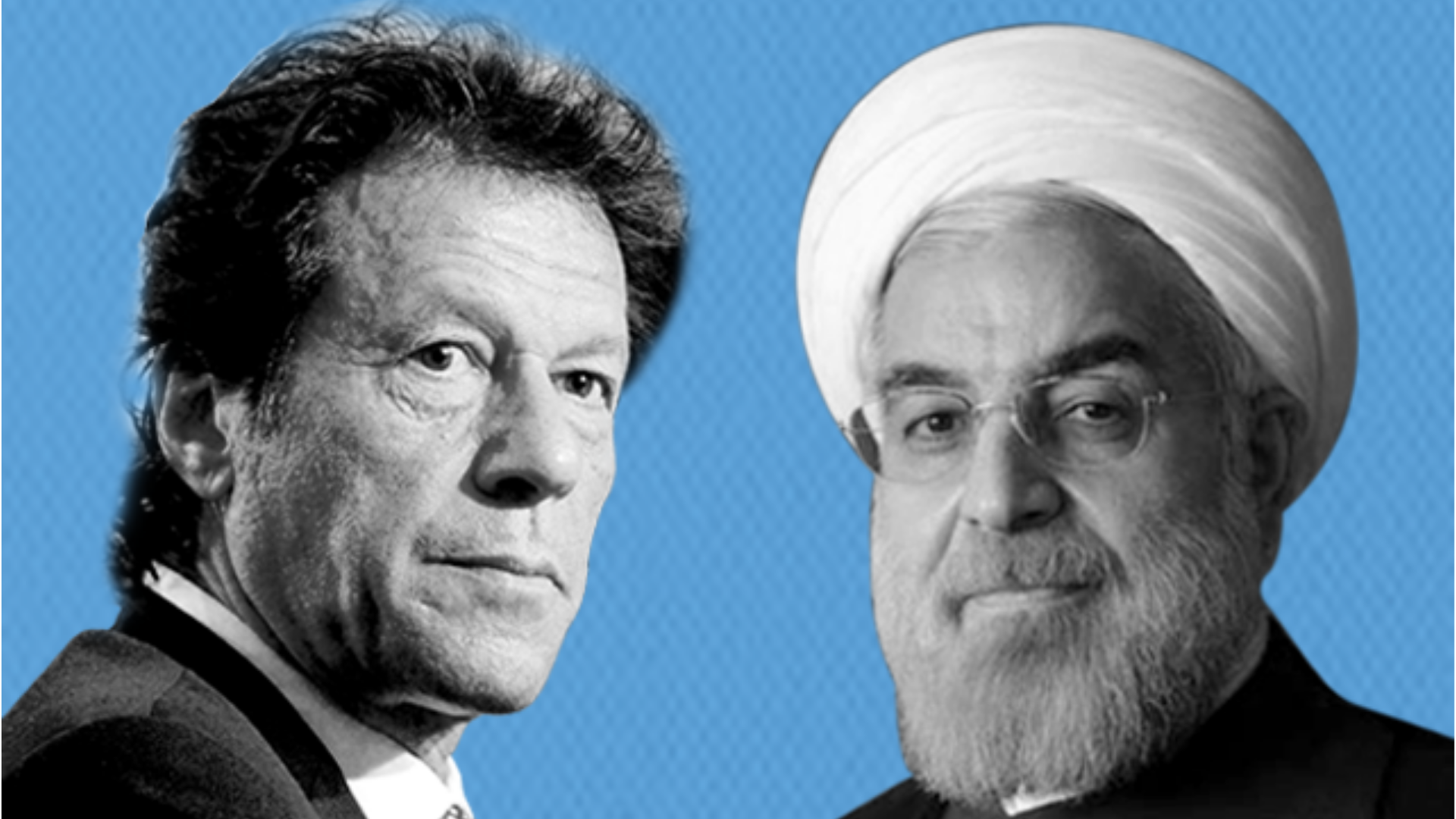
Will IMRAN KHAN face a ROCKY ROAD with IRAN? – KJ Vids

5 September 2018736

Listen to this article

KJ narrates this report in his own voice

Will IMRAN KHAN face a ROCKY ROAD with IRAN? – KJ Vids

Will IMRAN KHAN face a ROCKY ROAD with IRAN?

Pakistan’s political and strategic significance for Iran began with Pakistan’s emergence as an independent state following the Partition of India in 1947. The Shah of Iran, Mohammad Reza Pahlavi, was the first head of state to pay a State visit to Pakistan in March 1950 and in the same month, a Treaty of Friendship was signed.

But conflicting national security interests and the influence of wider competing powers have always played an important factor in shaping the Iran-Pakistan relationship, especially after the Islamic Revolution in Iran in 1979. I’m Kasim, this is KJ Vids and in this video, we will look into the relationship between Iran and Pakistan.

We hope you enjoyed and learn’t something new from our video. You can help us make more videos by supporting our crowdfunding campaign;

Patreon Link – https://www.patreon.com/kjvids
Fund My Page Link – https://www.fundmypage.com/kjvids

All Rights Reserved. Contact info@kjvids.co.uk if you are interested in licensing our content, advertising, require video editing services or would like to collaborate in other ways.
#chabahar-pipeline#chahbahar-port#gwadar-port#hassan-rouhani#imran-khan#iran#iran-president#iran-pakistan#kj-vids#pakistan#pakistan-prime-minister#shah-of-iran

Related Intelligence

More articles
The Bismarckian Pivot: India’s German Deep-Tech Realignment
South Asia

The Bismarckian Pivot: India’s German Deep-Tech Realignment

As New Delhi systematically decouples from its legacy Russian military dependency, a new strategic architecture is emerging. Berlin is no longer just a trading partner; it is becoming India’s primary engine for industrial sovereignty.

17 Jun 2026

The Iranian Chokepoint: Why $200 Oil is Tehran’s Strategic Veto
Middle East

The Iranian Chokepoint: Why $200 Oil is Tehran’s Strategic Veto

As regional tensions escalate, Iran’s ability to throttle the Strait of Hormuz has transformed from a military threat into a sophisticated macroeconomic weapon designed to neutralise Western sanctions and leverage global energy markets.

16 Jun 2026

The Islamabad Pivot: Trading Strategic Depth for Economic Survival
South Asia

The Islamabad Pivot: Trading Strategic Depth for Economic Survival

Pakistan is discarding decades of military doctrine to position itself as the vital gateway for Central Asian trade. As domestic pressures mount, Islamabad is prioritising economic rent and connectivity over traditional territorial security.

15 Jun 2026

The Atlantic Fracture: Madrid’s Defiance and the End of Iran Consensus
Middle East

The Atlantic Fracture: Madrid’s Defiance and the End of Iran Consensus

Spain’s strategic pivot away from the American-led containment of Tehran signals a profound breakdown in Western unity. As Madrid prioritises Mediterranean stability over Atlanticist aggression, the global mechanics of Iranian isolation are crumbling.

14 Jun 2026

The Shattered Shield: Why the Middle East Containment Era Is Over
Middle East

The Shattered Shield: Why the Middle East Containment Era Is Over

As direct hostilities between Iran and Israel bypass traditional Western red lines, the decades-long American strategy of regional containment has collapsed, leaving a vacuum where total war is now a structural probability.

14 Jun 2026

The Price of Restoration: Why Modern Warfare Prefers Stasis
Middle East

The Price of Restoration: Why Modern Warfare Prefers Stasis

While the Iran-US conflict cycles through fragile ceasefires and violent escalations, a deeper economic logic is emerging. Total victory is being sidelined by the lucrative prospects of managed reconstruction and regional integration.

13 Jun 2026