Tokyo is currently executing a difficult geopolitical balancing act that its Western allies prefer to ignore. While Japan remains a vocal member of the G7 coalition supporting Ukraine, it has quietly secured exemptions and maintained stakes in Russian energy projects that technically violate the spirit of the collective blockade. The reason is not political affinity, but structural survival. Japan is an energy island with no land-linked grids and a pathologically low self-sufficiency rate. For the Kishida administration and its successors, Sakhalin is not a choice; it is a geographic mandate.
The Sakhalin Exception
At the heart of this tension lies the Sakhalin-2 liquefied natural gas (LNG) project. Located just north of Japan’s Hokkaido prefecture, Sakhalin-2 provides roughly 9% of Japan’s total LNG imports. More importantly, it accounts for nearly 10% of Japan’s electricity generation. Unlike spot market purchases from the United States or Qatar, the Sakhalin supply is governed by long-term contracts at prices significantly below current global benchmarks. In an era of rampant inflation and yen volatility, these contracts are the primary stabilizers of the Japanese domestic economy.
When Shell exited the project following the 2022 invasion, Japan’s trading houses, Mitsui and Mitsubishi, did the opposite. With the explicit backing of the Ministry of Economy, Trade and Industry (METI), they retained their stakes. This creates a strange reality: Japan is simultaneously funding the Ukrainian defence through humanitarian aid and military hardware, while ensuring the Russian state-owned Gazprom receives a steady stream of Japanese capital for its gas exports. The G7 has granted Tokyo a tacit pass on this because the alternative—a total Japanese energy collapse—would destabilise the Indo-Pacific more than a few billion dollars helps Moscow.
Geography as Destiny
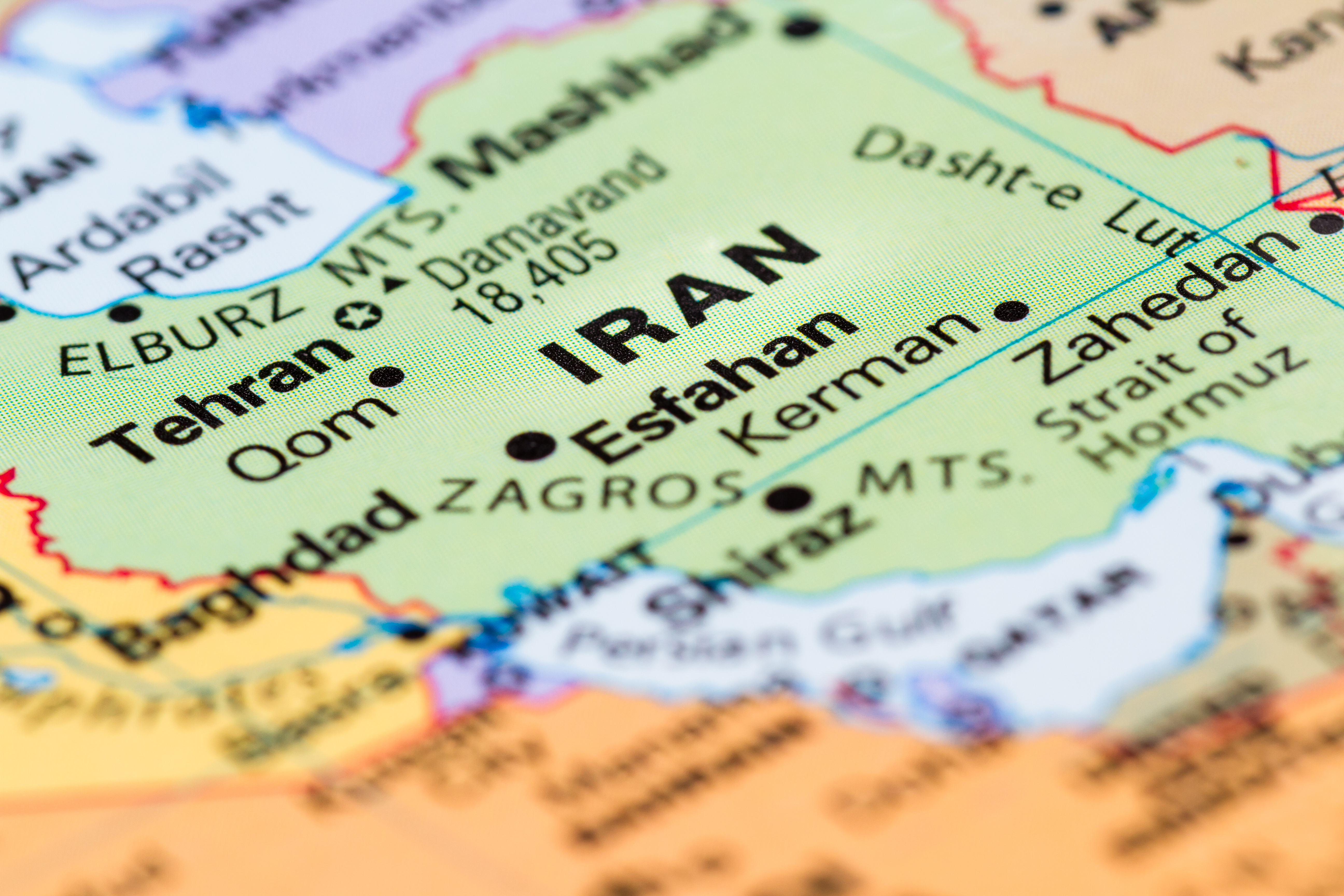
To understand why Japan breaks ranks, one must look at the map. Japan imports approximately 90% of its energy. While the United Kingdom and Germany can, in theory, pipe gas from Norway or connect to a pan-European power grid, Japan has no such luxury. Every molecule of energy must arrive by sea. This makes Japan hyper-sensitive to maritime chokepoints like the Strait of Hormuz or the South China Sea.
Sakhalin is different. The transit time from the Prigorodnoye terminal to Japanese ports is less than three days. It avoids every contested waterway in Southeast Asia. For Japan’s strategic planners, Russian gas is not just a commodity; it is a hedge against a conflict in the Taiwan Strait. If Beijing were to blockade the South China Sea, Japan’s Middle Eastern and Australian supplies would be at risk. The Northern route to Sakhalin would remain the only viable lifeline.
The Historical Parallel: The 1941 Precedent
There is a deep historical echo here. In 1941, the United States led an oil embargo against Imperial Japan to force a withdrawal from China. The result was not a diplomatic retreat, but a desperate, pre-emptive strike at Pearl Harbor to secure the oil fields of the Dutch East Indies. Modern Tokyo has internalised this lesson: when an island nation is cornered on energy, its behavior becomes unpredictable and aggressive. The current Japanese establishment is determined never to let the nation’s energy security be entirely dependent on the whims of foreign sanctions or maritime security. By maintaining a foot in Russia, they ensure they are never fully cornered.
"Energy security is national security. For a nation with no resources of its own, ideological purity is a luxury we cannot afford in a cold winter." — Internal METI briefing note memo, 2024.
What Most People Miss: The Technology Lock-in
The conversation often focuses on the flow of money, but the real anchor is infrastructure. The Sakhalin-2 plant was designed specifically with Japanese utility requirements in mind. The storage tanks, the calorific value of the gas, and the shipping schedules are all synchronised with the terminals in Tokyo Bay and Osaka. Replacing this isn't just a matter of buying from another seller; it requires billions in technical retrofitting at Japanese regasification plants. Furthermore, Japan knows that if it vacates its spot, China will immediately occupy the vacuum. For Tokyo, it is better to have a seat at the table in a Russian project than to hand the entire facility over to its primary regional rival.
Strategic Consequences
This dependency creates three primary second-order effects. First, it weakens the G7’s moral authority when pressuring Global South nations like India or Brazil to decouple from Russia. When New Delhi is told to stop buying Russian oil, they simply point to Japan’s Sakhalin exemptions. Second, it creates a permanent backchannel between Tokyo and Moscow. Even at the height of hostilities, energy technicians and diplomats must communicate. Third, it complicates Japan’s participation in future sanctions packages, particularly those targeting the Russian financial sector or shipping insurance.
What to Watch
- The Arctic LNG-2 Project: Watch if Japan continues to provide technical support despite escalating US sanctions. This will be the true test of how far Tokyo will push Washington.
- Nuclear Restart Speeds: The faster Japan restarts its idle nuclear fleet, the less leverage Russia holds. Any delay in restarts is a win for Sakhalin’s longevity.
- Yen Exchange Rates: If the Yen continues to weaken, the incentive to keep low-cost, long-term Russian contracts becomes an economic necessity rather than a strategic choice.
KJ Verdict
The world sees a unified G7, but beneath the surface, the Northern Pivot is real. Japan’s commitment to Russian energy is not a sign of weakness or a lack of resolve against aggression. It is a cold, calculated recognition that geography is the ultimate arbiter of policy. As long as Japan remains an energy-poor island, it will continue to fund the very adversary it claims to oppose. In the hierarchy of Japanese interests, the stability of the Tokyo power grid will always outrank the territorial integrity of Eastern Europe. Expect Japan to remain a member of the anti-Russia coalition in name, while remaining a vital customer of the Russian Far East in practice. This is not a contradiction; it is survival.