The Illusion of Strategic Depth
For four decades, the Pakistani security establishment pursued a singular geopolitical doctrine: strategic depth. The goal was to ensure a friendly, subservient government in Kabul that would provide a rearguard against India and respect the Durand Line. That doctrine is now dead. In its place is a terminal divorce between the Pakistani state and the Taliban movement it once nurtured. This is not a temporary spat over cross-border militancy; it is a fundamental clash over the definition of a nation-state.
The current volatility along the Kandahar Corridor—a vital economic and military artery—is the physical manifestation of this breakdown. While headlines focus on skirmishes between the Pakistan Army and the Tehrik-i-Taliban Pakistan (TTP), the deeper reality is a structural shift. The Taliban in Kabul are no longer a proxy force; they are a sovereign actor pursuing a nationalist agenda that is diametrically opposed to Pakistan’s territorial integrity.
The Incentive of Sovereignty
To understand why this divorce is happening, one must look at the incentives of the Taliban leadership. For years, Islamabad assumed that the Taliban’s ideological affinity would trump their nationalistic impulses. This was a catastrophic miscalculation. The Taliban’s legitimacy inside Afghanistan depends on their ability to act as the fierce defenders of Afghan soil. To accept the Durand Line—the 1893 British-imposed border—would be political suicide for any Afghan ruler, let alone one defined by resistance to foreign dictates.
Pakistan’s leverage has evaporated. During the insurgency, the Taliban needed Pakistani sanctuaries. Now, they hold the keys to the palace. They have transitioned from a movement seeking a home to a state seeking revenue and recognition. The TTP is not a nuisance to the Taliban; it is a strategic asset. By hosting the TTP, the Taliban maintain a lever against Islamabad, ensuring that Pakistan remains preoccupied with internal security rather than projecting influence into Afghan affairs. For Kabul, a stable, dominant Pakistan is a threat; a fractured, distracted Pakistan is an opportunity.
The Economic Fracture
Geography and money are accelerating the split. Historically, Afghanistan was a landlocked dependency of Pakistani ports, specifically Karachi. This gave Islamabad a metaphorical chokehold on the Afghan economy. However, the Taliban are aggressively diversifying. Through infrastructure projects linked to the Wakhan Corridor and increased engagement with Central Asian republics and China, Kabul is attempting to bypass the Punjab-centric trade routes.
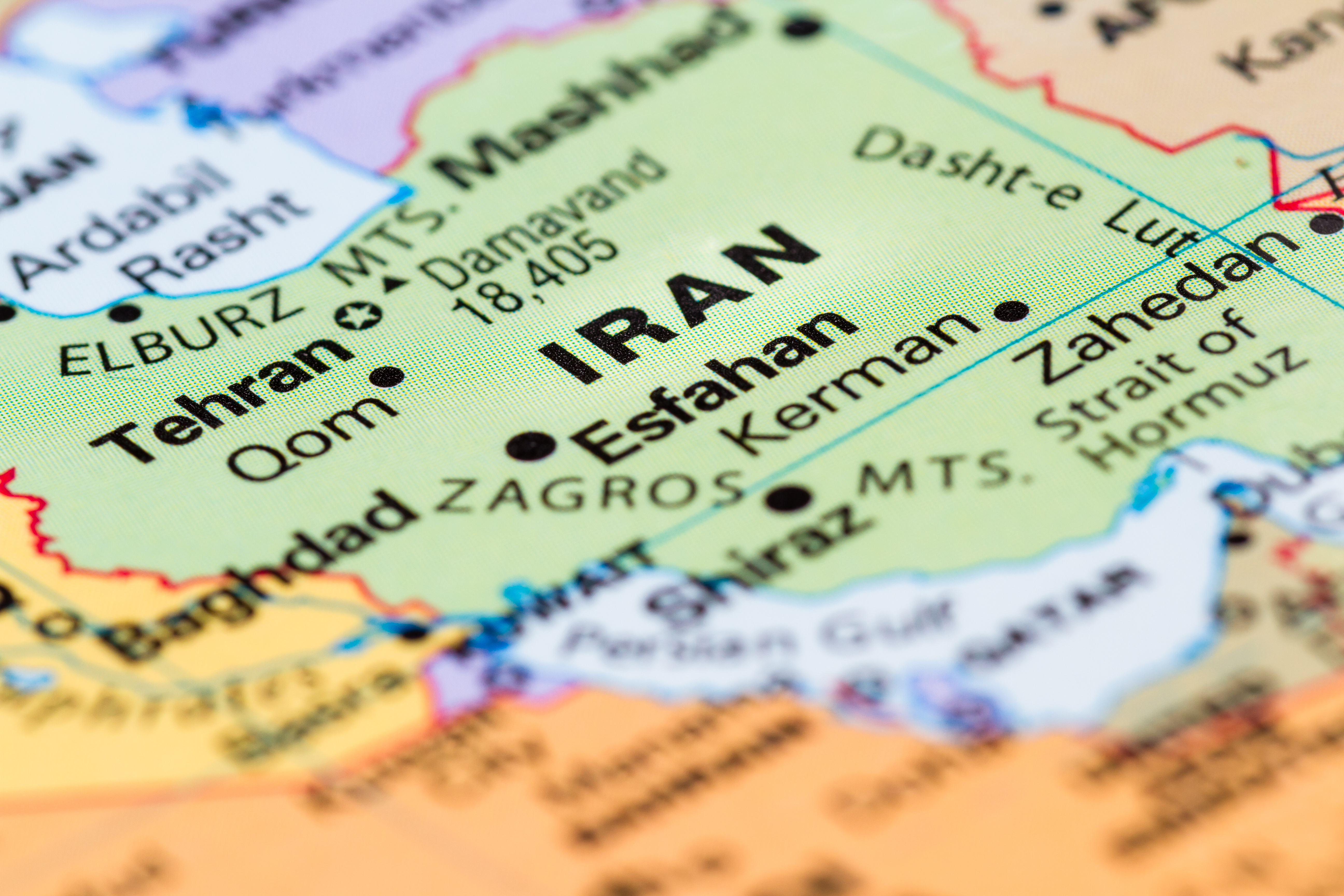
The Kandahar Corridor is the frontline of this economic decoupling. By contesting border crossings like Chaman and Torkham, the Taliban are asserting that they, not the Pakistani Rangers, dictate the flow of goods. Every time Pakistan closes the border to pressure Kabul, it merely incentivises the Taliban to accelerate their pivot toward Iran’s Chabahar port and northern trade routes. Pakistan is losing its primary tool of non-military coercion.
A Historical Parallel: The Sorcerer’s Apprentice
The situation mirrors the classic literary trope of the apprentice who summons forces he cannot control. In the late 19th century, the British Empire used the Afghan frontier as a buffer zone, creating a system of "managed instability" to protect the crown jewel of India. They believed that by drawing arbitrary lines and subsidising local chiefs, they could contain the fires of the Hindu Kush.
Pakistan adopted this British colonial playbook in the 1980s and 1990s. They believed they could cultivate a militant force that would fight their enemies abroad while remaining obedient at home. Like the British before them, Islamabad has discovered that the frontier does not follow the scripts written in air-conditioned rooms in Rawalpindi. The TTP is the mirror image of the original Taliban—the same ideology, the same tactics, but directed inward at the Pakistani state. The fire has jumped the firebreak.
What Most People Miss: The Ethnic Consolidation
Most analysts view this as a counter-terrorism problem. That is a mistake. This is an ethnic consolidation problem. The Durand Line bisects the Pashtun heartland. For the first time in a century, the Pashtuns on the northern side of the line are unified under a single, militarily capable authority. The Taliban’s refusal to recognise the border is not just about geography; it is about the long-term vision of a unified Pashtunistan.
While the Taliban do not explicitly campaign for Pashtunistan in their official decrees, their actions tell a different story. By removing border fencing and providing safe haven to groups challenging the Pakistani state, they are effectively erasing the border on the ground. They are betting that the Pakistani state, burdened by debt and internal political paralysis, will eventually lack the stomach to man a 2,600-kilometre hostile frontier indefinitely. What we are witnessing is the slow-motion de facto reunification of a tribal region that never accepted the map of 1847 or 1893.
Strategic Consequences
The fallout of this divorce will reshape South Asian security for a generation. First, Pakistan will be forced to reorient its military posture. For decades, the bulk of its forces faced India to the east. Now, it faces a permanent, two-front security dilemma. This will drain the national exchequer and limit Pakistan’s ability to compete with India in the conventional military sphere.
Second, the regional power balance is shifting. China, which once viewed Pakistan as its primary gateway to Afghan minerals, is now forced to deal directly with Kabul. Beijing is pragmatic; if Pakistan cannot provide security or access, China will deal with whoever can. The Taliban are already courting Chinese investment in the Mes Aynak copper mine and oil blocks in the Amu Darya basin, effectively cutting out the Pakistani middleman.
What to Watch
- Fencing Tensions: Watch for increased physical destruction of the border fence by Taliban units. This is the clearest indicator of their refusal to accept the status quo.
- TTP Offensives: Monitor the frequency of TTP attacks in Khyber Pakhtunkhwa. If the scale increases, it suggests Kabul has given a full green light for escalation.
- The Chaman Protest Movement: The civil unrest in border towns regarding visa requirements is a pressure point the Taliban will exploit to undermine Islamabad's authority.
- Kabul-Tehran Rapprochement: Any significant trade deals between the Taliban and Iran regarding the Chabahar port will signal the final economic break from Pakistan.
KJ Verdict
The era of Pakistan as the kingmaker in Afghanistan is over. The Taliban have achieved what no other Afghan government has: they have turned the tables on their erstwhile patrons. Islamabad is now trapped in a cycle of reacting to a crisis it helped create, while Kabul plays a patient game of territorial and ethnic assertion. The divorce is not coming; it has already happened. The only remaining question is how much of the border remains standing when the dust settles. Expect a long, low-intensity conflict that will eventually force Pakistan to choose between a costly permanent occupation of its own frontier or a humiliating retreat from the Durand Line.