The consensus in early 2022 was that a 'financial nuclear option' would bring Russia to its knees within months. By disconnecting major banks from SWIFT and freezing central bank reserves, the G7 sought to trigger a systemic liquidity crisis. Eighteen months later, the Russian economy has not collapsed. Instead, it has transitioned into a high-pressure war footing characterized by massive state stimulus, imported substitution, and a fundamental redirection of trade toward the Global South. The West overestimated its leverage over a G20 economy that is also a primary producer of the world’s most essential commodities. The sanctions did not fail to cause pain; they failed to achieve their strategic objective: the exhaustion of the Kremlin's capacity to wage war.
The Incentive of Survival
When a state is excluded from the global financial architecture, its incentives shift from efficiency to resilience. For three decades, Russia was a net exporter of capital and a passive consumer of Western technology. Sanctions destroyed that equilibrium. The primary driver of Russia's current resilience is a massive fiscal injection. The Kremlin has abandoned the fiscal conservatism of the 'Fortress Russia' era in favour of a military-industrial Keynesianism. By pouring billions into the defence sector, the state has inadvertently stimulated a broader industrial recovery. Factories are running three shifts. Unemployment is at record lows. Wages in industrial hubs are rising as the state outbids the private sector for labour. This is not sustainable long-term growth, but in the context of a war of attrition, it provides the necessary internal stability to stay in the fight.
The Shadow Fleet and the Global South
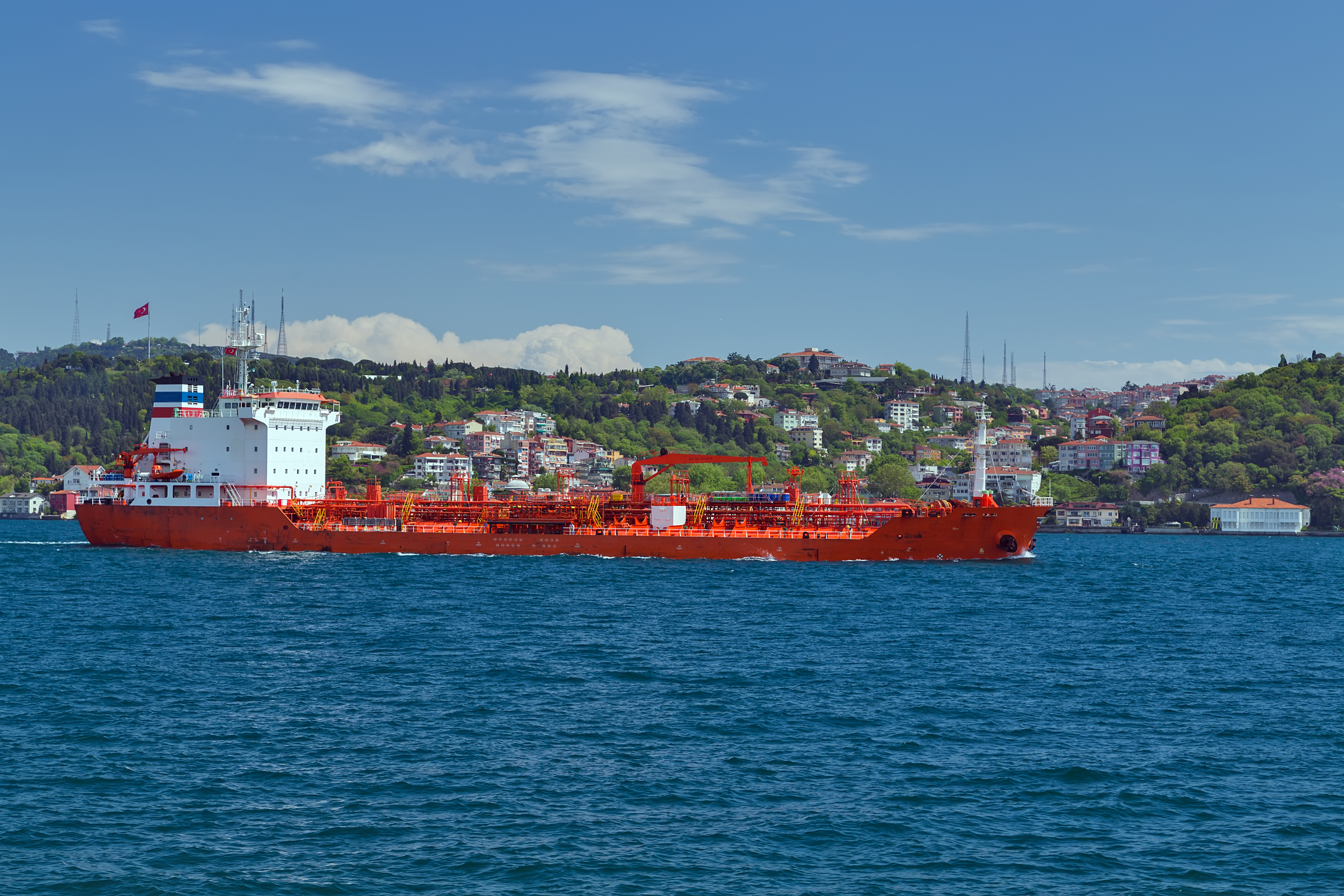
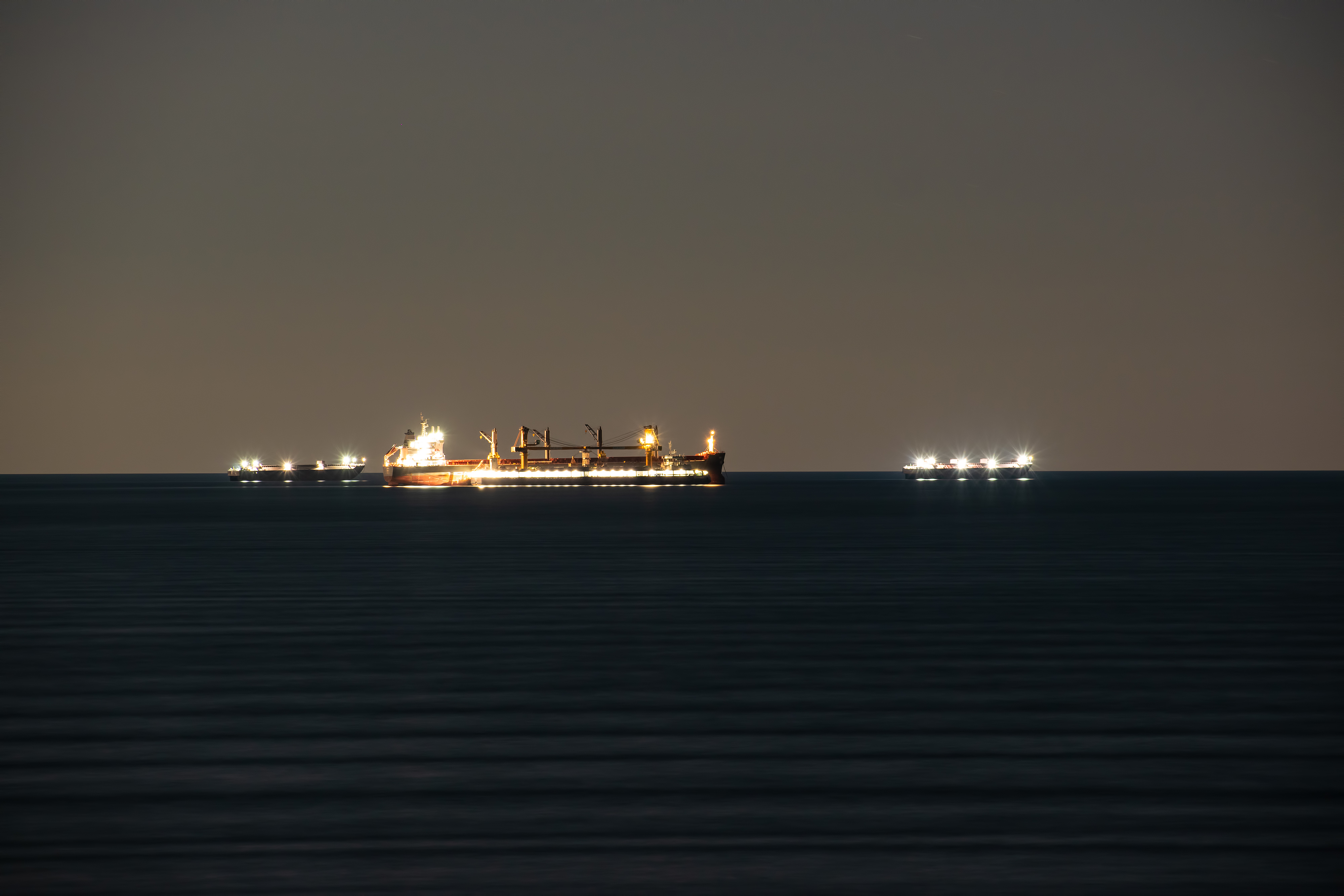
The failure of the oil price cap illustrates the limits of Western maritime and insurance dominance. Instead of buckling under the G7 restrictions, Moscow assembled a 'shadow fleet' of ageing tankers, bypassing Western insurance and shipping services. This move did more than just move oil; it decoupled the Russian energy trade from the Euro-Atlantic infrastructure. India and China are not merely opportunistic buyers; they are now the structural pillars of the Russian budget. By paying in non-dollar currencies, these nations are helping Moscow build an alternative financial ecosystem that is increasingly insulated from the reach of the US Treasury.
The Historical Parallel: The Napoleonic Blockade
History suggests that economic blockades rarely achieve political capitulation when the target possesses vast internal territory and essential resources. During the Napoleonic Wars, the Continental System aimed to bankrupt Britain by prohibiting trade with neutral powers. Not only did it fail, but it also forced Britain to accelerate its colonial trade and industrial innovation, eventually strengthening its global position. Similarly, the sanctions on Russia have functioned as a protectionist barrier, forcing Russian firms to develop domestic alternatives or turn to Chinese suppliers. While the quality of technology may have dipped, the availability of 'good enough' equipment has ensured that the wheels of the economy continue to turn.
What Most People Miss: The Capital Retainment Loop
The most significant unintended consequence of sanctions is the forced retention of capital within Russia. Previously, Russian elites and corporations funnelled hundreds of billions of dollars into Western real estate, London equities, and offshore accounts. Sanctions and the freezing of assets made the West a dangerous place for Russian money. Consequently, that capital is now being reinvested domestically. For the first time in the post-Soviet era, the Russian wealthy have no choice but to bet on the domestic market. This inward flow of capital has mitigated the impact of the loss of foreign direct investment, creating a domestic investment boom in sectors ranging from tourism to micro-electronics.
Strategic Consequences
The long-term result is the emergence of a bifurcated global economy. We are seeing the permanent loss of Western influence over the Russian market. Once supply chains are reoriented toward Shanghai and Mumbai, they do not easily flip back. Furthermore, the weaponization of the dollar has accelerated a global search for alternatives. While the dollar remains the world’s reserve currency, the psychological threshold has been crossed. Middle powers now view diversification as a matter of national security, not just economic policy. This shift weakens the future efficacy of sanctions as a tool of Western statecraft.
What to Watch
- The Labour Crunch: Russia's industrial boom is hitting a ceiling caused by a shortage of skilled workers, exacerbated by military mobilisation and emigration.
- Chinese Dependency: Watch for the shift from Russia being a 'partner' of China to a 'vassal' as its reliance on the Yuan and Chinese chips becomes total.
- The Rouble-Inflation Spiral: Massive state spending is driving inflation; the Central Bank’s ability to hike rates without killing the industrial recovery is the Kremlin's biggest internal risk.
- Secondary Sanctions: Whether the US begins targeting Indian or Turkish banks for facilitating Russian trade will be the next major escalation point.
KJ Verdict
The Western sanctions regime was built on the assumption that Russia was a globalised economy that valued integration more than territorial ambition. That assumption was false. By attempting to isolate a crucial node in the global energy and food supply chain, the G7 gave Russia the ultimate incentive to build an autarkic, parallel system. While the Russian economy will be poorer, less technologically advanced, and more dependent on China in the decade ahead, it has proved that it can survive the West's best economic shots. The war in Ukraine will be decided by industrial capacity and political will, not by the balance sheet of the Russian central bank.