The Structural Price of Sovereignty
Europe has achieved what many thought impossible in early 2022: it has almost entirely decoupled its economy from Russian fossil fuels. This was a triumph of logistics, political will, and mild winters. However, the victory is not a return to the status quo. It is a permanent transition to a higher-cost floor that is currently hollowing out the European industrial heartland. The divorce from Moscow was not just a change of supplier; it was the destruction of the business model that powered European, and specifically German, prosperity for five decades.
The era of 'peace dividend' energy is over. While gas storage levels remain healthy and prices have stabilised from their 2022 peaks, they remain structurally higher than those in North America or those previously provided by Gazprom. This delta is the quiet killer of European competitiveness. Capital is not fleeing Europe because of the war; it is fleeing because the math of heavy industry no longer works on the continent. We are witnessing the beginning of a multi-decade shift in global manufacturing power, driven by the molecular cost of energy.
The Incentive of the Middleman
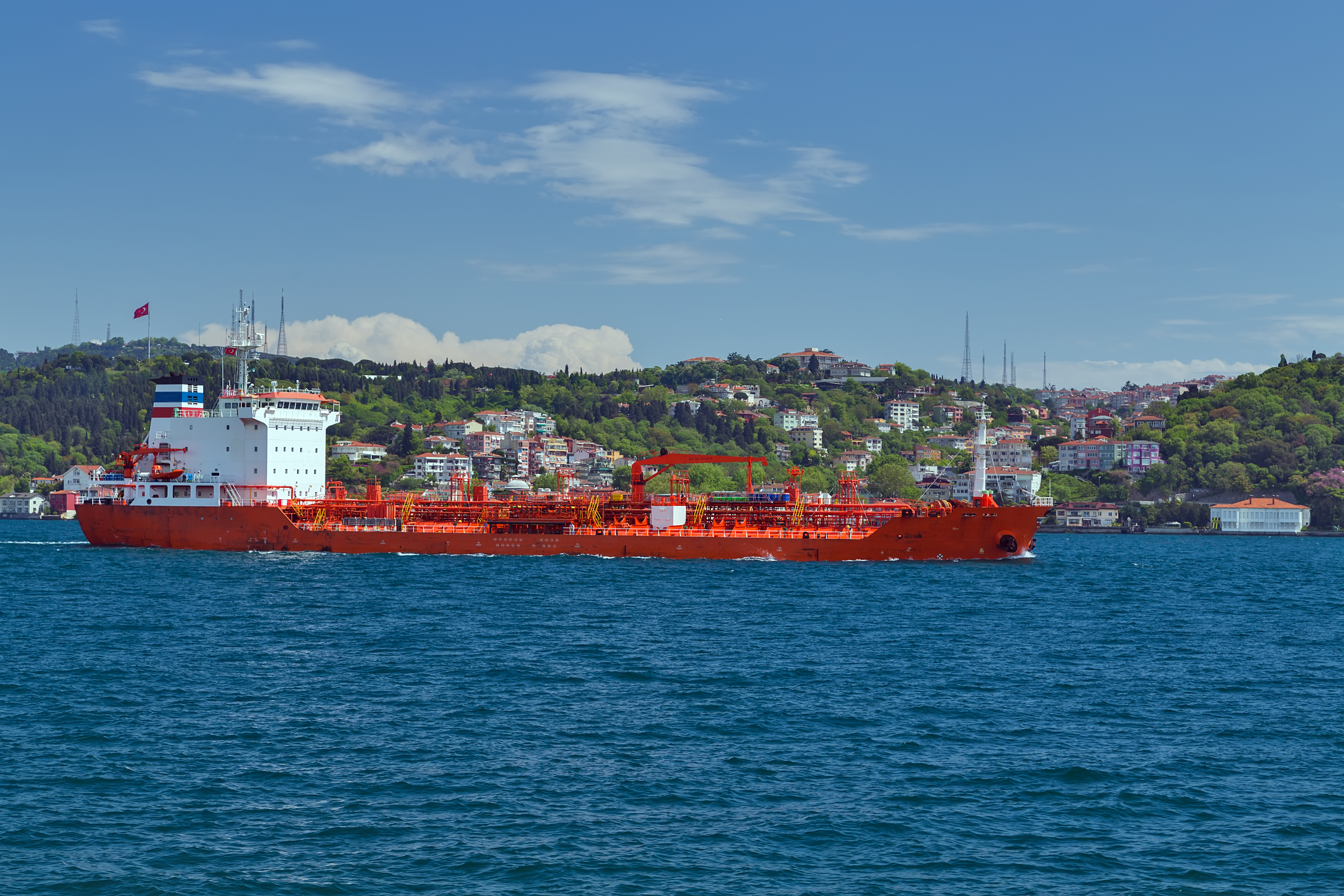
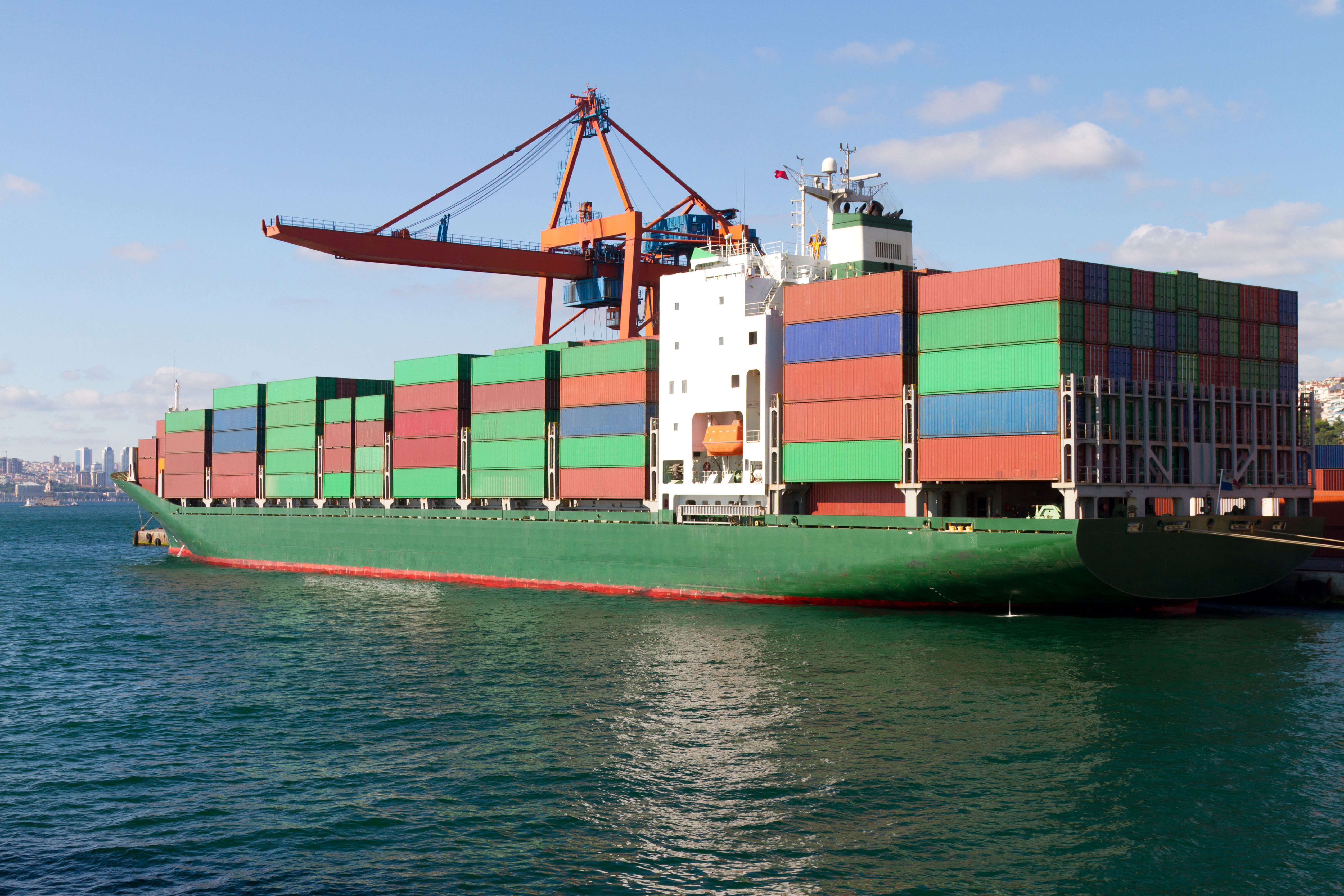
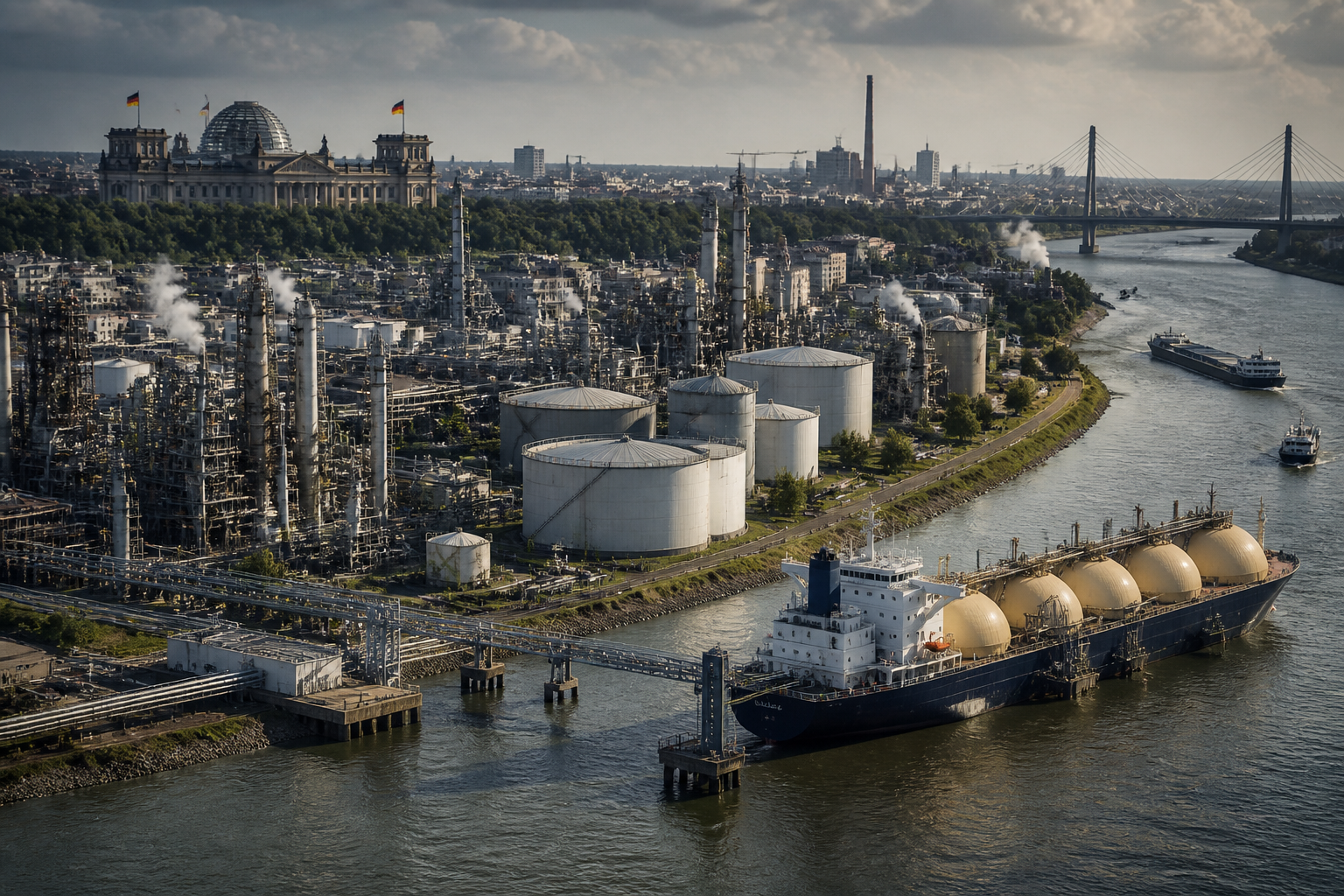
To understand why this happened, we must look at who benefits from the new arrangement. The primary beneficiary is the United States, followed closely by Qatar and Norway. By transitioning to Liquefied Natural Gas (LNG), Europe has moved from a fixed-infrastructure relationship with a nearby land power to a spot-market relationship with maritime powers. This has two critical second-order effects.
First, it makes Europe vulnerable to global price shocks in a way the pipeline era did not. If a heatwave hits Tokyo or a hurricane strikes the Gulf of Mexico, German manufacturers pay the price. Second, it has tethered European foreign policy to Washington with a strength that exceeds the Cold War era. Energy security is now a subset of the US-EU security relationship. Brussels cannot afford to break with Washington on major geopolitical issues because it relies on the American energy industry to keep its lights on.
The Historical Parallel: The Suez Crisis
The current energy pivot resembles the aftermath of the 1956 Suez Crisis, which marked the definitive end of Britain and France as independent global orchestrators. Suez forced Europe to realise that its strategic autonomy was a mirage without secure, independent energy and logistics. Today, the loss of Russian gas has similarly forced a 'moment of truth' for the European Project. Just as Suez led to the creation of the EEC to seek strength in unity, the current crisis is forcing a massive, state-led push into renewables and hydrogen. The difference is the speed of the global economy. In 1956, Europe had decades to adjust. In 2025, the rise of Chinese industrial overcapacity means Europe is being squeezed while it is still trying to find its footing.
What Most People Miss: The Chemistry Trap
Most analysis focuses on heating homes and generating electricity. This misses the real danger: the chemical and metallurgical sectors. Natural gas is not just a fuel for Germany; it is a feedstock. You cannot build a modern economy without ammonia, ethylene, and high-quality steel. When gas prices rise, the cost of these base materials fluctuates wildly. This creates a 'cascading cost' effect throughout the value chain. It is cheaper for a German carmaker to import chemicals from a plant in Texas or China than to buy them from a domestic supplier like BASF. This is not a temporary dip; it is the dismantling of the integrated industrial clusters that made Europe an export powerhouse. Once these clusters break, they do not reform.
Strategic Consequences
The first consequence is the internal stretching of the European Union. Economic divergence between the 'frugal' north and the indebted south was once the main threat. Now, the threat is an industrial hollow in the centre. If Germany’s Mittelstand—the small and medium enterprises that form the backbone of its economy—cannot survive the energy transition, the fiscal engine of the EU fails. This will lead to more protectionist measures and domestic subsidies, potentially triggering trade friction between EU member states.
The second consequence is the eastward tilt of Russia. Forced out of the European market, Moscow has completed its infrastructure pivot to Asia. This isn't just about selling oil to India; it’s about a deep, structural integration with the Chinese economy. Russia is becoming a resource colony for Beijing, while Europe becomes an energy client of Washington. The 'Eurasian' space that once served as a bridge is now a hard fault line.
What to Watch
- The US Export Debate: Watch for domestic political pressure in the United States to limit LNG exports to keep US domestic prices low. If Washington prioritises its own consumers over European allies, the 'energy divorce' will turn into a security crisis.
- Subsidisation Wars: Monitor the volume of state aid being pumped into French and German industries. This is a bellwether for how much the 'market' has failed to provide a viable energy solution.
- The Hydrogen Pipeline: Look for real progress on the 'H2Med' and other hydrogen corridors. If these remain 2030 targets and not 2026 realities, the industrial exit will accelerate.
The KJ Verdict
The 'energy divorce' from Russia was a geopolitical necessity but an economic catastrophe. Europe has traded a dependency on a hostile neighbour for a dependency on an expensive ally and a volatile world market. While the EU has avoided a total collapse, the cost is the slow erosion of its industrial base. The continent is moving from being a maker of things to a buyer of things, fueled by debt and subsidized by governments. Unless Europe can solve the price-gap between LNG and the old pipeline model through a massive, rapid breakthrough in domestic generation, its era as a global industrial peer to the US and China is effectively over.