The Triumph of Reality over Ideology
The rehabilitation of the Syrian government is not a moral endorsement; it is a cold, calculated acknowledgement of physical reality. For over a decade, regional powers waited for the collapse of the House of Assad. Today, Damascus has secured its borders, retained its capital, and outlasted its adversaries. The Arab world has ceased asking how to remove Assad and started asking how much it costs to live with him.
Assad’s return to the Arab fold serves three primary incentives. First, the Captagon crisis has turned Syria into a narco-state that threatens the social fabric of the Gulf. Normalisation is the price paid for border security. Second, the regional desire to dilute Iranian influence requires Damascus to have alternatives to Tehran. Third, the fatigue of the 'forever wars' has shifted the regional priority from regime change to reconstruction and refugee repatriation. Power in the Middle East is flowing back toward centralisation and the preservation of the state, regardless of the ruler.
The Long Stalemate
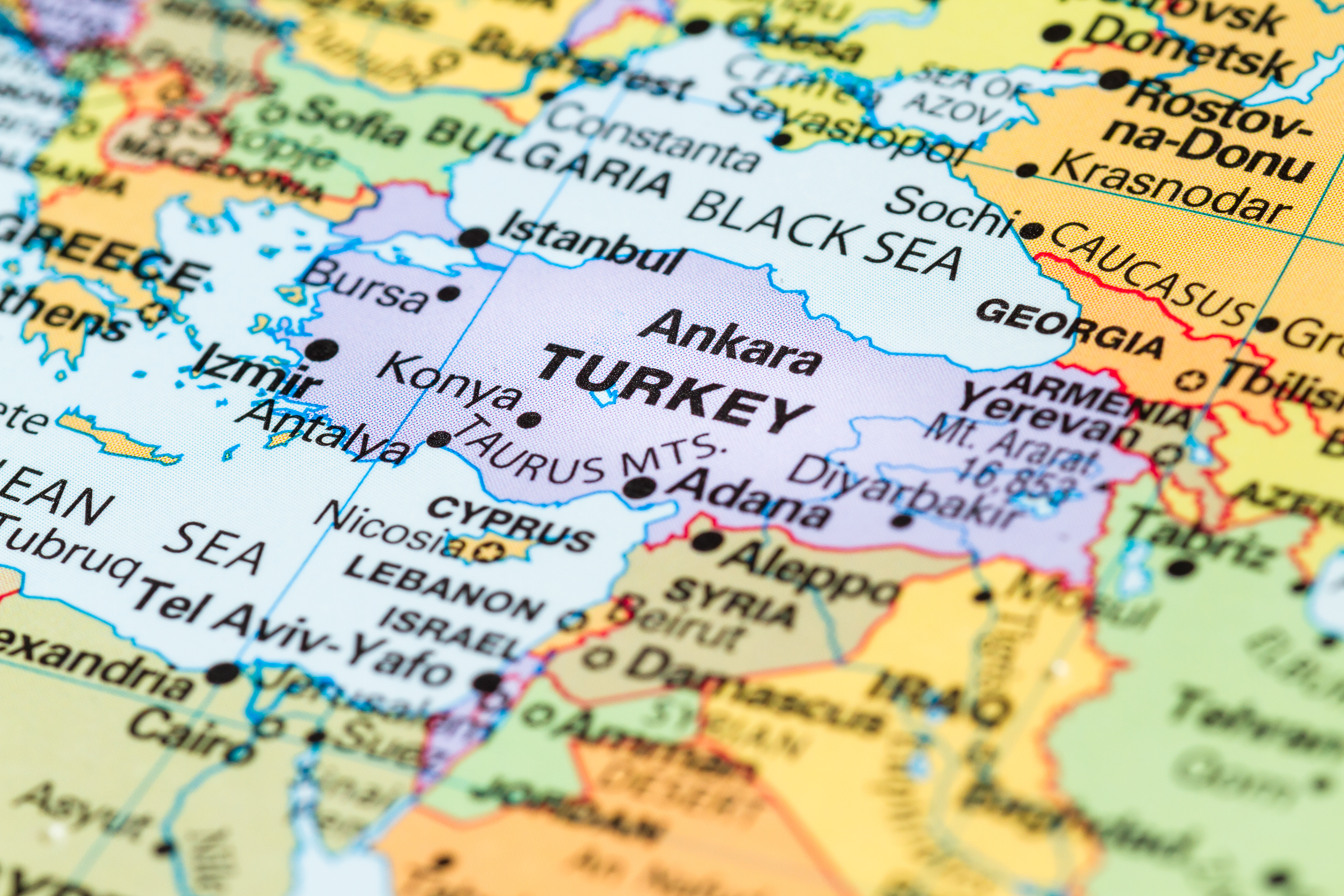
Syria exists in a state of frozen fragmentation. The government controls the populous 'useful Syria' in the west; the Americans and their Kurdish allies hold the oil and wheat in the east; the Turks occupy a northern buffer. This partition is no longer seen as a prelude to a final showdown, but as a semi-permanent status quo. For Riyadh and Abu Dhabi, an isolated Syria is a vacuum filled by Iran and Turkey. A reintegrated Syria is a sovereign entity that can, theoretically, be balanced within an Arab framework.
The Incentive of the Reconstruction Bill
Money is the primary lever. While Western sanctions remain a significant hurdle, Gulf capital is the only realistic source for the hundreds of billions required to rebuild Syria's shattered infrastructure. This creates a transactional relationship. Assad needs the cash to prevent internal social collapse; the Gulf needs the influence that cash buys. We are witnessing the 'economisation' of Syrian foreign policy, where security concessions are traded for investment projects.
The Historical Parallel: Egypt after 1967
The current Syrian trajectory mirrors Egypt’s pivot after the 1967 Six-Day War. Following a period of radical pan-Arabism and alignment with the Soviet Union, Egypt eventually realised it could not achieve its domestic goals through constant ideological warfare. Just as Anwar Sadat eventually traded Soviet alignment for Western-backed stability, Damascus is attempting a multi-vector balancing act. It will not abandon its alliance with Iran or Russia—its survival depends on them—but it is diversifying its portfolio to ensure it is never again entirely dependent on any single patron.
What Most People Miss
The conventional wisdom suggests that normalising with Assad is a victory for Iran. The reality is more nuanced. Iran thrives in chaos and state failure; it struggles to maintain its grip on strong, functioning sovereign states. By strengthening the Syrian state apparatus through Arab diplomatic recognition and economic ties, the Gulf kingdoms are actually making Syria more difficult for Tehran to manage. A weak Assad is an Iranian proxy; a moderately stable Assad is a Ba'athist nationalist who prefers to be a regional player rather than a subordinate junior partner. The strategic goal of the Arab League is not to expel Iran from Syria—which is impossible in the short term—but to create enough friction between Damascus and Tehran to prevent a total strategic merger.
Strategic Consequences
- The End of the Arab Spring: The formal acceptance of the Syrian government marks the final burial of the 2011 democratic uprisings. The regional consensus has returned to authoritarian stability as the preferred model.
- The Turkish Dilemma: Ankara now faces a choice between indefinite occupation and a negotiated withdrawal that guarantees border security. As the Arab world normalises with Assad, Turkey’s presence becomes increasingly anomalous and diplomatically expensive.
- The Sanctions Paradox: While the US and EU maintain heavy sanctions, their effectiveness is diminishing as regional actors find creative ways to bypass them. This creates a growing rift between Western 'values-based' foreign policy and Middle Eastern 'interest-based' realism.
- Refugee Pressure: Jordan and Lebanon, burdened by years of hospitality, are the loudest advocates for normalisation. They view the return of refugees as an existential economic necessity, regardless of the political cost.
What to Watch
- The M4 Highway: Watch for joint security patrols or trade agreements regarding this critical east-west artery. It is the barometer for Syrian-Turkish-Russian cooperation.
- Gulf Bank Branches: The opening of regional financial infrastructure in Damascus would signal that the 'sanctions wall' has been effectively breached.
- Captagon Interdictions: A significant drop in drug seizures at the Jordanian border would be the first tangible proof that Assad is fulfilling his end of the bargain.