Turkey is no longer content acting as the southeastern sentry of the Western alliance. Over the last decade, Ankara has quietly built a sophisticated model of strategic autonomy that leverages indigenous military technology to bridge the gap between its modest economic weight and its vast geopolitical ambitions. This is not mere nostalgia for the Ottoman past; it is a calculated response to a multipolar world where traditional alliances offer diminishing returns.
The Logic of the High-Low Mix
The core of Turkey’s projection power lies in its development of a high-impact, low-cost military-industrial complex. While the United States and Europe focused on exquisite, multi-billion dollar platforms like the F-35, Turkey invested in the 'middle tier'. The Bayraktar TB2 and its successors are more than weapons; they are instruments of diplomatic currency. By supplying drones to Azerbaijan, Libya, and Ukraine, Turkey has altered the course of three distinct conflicts without committing significant ground troops. This provides Ankara with 'escalation dominance' a degree of leverage that prevents larger powers from sidelining Turkish interests in regional negotiations.
Bases as Geopolitical Anchors
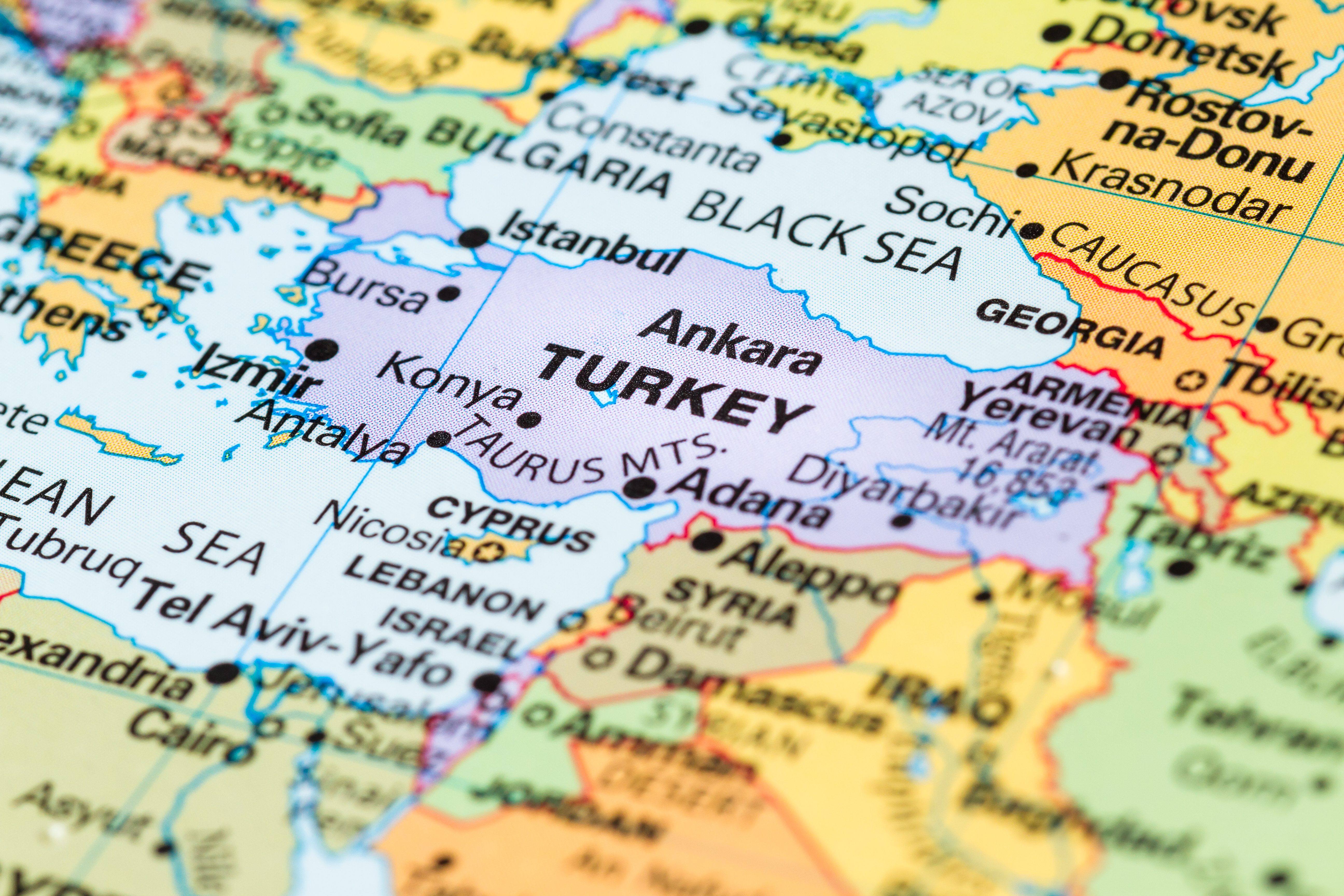
Ankara’s footprint now stretches from the Horn of Africa to the South Caucasus. The establishment of military facilities in Qatar, Somalia, and Northern Cyprus, alongside a persistent presence in Iraq and Syria, creates a 'strategic depth' that secures Turkish energy interests and trade routes. These bases serve two purposes: they safeguard against the encirclement Turkey fears from rivals like Greece and the UAE, and they ensure that no regional settlement can be reached without Ankara’s seat at the table.
The Historical Parallel: The Venetian Model
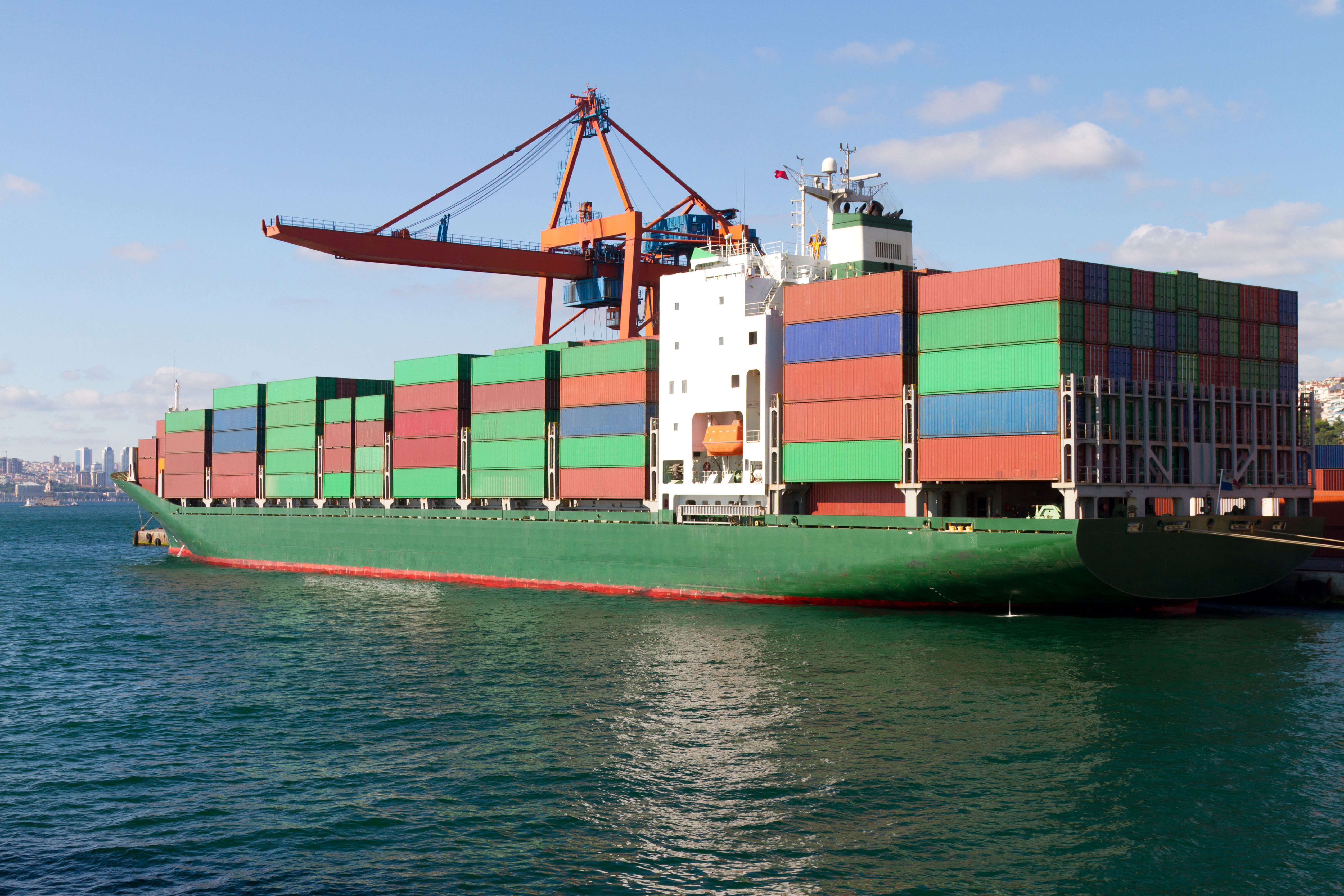
Historians often compare Turkey to the late Ottoman Empire, but the more accurate parallel is the Republic of Venice at its height. Venice was a medium-sized state that punched above its weight by controlling critical maritime chokepoints and maintaining a highly specialised naval industry. Like Venice, Turkey is using its unique geography—controlling the Bosphorus and bridging the Mediterranean and Black Seas—to act as the indispensable broker. It creates value not through total dominance, but through the ability to facilitate or frustrate the ambitions of much larger empires, namely Russia and the United States.
What Most People Miss: The Internal Incentive
Analysis of Turkish foreign policy often ignores the domestic economic necessity behind the 'Neo-Ottoman' reach. Turkey lacks significant sovereign energy reserves and suffers from chronic currency instability. The aggressive push into the Eastern Mediterranean and the marketing of its defence industry are survival strategies. Every drone export is a source of hard currency; every offshore gas claim is a potential solution to a structural trade deficit. For President Erdoğan, foreign policy is the primary tool for domestic economic stabilising. The 'Blue Homeland' (Mavi Vatan) doctrine is as much about the price of bread in Ankara as it is about maritime borders.
Strategic Consequences
The result is a Turkey that is 'in NATO but not of NATO'. This creates a fundamental friction within the alliance. Ankara sees its membership as a shield against Russia, but refuses to let that shield limit its bilateral dealings with Moscow or its interventions in the Middle East. For the West, this makes Turkey an unreliable partner but an impossible enemy. For the Middle East, it introduces a third pole—neither the Iranian 'Axis of Resistance' nor the status-quo bloc led by Riyadh—that appeals to states seeking a modern, Islamist-lite model of sovereignty.
What to Watch
- The Development of the KAAN: Turkey’s fifth-generation fighter jet will determine if it can sustain technological independence without US components.
- Normalization with Damascus: A potential pivot in Syria would signal that Turkey is prioritising border security and refugee repatriation over regime change.
- Zangezur Corridor: Any attempt to force a land link between Azerbaijan and Turkey through Armenia would represent a significant escalation of Ankara’s Caucasian ambitions.
- Maritime Boundary Disputes: Continued tension over the Aegean and Mediterranean seabed will test the limits of European solidarity with Greece.
The KJ Verdict: Turkey’s trajectory is not a temporary detour from Western integration; it is a permanent realignment. Ankara has realised that in a fragmented world, the most valuable asset is the ability to say 'No' to both Washington and Moscow. By decoupling its security from external providers and anchoring its influence in exported hardware and regional bases, Turkey has successfully established itself as the arbiter of the Eastern Mediterranean. Expect Ankara to remain the world's most disciplined 'swing power' for the foreseeable future.