1. India takes aggressive action
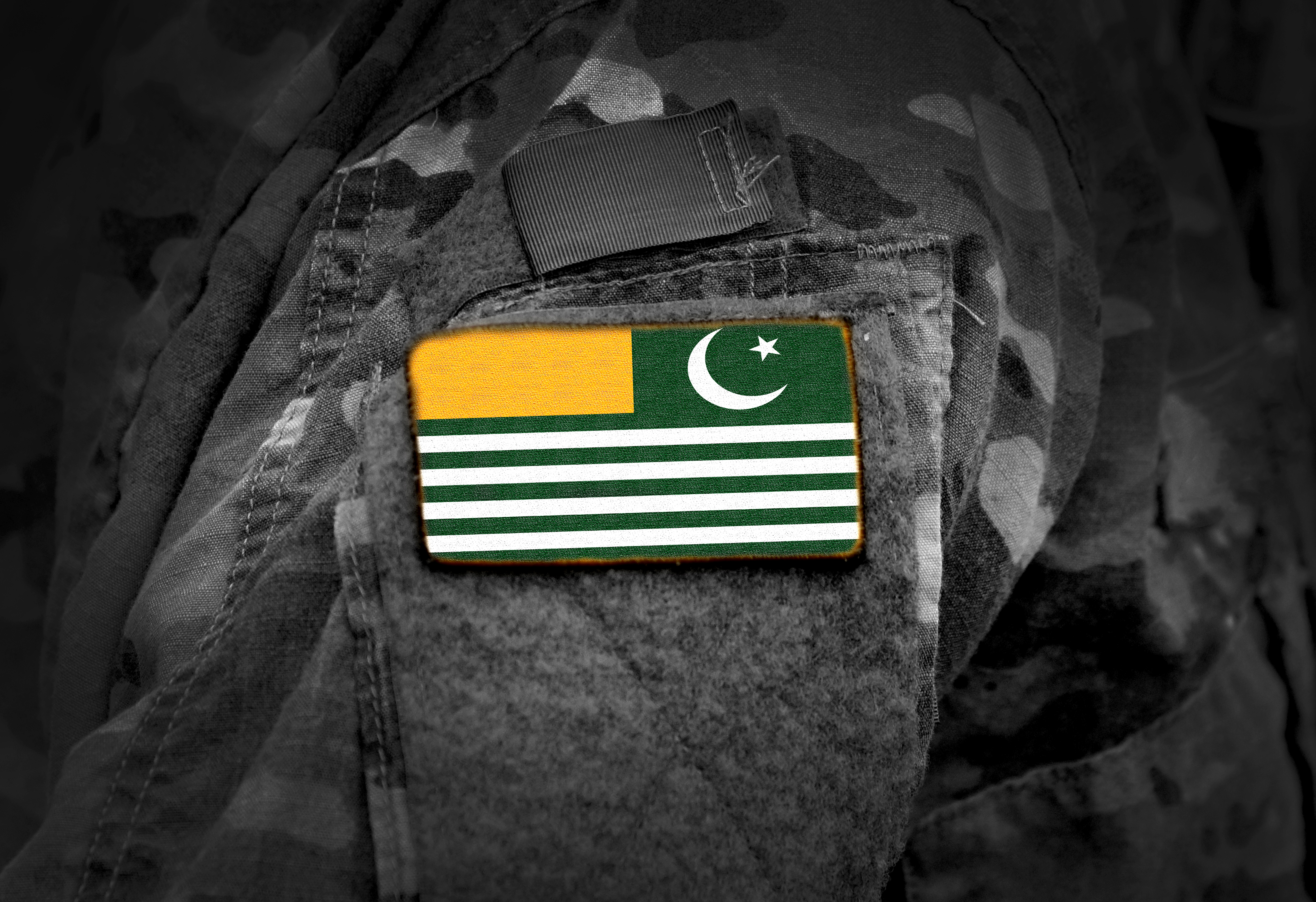
Kashmir was long protected by article 370, which allowed Kashmir a certain amount of autonomy – its own constitution, a separate flag and freedom to make laws, while the defence, communications and foreign affairs were controlled by the central government. This was long opposed by PM Modi and the BJP, and India has now taken the provocative step, scrapping article 370, and forcefully placing Kashmir on the same footing as the rest of India. Many in Kashmir believe India wants to change the demographics of the region, to integrate it into Indian society as the government please. As a result, Kashmir will no longer have a separate constitution but will have to abide by the Indian constitution much like any other state and all Indian laws will be automatically applied to Kashmiris, and people from outside the state will be able to buy property there. The government has shown no regret or stalling, as they said it would help develop the region. But that is not all, as in another move that has outraged both Indian opposition and the UN, The government is also moving to break up the state into two smaller, federally-administered territories. One region will combine Muslim-majority Kashmir and Hindu-majority Jammu, while the other is Buddhist-majority Ladakh. This is a bold move that will be very hard to implement.
2. Unrest in Kashmir
After the latest actions from India, Kashmir has been in a state of panic and unrest, as people queued for hours outside petrol stations and cash machines on sunday, and thousands of tourists and Hindu pilgrims have been evacuated since friday after the Indian government cancelled the annual Amarnath Yatra, a 45-day pilgrimage to a Himalayan cave shrine. This was not only sparked by India’s latest scrapping of article 370, but also the deployment of 10,000 extra troops by India to the region last week. Furthermore, one of Kashmir’s most popular politicians, Omar Abdullah, the former Chief Minister, is set to be placed under house arrest. Such an arrest is not good for the economy and public opinion of Kashmir, but such hard-line policies of India in Kashmir so far may only be the beginning.
3. Will the US act as mediator?
Last month, US President Donald Trump, in a meeting with Pakistan PM Imran Khan, offered to act as a mediator in the Kashmir conflict and said that he had already agreed to do so with Indian PM Modi, a claim which India denied. After the latest events, the US State Department said on Monday it was closely following events in Kashmir after India said it was revoking the special status of the territory as well as expressing concern about reports of detentions of political figures. They released a statement saying: “We are concerned about reports of detentions and urge respect for individual rights and discussion with those in affected communities,” the department’s spokeswoman Morgan Ortagus said in a statement. “We call on all parties to maintain peace and stability along the Line of Control.” It appears the US intends to protect the autonomy of Kashmir, rather than act as a mediator, however it remains to be determined whether they will take any action.
4. Pakistan responds as expected
In response to India’s latest actions in Kashmir, Pakistan has summoned the Indian High Commissioner to Islamabad to register the country’s “unequivocal rejection” of India’s decision to scrap article 370. Pakistan’s foreign secretary said the actions are a clear breach of international law, as well as several UN security regulations. Furthermore, Imran Khan also discussed the issue with the leaders of Turkey and Malaysia, confirmed by the statement released by Malaysian PM Mahathir Mohamed, who said, “[PM Khan] underscored that this illegal move by India would deteriorate the peace and security of the region and would further undermine the relations between two neighbours with strategic capabilities.” It is clear that Pakistan is attempting to mobilize its regional partners to oppose India’s act, and possibly take economic action.
5. The UN interferes
The UN has also been quick to react, as United Nations Secretary-General Antonio Guterres urged India and Pakistan to exercise restraint“We urge all parties to exercise restraint,” U.N. spokesman Stephane Dujarric told reporters, adding that U.N. peacekeepers observing a ceasefire between India and Pakistan in the state of Jammu and Kashmir “has observed and reported an increase in military activity along the line of control.” It appears that the UN will act as mediators in the increasingly heated conflict over Kashmir, not the US.