
Intelligence
Kashmir
16 reports in this category.
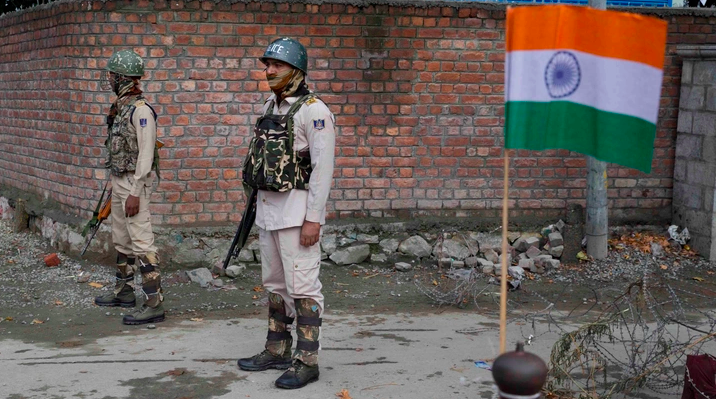
Is India forcefully changing the demography of Kashmir?
5 Feb 2021
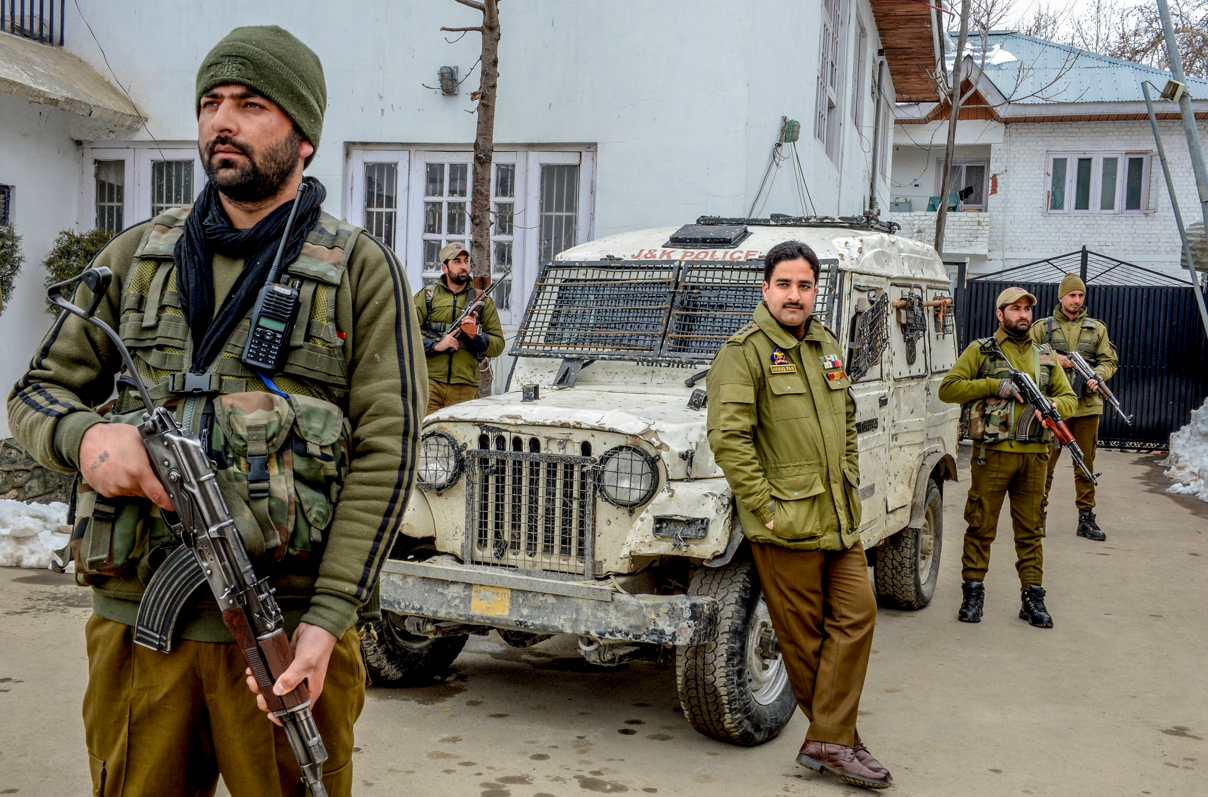
2 Indian soldiers killed in Kashmir: Will violence in the region escalate?
26 Nov 2020
MUSLIM COUNTRY POLL RESULT – Majority of people believe SAUDI ARABIA cares least about Uyghur and Kashmir oppression
6 Sept 2019

Diverging Gulf responses to Kashmir and Xinjiang ripple across Asia
31 Aug 2019
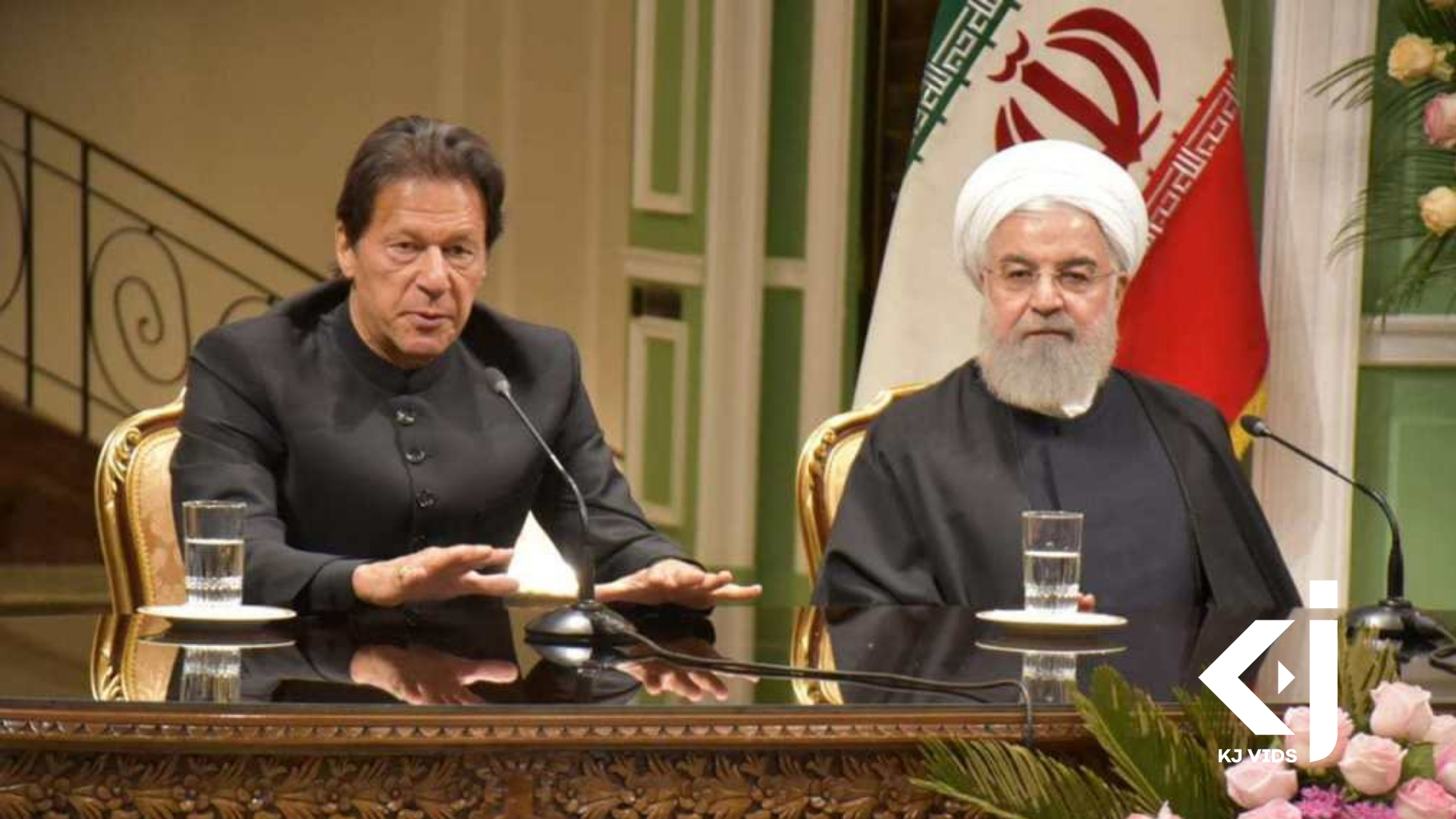
Is the Kashmir issue bringing Iran and Pakistan together? 5 Geopolitical Effects You Need to Know
1. Development of Iran-Pakistan relations The journey between Iran and Pakistan started soon after independence of Pakistan in August 1947. Iran was the first country to recognise Pakistan as a sovereign state with the Shah of Iran being the first Head of State to visit Pakistan. The relation between Pakistan and Iran is often viewed as peripheral to Pakistan’s relations with the Saudi Arabia, United States and India. Pre-Iranian Revolution both countries enjoyed very healthy, close relations, having notable bilateral cooperation in different sectors including culture, economy and defense. But post-Iranian revolution the relation often remained very low under shadows of border security, trafficking and sectarian violence. But in the last few years the two countries have entered a rapprochement and have started cooperating on dozens of matters including border security, trade, visa policy and regional security. Both countries have explored many fields of mutual interests and are looking forward to improving relations. 2. US sanctions bringing Pakistan closer to Iran When the US backed off from the Iran nuclear deal, that was finalised in 2015 by a group of world powers knows as P5 + 1, it paved the way for the melting of ice in the frozen relations between Iran and Pakistan. Pakistan backed Iran against the US decision to withdraw from the historic nuclear deal. A statement issued by Pakistan foreign ministry stated that ‘arbitrarily rescinding’ such agreements “will undermine confidence in the value of dialogue and diplomacy in the conduct of international relations and the peaceful resolution of disputes.” In a recent visit to the US, Pakistan’s Prime minister Imran Khan also openly and clearly opposed use of any force against Iran. He also offered mediation between the parties. US sanctions carry not only strategic value but also are affecting the economy of the region. Because of US sanctions India is slowly bringing out the investment from Iran. India for the fiscal year of 18-19 has cut of almost 100 crores for Chabahar port. Reducing the total expenses for Chabahar from ₹150 crore for 2018 to just 45 for this fiscal year. This move will further strengthen the coordination and collaboration between Iran and Pakistan for their respective ports “Gawadar” and the “Chabahar” port, often regarded as friendly ports by the two countries. Subscribe to unlock the other 3 Points We wish we didn't have to do this, but only paid subscribers can read the full article, Unlike other publishers, we are not the beneficiaries of State funds and are entirely dependent on our supporters to keep KJ Vids functioning. Please subscribe to read the rest of the article. The First 1,000 subscribers will receive a 50% lifetime discount to our content. - Access over 500 videos explaining global politics - Full access to all articles - Vote on future video topics - Secure Questions for Video Q&As Sign Up - https://www.kjreports.com/product/lifetimediscount/
27 Aug 2019
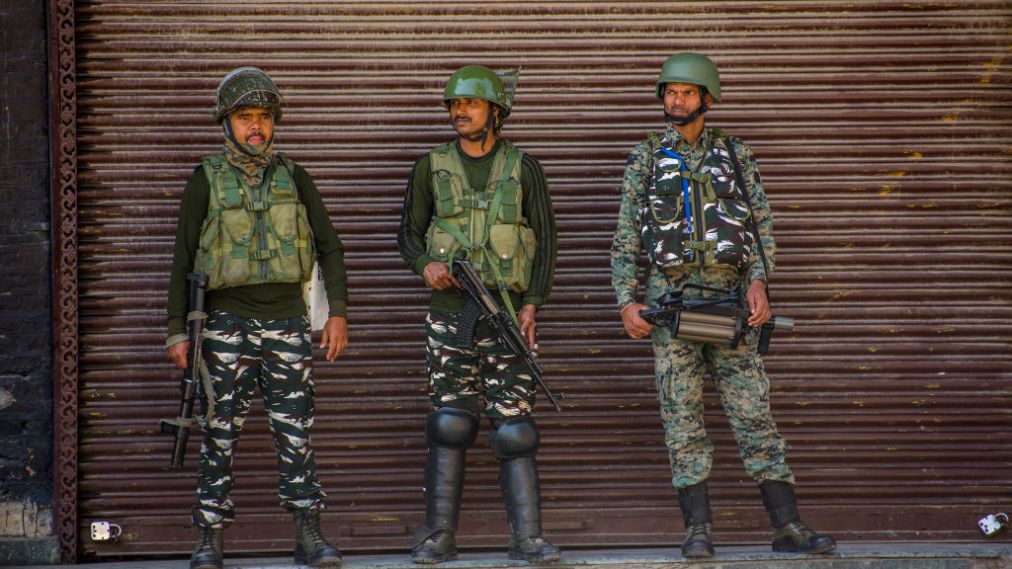
Is Kashmir on the brink of war? 5 Geopolitical Effects You Need to Know
1. Background Kashmir was long protected by article 370, which allowed Kashmir a certain amount of autonomy and its own constitution, a separate flag and freedom to make laws, while the defence, communications and foreign affairs were controlled by the central government. This was long opposed by PM Modi and the BJP, and India has now taken the provocative step, scrapping article 370, and forcefully placing Kashmir on the same footing as the rest of India. Many in Kashmir believe India wants to change the demographics of the region, to integrate it into Indian society as the government please. As a result, Kashmir will no longer have a separate constitution but will have to abide by the Indian constitution much like any other state and all Indian laws will be automatically applied to Kashmiris, and people from outside the state will be able to buy property there. Since the move, Kashmir has been in a state of panic and unrest, with a recent surge in violence. 2. India kills suspected militants in Kashmir A suspected militants and a police officer have been killed in a gun battle in Indian-administered Kashmir in what is believed to be the first clash with insurgents since the revocation of the territory’s special status. Kashmir police said a man who they said was affiliated with Lashkar-e-Taiba, a Pakistan-based militant group, was killed in an operation by security teams in Baramulla, northern Kashmir. This could lead to an escalation of tensions in the region. Subscribe to unlock the other 3 Points We wish we didn't have to do this, but only paid subscribers can read the full article, Unlike other publishers, we are not the beneficiaries of State funds and are entirely dependent on our supporters to keep KJ Vids functioning. Please subscribe to read the rest of the article. The First 1,000 subscribers will receive a 50% lifetime discount to our content. - Access over 500 videos explaining global politics - Full access to all articles - Vote on future video topics - Secure Questions for Video Q&As Sign Up - https://www.kjreports.com/product/lifetimediscount/
22 Aug 2019
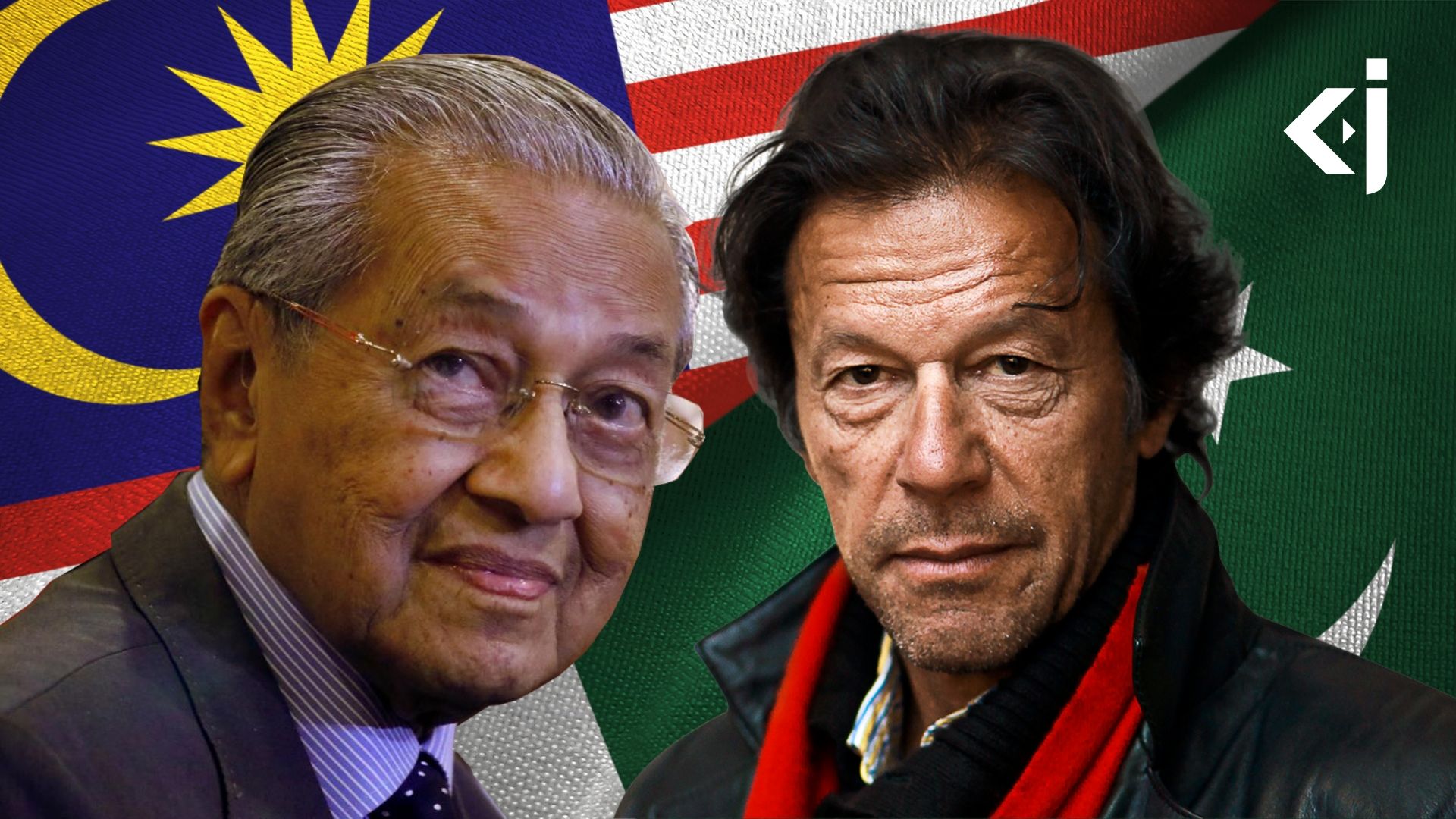
Is Kashmir and Uyghur repression uniting Pakistan and Malaysia? 5 Geopolitical Effects You Need to Know
1. Pakistan counted on Malaysian support regarding Kashmir When the Indian government issued a presidential order to scrap the constitutionally mandated special status of Kashmir, Pakistan launched a diplomatic mission to gain support in opposition to the move. Pakistan counted on Malaysia for support due to commonalities between the nations and Pakistan Prime Minister Imran Khan spoke to Malaysian Prime Minister Mahathir Muhammad over the phone to discuss the unfolding situation in Kashmir. 2. Malaysian parliament voices support for Pakistan on Kashmir Malaysia has appeared to confirm its allegiance to Pakistan, as the Malaysian parliament voiced their support for the region and Pakistan, saying that India’s move is an assault on the rights of the besieged people in Kashmir. The Malaysian government has said it is carefully monitoring the situation and is calling for the dispute to be resolved in favour of the Malaysian people. Subscribe to unlock the other 3 Points We wish we didn't have to do this, but only paid subscribers can read the full article, Unlike other publishers, we are not the beneficiaries of State funds and are entirely dependent on our supporters to keep KJ Vids functioning. Please subscribe to read the rest of the article. The First 1,000 subscribers will receive a 50% lifetime discount to our content. - Access over 500 videos explaining global politics - Full access to all articles - Vote on future video topics - Secure Questions for Video Q&As Sign Up - https://www.kjreports.com/product/lifetimediscount/
19 Aug 2019
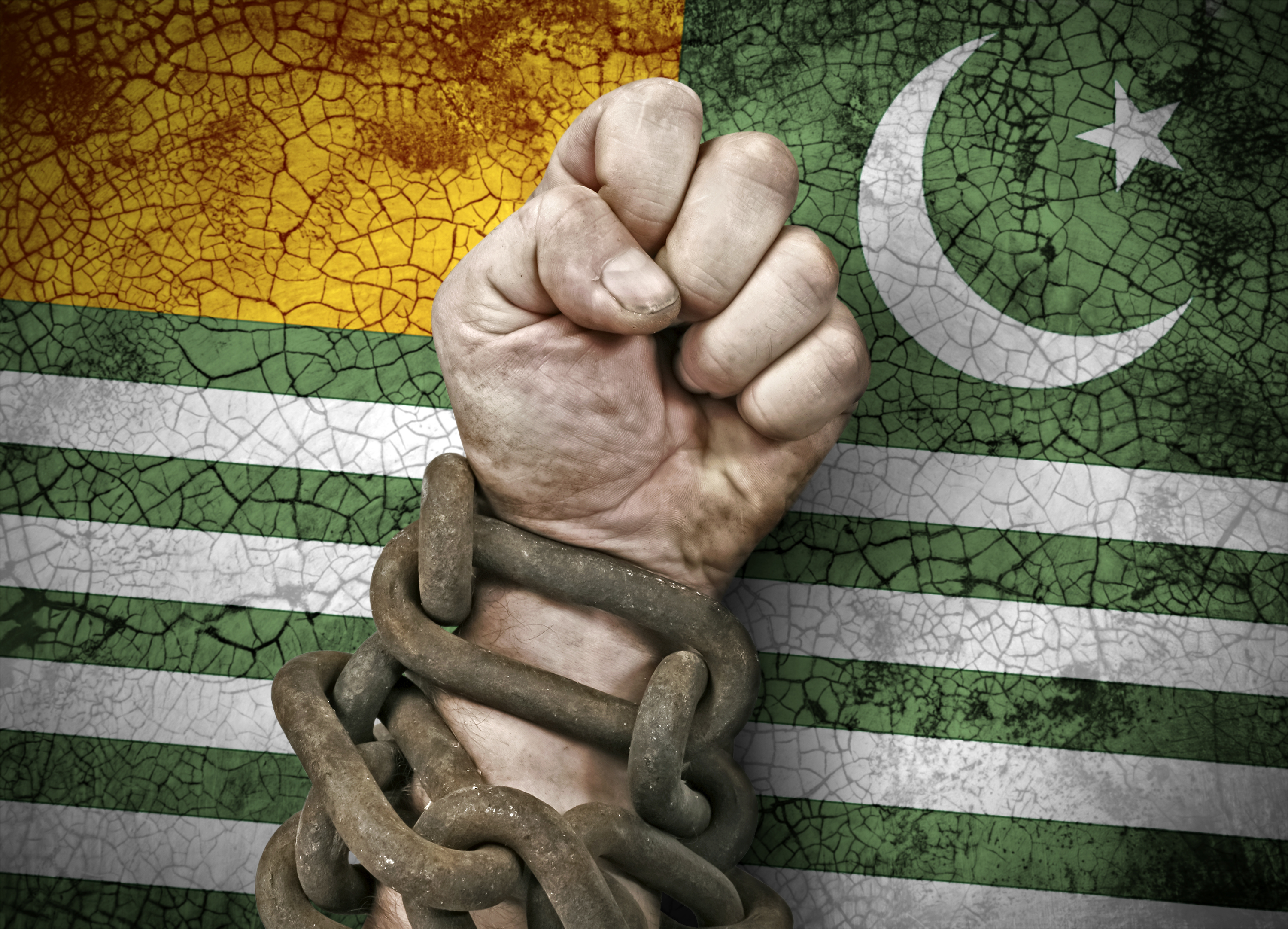
KASHMIR POLL RESULT – Majority of people want KASHMIR INDEPENDENCE
16 Aug 2019
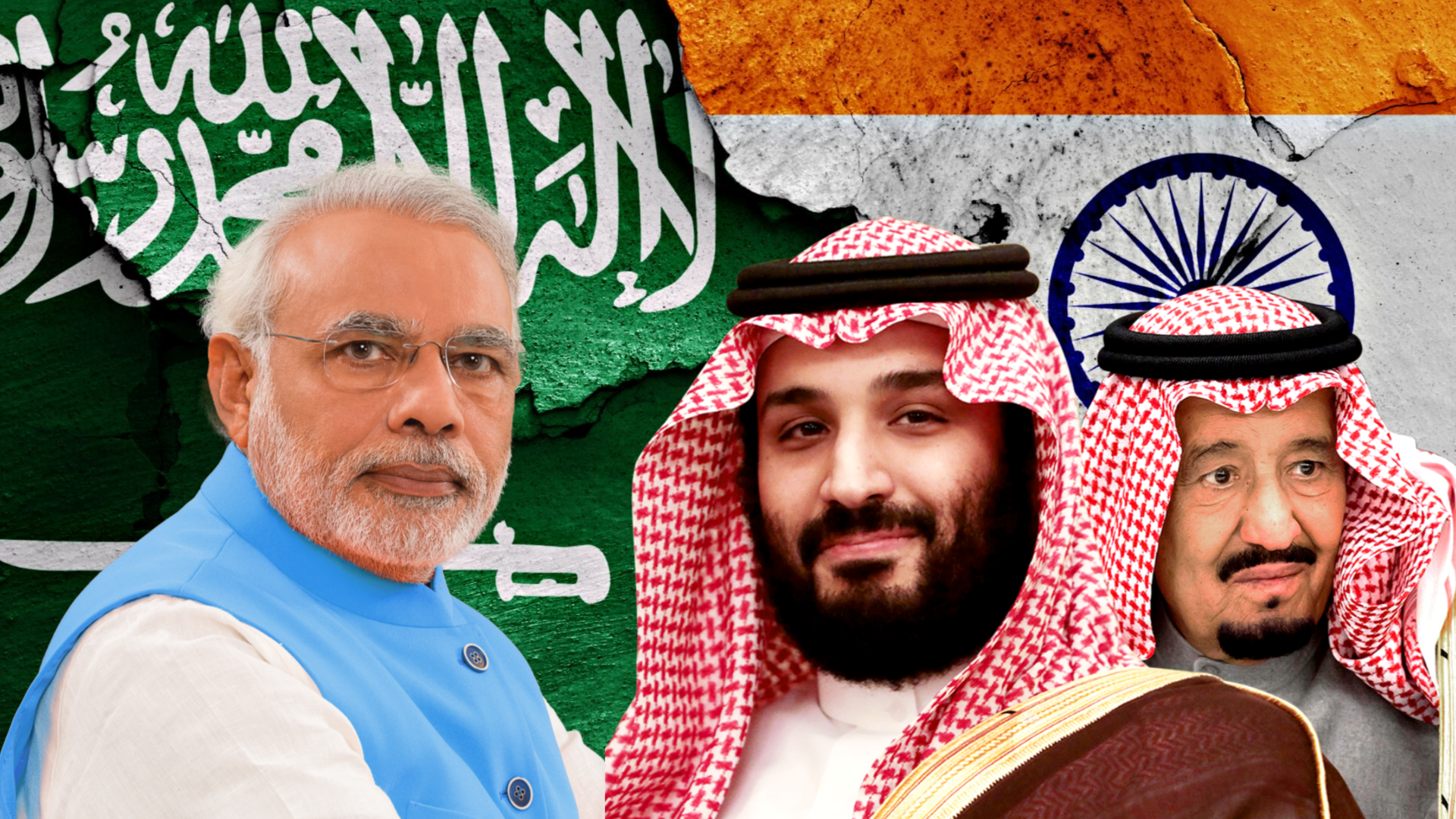
Saudi Arabia puts business ahead of Kashmir: 5 Geopolitical Effects You Need to Know
1. Saudi Arabia signs oil deal with India Saudi Arabian oil company Aramco has bought a 20% stake in India’s Reliance Industries’ oil-to-chemical business which will help it regain the position of being the biggest supplier of oil to the world’s fastest-growing oil market. Saudi Arabia, which traditionally has been India’s top oil source, lost the slot to Iraq during the last two financial years. This will change with Aramco buying 20 per cent stake in the RIL’s oil-to-chemical (O2C) business, which has an enterprise valuation of USD 75 billion as it will be accompanied with a deal to supply 500,000 barrels per day or 25 million tonne a year of crude oil. This signal’s Saudi Arabia’s priorities and continuance of business with India despite the controversial situation in Kashmir. 2. Indian business ties underpin Kashmir The Gulf as a whole has followed the same route, as Gulf Arab countries have remained mostly silent as India’s government moved to strip the Indian-administered sector of Kashmir of its limited autonomy, imposing a sweeping military curfew in the disputed Muslim-majority region. This muted response is underwritten by more than $100 billion in annual trade with India that makes it one of the Arabian Peninsula’s most prized economic partners. Such is the diplomatic and economic importance of maintaining ties, that the gulf has chosen to cast a blind eye on the latest events. Subscribe to unlock the other 3 Points We wish we didn't have to do this, but only paid subscribers can read the full article, Unlike other publishers, we are not the beneficiaries of State funds and are entirely dependent on our supporters to keep KJ Vids functioning. Please subscribe to read the rest of the article. 3. Saudi attempts to present itself as mediator 4. Saudi displays hostility to Pakistan 5. Strength of UAE-India bond By investing in KJ Vids, you are investing in yourself Our content succinctly contextualises the key geopolitical trends you need to know in order to make sense of world events. We can assure you that a regular dose of our content will be as healthy as fruit and vegetables for your mind. Subscribe for only £10 a month.
15 Aug 2019
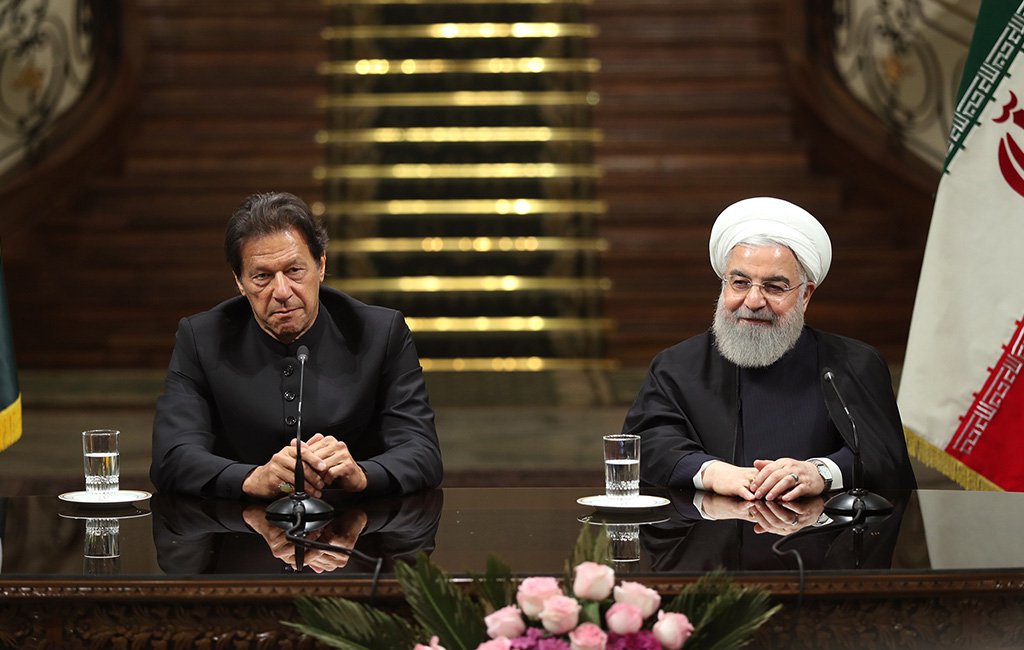
Could Pakistan’s Quiet Relationship with Iran Hurt India? 5 Geopolitical Effects You Need to Know
1. Deep roots of Iran-Pakistan relations Surprisingly, Pakistan’s ties with Iran are historically much deeper than with Saudi. There were close interactions between the Safavid and Mughal empires, for example, with the latter making Persian its official language. Furthermore, Prominent Pakistanis such as the country’s founder, Muhammad Ali Jinnah, and its first president Iskander Mirza, were Shia Muslims, like Iran’s majority, although Muhammed Ali Jinnah is said to have converted to Sunni Islam later. Whilst bilateral relations became more complicated after the 1979 Iranian revolution, the two continued to cooperate, for example in Afghanistan where both supported the Mujahideen during the anti-Soviet war under the auspices of the United States. Furthermore, As the Saudi-Iran rivalry intensified in recent years, Pakistan has made a determined effort to remain neutral. An example of this is portrayed when Pakistan decided in 2015 not to send Pakistani troops to fight in the Saudi-led war in Yemen. It is safe to say the world has underestimated the warmth of relations between the two nations. 2. How Imran Khan strengthened ties The election of Imran Khan as Pakistani PM gave way to even further development of ties with Iran, after a tense period. Pakistan‘s Prime Minister Imran Khan arrived in Iran for bilateral talks in April this year, where they discussed improving bilateral ties, border security, countering terrorism and regional issues. Furthermore PM Khan appeared to take Iran’s side on the recent Iran-US tensions, cautioning the United States about any misadventure against Iran. “My worry about Iran is…. I am not sure whether all the countries realise the gravity of the situation if there is a conflict with Iran,” Khan said in response to a question during his appearance at the US Institute of Peace, a think-tank funded by the US Congress. Khan’s improvement of relations has appeared to pay off, as relations have quietly warmed after tensions earlier this year. Subscribe to unlock the other 3 Points We wish we didn't have to do this, but only paid subscribers can read the full article, Unlike other publishers, we are not the beneficiaries of State funds and are entirely dependent on our supporters to keep KJ Vids functioning. Please subscribe to read the rest of the article. 3. Pakistan and Iran parliament agree on joint Kashmir strategy 4. Iran-Pakistan border co-operation 5. Iran’s uncertainty about Kashmir By investing in KJ Vids, you are investing in yourself Our content succinctly contextualises the key geopolitical trends you need to know in order to make sense of world events. We can assure you that a regular dose of our content will be as healthy as fruit and vegetables for your mind. Subscribe for only £10 a month.
14 Aug 2019
The Kashmir crisis spotlights what a “civilizational world” looks like
13 Aug 2019
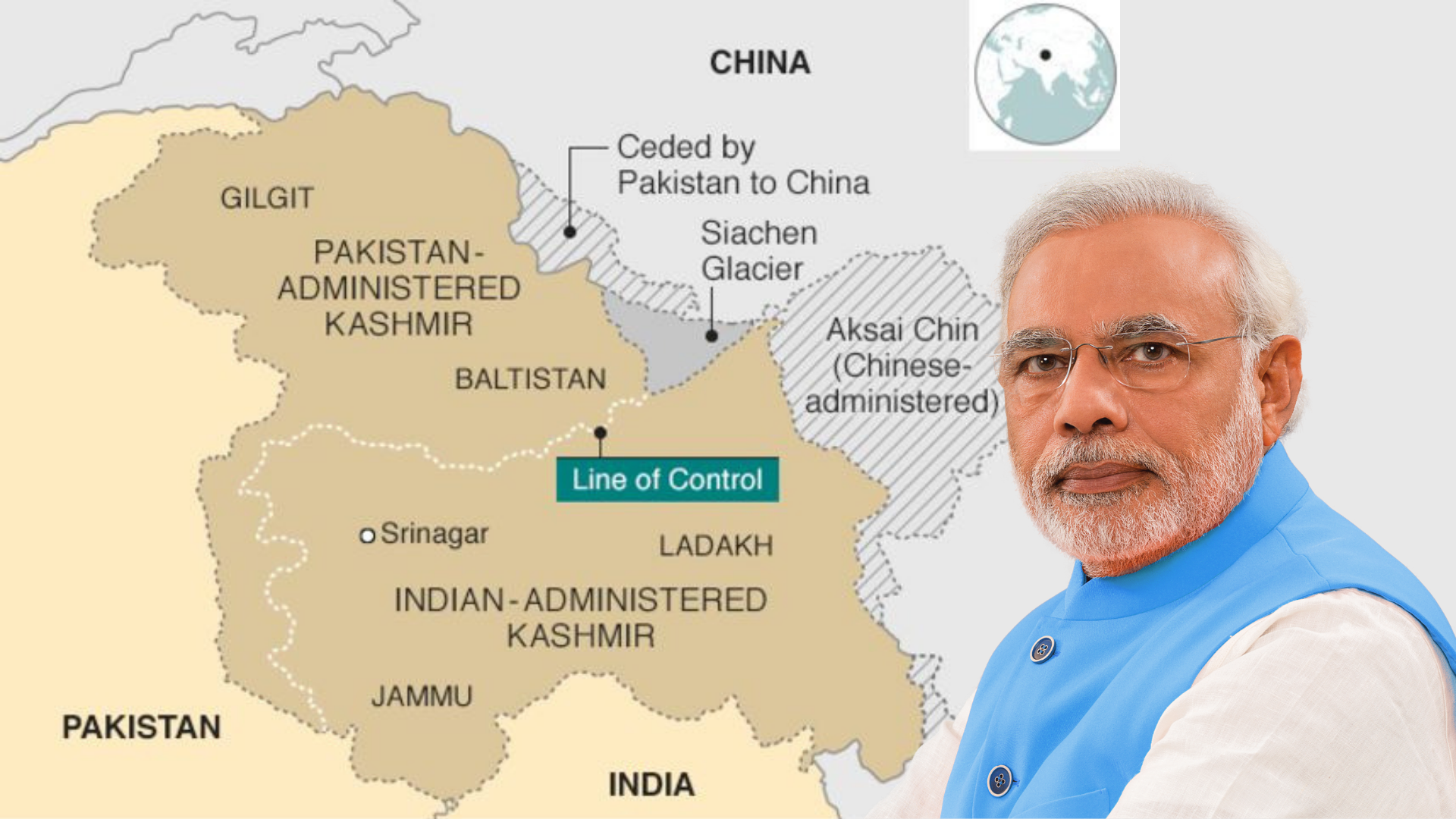
Will Kashmir Split? – 5 Geopolitical Effects You Need to Know
1. India’s bill to split Kashmir India’s house of parliament has ratified a bill that will split the region of Kashmir into two “union territories”. The bill in Lok Sabha came one day after a presidential order dissolved Article 370. The Lok Sabha is expected to easily ratify the bill downgrading Kashmir from a state to a union territory with a legislature and carving out the Ladakh region as another union territory without a legislature. This is another move of escalation from India, that has not received the approval of the population of the region in question. 2. India divided over the split The latest bill passed by India, splitting Kashmir, has even got widespread opposition in India, and has left the nation divided, for instance India’s surprise move to carve out sparsely populated Ladakh from the state of Jammu and Kashmir to make it a territory directly controlled by New Delhi has been met with protests in Kargil, a Muslim-majority border city in Ladakh that identifies culturally with Kashmir, suggesting that the Government’s plan to redraw the country’s political map will be far from easy. It remains to be seen whether India will reconsider its decision. Subscribe to unlock the other 3 Points We wish we didn't have to do this, but only paid subscribers can read the full article, Unlike other publishers, we are not the beneficiaries of State funds and are entirely dependent on our supporters to keep KJ Vids functioning. Please subscribe to read the rest of the article. 3. China reacts negatively 4. Effect on Pakistani administered Kashmir 5. Restrictions to be eased By investing in KJ Vids, you are investing in yourself Our content succinctly contextualises the key geopolitical trends you need to know in order to make sense of world events. We can assure you that a regular dose of our content will be as healthy as fruit and vegetables for your mind. Subscribe for only £10 a month.
9 Aug 2019

International Response to Kashmir Situation: 5 Geopolitical Effects You Need to Know
1. China warned by India China has voiced its opposition to the administration of Kashmir under Indian rule, with Foreign Ministry spokeswomen Hua Chunying saying: “China is always opposed to India’s inclusion of the Chinese territory in the western sector of the China-India boundary into its administrative jurisdiction. Recently India has continued to undermine China’s territorial sovereignty by unilaterally changing its domestic law. Such practice is unacceptable and will not come into force.” India, Pakistan and China claim all or parts of Kashmir, and China’s response is expected. Meanwhile, India has since reacted to China’s comments and warned China that the government’s contentious move to strip Kashmir of its autonomy and split the region into two parts was an “internal matter”. It is important not to underpin the importance of China in this conflict, as aggression between India and China over Kashmir could even be seen as more likely than with Pakistan. 2. Israeli caution Israel, a close ally of India, has chosen to take its precautions and call its citizens to leave Kashmir. Even before the new travel advisory by the Counter-Terrorism Bureau at the Prime Minister’s Office, Israel has long warned its citizens to avoid the region due to terror threats and military tensions between India and Pakistan. This also comes as a response to a government order in Kashmir on Friday asking tourists and Hindu pilgrims visiting a Himalayan cave shrine “to curtail their stay” in the disputed territory. Israel’s abidance by India’s decision and its silence on the matter signifies the strong ties it has developed with the nation, and its hopes to continue to grow them. Subscribe to unlock the other 3 Points We wish we didn't have to do this, but only paid subscribers can read the full article, Unlike other publishers, we are not the beneficiaries of State funds and are entirely dependent on our supporters to keep KJ Vids functioning. Please subscribe to read the rest of the article. 3. UAE supports India 4. Germany tries to resolve the situation 5. Will the US act as mediator? By investing in KJ Vids, you are investing in yourself Our content succinctly contextualises the key geopolitical trends you need to know in order to make sense of world events. We can assure you that a regular dose of our content will be as healthy as fruit and vegetables for your mind. Subscribe for only £10 a month.
7 Aug 2019
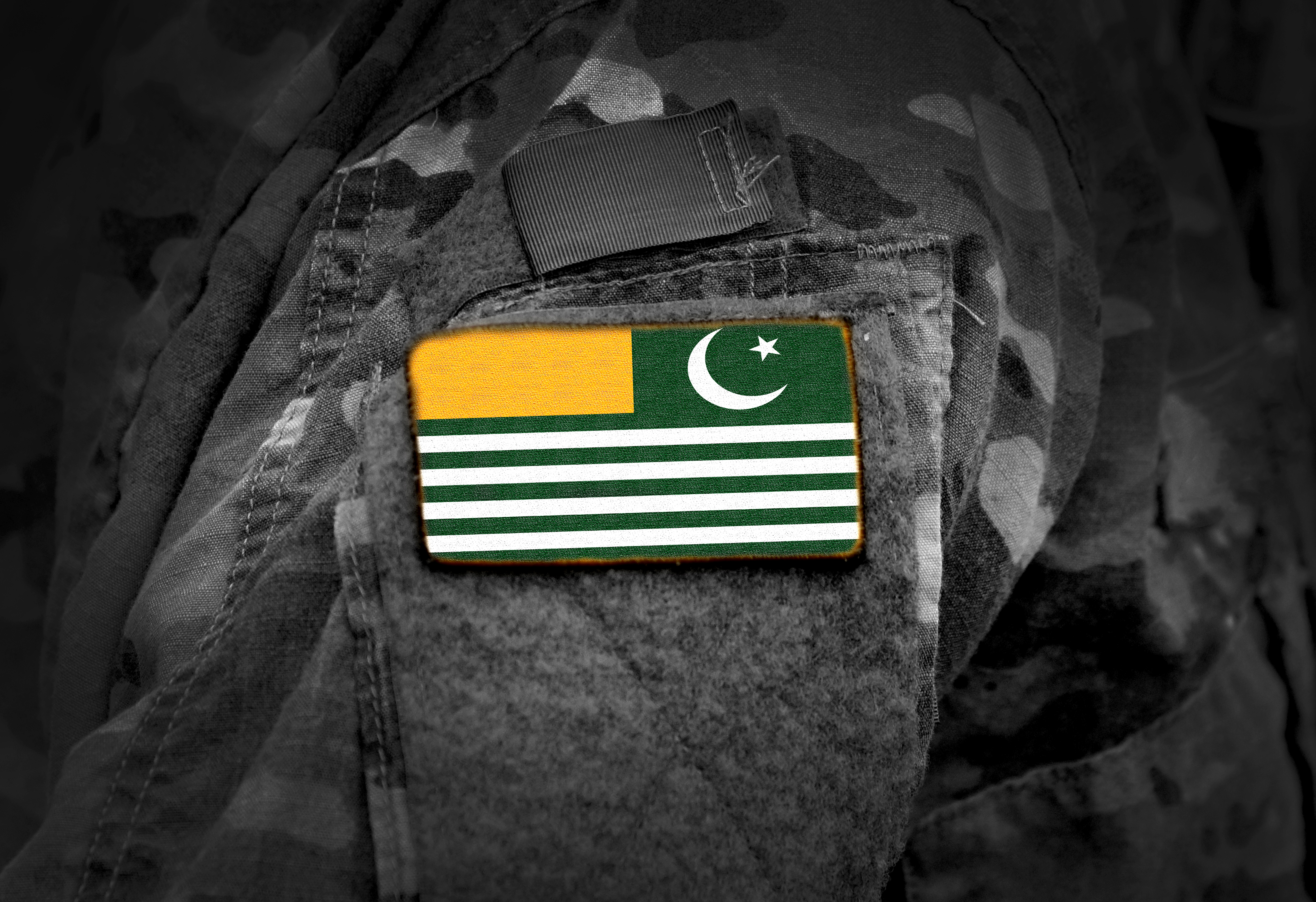
India Strips Kashmir of Special Status: 5 Geopolitical Effects You Need to Know
1. India takes aggressive action Kashmir was long protected by article 370, which allowed Kashmir a certain amount of autonomy – its own constitution, a separate flag and freedom to make laws, while the defence, communications and foreign affairs were controlled by the central government. This was long opposed by PM Modi and the BJP, and India has now taken the provocative step, scrapping article 370, and forcefully placing Kashmir on the same footing as the rest of India. Many in Kashmir believe India wants to change the demographics of the region, to integrate it into Indian society as the government please. As a result, Kashmir will no longer have a separate constitution but will have to abide by the Indian constitution much like any other state and all Indian laws will be automatically applied to Kashmiris, and people from outside the state will be able to buy property there. The government has shown no regret or stalling, as they said it would help develop the region. But that is not all, as in another move that has outraged both Indian opposition and the UN, The government is also moving to break up the state into two smaller, federally-administered territories. One region will combine Muslim-majority Kashmir and Hindu-majority Jammu, while the other is Buddhist-majority Ladakh. This is a bold move that will be very hard to implement. 2. Unrest in Kashmir After the latest actions from India, Kashmir has been in a state of panic and unrest, as people queued for hours outside petrol stations and cash machines on sunday, and thousands of tourists and Hindu pilgrims have been evacuated since Friday after the Indian government cancelled the annual Amarnath Yatra, a 45-day pilgrimage to a Himalayan cave shrine. This was not only sparked by India’s latest scrapping of article 370, but also the deployment of 10,000 extra troops by India to the region last week. Furthermore, one of Kashmir’s most popular politicians, Omar Abdullah, the former Chief Minister, is set to be placed under house arrest. Such an arrest is not good for the economy and public opinion of Kashmir, but such hard-line policies of India in Kashmir so far may only be the beginning. Subscribe to unlock the other 3 Points We wish we didn't have to do this, but only paid subscribers can read the full article, Unlike other publishers, we are not the beneficiaries of State funds and are entirely dependent on our supporters to keep KJ Vids functioning. Please subscribe to read the rest of the article. 3. Will the US act as mediator? 4. Pakistan responds as expected 5. The UN interferes By investing in KJ Vids, you are investing in yourself Our content succinctly contextualises the key geopolitical trends you need to know in order to make sense of world events. We can assure you that a regular dose of our content will be as healthy as fruit and vegetables for your mind. Subscribe for only £10 a month.
6 Aug 2019
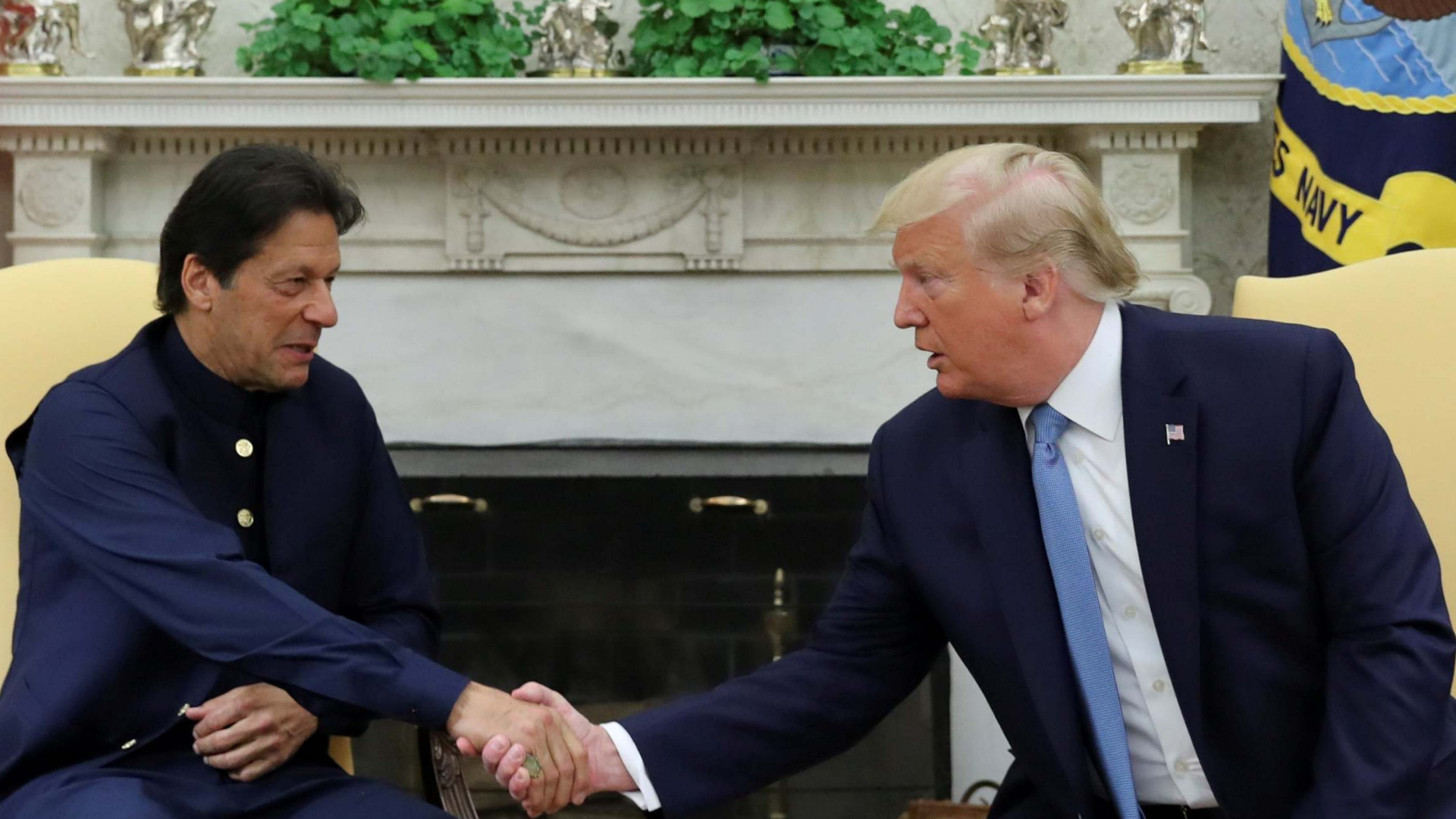
Imran Khan’s Trump Meeting: 5 Geopolitical Effects You Need to Know
1. Trump’s lack of respect for Pakistan Upon Pakistani PM Imran Khan’s arrival in the US, No US official from the Trump administration was present to greet and receive him. Khan did not receive the state protocol given to heads of the government who arrive on an official trip to the U.S. PM Khan took the bus to the airport terminal and was instead welcomed at the airport by his foreign Minister Shah Mehmood Qureshi. The Trump administration did not give a reason for this absence, however, it is clear, that it was a signal from Trump that he was not happy with the way in which Khan has been dealing with the situation in Afghanistan. Furthermore, it is a signal of the weak relations Pakistan and the US have developed that must be repaired as soon as possible. 2. Afghanistan de-escalation During the meeting between President Trump and PM Khan which took place at the White House, Trump said that Pakistan was helping the US to “extricate” its troops from Afghanistan, through political negotiations. Prime Minister Khan displayed his agreement and acknowledgement of this, saying: “There is no military solution in Afghanistan. If you go all-out military, millions and millions of people will die.” However, Trump also attempted to pressure Imran Khan to convince the Taliban to strike a peace deal with the Afghan government to avoid unnecessary violence, stating that “We’re like policemen. We’re not fighting a war. If we wanted to fight a war in Afghanistan and win it, I could win that war in a week. But I don’t want to kill 10 million people. Afghanistan could be wiped off the face of the Earth. I don’t want to go that route.” Nevertheless, the comments from Trump and Khan display a willingness to work together to resolve the conflict in Afghanistan as soon as possible.
24 Jul 2019
China’s Interests in Kashmir
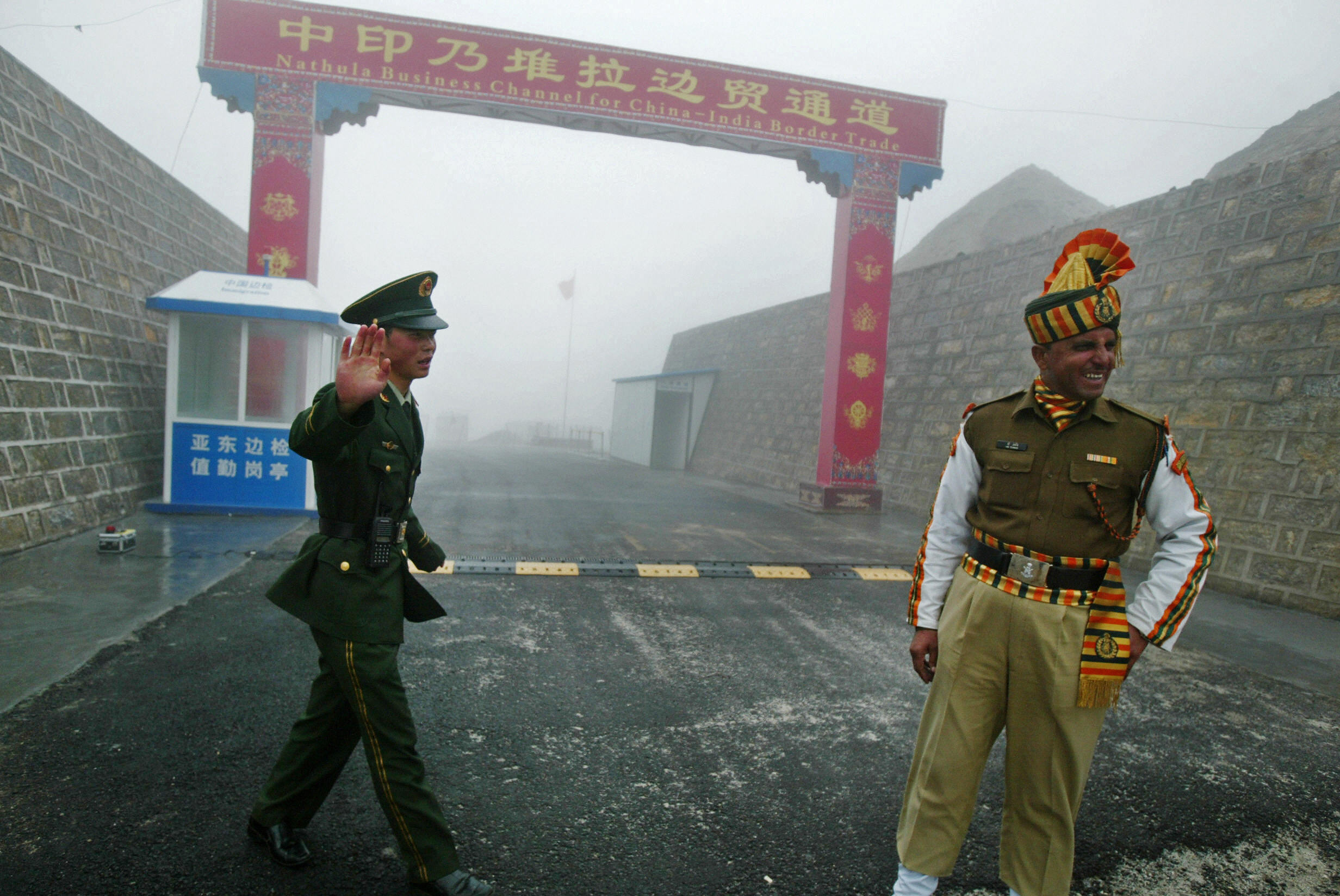
The recent surge of tensions between India and Pakistan has brought the attention of the international community back on Kashmir. Yet, there is another player who has important interests at stake in the region, namely China. Its position must be examined to fully understand the strategic implications of the dispute as well as the geopolitical dynamics of South Asia and beyond. I’m your host Kasim, welcome to another KJ Vid. In this video we will discuss China’s interests in Kashmir. But just before we begin, please check out our new website – kjvids.co.uk – where you can find transcripts for our reports and read lots of other material we will upload. Also, in order to keep KJ Vids financially and politically independent, but also less dependent on YouTube who regularly demonetise our videos, please become a KJ Member by subscribing to one of our packages that enables you to access all of our reports, vote on future topics, ask questions and get other perks. China in the Kashmir dispute Even though it is sometimes neglected, the Kashmir issue is a trilateral matter. Along with India and Pakistan, China is also part of the dispute. Around 20% of Kashmir is currently under Beijing’s de facto control as a result of the Sino-Indian war of 1962. Yet, China’s revendications collide only with India. There are two portions of Kashmiri territory administrated by the PRC but claimed by India, which are separated by the Siachen Glacier. The eastern part is Aksai Chin, that was occupied by Chinese troops during the 1962 war. The western half, on the contrary, was ceded by Pakistan to China in 1963, but India still claims it like the rest of Kashmir. Of the two, Aksai Chin is strategically the most important. While the risk of conflict is low and the line of control is generally respected, Beijing is determined to keep it under its authority due to its great strategic importance. As a matter of fact, Aksai Chin is a pivot zone that the PRC must control to pursue its geopolitical ambitions. The area connects the two Chinese autonomous regions of Xinjiang and Tibet, both affected by separatist tendencies and both essential for Beijing to extend its influence towards Central and South Asia, notably in the context of the “One Belt, One Road” initiative. In this regard, Aksai Chin is also the crossroad for the China-Pakistan Economic Corridor, or CPEC, that is being constructed to connect China’s land-locked western provinces with the Indian Ocean and its lucrative maritime trade routes. But Aksai Chin is also useful for Beijing in the context of the broader geopolitical competition with New Delhi. While it does not want high tension along the border and even less an open war, the PRC exploits the existing border disputes with India to keep a certain pressure on it so to hamper its rise and prevent it from becoming a peer competitor. By doing so, Beijing obliges New Delhi to consume resources that it could otherwise employ to develop its economy or build its naval power, both things that would enable it to rival China. It is notable that China’s claims over another contended region, namely the Indian-controlled Arunachal Pradesh, serve mainly to preserve the control over Aksai Chin by distracting India from there.
27 Mar 2019