The long-standing geopolitical marriage of convenience between Pakistan’s security establishment and the Afghan Taliban has reached a terminal point of failure. For four decades, Islamabad viewed Kabul through the lens of ‘strategic depth’—a policy designed to ensure a friendly, subservient government on its western flank to hedge against India. Today, that policy has inverted. Afghanistan is no longer a backyard for Pakistani influence; it is the primary source of its internal instability. The fracture is not a temporary diplomatic spat. It is a structural realignment driven by the Taliban’s transition from a proxy insurgency to a sovereign state and Pakistan’s own accelerating domestic decay.
The Myth of Influence
The core friction lies in a fundamental miscalculation by the Pakistani military intelligence apparatus. They assumed that a Taliban victory in 2021 would result in a grateful client state. Instead, it produced a nationalist government in Kabul that prioritises its own survival and domestic legitimacy over the dictates of its former patrons. The Taliban’s refusal to crack down on the Tehrik-i-Taliban Pakistan (TTP) is not an oversight; it is a calculated choice. The Afghan Taliban share an ideological and tribal DNA with the TTP that outweighs any lingering debt to Islamabad. For Kabul, the TTP serves as both a buffer against Pakistani interference and a lever of influence within Pakistan’s own borders.
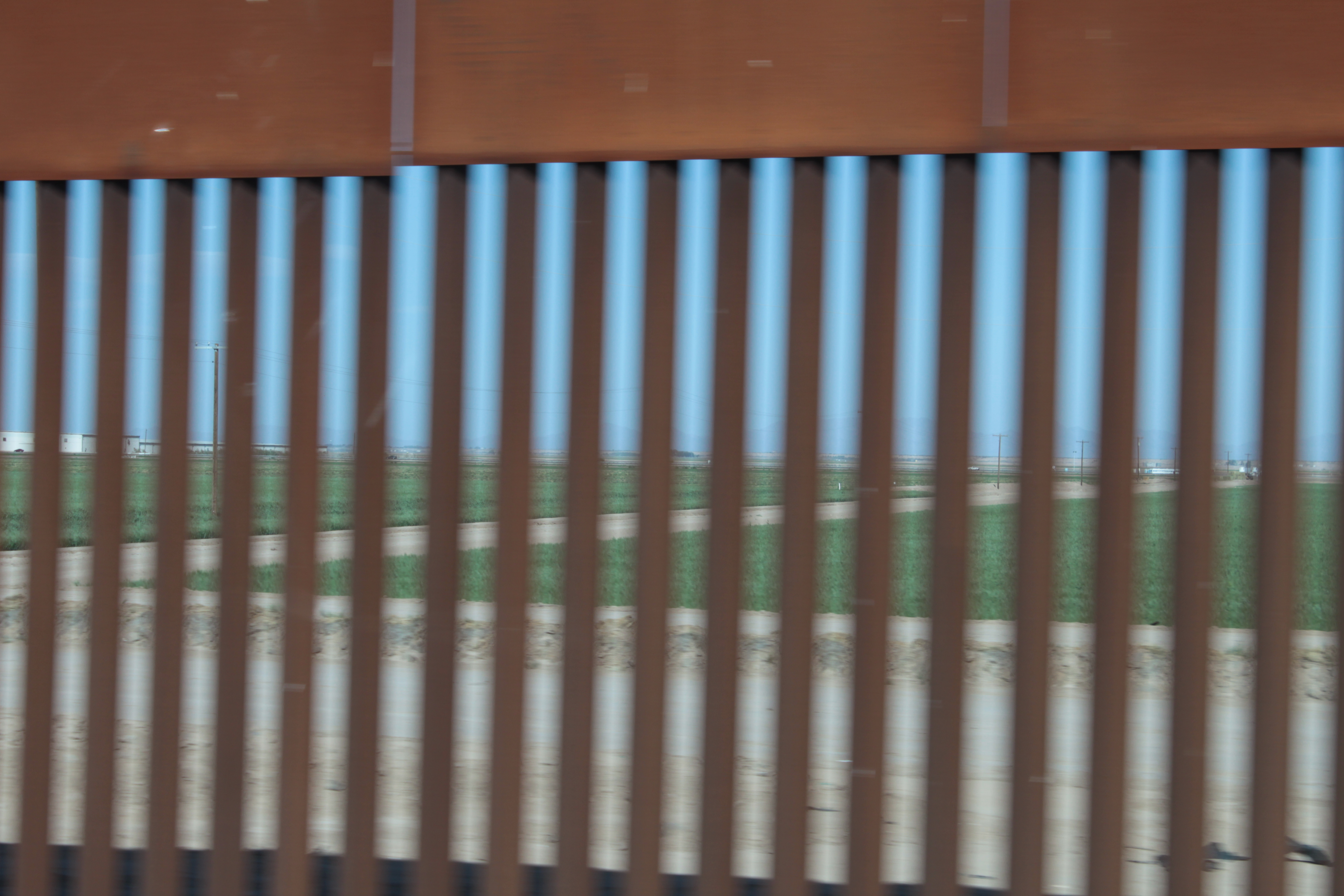
Islamabad’s response has been one of desperation. The mass deportation of Afghan refugees and frequent border closures at Torkham and Chaman are tools of a state that has lost its sophisticated levers of power. These actions have failed to change Kabul’s behaviour, instead fueling a deep-seated resentment among the Afghan population and the ruling Shura. The Durand Line—the 2,640-kilometre border that Kabul has never officially recognised—is being transformed from a porous frontier into a militarised zone of friction. The fencing project, once seen as a solution to militancy, has become a symbol of the permanent divorce between the two nations.
The Economic Engine of Conflict
Money, or the lack thereof, is the silent driver of this divorce. Pakistan is currently navigating a protracted economic crisis, reliant on international bailouts and Gulf investments. Its ability to subsidise Afghan stability or offer significant economic carrots has evaporated. Conversely, the Taliban, despite international sanctions, have proven surprisingly adept at generating domestic revenue through mining and customs. They are increasingly looking toward China and Central Asia for trade, bypassing the traditional dependency on the port of Karachi.
When Pakistan can no longer be the primary economic gatekeeper for Afghanistan, its strategic value to Kabul diminishes. This leads to a dangerous incentive structure: Kabul sees no reason to compromise on security issues, while Islamabad, feeling sidelined, resorts to kinetic strikes and economic warfare. This cycle is self-reinforcing. The more Pakistan squeezes the border, the more the Taliban diversifies its trade routes toward the north, permanently eroding Pakistan’s historical leverage.
A Historical Parallel: The Franco-Austrian Pivot
To understand this shift, one should look at the mid-18th century and the ‘Diplomatic Revolution’ of 1756. For centuries, France and the Habsburgs were bitter enemies, defined by their rivalry over European hegemony. However, the rise of a new threat—Prussia—forced an unnatural and strained alliance that eventually collapsed under the weight of conflicting interests and internal weaknesses. Similarly, the Pakistan-Taliban relationship was built on a shared enemy: the US-backed republic in Kabul. Once that enemy was removed, the inherent contradictions of their relationship surfaced. Much like the collapse of the Old Regime in France, Pakistan’s internal institutional overstretch is making it impossible to maintain its traditional external postures.
What Most People Miss
Most analysts focus on the TTP as the primary cause of the rift. This is a symptom, not the disease. The real issue is the shifting nature of Pashtun nationalism. The Taliban are no longer just an Islamist movement; they are the primary vehicle for Pashtun political identity in the region. By asserting sovereignty over the Durand Line and resisting Pakistani pressure, they are appealing to a cross-border ethnic sentiment that threatens the very integrity of the Pakistani state. The border is not just a line on a map; it is a psychological barrier that Islamabad is failing to enforce. The ‘strategic depth’ Pakistan sought has turned into ‘strategic encroachment’ by Kabul into Pakistan’s sovereign territory.
Second-Order Effects
The permanent break with Kabul has three major consequences for the region:
- The India Factor: A hostile or indifferent Kabul is an opportunity for New Delhi. While the Taliban remain ideologically distant from India, their pragmatic need for investment and diplomatic recognition makes them open to Indian engagement. A ‘neutral’ Afghanistan is a net loss for Pakistan.
- Chinese Recalibration: Beijing is watching the decay of Pakistani influence with concern. If Islamabad cannot secure its western border, the security of the China-Pakistan Economic Corridor (CPEC) remains at risk. China may begin to deal directly with Kabul more aggressively, bypassing Islamabad as the middleman.
- Internal Radicalisation: As the Pakistani state loses its grip on the border regions, the TTP and other splinter groups gain vacuum to operate. This forces the Pakistani military to divert resources from its eastern border with India to internal security, a shift it is historically and structurally loath to make.
What to Watch
- The Kharlachi and Torkham Crossings: Any sustained closure of these points for more than two weeks indicates a significant escalation in behind-the-scenes hostilities.
- Central Asian Rail Links: Progress on the Trans-Afghan Railway (connecting Uzbekistan to Pakistan via Afghanistan) will signal whether Kabul is willing to cooperate or if it intends to redirect trade entirely toward the Caspian.
- Airspace Violations: Increased use of Pakistani drones or jets for strikes inside Afghan territory will mark the end of the ‘brotherly relations’ rhetoric and the start of a low-grade hot war.
The policy of strategic depth was predicated on a stable Pakistan and a chaotic Afghanistan. The roles have not quite reversed, but the gap has closed enough to make the old rules irrelevant.
KJ Verdict
The Durand Fracture is irreversible because the incentives that sustained the relationship have vanished. Pakistan can no longer afford to be a patron, and the Taliban no longer wish to be a proxy. We are witnessing the birth of a new, antagonistic state-to-state relationship that will define South Asian security for the next decade. Islamabad must now accept that its western border is a permanent front, not a backyard. The era of Pakistani hegemony over Afghan affairs is over; the era of managing a hostile neighbour has begun. Failure to adapt to this reality will result in further internal erosion of the Pakistani state.