
Intelligence
India
40 reports in this category.

What has caused India’s unprecedented COVID crisis?
29 Apr 2021
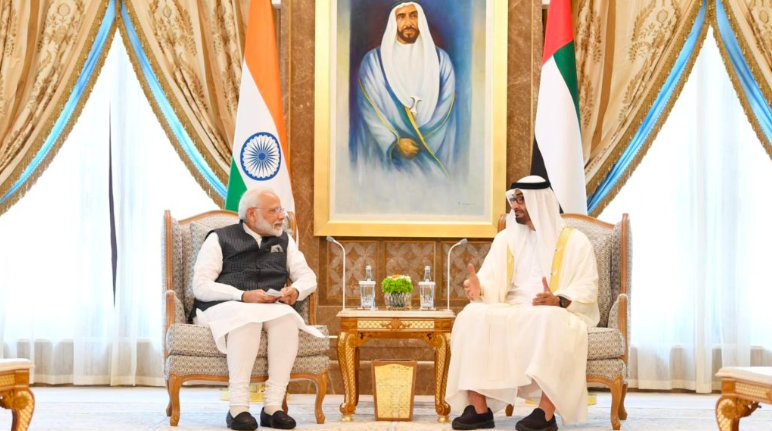
The UAE secretly brokering India-Pakistan peace: Will they succeed?
22 Mar 2021
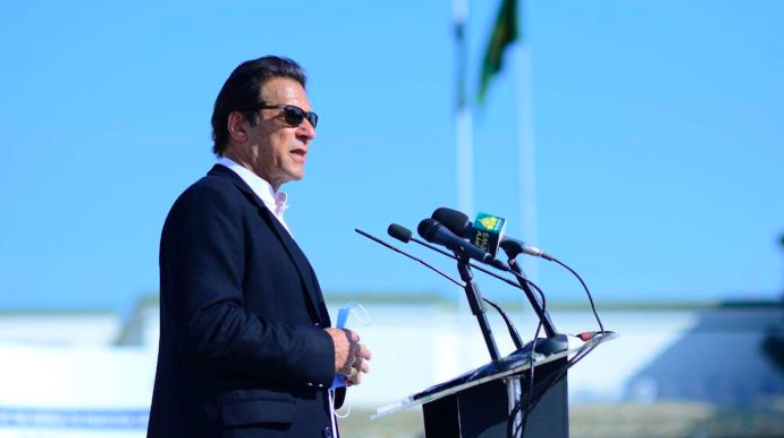
India and Pakistan release joint statement: Could this be a sign of reconciliation?
25 Feb 2021
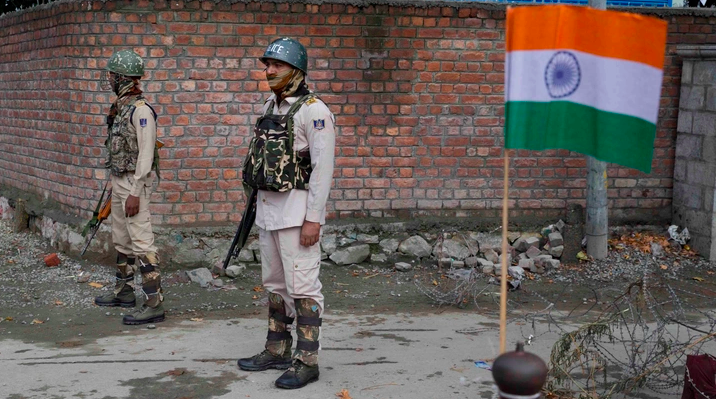
Is India forcefully changing the demography of Kashmir?
5 Feb 2021
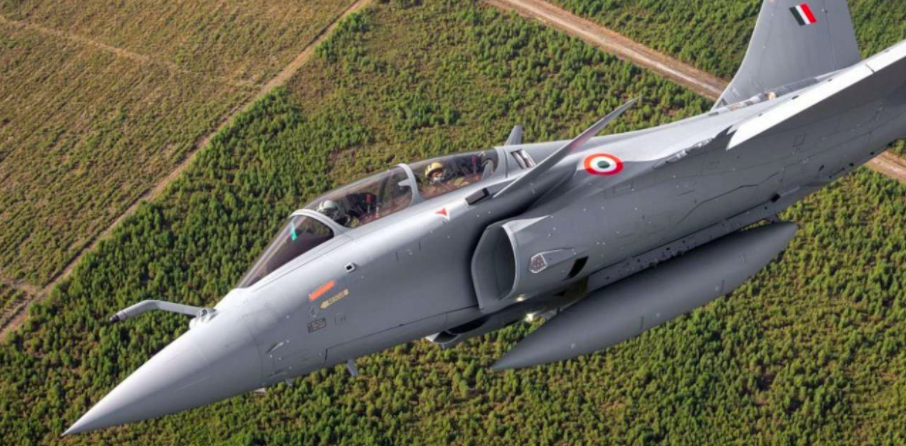
France and India ramp up ties: Is this a response to strengthening Pakistan-Turkey relations?
20 Jan 2021
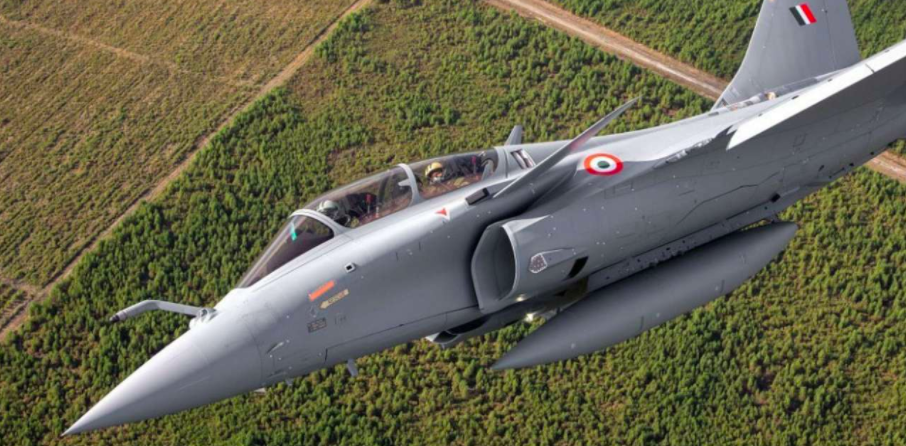
France and India ramp up ties: Is this a response to strengthening Pakistan-Turkey ties?
20 Jan 2021
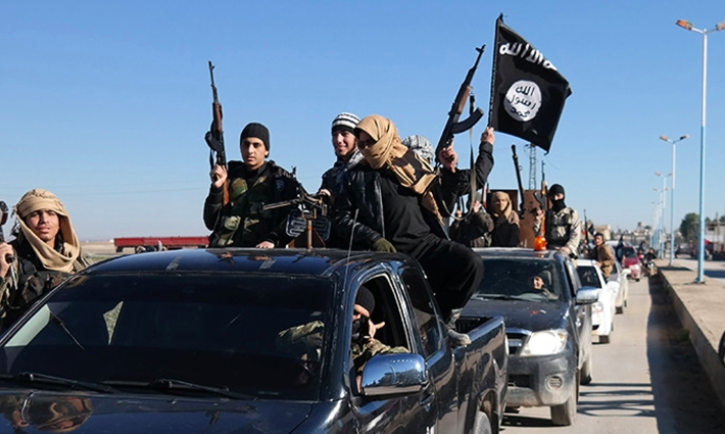
Is India supporting ISIS in Balochistan?
11 Jan 2021
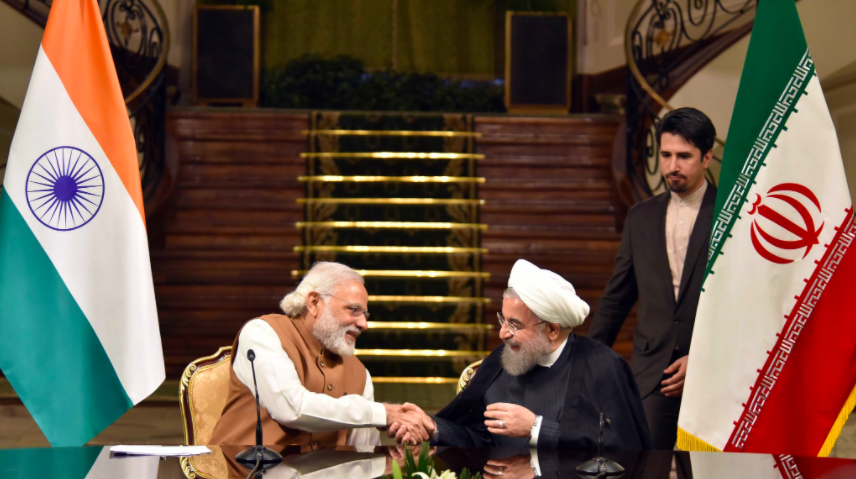
Will India try to strengthen ties with Iran under the Biden administration?
23 Dec 2020
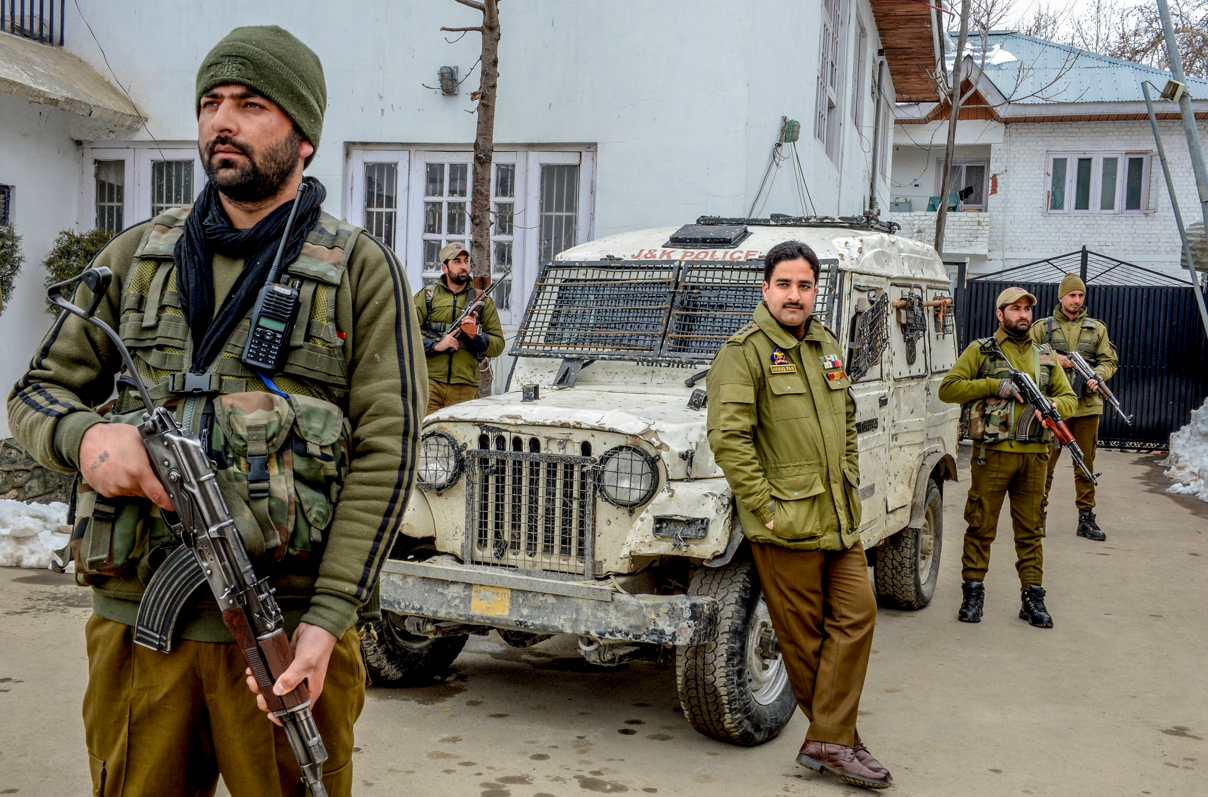
2 Indian soldiers killed in Kashmir: Will violence in the region escalate?
26 Nov 2020
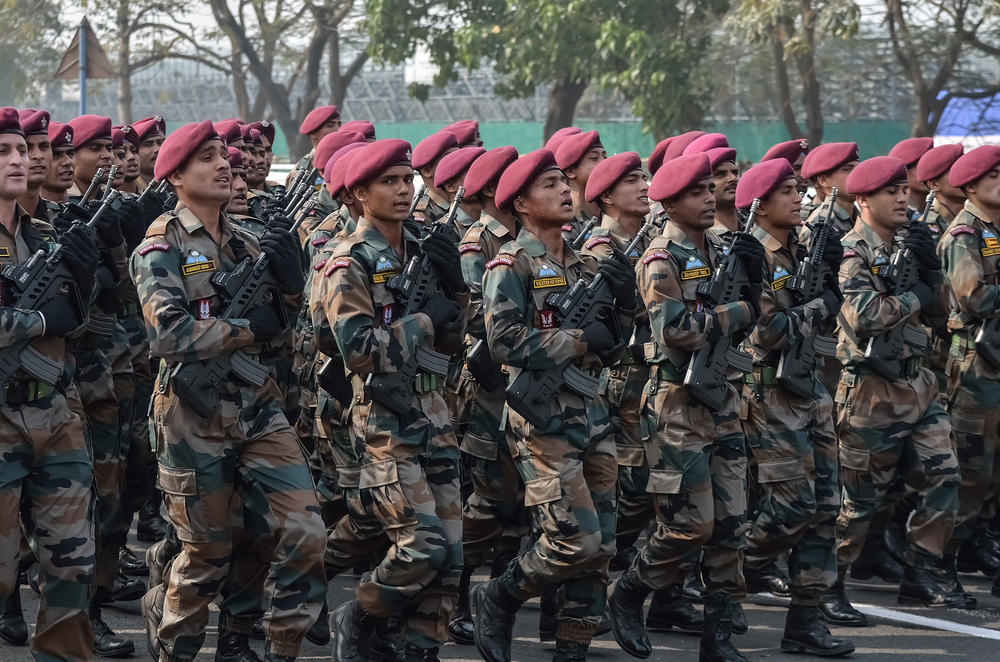
Can India stop the China-Pakistan alliance?
28 Aug 2020
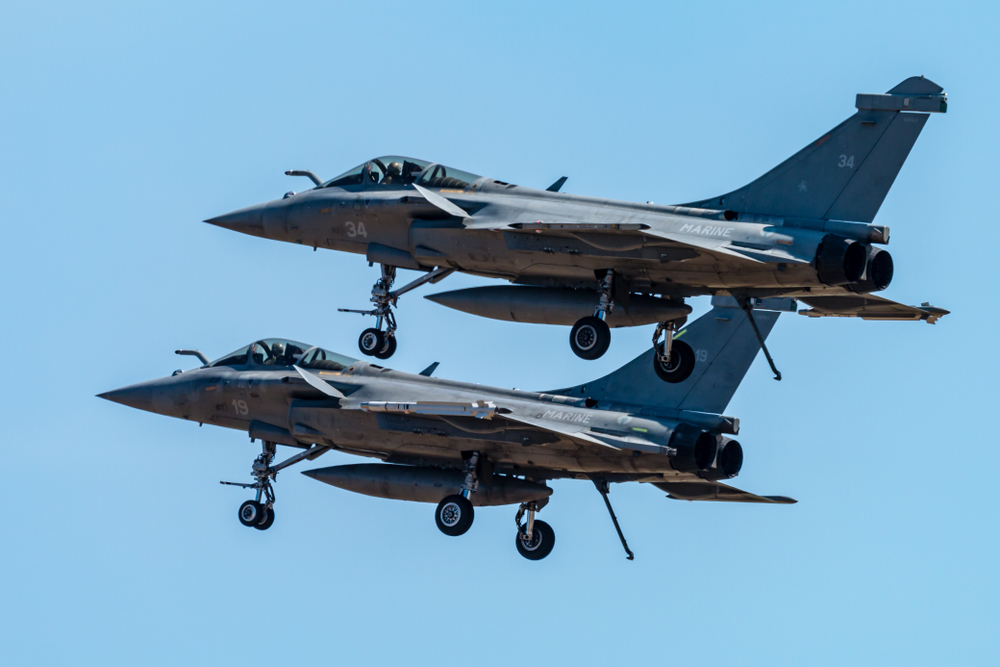
Is India France’s key to Asia?
29 Jul 2020
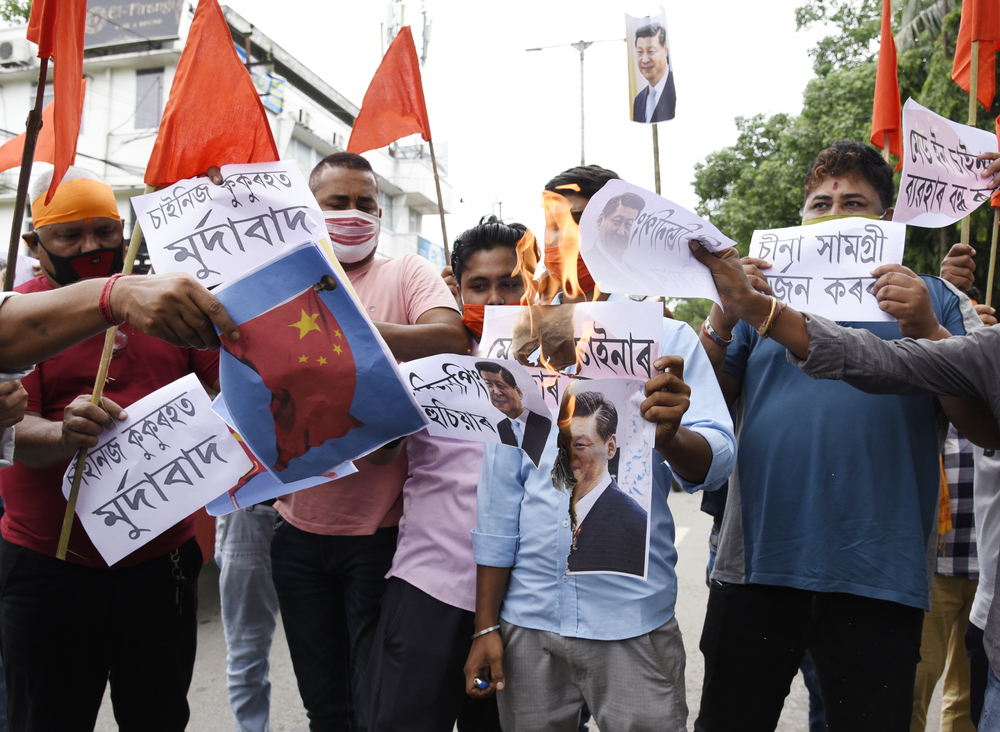
Will India and China enter a trade war?
3 Jul 2020
China and India place risky bets on Muslim acquiescence to anti-Muslim policies
China and India place risky bets Last month’s Islamic summit in Malaysia failed to challenge with a bang Saudi influence in the Islamic world and Muslim silence about repression of adherents to the faith in countries like China and India. Yet, it has produced ripples that spotlight the risks and fragility of opportunistic acquiescence. “Despite failing to achieve its immediate objective, the Kuala Lumpur summit has galvanized a stronger response by the OIC and the Gulf Arab states on issues affecting Muslims in India and, to a lesser extent, China,’ said Hasan AlHasan, a scholar who focuses on Gulf-South Asia relations, referring by its initials to the Organization of Islamic Cooperation. Saudi Arabia and the United Arab Emirates successfully pressured Muslim countries like Pakistan and Indonesia to boycott the Kuala Lumpur gathering because it was organized beyond the auspices of the Saudi-dominated, Riyadh-based OIC, the usual organizer of Islamic summits. The Gulf states also feared that the gathering, called to draw attention to the plight of persecuted Muslim minorities, threatened to embarrass Saudi Arabia, the UAE and others who have endorsed the brutal repression of Turkic Muslims in China’s troubled north-western province of Xinjiang and remained silent about mounting discrimination of the world’s largest Muslim minority in India so as not to jeopardize economic relations. The Gulf states were also worried that expressions of concern about the plight of Chinese Muslims would spotlight their adoption of aspects of China’s developing Orwellian surveillance state that has been most comprehensive in the crackdown in Xinjiang. More fundamentally, the Kuala Lumpur summit, supported by countries like Turkey, Iran and Qatar as well as Islamist groups such as the Muslim Brotherhood, highlighted the struggle for leadership of the Islamic world as well as Malaysia’s strained ties with key Gulf states. Breaches in Saudi and UAE-led efforts to prevent the plight of their co-religionists from disrupting relations with India and China are however emerging and could be widened by a suggestion by India’s top military commander that Kashmiris be interned in ‘de-radicalization camps’ after Prime Minister Narendra Modi withdrew Kashmir’s status as the country’s only Muslim state and imposed harsh security measures. Subscribe to read the full article We wish we didn't have to do this, but only paid subscribers can read the full article, Unlike other publishers, we are not the beneficiaries of State funds and are entirely dependent on our supporters to keep KJ Vids functioning. Please subscribe to read the rest of the article. The First 1,000 subscribers will receive a 50% lifetime discount to our content. - Access over 500 videos explaining global politics - Full access to all articles - Vote on future video topics - Secure Questions for Video Q&As Sign Up - https://www.kjreports.com/product/lifetimediscount/
31 Jan 2020
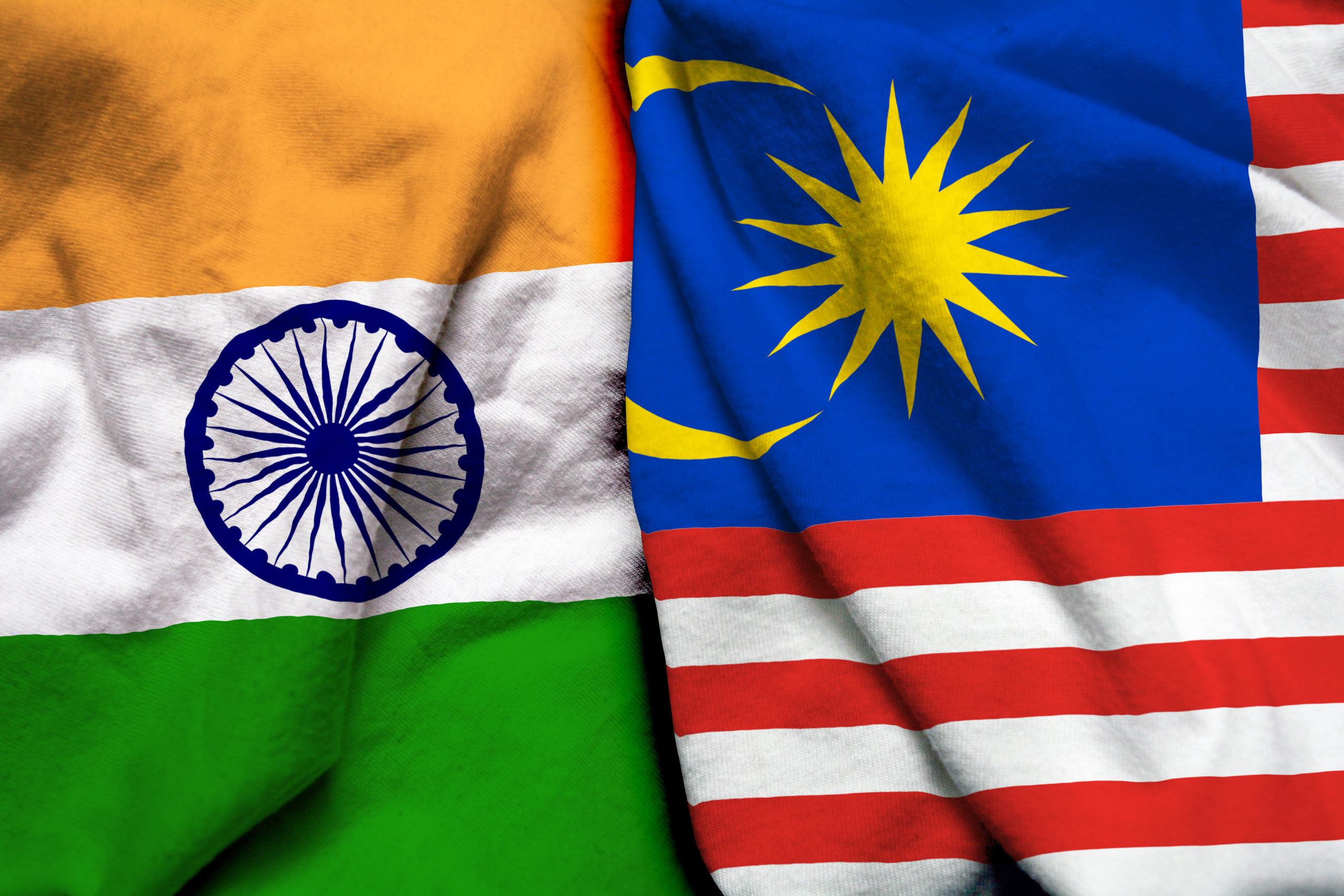
Strained ties with Malaysia should be a worry to India
Kashmir tension sent India-Malaysia ties downhill Two months ago, after India’s lockdown of Kashmir, Malaysia’s PM Mahathir Mohamad objected to the move, which sparked an angered reaction from India and sent Indian-Malaysian relations downhill. India was furious after Mahathir Mohamad said New Delhi had “invaded and occupied” Jammu and Kashmir during his address in New York City at the 74th session of the UN General Assembly on Sept. 27. “We felt that the people of Kashmir had benefited from the UN resolution, and all countries should abide by it, not just India or Pakistan but even the United States. “Otherwise, what’s the use of having the UN?” Mahathir told reporters in Kuala Lumpur on Oct. 22. He also criticized India for revoking the special status of Jammu and Kashmir, which has a Muslim majority population. As a result, numerous posts with the hashtag #BoycottMalaysia from users in India were trending on Twitter. Malaysian users responded with #BoycottIndia tweets. Subscribe to read the full article We wish we didn't have to do this, but only paid subscribers can read the full article, Unlike other publishers, we are not the beneficiaries of State funds and are entirely dependent on our supporters to keep KJ Vids functioning. Please subscribe to read the rest of the article. The First 1,000 subscribers will receive a 50% lifetime discount to our content. - Access over 500 videos explaining global politics - Full access to all articles - Vote on future video topics - Secure Questions for Video Q&As Sign Up - https://www.kjreports.com/product/lifetimediscount/
1 Dec 2019
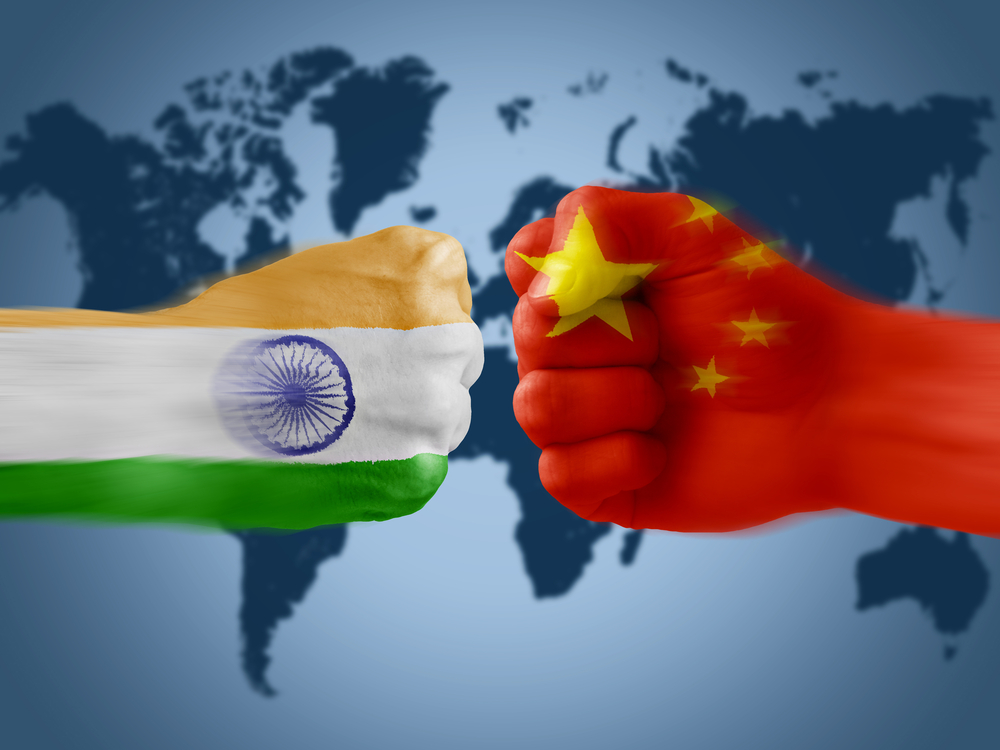
Is China trying to corner India?
Is China trying to corner India? While China has been using its growing economic might to establish its dominance in Asia and become the world’s largest superpower, it has also been using its military and geopolitical influence to assert its dominance. The latest move by China appears to be responding to its direct rival in Asian economic and military dominance that is India. China is reported to be boosting its arms links with South Asian nations, with a further supply of an advanced anti-stealth radar to Pakistan as well as frigates to Pakistan, Bangladesh and Sri Lanka.cJane’s Defence Weekly, a magazine reporting on military and corporate affairs, said it had identified Chinese-made JY-27A counter-very-low-observable radar from satellite images of Pakistan’s Mianwali Air Base, captured on August 29. The radar is believed to have arrived at the airbase in northeast Pakistan between June 5 and August 29, and was not fully operational as of September 2, according to Jane’s. Chinese efforts to strengthen military ties in the region have long caused concern in India, whose “string of pearls” theory contends that China is encircling India by developing relationships with its neighbours around the Indian Ocean. “China’s military cooperation with South Asian nations is nothing new. It has been going on for decades,” said Wang Dehua, a South Asia expert at the Shanghai Municipal Centre for International Studies. It now appears that the military cornering of India is taking shape, and China has placed itself in a very strategic position should India pose a military threat. Subscribe to read the full article We wish we didn't have to do this, but only paid subscribers can read the full article, Unlike other publishers, we are not the beneficiaries of State funds and are entirely dependent on our supporters to keep KJ Vids functioning. Please subscribe to read the rest of the article. The First 1,000 subscribers will receive a 50% lifetime discount to our content. - Access over 500 videos explaining global politics - Full access to all articles - Vote on future video topics - Secure Questions for Video Q&As Sign Up - https://www.kjreports.com/product/lifetimediscount/
24 Nov 2019
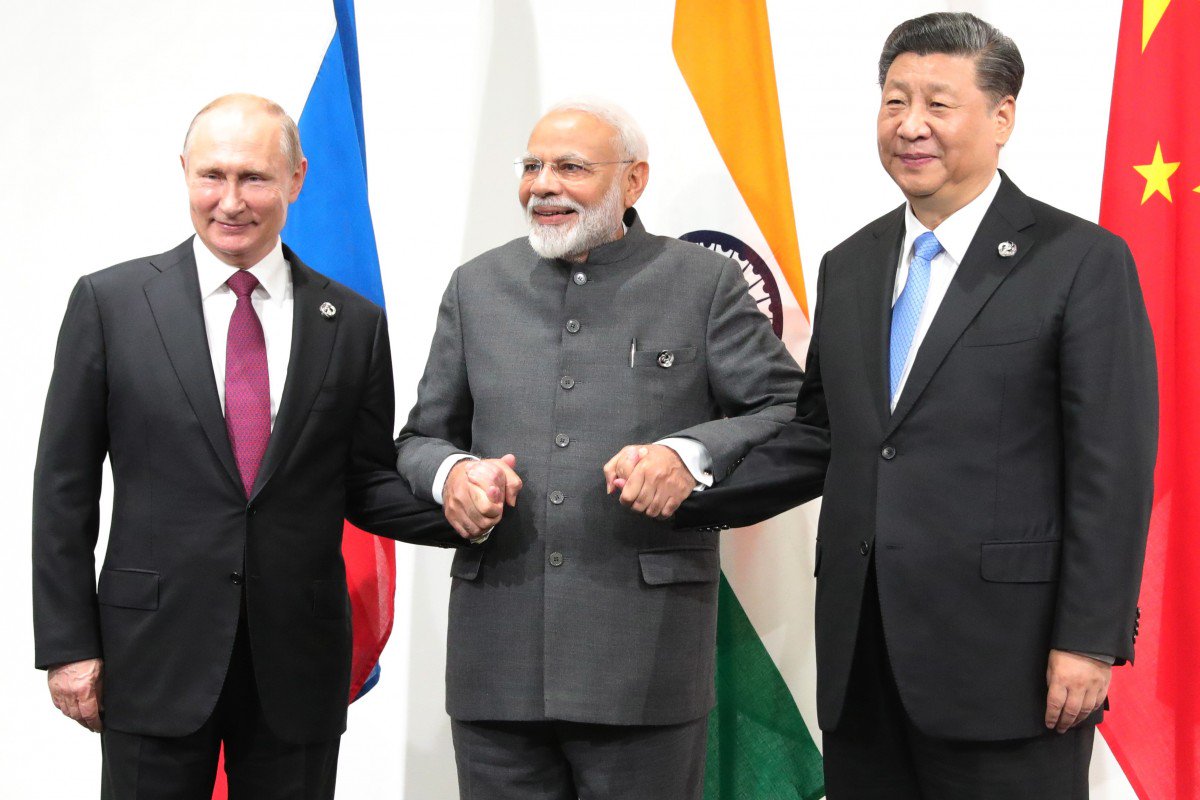
Eurasia’s Great Game: India, Japan and Europe play to Putin’s needs
18 Oct 2019
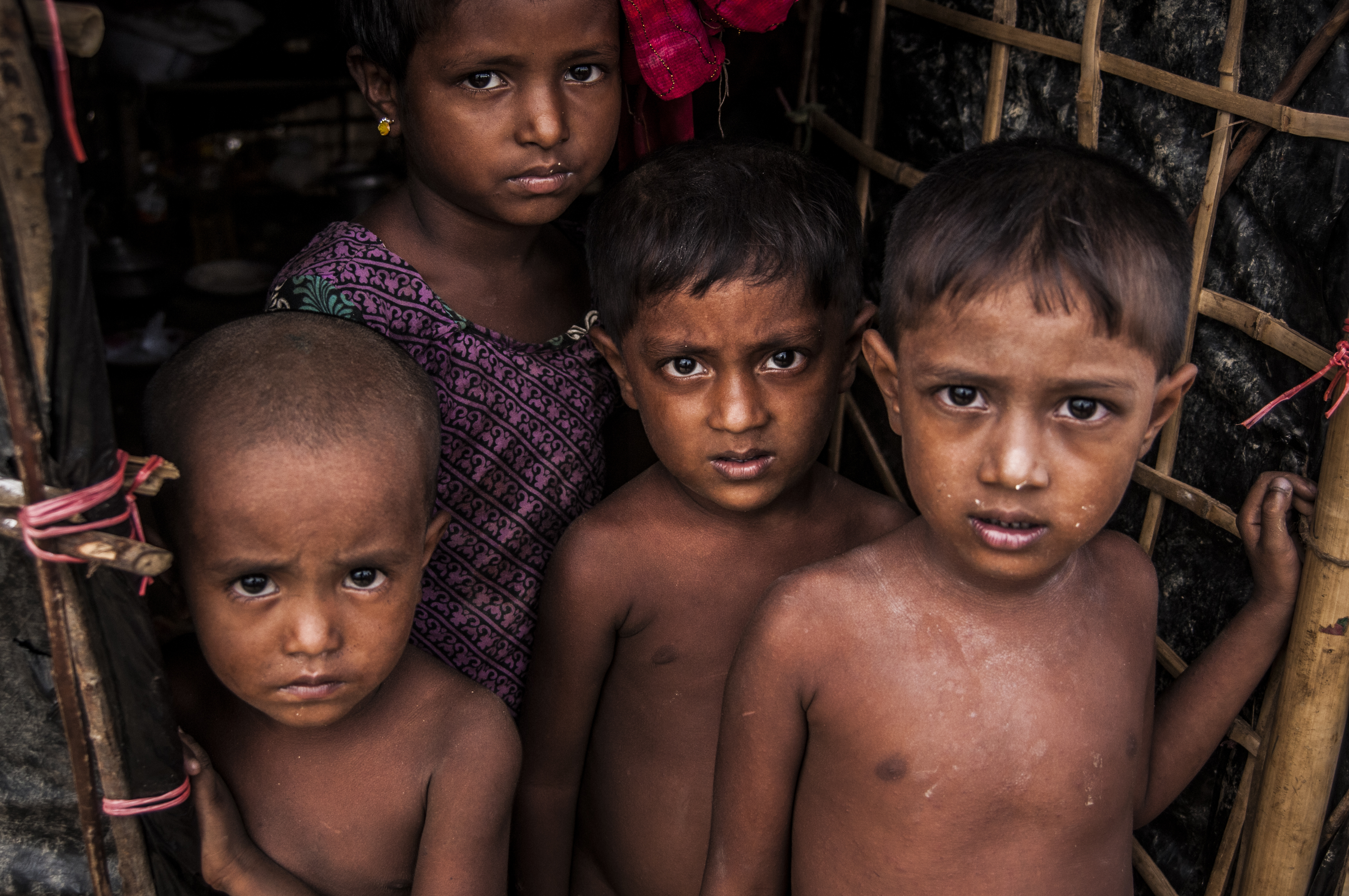
A bird’s eye view of Asia: A continental landscape of minorities in peril
12 Sept 2019
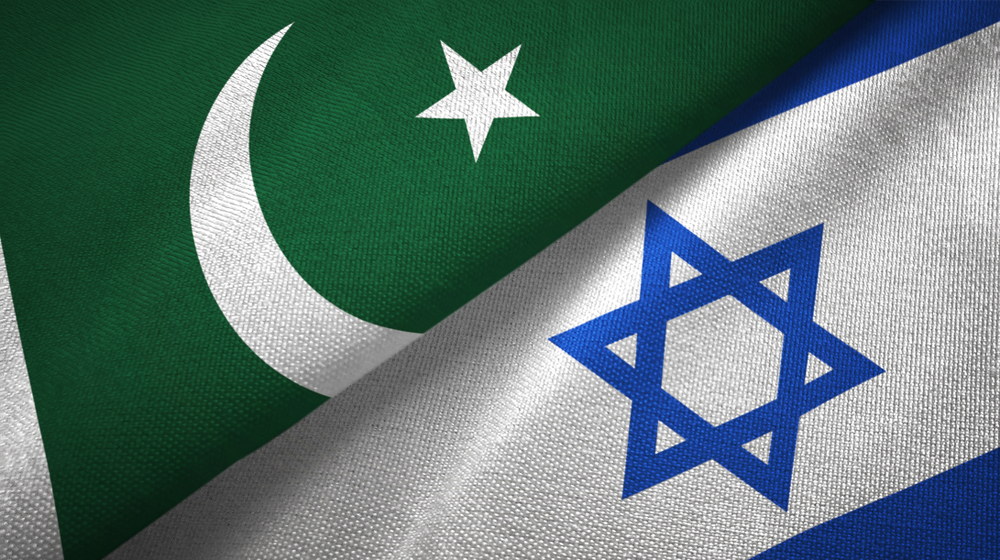
After years of reluctance, India has forced Pakistan to establish relations with Israel
Hostility between Israel and Pakistan until now Israel and Pakistan have had virtually no official relations between each other since their establishment as the two states until now, do not have diplomatic relations with each other. The Pakistani passport reads: “This passport is valid for all countries of the world except Israel”. Interestingly, an attempt to establish diplomatic relations with Pakistan was made by Israel’s first premier David Ben-Gurion, who had sent a telegram to Quaid-i-Azam, but the latter gave no particular response. Since then, for the rest of the century ties remained non-existent, however, in 2011 a controversy appeared, where according to the “Press Trust of India”, Israel was alleged to have exported British military technology to Pakistan. There is little evidence to support this however. In 2017, during an official visit to India, Israeli Prime Minister Benjamin Netanyahu had dismissed suggestions that his country’s partnership with India was a threat to Pakistan. A Pakistani newspaper had quoted him as saying: “We (Israel) are not enemies of Pakistan and Pakistan should not be our enemy either”. However once again Pakistan did not engage. The upcoming warming of relations between the two nations will therefore act as a surprise to many and will make big waves in the region and worldwide. Subscribe to read the full article We wish we didn't have to do this, but only paid subscribers can read the full article, Unlike other publishers, we are not the beneficiaries of State funds and are entirely dependent on our supporters to keep KJ Vids functioning. Please subscribe to read the rest of the article. The First 1,000 subscribers will receive a 50% lifetime discount to our content. - Access over 500 videos explaining global politics - Full access to all articles - Vote on future video topics - Secure Questions for Video Q&As Sign Up - https://www.kjreports.com/product/lifetimediscount/
8 Sept 2019