Chinese ships boost the navies of Pakistan, Bangladesh and Srilanka
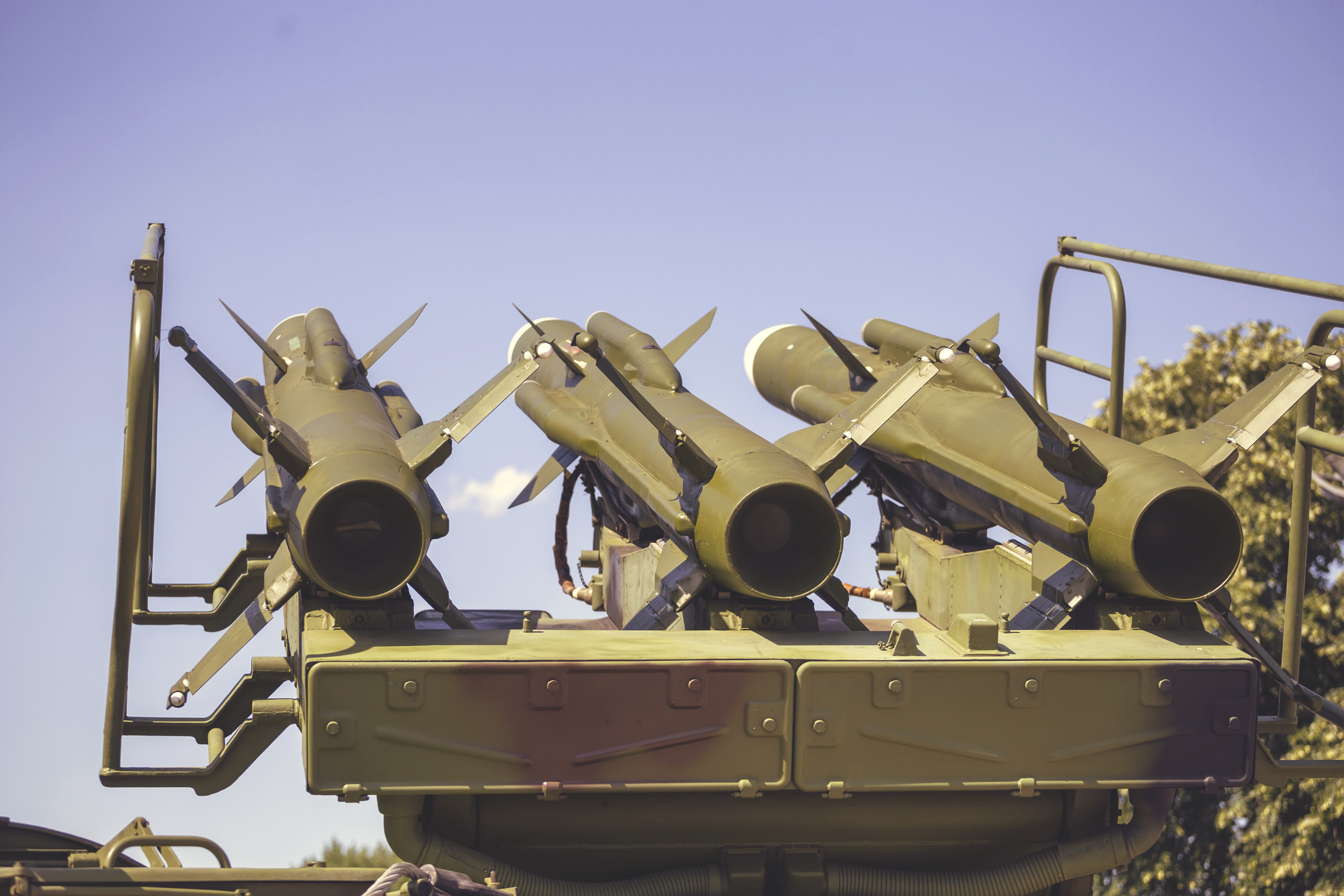
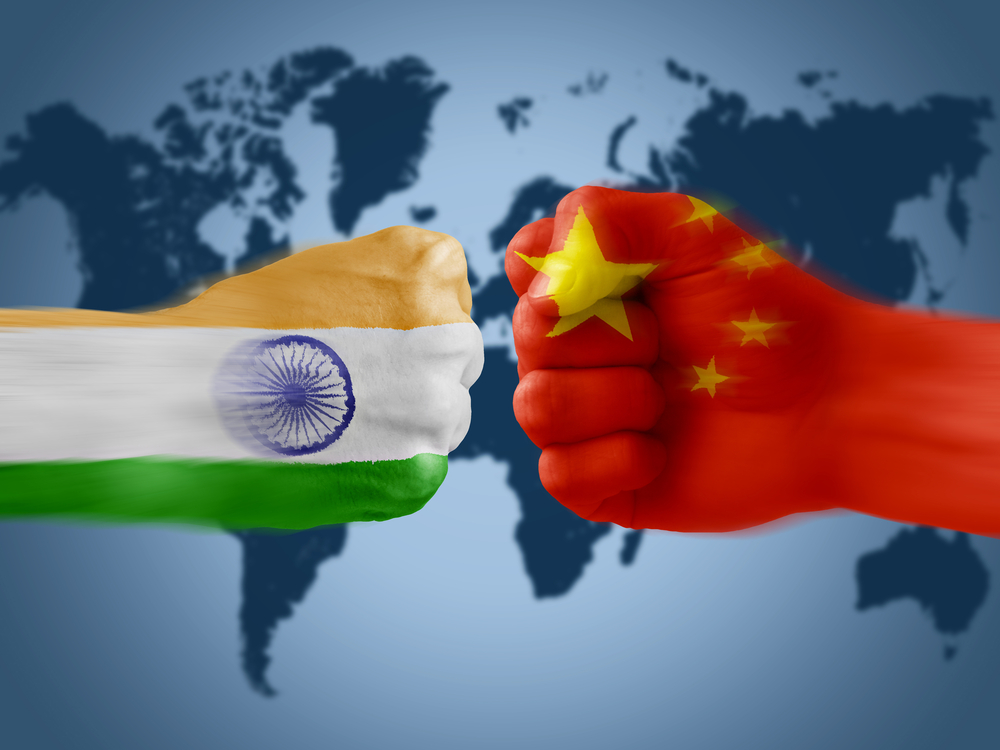
While China has been using its growing economic might to establish its dominance in Asia and become the world’s largest superpower, it has also been using its military and geopolitical influence to assert its dominance. The latest move by China appears to be responding to its direct rival in Asian economic and military dominance that is India. China is reported to be boosting its arms links with South Asian nations, with a further supply of an advanced anti-stealth radar to Pakistan as well as frigates to Pakistan, Bangladesh and Sri Lanka.cJane’s Defence Weekly, a magazine reporting on military and corporate affairs, said it had identified Chinese-made JY-27A counter-very-low-observable radar from satellite images of Pakistan’s Mianwali Air Base, captured on August 29. The radar is believed to have arrived at the airbase in northeast Pakistan between June 5 and August 29, and was not fully operational as of September 2, according to Jane’s. Chinese efforts to strengthen military ties in the region have long caused concern in India, whose “string of pearls” theory contends that China is encircling India by developing relationships with its neighbours around the Indian Ocean. “China’s military cooperation with South Asian nations is nothing new. It has been going on for decades,” said Wang Dehua, a South Asia expert at the Shanghai Municipal Centre for International Studies. It now appears that the military cornering of India is taking shape, and China has placed itself in a very strategic position should India pose a military threat.
India refusing to submit to China’s economic pressure
As stated earlier, China has been using its domestic economic expansion to increase its economic and production capacity in South East Asia, developing a strong manufacturing presence in several neighbouring countries and more recently as far as Iran. Consequently, China has tried to do the same in India, through the proposal of several agreements. However, Indian Prime Minister Narendra Modi’s administration won’t let China flood India with its manufacturing products, the way it did with Pakistan. This week, Modi declined to sign the Regional Comprehensive Economic Partnership (RCEP) at the Association of Southeast Asian Nations (ASEAN) summit in Bangkok. China is the biggest member of RCEP, and its manufacturing products could flood India’s markets, once the agreement takes effect; and widen further widening the trade deficit between India and China. This widening deficit is the result of most similar moves by China in the surrounding nations, with Pakistan suffering the same fate following the signing of a free trade agreement (FTA) with China back in 2006. According to Pakistan Bureau of Statistics (PBS) statistics, Pakistan’s imports from China soared from $3.52billion in 2006-7 to $15.74 billion in 2017-18. Meanwhile, China’s share in Pakistan’s total world imports rose from 11.52% in the beginning of the period to 25.89% at the end of the period. India is therefore wary of such agreements, especially due to its awareness of China’s economic and geopolitical intentions.
India trying to counter China’s influence
Not only has India tried to avoid China’s manufacturing and military presence in the nation, but is taking steps to establish influence of its own in the region, countering China’s push in Asia. India has turned to another regional rival of China, Japan to establish a force that can counter China’s geopolitical expansion. India and Japan are set to hold their inaugural defence and foreign ministerial dialogue on Nov. 30. The new talks referred to as the “2+2,” a diplomatic term for bilateral meetings between defence and foreign ministers is expected to advance cooperation around a range of bilateral issues ahead of next month’s annual summit between Prime Ministers Shinzo Abe of Japan and Narendra Modi of India. Relations between India and Japan provide a stabilizing anchor for rules-based norms and values at a time when the United States is increasingly preoccupied with domestic concerns and Asia is wracked by the unsettling rise of China and the broadening spread of nationalism and authoritarianism. However, the US has also chipped in and is trying to use its bilateral relations in the region, to achieve the same goal that India is, which is limit China’s spreading influence. The Trump administration on Thursday sought to bring Pakistan back into its sphere of influence by offering new business opportunities with the US for Islamabad alongside a lengthy critique of the country’s engagement with Beijing through the China-Pakistan economic corridor. In a recent phone call president, Trump spoke to Imran Khan, urging him to develop US-Pakistan trade and