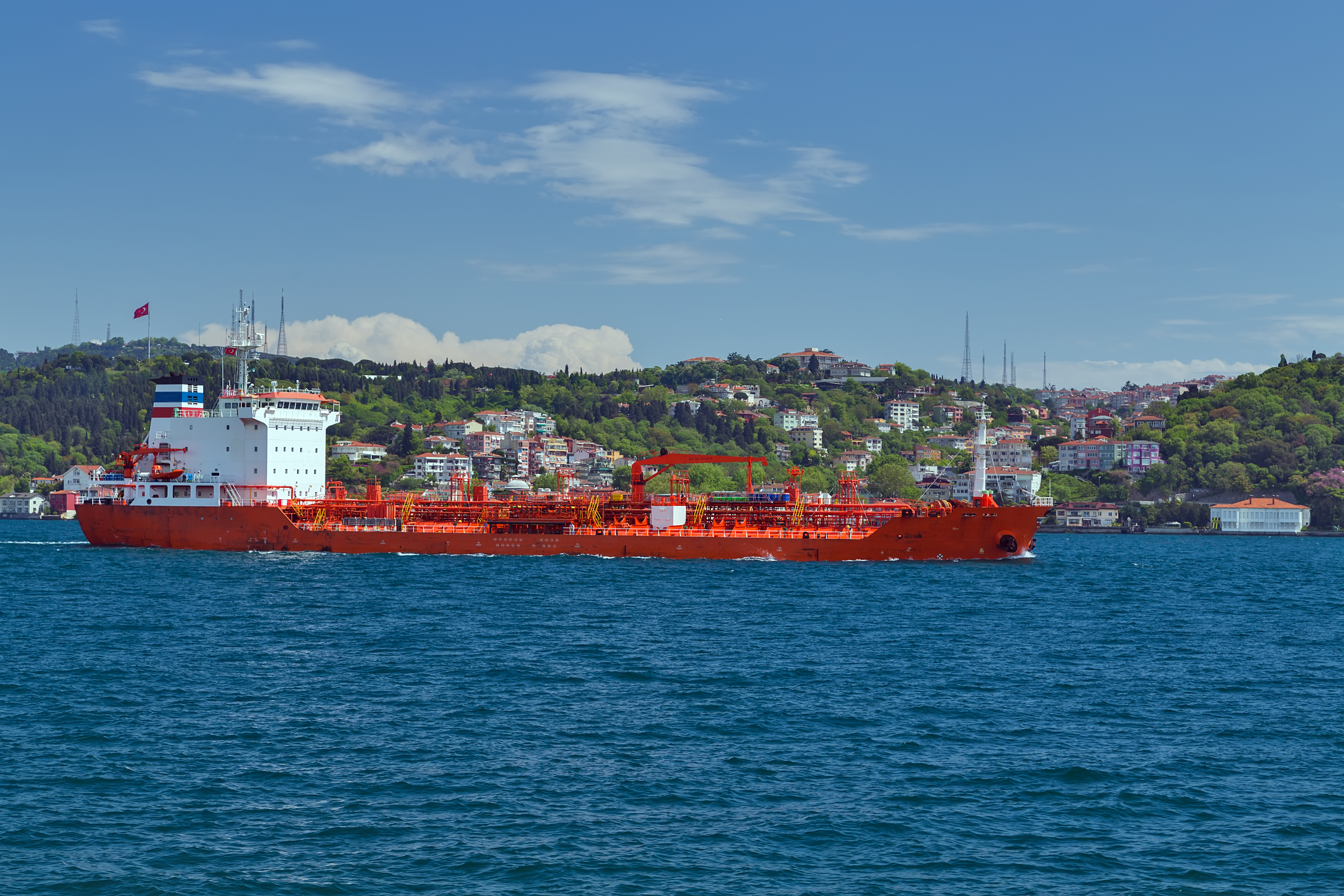
The geopolitical utility of the American oil embargo has reached its terminal point. As Indian refineries process the first massive shipments of Venezuelan heavy crude under long-term, rupee-denominated contracts, the message to Washington is clear: the era of coercive energy diplomacy is over. India is no longer merely navigating the gaps in Western sanctions; it is actively constructing a parallel financial and logistical architecture that renders them obsolete.
The Multi-Alignment Mandate
India’s decision to ignore the residual friction of US secondary sanctions is not an act of ideological defiance. It is a matter of structural necessity. With a domestic economy projected to grow at 7% and an urbanising population requiring unprecedented caloric and kinetic energy, New Delhi views energy security as a non-negotiable component of national sovereignty. Reliance on the Middle East is a risk; reliance on Russian flows is a complication; but access to Venezuela’s Orinoco Belt—the world’s largest proven oil reserves—is a strategic imperative.
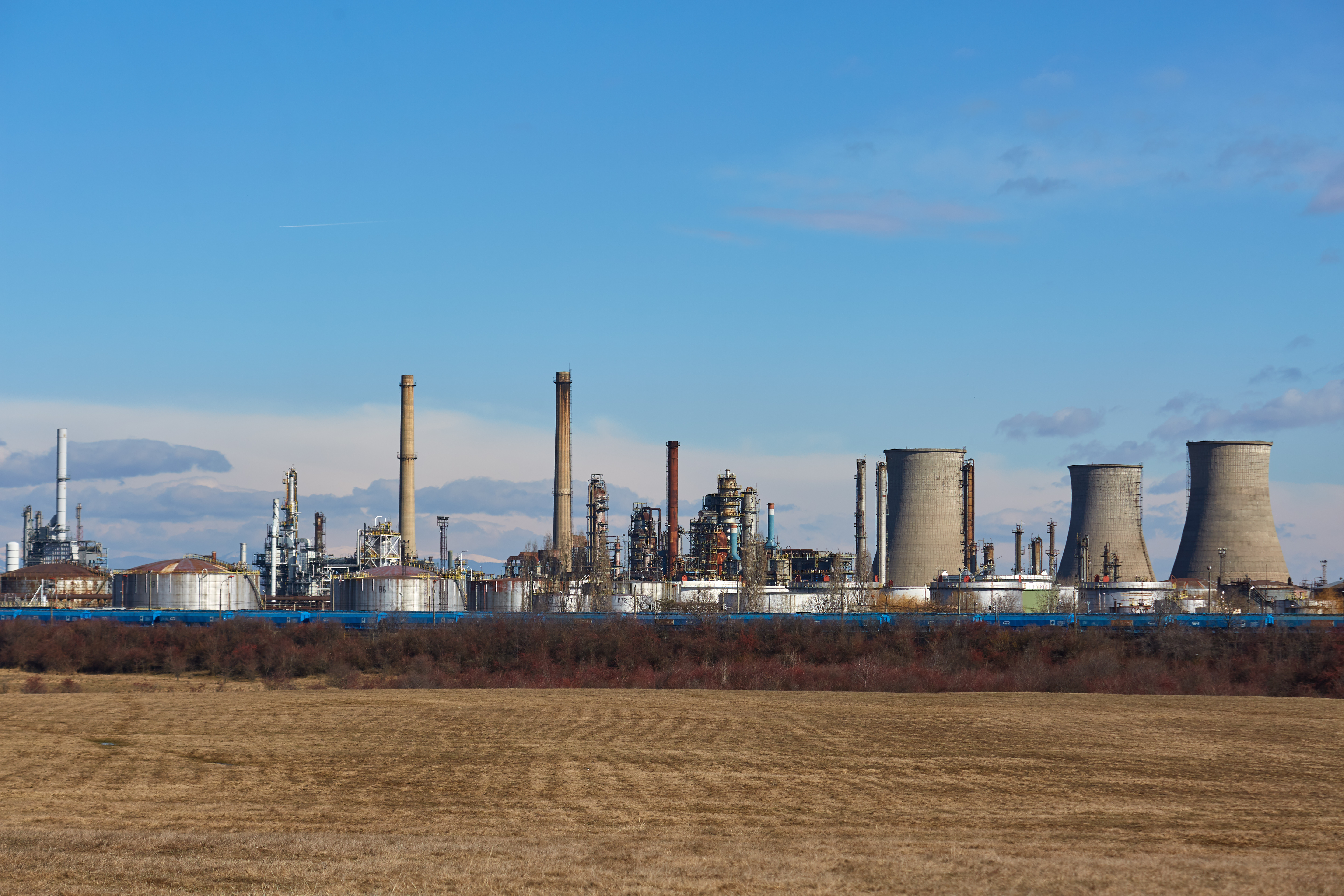
The incentive for New Delhi is clear: Venezuela’s heavy sour crude is perfectly suited for India’s complex refineries, specifically those operated by Reliance Industries and Nayara Energy. These facilities were designed to handle the difficult, high-sulphur grades that many Western refineries shun. By securing these flows at a steep discount, India lowers its landed cost of energy, subsidises its industrial expansion, and reduces its trade deficit. For Caracas, India provides the one thing the US tried to take away: a reliable, high-volume customer with a sophisticated banking system capable of bypassing the SWIFT network.
The Architecture of Circumvention
What makes the Caracas-Delhi bridge different from previous attempts to bypass sanctions is the institutionalisation of the trade. This is not a series of shadow-tanker transfers. It is a formalised state-to-state arrangement involving three specific pillars: sovereign insurance, rupee-settlement mechanisms, and joint-venture upstream investments.
- Sovereign Insurance: India has developed its own maritime insurance cover to replace Western P&I clubs, ensuring that shipments cannot be halted by London-based insurers.
- Rupee-Bolivar Trade: By utilising a Vostro account system, India pays for oil in rupees, which Venezuela then uses to purchase Indian pharmaceuticals, engineering goods, and refined petroleum products.
- Upstream Equity: Indian state firms like ONGC Videsh have reactivated stakes in Venezuelan fields, effectively turning Caracas into a long-term production hub for the Indian state.
Historical Parallel: The 1970s Pivot
We have seen this shift before. In the 1970s, the oil shocks forced Western nations to diversify away from absolute reliance on specific regions, leading to the development of the North Sea and Alaskan reserves. Today, the global South is performing its own pivot. Just as the US once sought to insulate itself from OPEC’s whims, India is now insulating itself from the US Treasury’s whims. The parallel is not in the geography, but in the psychological break from a single point of failure. New Delhi has concluded that the American financial system is a volatile variable, not a constant, and is acting accordingly.
What Most People Miss
The standard analysis focuses on the morality of dealing with the Maduro administration or the technicalities of the sanctions waivers. This misses the second-order effect: the permanent dilution of the US Dollar’s role as the exclusive toll-booth for global energy. When India—the world’s third-largest energy consumer—successfully creates a high-volume, long-term trade corridor outside the dollar zone, it creates a template for others. Brazil, South Africa, and Southeast Asian nations are watching. The "India Model" proves that if your market is large enough, you do not have to choose between Washington’s approval and your own development.
Strategic Consequences
The long-term result is a bifurcated energy market. We are moving toward a world where there is "Western-aligned oil" (expensive, transparent, dollar-based) and "Neutral-aligned oil" (discounted, opaque, multi-currency). India is the primary bridge between these two worlds, capturing the arbitrage. However, this creates a new dependency. While India escapes the US thumb, it becomes deeply entangled in the domestic stability of Venezuela, a state with significant internal volatility. New Delhi is trading geopolitical risk for geological certainty.
The collapse of the embargo paradigm does not mean sanctions disappear; it means they no longer achieve their primary goal of changing state behaviour. They have transitioned from a weapon of war to a mere friction cost of doing business.
What to Watch
- Refinery Retrofitting: Watch for Indian capital expenditure in domestic refineries specifically optimised for Venezuelan and Russian heavy grades, signalling a permanent shift in procurement.
- The Vostro Expansion: The volume of non-oil trade flowing from India to Venezuela as part of the barter-style settlement.
- US Congressional Reaction: Whether Washington attempts to penalise Indian banks, a move that would likely backfire by accelerating the flight from the dollar.
- Logistical De-bottlenecking: Developments in the "International North-South Transport Corridor" and similar projects that bypass traditional maritime chokepoints.
The KJ Verdict
The Caracas-Delhi bridge is the most significant indicator to date that the unipolar moment in energy markets is over. By integrating Venezuelan crude into its long-term growth strategy, India has effectively vetoed the US sanctions regime. Washington is now faced with a choice: accept the new reality of a multipolar energy trade or risk alienating its most important strategic partner in the Indo-Pacific. Power in the 21st century flows to those who control the bottlenecks; India has just proven that the biggest bottleneck—the US financial system—can be bypassed if the hunger for energy is great enough. The embargo is not dead by decree, but it is dead by irrelevance.