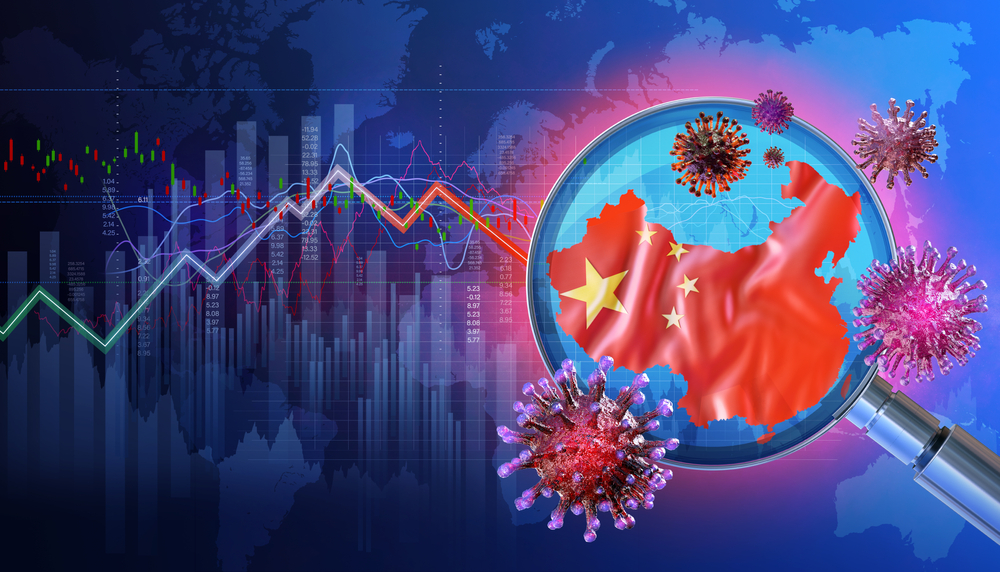
War against the “invisible enemy” goes on, even though it is still unclear how this fight started. The United States and China keep accusing each other of deliberately creating the novel coronavirus in order to achieve their own geopolitical agendas. The US officials blame Chinese authorities for fabricating information related to the origin of COVID-19, while Beijing claims it was the US Army that brought the coronavirus to China. There are theories that the US created the virus in order to slow China’s economic growth, while many Americans believe that People’s Republic of China sent hundreds of thousands of Chinese on aircraft to the West in order to spread the disease and destroy Western economies. In any case, the coronavirus has already caused a serious damage to both, the United States and China, and the two powers will likely take advantage of the situation and try to transform the global political, economic, financial and monetary systems.
CHINESE ECONOMY’S RECOVERY
There are speculations that China may reduce investment in US public debt in the coming months. This could be the way Beijing responds to surging trade tensions and a war of words between the two largest economies over the origins of the coronavirus outbreak, Russian newspaper Nezavisimaya Gazeta wrote. If China immediately puts $1 trillion on the market, which is stored in US government bonds, this could trigger the collapse of the dollar and financial markets, which could also harm China, experts warn. However, it is not beneficial for anyone, especially in the era of trade wars. If national currencies rise against the dollar, this will greatly affect the export revenues of all countries.
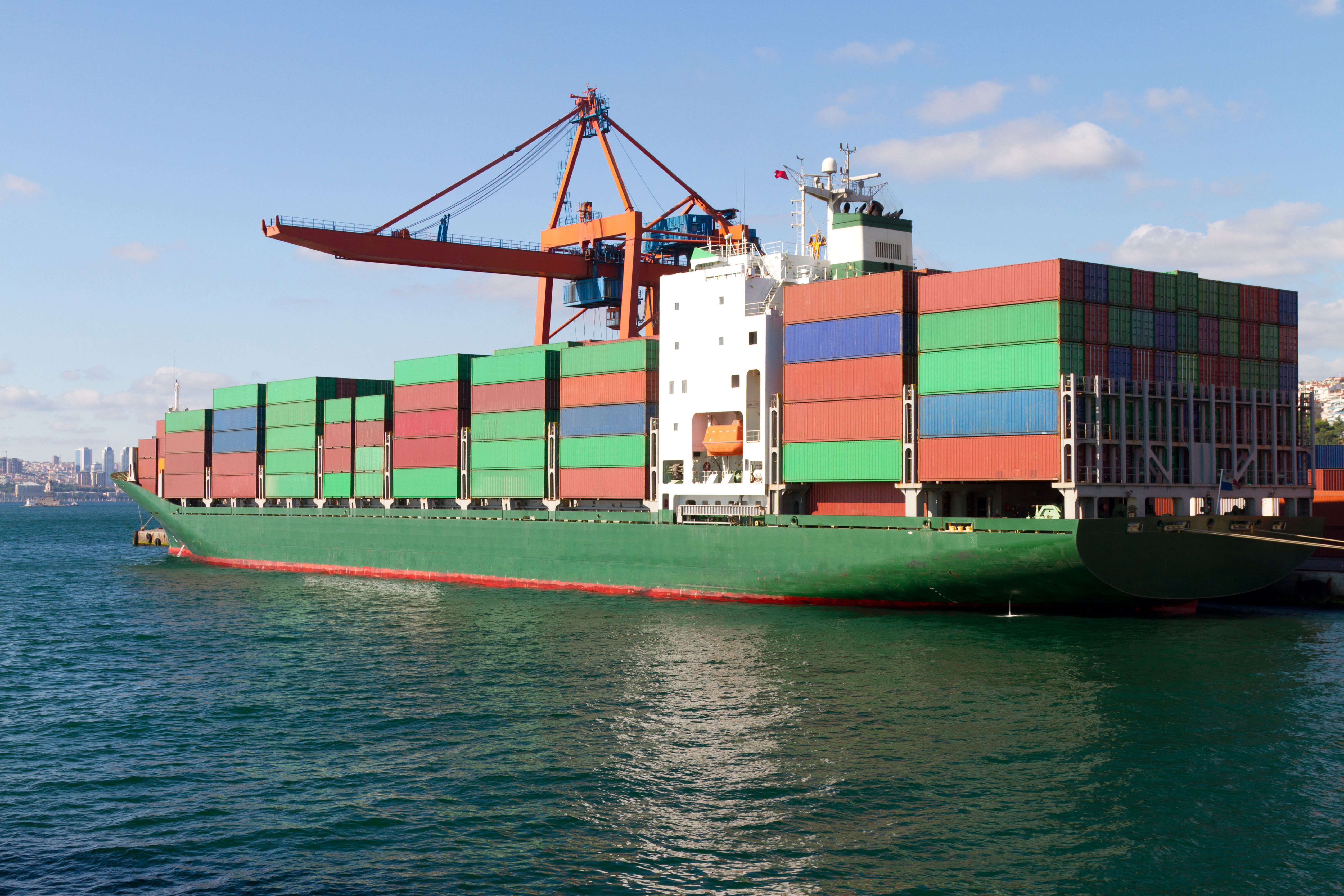
China’s economy is, as of today, still heavily dependent on exports. Any hope of a recovery is partially dependent on how quickly other world leaders are able to contain the virus and restart their economies. Reportedly, nearly 200 million jobs in China come from businesses connected to foreign trade. China’s economic growth was already slowing before the COVID-19 pandemic as the government sought to reduce debt, and US President Donald Trump targeted exporters in an unprecedented trade war. The coronavirus crisis may provide Beijing an opportunity to boost domestic consumption, thereby reducing its reliance on foreign demand. Chinese Exports will struggle with global demand falling. However, there are indications that China’s economy has started to recover. According to some reports, production at China’s factories is growing for the first time since the coronavirus pandemic began. The industrial output increased 3.9 percent in April from a year ago, according to data released Friday by the National Bureau of Statistics. Also, China started to buy large amounts of oil.
According to Kazakhstan’s Deputy Energy Minister Aset Magauov, the Central Asian state will increase its oil exports to neighboring China by almost four times. He explained that the export of Kazakh oil to Europe has become less attractive due to lower prices for raw materials, while the proposed price to China is higher.
“Therefore, requests from oil companies for the supply of their oil for export to China have increased dramatically,” Magauov said.
Major crude oil importers such as China have been known to build their strategic reserves when prices are low. China has been building up its crude oil stockpile, and went on a buying spree in the first quarter of this year. However, lack of natural resources is something that makes China quite vulnerable. In the short term, Chinese economy may keep growing, although not nearly as much as it did before COVID-19. In the long term, once a new petrodollar system is established, China’s access to oil can be rather limited.
BLAME AND COUNTER-CHARGES
The coronavirus crisis has already affected China’s economy. Accounting for migrant workers who could not travel to cities, job losses may have exceeded 50 million and the real unemployment rate could have hit 12 percent in March, according to BNP Paribas. As many as 130 million people were reportedly either out of work or furloughed in the first quarter. Still, with an accumulated capital formation of almost $30 trillion and foreign reserve above $3 trillion, the country has considerable monetary power to weather any crisis. Also, in the near term China cannot be replaced as the major global producer. Although there are speculations that India can eventually become a new “global factory”, such a scenario is not realistic as it would take decades to build infrastructure and transform the country. However, some US, European and Japanese producers can move from China to India and other developing countries, but that does not mean China will immediately stop being world’s second economy. According to British author and journalist James Crabtree, it is far from clear that US or Japanese companies actually want to shift much production out of China in the first place. Countries like Vietnam, often cited as alternatives, are tiny by comparison and offer nothing like the professionalism, range and scale of manufacturing options found in Shenzhen and other Chinese hubs. In any case, China’s position in the global arena will depend on Beijing’s relations with Washington.
In the wake of the 2008 crisis, the global economic recovery got a major boost from Sino-American cooperation. That is not going to be the case in 2020. Instead, their geopolitical rivalry is expected to grow. Zhao Lijian, a Chinese foreign ministry spokesman, has repeatedly promoted the idea that Covid-19 might have originated in the US. On 12 March, he said in a tweet that it might have been the US army that brought the virus to Wuhan. On the other hand, White House trade adviser Peter Navarro has accused China of attempting to “seed” the coronavirus around the world by sending sick people overseas. Such a rhetoric is clear sign that relations between the two countries will not easily get back to normal.
“The threat of higher tariffs and the intensifying technology cold war could yet disrupt technology trade and investment, de-powering what still promises to be an engine for recovery in 2020”, wrote economists from S&P Global Ratings in a research note.
Also, Deutsche Bank recent survey showed that 41 percent of Americans will not buy ‘Made in China’ products again, while 35 per cent of Chinese will avoid US goods. In other words, a decoupling process has already taken place. Eventually, the US President Donald Trump’s threat to cut off the whole relationship with China may come true.
WHO WILL WIN THE WAR?
As James Crabtree points out, the longer the pandemic continues, the more likely it is that China-centric supply chains will be disrupted and refashioned. Global manufacturing is set to become more fragmented by region and less dominated by China. Therefore, it is quite questionable if Beijing can benefit from the coronavirus crisis in the long term. On the other hand, the American economy is presently heavily suffering, but if a concept of the global transformation, led by those that some media call populist sovereignists, prevails, the US will likely keep playing a major role in the new world. In any case, both, Washington and Beijing, will keep fighting to preserve their global positions, and the upcoming years will show what will be the final outcome of the war against the invisible enemy.