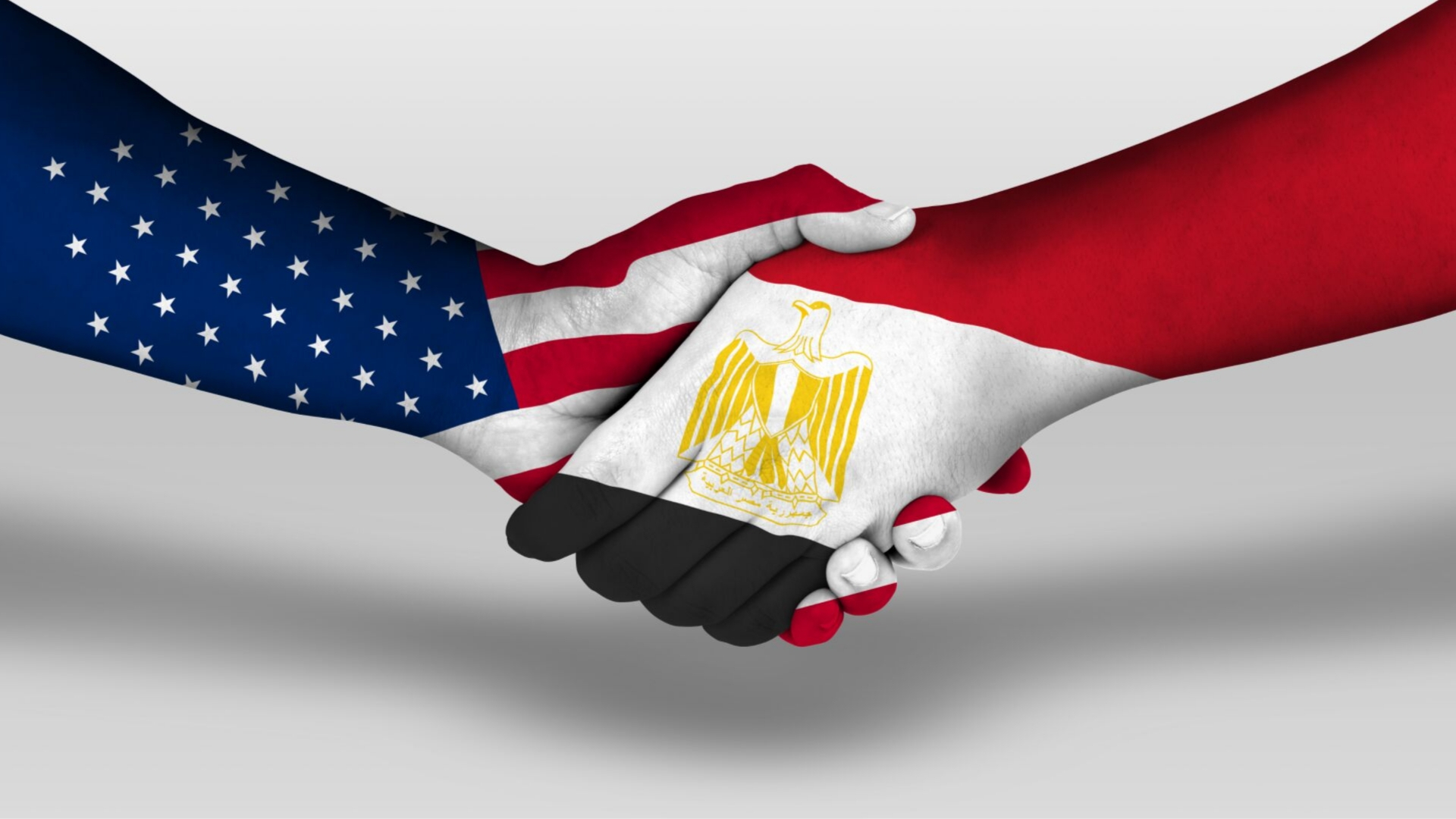
1. US-Egypt economic cooperation strengthens
Egypt and the US on Sunday signed four grant agreements for cooperation in the fields of higher education, science, technology, health, trade and investment, worth about US$60 million. Egyptian Minister of Investment and International Cooperation Sahar Nasr signed the agreements with the US Agency for International Development (USAID) Mission Director in Egypt, Sherry Carlin. This is a positive sign that Egypt and the US’s multi-sector relationship is growing and as healthy as ever.
2. Judicial cooperation signed last month
In addition to the multi-sector growing economic cooperation between the US and Egypt, Egypt’s Public Prosecutor Nabil Sadek and United States Attorney General in the Donald Trump administration William Barr signed on Thursday a memorandum of understanding for judicial cooperation in Washington. The cooperation memorandum was signed based on “the desire of the two sides to work for the interest of justice and the establishment of the state of law,” a statement by the Egyptian side said. This is a positive sign of cooperation in an area around which there has been a lot of controversy.
3. Hope for a defence cooperation from Egypt
Furthermore, Egypt is hoping for a development of military cooperation and interaction with the US, as after an invitation from the US at the end of July, Egypt’s Minister of Defence, Mohamed Zaki, arrived in Washington heading a high-profile military delegation, Egyptian-US military relations have grown steadily over the last four decades, and Cairo is currently keen to further strengthen ties, especially in the area of joint defence. The relationship has had a major impact on security developments in the Middle East in terms of counter-terrorist operations, intelligence coordination, and maritime security in the Red Sea.
4. American detained in Egypt
In an event that could hinder the growth of the Egypt-US diplomatic relationship, a US citizen was arrested in Cairo last month over Facebook posts critical of the Egyptian government. Washington and activists are calling for her release. On Friday, Sarah Leah Whitson, Middle East and North Africa director at Human Rights Watch, urged US Secretary of State Mike Pompeo to “seek release”. Mohammad Soltan, a former political prisoner in Egypt who started the US-based Freedom Initiative advocacy group after his release, told the Post on Thursday that Desouky’s case exemplifies the ongoing human rights crackdown in Egypt. “Her arrest is emblematic of the levels of repression Egypt has reached under Sisi,” he said. This, however, has been a known problem of the Sisi administration and failed to alter its growing relations with the US. The involvement of a US citizen, however, could change this if Egypt refuses to let the teacher go.
5. America re-assured by Egypt-Israel gas deal
Israel is set to begin exporting natural gas to Egypt next year, with volumes that could reach as much as seven billion cubic meters per year. This is according to Israeli Energy Minister Yuval Steinitz. The project will transfer natural gas from Israeli offshore fields Tamar and Leviathan into the Egyptian gas grid. Egypt hopes to benefit from this, by using it as a stepping stone to becoming a key international trading and distribution centre for gas. Nevertheless, it is a move that significantly increases Israel’s influence in Egypt as well as the Middle East as a whole. The US has seen this development as a positive sign of Egypt’s diplomatic openness, and closeness to the US’s close ally Israel is important to them.