
Intelligence
North Africa
8 reports in this category.
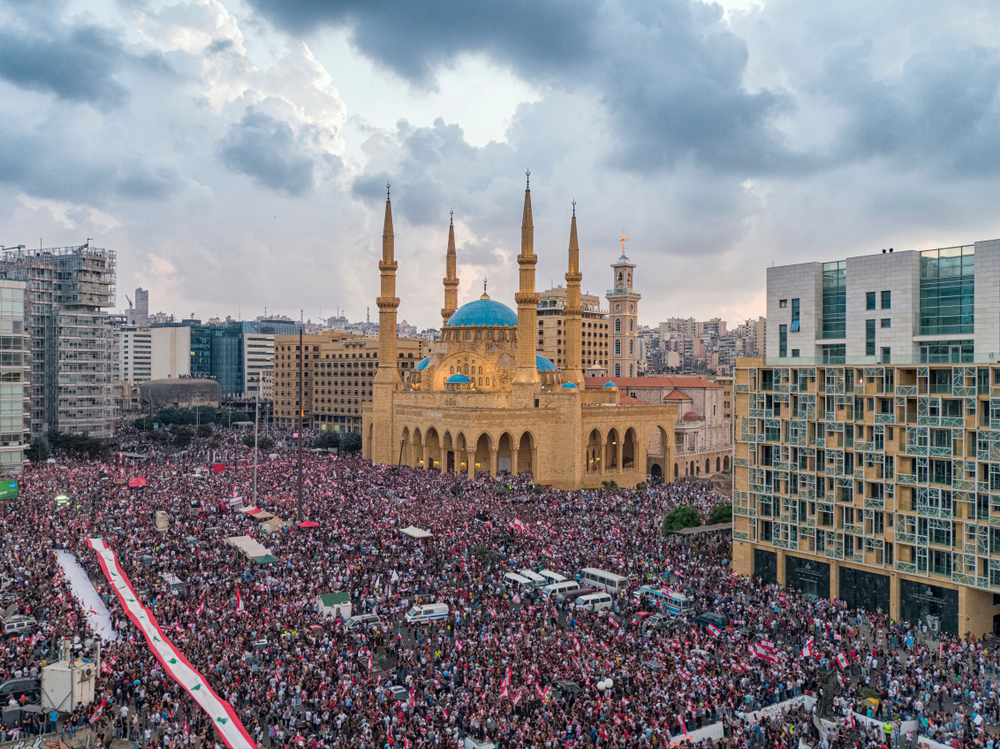
2019 was a decade of defiance and dissent. The 2020s are likely to be no different.
1 Jan 2020
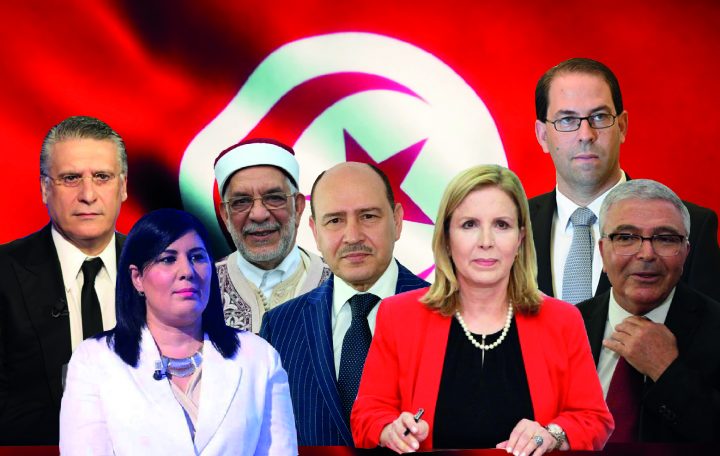
Tunisia’s future as uncertain as ever as the nation gears up for its second free elections
Background – second free presidential election After a state of economic difficulty for several years, Tunisia is holding its second free presidential poll since the 2011 uprising that toppled ex-president Ben Ali and sparked the Arab Spring. The defining issue of this year’s election is whether the Tunisian state can meet the social and economic needs of its people. It was brought forward from November after the death in July of Beji Caid Essebsi, the first democratically elected president, who took office in 2014. Tunisia’s political system, as established in the post-revolutionary constitution of 2014, divides power between the country’s president (who is responsible for foreign policy, defence, and national security) and the prime minister (who leads the government and oversees domestic policy). On paper, the prime minister has greater power but many Tunisians still regard the presidency as the more high-profile position. Twenty-six candidates, including two women, are running in the election. It is widely viewed as a test of one of the world’s youngest democracies. Mr Essebsi won Tunisia’s first free presidential elections in 2014 and was credited with largely maintaining stability in the country during his almost five-year rule. Now, the nation is preparing for a second open election, hoping for even more positive implications. Candidates must secure 50 per cent of the vote to win outright, but if none of the hopefuls obtains a majority the two with the most votes will advance to a second, decisive round. Among the key players is media mogul Nabil Karoui – behind bars due to an ongoing money-laundering probe, Abdelfattah Mourou, who heads the first-time bid on behalf of his Islamist-inspired Ennahdha party, and Prime Minister Youssef Chahed. It is definitely a clash of giants as each of these candidates has a large following in the country. Subscribe to read the full article We wish we didn't have to do this, but only paid subscribers can read the full article, Unlike other publishers, we are not the beneficiaries of State funds and are entirely dependent on our supporters to keep KJ Vids functioning. Please subscribe to read the rest of the article. The First 1,000 subscribers will receive a 50% lifetime discount to our content. - Access over 500 videos explaining global politics - Full access to all articles - Vote on future video topics - Secure Questions for Video Q&As Sign Up - https://www.kjreports.com/product/lifetimediscount/
15 Sept 2019
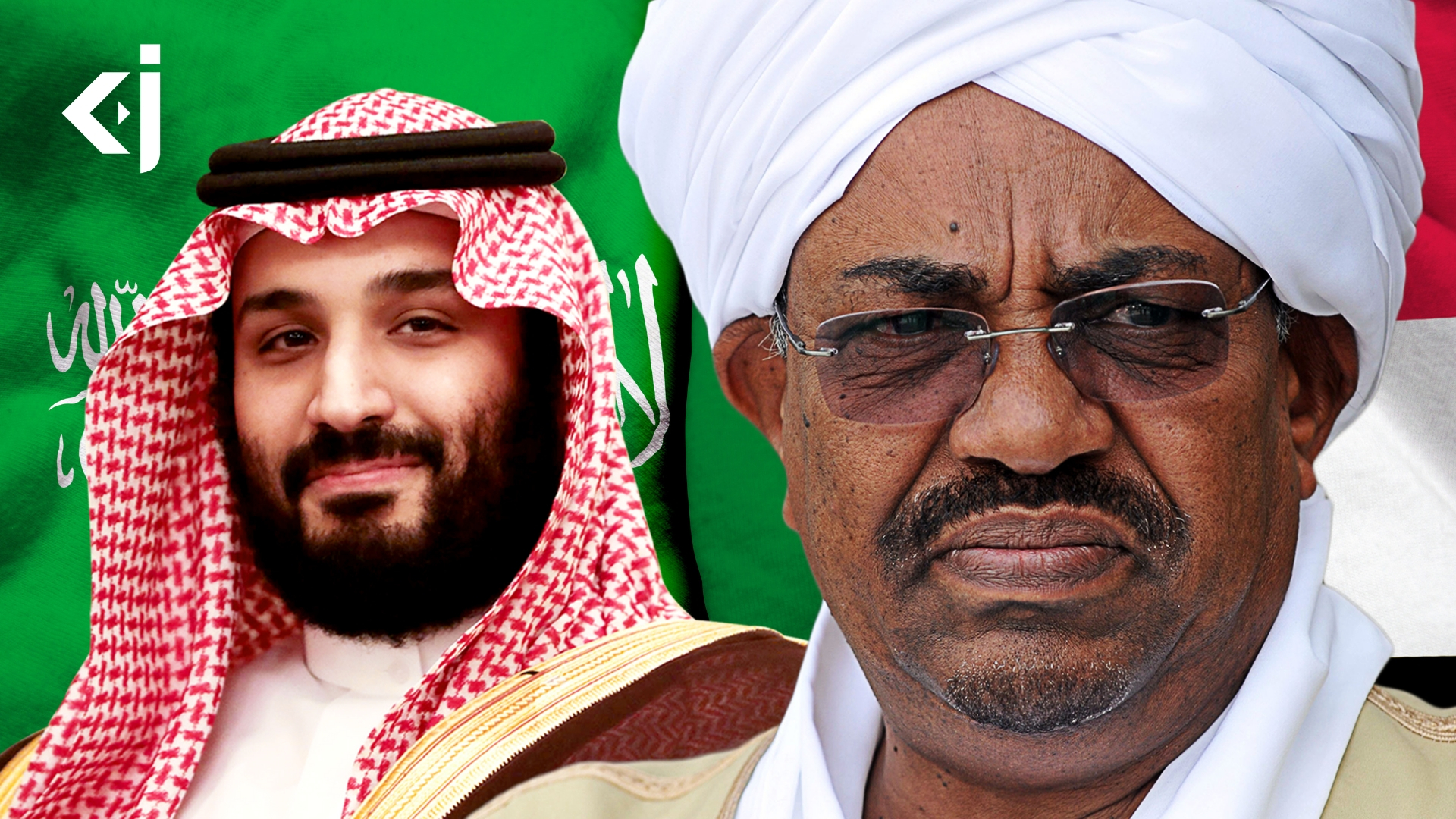
Saudi Arabia’s discreet fight for influence in Sudan: 5 Geopolitical Effects You Need to Know
1. Saudi Arabia sent millions of dollars to Al Bashir Saudi Arabia had appeared to put its money on ousted Sudan president Omar Al Bashir when he was in power, as the former president received millions of dollars from Saudi Arabia, a police investigator has told a court at the start of a corruption trial. Al-Bashir, who is charged with illicit possession of foreign currency and accepting gifts in an unofficial manner, admitted to receiving the $90m in cash from Saudi royals, Brigadier General Ahmed Ali testified on Monday. This is a clear sign of Saudi Arabia’s support for the ousted leader and shows their struggle for influence in Sudan is real. 2. Saudi Arabia deposits $250 million in Sudan central bank Saudi Arabia now appears to be going with the flow in Sudan, as they have decided to monetarily support the newly formed government as well. Saudi Arabia has deposited $250 million into the central bank of Sudan to support its financial position, the Saudi Finance Ministry said in a statement on Tuesday. It is aimed at alleviating pressure on the Sudanese pound and achieving stability in its exchange rate, the ministry said. However, in light of the latest news of payments to Al Bashir, their true intentions seem much deeper than that, as the intent to gain a say in the country’s political future, and eventually, exploit its resources. Subscribe to unlock the other 3 Points We wish we didn't have to do this, but only paid subscribers can read the full article, Unlike other publishers, we are not the beneficiaries of State funds and are entirely dependent on our supporters to keep KJ Vids functioning. Please subscribe to read the rest of the article. The First 1,000 subscribers will receive a 50% lifetime discount to our content. - Access over 500 videos explaining global politics - Full access to all articles - Vote on future video topics - Secure Questions for Video Q&As Sign Up - https://www.kjreports.com/product/lifetimediscount/
19 Aug 2019
Violence Continues in Libya: 5 Geopolitical Effects You Need to Know
1. Fighting resumes after ceasefire After agreeing to a 2-day truce in respect of observing Eid Al Adha, Libyan officials say the fighting around Tripoli has resumed, and the self-styled Libyan National Army led by commander Khalifa Hifter carried out airstrikes overnight on the southern outskirts of Tripoli. The militias allied to the U.N.-backed government in Tripoli also shelled Hifter’s forces in the area. This continuance of violence after the Muslim holiday was expected, as the Libyan civil war has reached a heated stage, with many foreign nations adding fuel to the fire. 2. Drone strikes increase fears of civilian deaths The Libyan civil war has for the most part been an air war, one which is intensifying as rival forces in the divided country try to break a military stalemate, heightening significantly the risk of civilian casualties. Around 45 people were killed and dozens wounded in an airstrike last Sunday that targeted a town hall meeting in south-western Libya. The forces of Khalifa Haftar have been blamed for the strike. As the war now rages on after the brief cease-fire, worries of civilian casualties are increasing, and the international scene is moving away from further violence and towards pushing for peace in the region, a task which will by no means be easy. Subscribe to unlock the other 3 Points We wish we didn't have to do this, but only paid subscribers can read the full article, Unlike other publishers, we are not the beneficiaries of State funds and are entirely dependent on our supporters to keep KJ Vids functioning. Please subscribe to read the rest of the article. 3. How Libya’s civil war has attracted international attention 4. Division in Europe over Libya 5. Migration crisis increases By investing in KJ Vids, you are investing in yourself Our content succinctly contextualises the key geopolitical trends you need to know in order to make sense of world events. We can assure you that a regular dose of our content will be as healthy as fruit and vegetables for your mind. Subscribe for only £10 a month.
16 Aug 2019
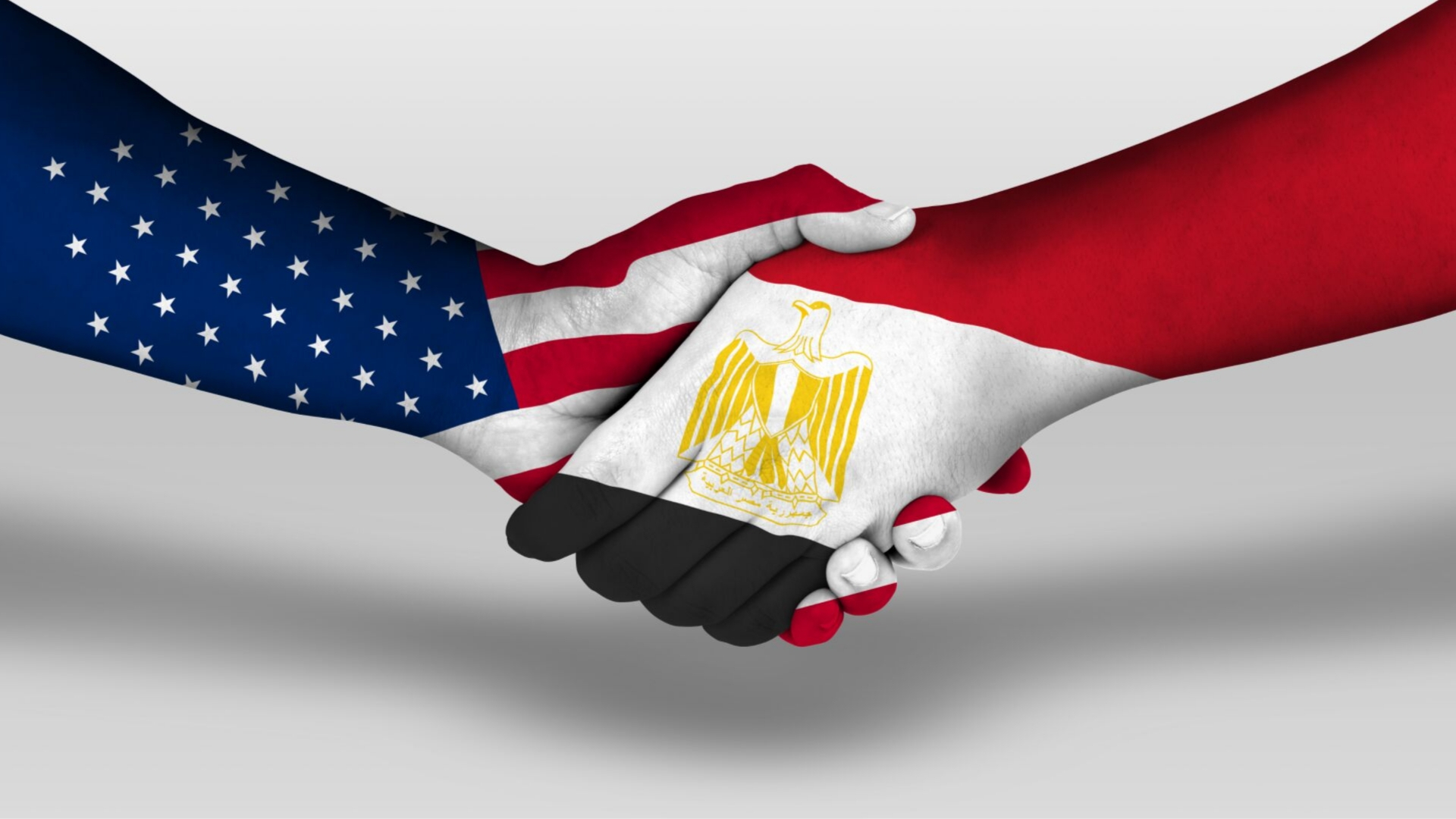
Could Detained American Hurt US-Egypt Relations: 5 Geopolitical Effects You Need to Know
1. US-Egypt economic cooperation strengthens Egypt and the US on Sunday signed four grant agreements for cooperation in the fields of higher education, science, technology, health, trade and investment, worth about US$60 million. Egyptian Minister of Investment and International Cooperation Sahar Nasr signed the agreements with the US Agency for International Development (USAID) Mission Director in Egypt, Sherry Carlin. This is a positive sign that Egypt and the US’s multi-sector relationship is growing and as healthy as ever. 2. Judicial cooperation signed last month In addition to the multi-sector growing economic cooperation between the US and Egypt, Egypt’s Public Prosecutor Nabil Sadek and United States Attorney General in the Donald Trump administration William Barr signed on Thursday a memorandum of understanding for judicial cooperation in Washington. The cooperation memorandum was signed based on “the desire of the two sides to work for the interest of justice and the establishment of the state of law,” a statement by the Egyptian side said. This is a positive sign of cooperation in an area around which there has been a lot of controversy. Subscribe to unlock the other 3 Points We wish we didn't have to do this, but only paid subscribers can read the full article, Unlike other publishers, we are not the beneficiaries of State funds and are entirely dependent on our supporters to keep KJ Vids functioning. Please subscribe to read the rest of the article. 3. Hope for a defence cooperation from Egypt 4. American detained in Egypt 5. America re-assured by Egypt-Israel gas deal By investing in KJ Vids, you are investing in yourself Our content succinctly contextualises the key geopolitical trends you need to know in order to make sense of world events. We can assure you that a regular dose of our content will be as healthy as fruit and vegetables for your mind. Subscribe for only £10 a month.
13 Aug 2019
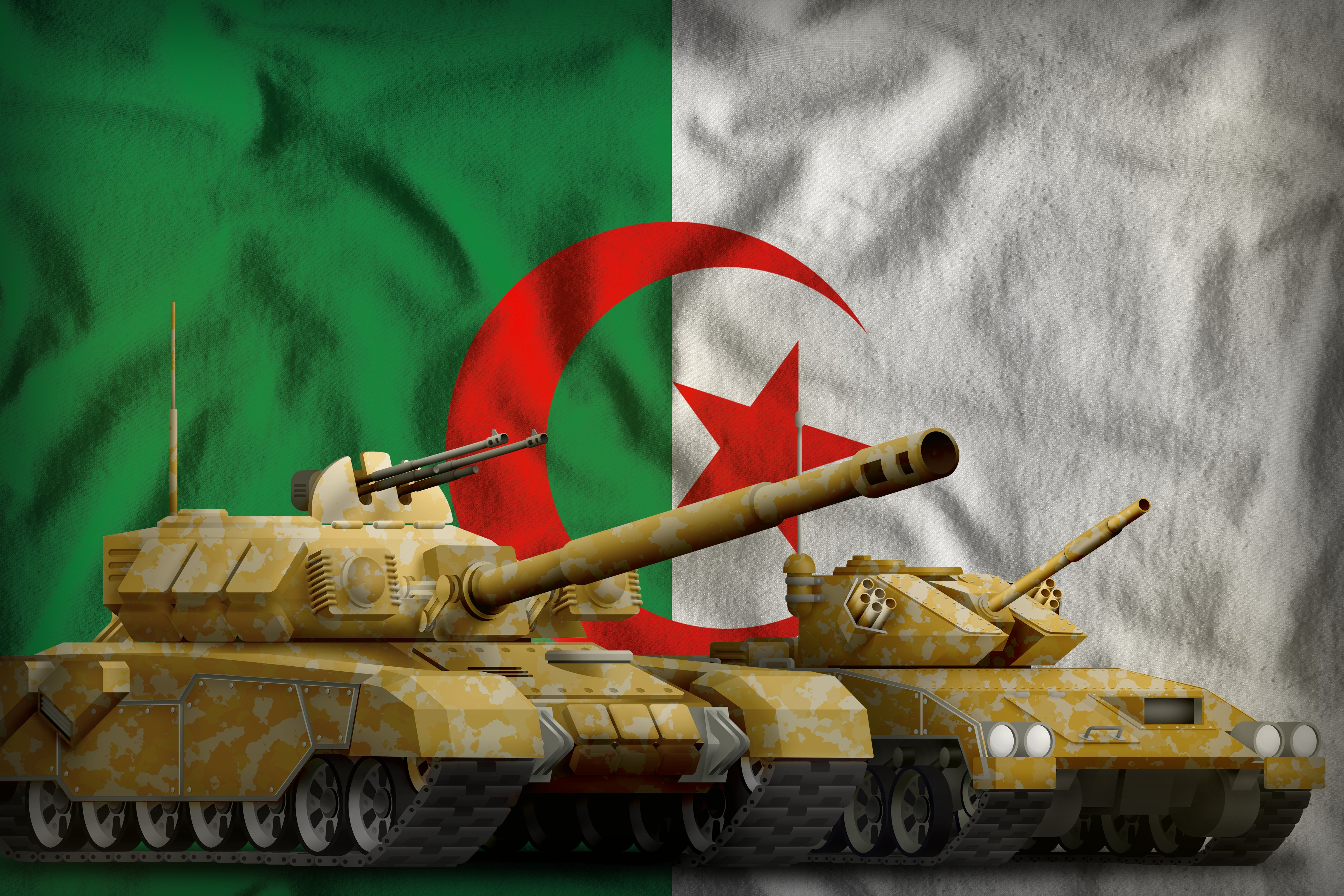
Will the army allow Algeria’s push for democracy: 5 Geopolitical Effects You Need to Know
1. Why are there ongoing protests in Algeria? Thousands of Algerian protesters took to the streets of the capital Algiers for a 25th consecutive Friday, calling for “civil disobedience” against the ruling class amid an ongoing political crisis in the country. The crisis began on February 16 after ageing President Abdelaziz Bouteflika’s decision to seek a fifth term led to his resignation on April 2 following pressure from the country’s army. Since then, protesters have been calling for the army to step down, and give the people the right of democracy and governance. Protesters are also demanding a complete overhaul of the system which comprises army generals, business gurus and politicians, beginning with the interim president, Abdelkader Bensalah and Army chief, Ahmed Gaid Salah. 2. Algerian army fears call for its ousting The Algerian army has shown fears of calls for its ousting, as Internet rights group, NetBlocks, reported on Thursday (August 8) that Algeria blocked internet briefly over a politico-security incident. The group said data it had connected confirmed that: “YouTube and several Google services and websites have been blocked across Algeria on the evening of Thursday 8 August 2019 by state-run Algeria Telecom and other leading internet providers, adding “The restrictions come after the publication of a video where Algeria’s ex-defence minister Khaled Nezzar addressed “members of the National People’s Army” calling on them to “realize the demands of the people,” understood as to be a call for the public to oust military leader Ahmed Gaid Salah.” The army is clearly fearful of a planned outing, and has taken authoritative measures to ensure its position of power, for now at least. Subscribe to unlock the other 3 Points We wish we didn't have to do this, but only paid subscribers can read the full article, Unlike other publishers, we are not the beneficiaries of State funds and are entirely dependent on our supporters to keep KJ Vids functioning. Please subscribe to read the rest of the article. 3. Algeria military court orders arrest of former Defense minister 4. Army calls for polls 5. Crisis hurting Algerian economy By investing in KJ Vids, you are investing in yourself Our content succinctly contextualises the key geopolitical trends you need to know in order to make sense of world events. We can assure you that a regular dose of our content will be as healthy as fruit and vegetables for your mind. Subscribe for only £10 a month.
11 Aug 2019
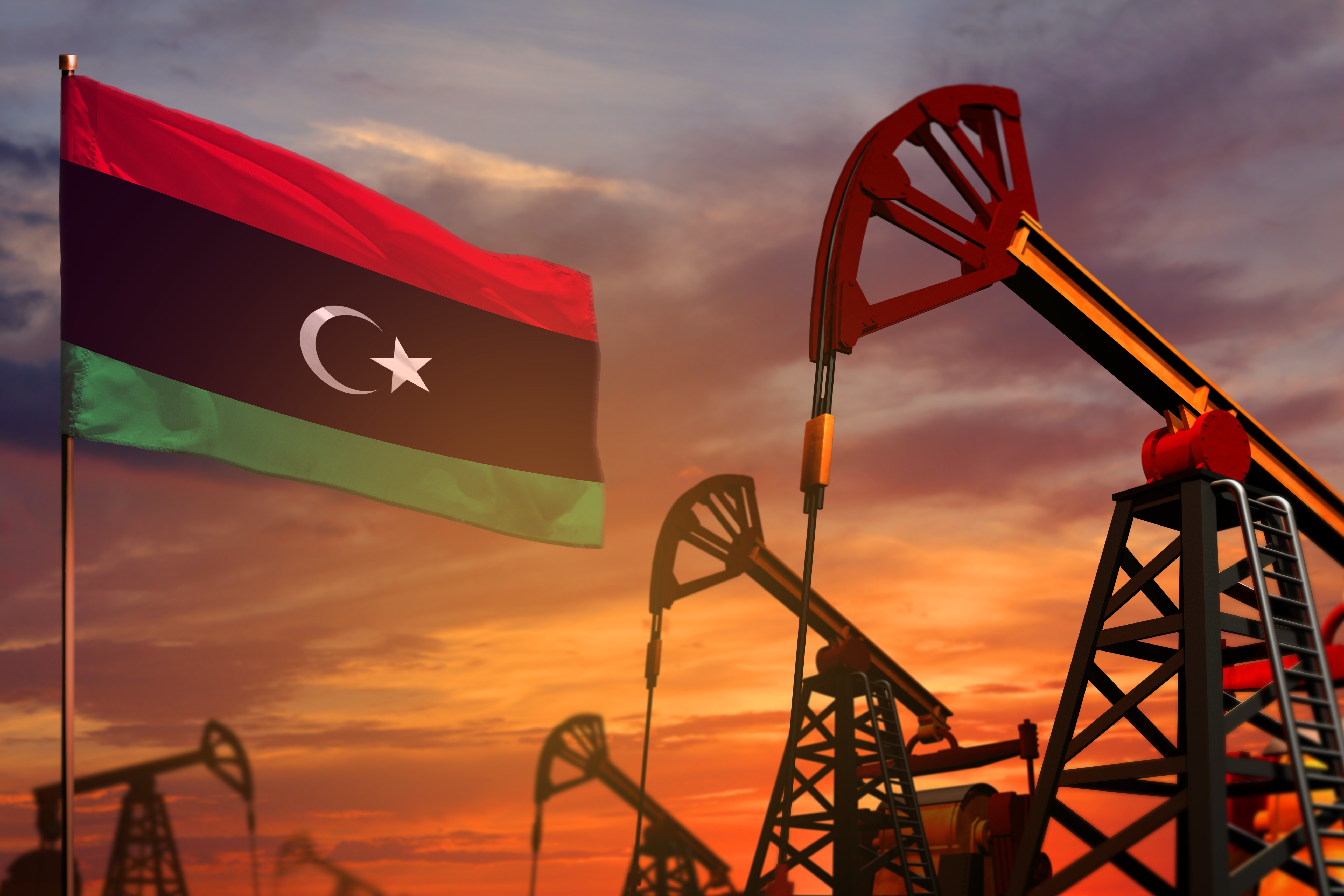
Libya Unrest: 5 Geopolitical Effects You Need to Know
1. How Libya’s civil war has attracted international attention Both sides fighting the Libyan civil war have received weaponry and aid from Turkey, the UAE, Saudi Arabia, Russia and many more countries. Almost eight years since a revolution backed by the North Atlantic Treaty Organisation (NATO) that led to the ousting and killing of longtime dictator Moammar Kadafi in October 2011, Libya has become an arena for regional and international rivalries. This has turned Libya into an international geopolitical game to gain influence in the region and reap the fruits of its resources, specifically its oil reserves, which are the largest in Africa. A triad of the UAE, Saudi Arabia and Egypt, with France backing them, support Haftar against the Tripoli government and its allied armed factions, which are backed by a Muslim Brotherhood-friendly alliance between Turkey and Qatar. The strong support from each side has resulted in a long civil war, that has cost many lives. Meanwhile, Libya has finally kneeled to international pressure, and shut down three of its biggest migration detention centres, the country’s Interior Minister Fathi Bashagha announced. Campaign group Amnesty International has called conditions “horrific” and “inhuman”. “These detention centres, at least some of them, they work on a business model that involves smugglers, traffickers, sometimes forced labour.” Libya’s closure of these centres shows their shift of priorities, and possible weakness of will, as the civil war goes on. Subscribe to unlock the other 3 Points We wish we didn't have to do this, but only paid subscribers can read the full article, Unlike other publishers, we are not the beneficiaries of State funds and are entirely dependent on our supporters to keep KJ Vids functioning. Please subscribe to read the rest of the article. 3. Israeli drones found in Libya 4. Civil war continues to take innocent lives 5. Another clash with Western nations By investing in KJ Vids, you are investing in yourself Our content succinctly contextualises the key geopolitical trends you need to know in order to make sense of world events. We can assure you that a regular dose of our content will be as healthy as fruit and vegetables for your mind. Subscribe for only £10 a month.
8 Aug 2019
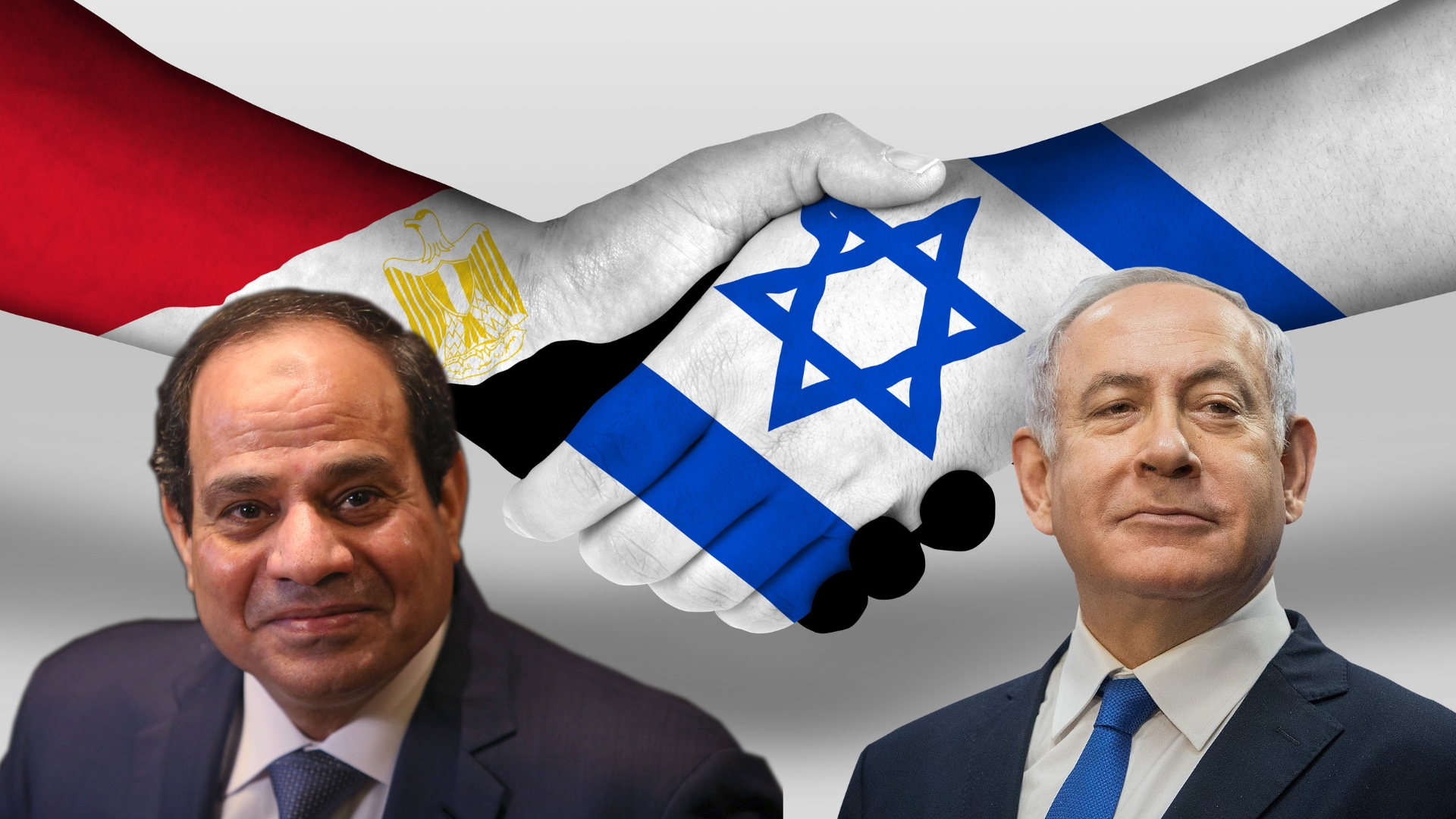
Egypt-Israel Relations Tight as Pipes: 5 Geopolitical Effects You Need to Know
1. Egypt and Israel getting closer Israel and Egypt are showing signs of closer relations in a changing Middle East. An example of the warm feelings being developed between the nations, is the statement of Avichay Adraee, the head of the Israeli military Arab media division, about thousands of Egyptian Christian Copts marking Holy Saturday in Israel, saying “We welcome the thousands of Egyptian Copts who arrived in Israel to participate in the Holy Saturday mass at the Church of the Holy Sepulchre in Jerusalem today.” To show the extent of the growth of the Israeli-Egyptian relationship, Samir Ghattas, an Egyptian MP and an Israeli affairs specialist stated: “Relations between the two capitals have been growing steadily and on all fronts. The current administration in Egypt is fully aware that Israel is a country with which Egypt had signed a peace treaty.” Cairo and Tel Aviv have had a long history of tensions and war, but relations seem to have taken a new turn, and they are now coordinating on several issues, including security in Sinai and relations with the Palestinian Hamas movement, which rules the Gaza Strip. Sisi also views Israel as an important aid in fighting the IS movement in Egypt. 2. Israel set to start exporting gas to Egypt In the latest sign of strengthening relations and increasing cooperation, Israel is set to begin exporting natural gas to Egypt next year, with volumes that could reach as much as seven billion cubic meters per year. This is according to Israeli Energy Minister Yuval Steinitz. The project will transfer natural gas from Israeli offshore fields Tamar and Leviathan into the Egyptian gas grid. Egypt hopes to benefit from this, by using it as a stepping stone to becoming a key international trading and distribution centre for gas. Nevertheless, it is a move that significantly increases Israel’s influence in Egypt as well as the Middle East as a whole. Subscribe to unlock the other 3 Points We wish we didn't have to do this, but only paid subscribers can read the full article, Unlike other publishers, we are not the beneficiaries of State funds and are entirely dependent on our supporters to keep KJ Vids functioning. Please subscribe to read the rest of the article. 3. Israel and Egypt strengthen energy ties 4. UN sees Egypt as mediator 5. Sisi still claims to support Palestinian state By investing in KJ Vids, you are investing in yourself Our content succinctly contextualises the key geopolitical trends you need to know in order to make sense of world events. We can assure you that a regular dose of our content will be as healthy as fruit and vegetables for your mind. Subscribe for only £10 a month.
4 Aug 2019