The global energy map has shifted significantly over the last decade. North America is a net exporter. Renewables are finally denting baseload demand. Yet, the price of a loaf of bread in London or a gallon of fuel in Mumbai still finds its floor and ceiling in a twenty-one-mile-wide strip of water between Iran and Oman. The Strait of Hormuz remains the world’s most important chokepoint because it is the only place where geography, physics, and sovereign desperation intersect to create a global economic kill-switch.
The Illusion of Independence
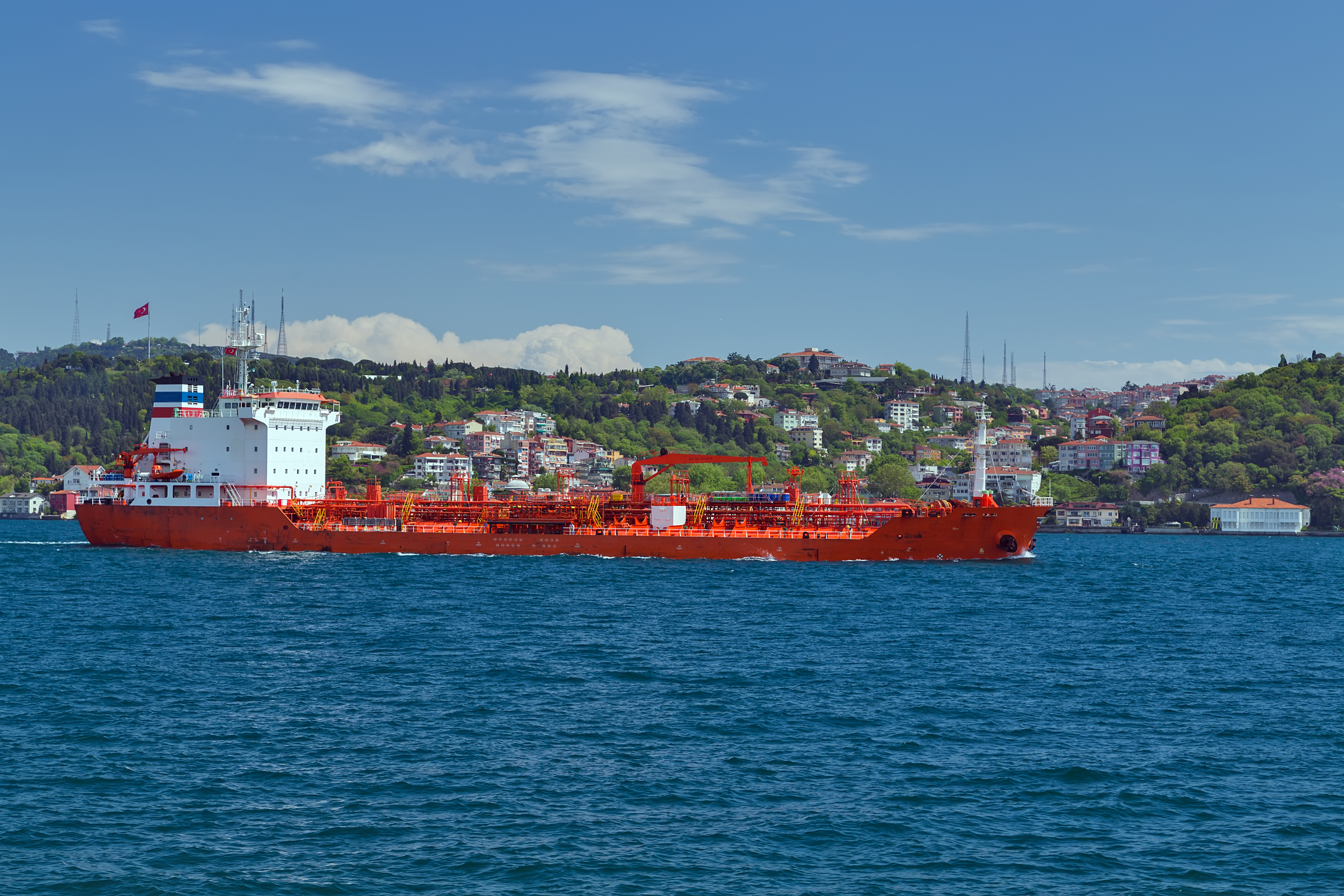
Common wisdom suggests that the West is no longer captive to Middle Eastern oil. This is a misunderstanding of how global markets function. Oil is a fungible commodity. A disruption in the Persian Gulf does not just stop tankers heading to China; it creates a global supply vacuum that forces every buyer to bid against one another for the remaining barrels. When twenty per cent of the world’s liquid petroleum passes through one gate, that gate dictates the price for everyone, regardless of where they live or where their oil originates.
For the petrostates of the Gulf, the Strait is a lifeline. For Iran, it is a lever. This asymmetry is the defining characteristic of the region’s power map. The Islamic Republic understands that it cannot win a conventional blue-water naval engagement against the Western alliance. Instead, it has mastered the art of calibrated friction. By threatening the transit of tankers, Tehran forces the world to price in a "geopolitical risk premium" that keeps revenues high even under the weight of sanctions.
The Incentive of the Threatened
To understand why Hormuz stays relevant, one must look at the incentives of the actors involved. Saudi Arabia and the UAE have spent billions on pipelines to bypass the Strait, terminating at Yanbu on the Red Sea or Fujairah on the Gulf of Oman. However, these pipelines lack the capacity to handle total output. More importantly, they do not remove the bottleneck; they simply move the target. Any conflict significant enough to close Hormuz would likely involve long-range missile strikes that could easily disable these terrestrial alternatives.
The secondary incentive is psychological. Market participants crave stability. The mere presence of Iranian fast-attack craft or the announcement of new naval drills acts as a signal to algorithmic traders. This volatility is a tool of statecraft. It allows regional players to communicate intent without firing a single shot. In the current era of "grey zone" warfare, the Strait is the ultimate stage for performance art with trillion-dollar consequences.
Historical Parallel: The Tanker War
We have seen this script before. During the Iran-Iraq War in the 1980s, both sides targeted commercial shipping to dry up their opponent’s revenue. This culminated in Operation Praying Mantis in 1988, the largest US surface engagement since World War II. The lesson from that era was not that the Strait could be permanently closed—navies are too capable for that—but that even a partial disruption sends insurance premiums soaring to the point where shipping becomes economically unviable. Modern tankers are more efficient, but they are equally vulnerable to the same 1980s-era logic of mines and missiles.
What Most People Miss: The Refined Product Trap
Discussion usually focuses on crude oil, but the real second-order effect is found in refined products and Liquefied Natural Gas (LNG). Qatar is one of the world’s largest LNG exporters, and almost all of its volume must pass through Hormuz. Unlike crude oil, which can be stored in strategic reserves for months, gas markets operate on much tighter delivery schedules. A closure of Hormuz today would not just cause a spike in petrol prices; it would lead to an immediate industrial collapse in parts of Asia and Europe that rely on Qatari gas for electricity and heating. The world has built a just-in-time energy economy on top of a nineteenth-century geographic vulnerability.
Strategic Consequences
The persistence of the Hormuz threat has forced a realignment of Asian foreign policy. China, Japan, and India are the primary customers of Gulf oil. Consequently, we are seeing a quiet but firm pivot. These nations can no longer afford to outsource the security of their energy lifelines to the United States alone. This is driving a move toward multipolarity in the Gulf. We should expect to see more joint naval patrols involving non-Western powers, which complicates the rules of engagement for everyone involved. If a Chinese tanker is harrassed, the response is no longer a foregone conclusion calculated in Washington.
What to Watch
- Insurance Premiums: Watch the Lloyd’s of London Joint War Committee. When they reassess the Gulf, the market follows.
- Sub-surface Capabilities: Keep an eye on the deployment of Iranian extra-large unmanned underwater vehicles (XLUUVs). Mines are loud; autonomous submersibles are silent and harder to deter.
- The Iraq-Turkey Pipeline: Any significant reopening or expansion of northern routes through Ceyhan would signal a genuine shift in Iraq's reliance on the Strait.
- Drone Swarm Integration: The shift from heavy anti-ship missiles to cheap, saturating drone swarms that can overwhelm Aegis-class defence systems.
The KJ Verdict
The Strait of Hormuz is not a relic of the carbon age; it is the physical manifestation of geopolitical leverage. As long as the world requires liquid energy to function, this narrow waterway will remain the primary theatre where regional grievances are converted into global inflation. The shift to green energy will eventually diminish this power, but not as quickly as many hope. For the next decade, the world’s most sophisticated economies remain at the mercy of the most volatile thirty miles of water on Earth. Geography is not just destiny; it is the ultimate regulator of the global market.