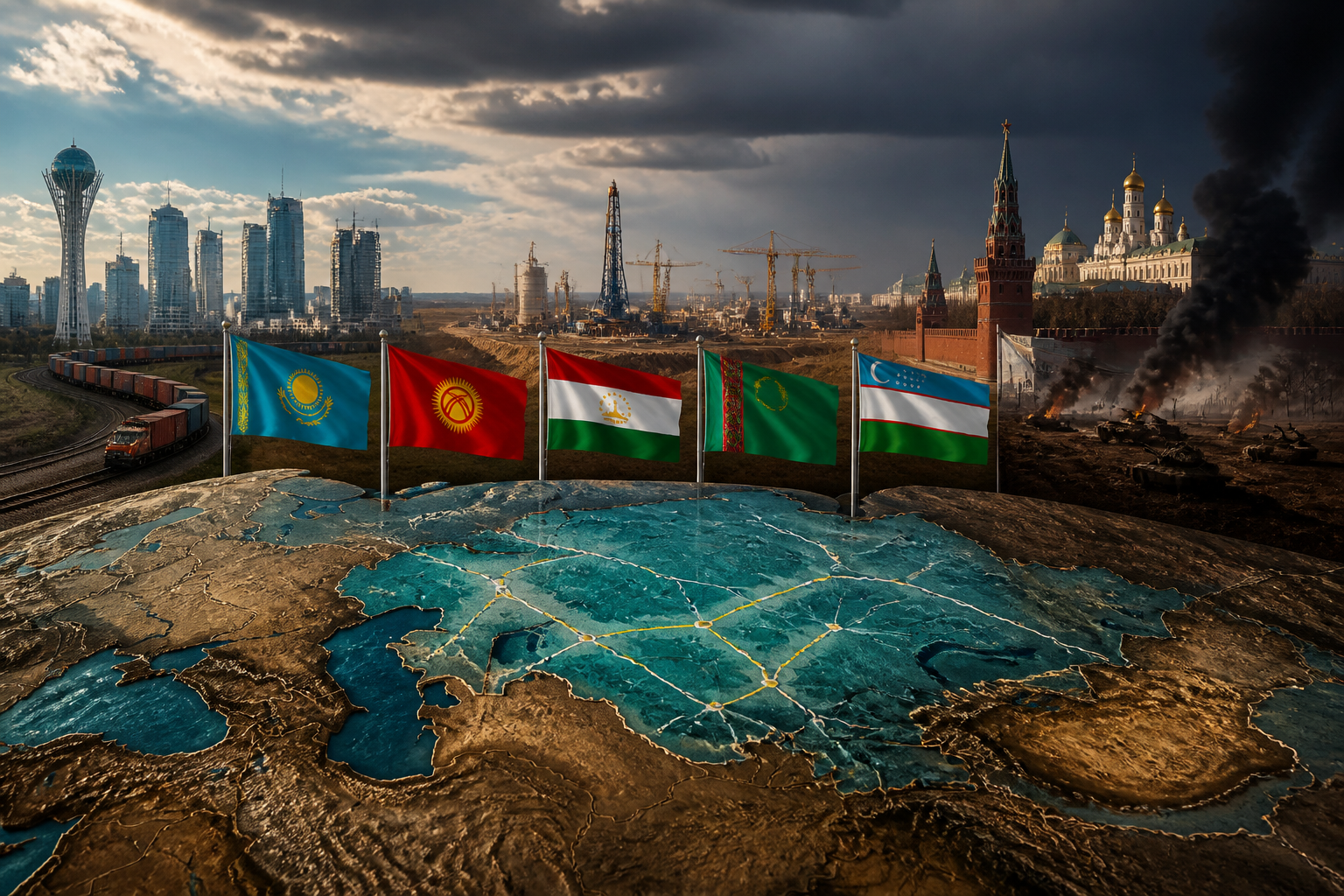
Geography is destiny, but only if you have the agency to use it. For a century, Central Asia was a landlocked Russian backyard. In 2025, that reality has shattered. The heart of Eurasia is no longer a passive buffer zone. It has become the most contested transit hub on earth. The war in Ukraine has not just depleted Russia’s military; it has broken its psychological and economic monopoly over the five republics of Kazakhstan, Kyrgyzstan, Tajikistan, Turkmenistan, and Uzbekistan.
The Great Decoupling
The fundamental driver here is the collapse of the 'Security for Sovereignty' bargain. Traditionally, the Stans accepted Russian political influence in exchange for a security umbrella via the CSTO and access to global markets through Russian pipelines and railways. That bargain is dead. Moscow can no longer guarantee security—as seen in its hesitation during border skirmishes and internal unrest—and its infrastructure is now a liability due to Western sanctions. Consequently, the region is pursuing 'multi-vectorism' not as a choice, but as a survival necessity.
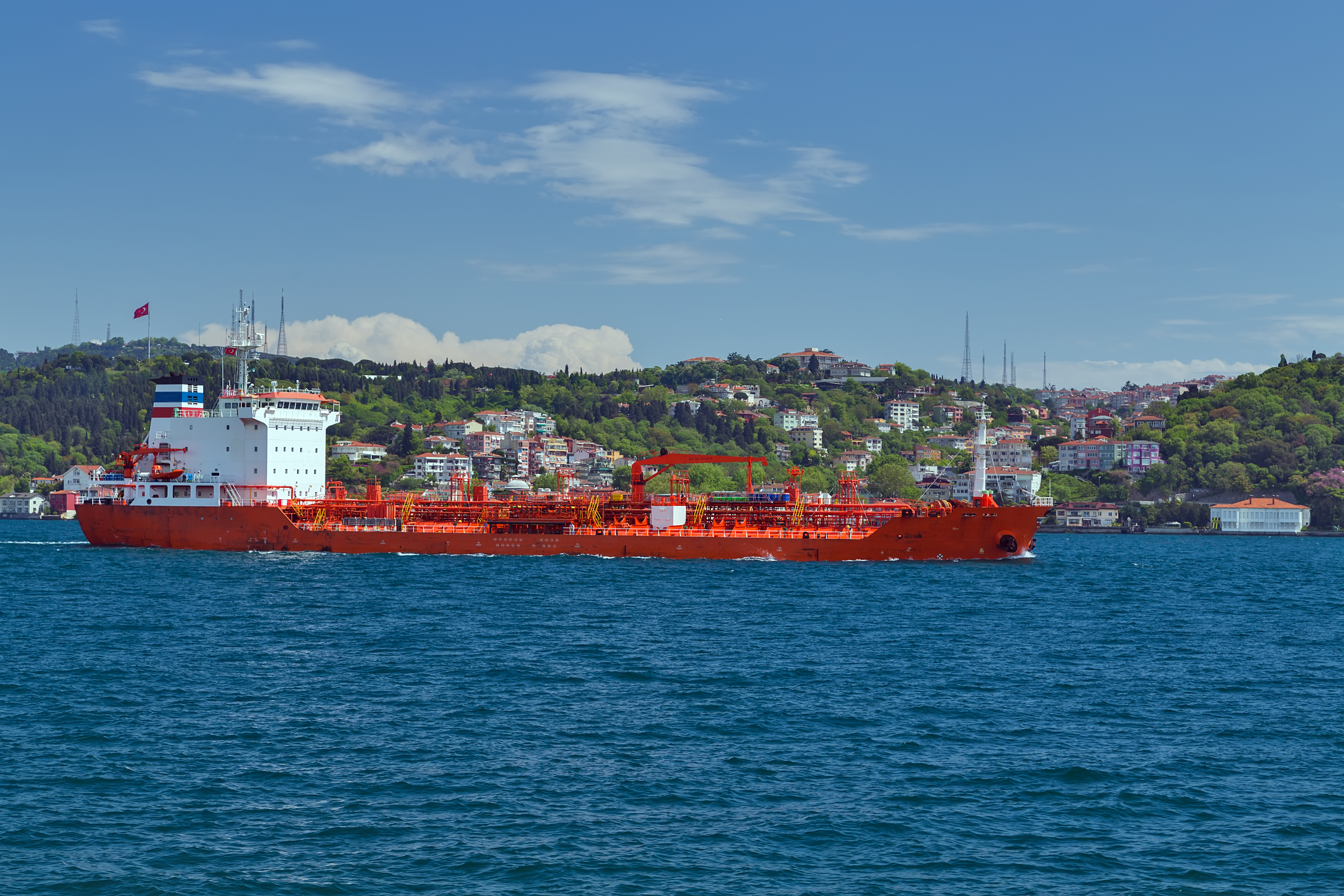
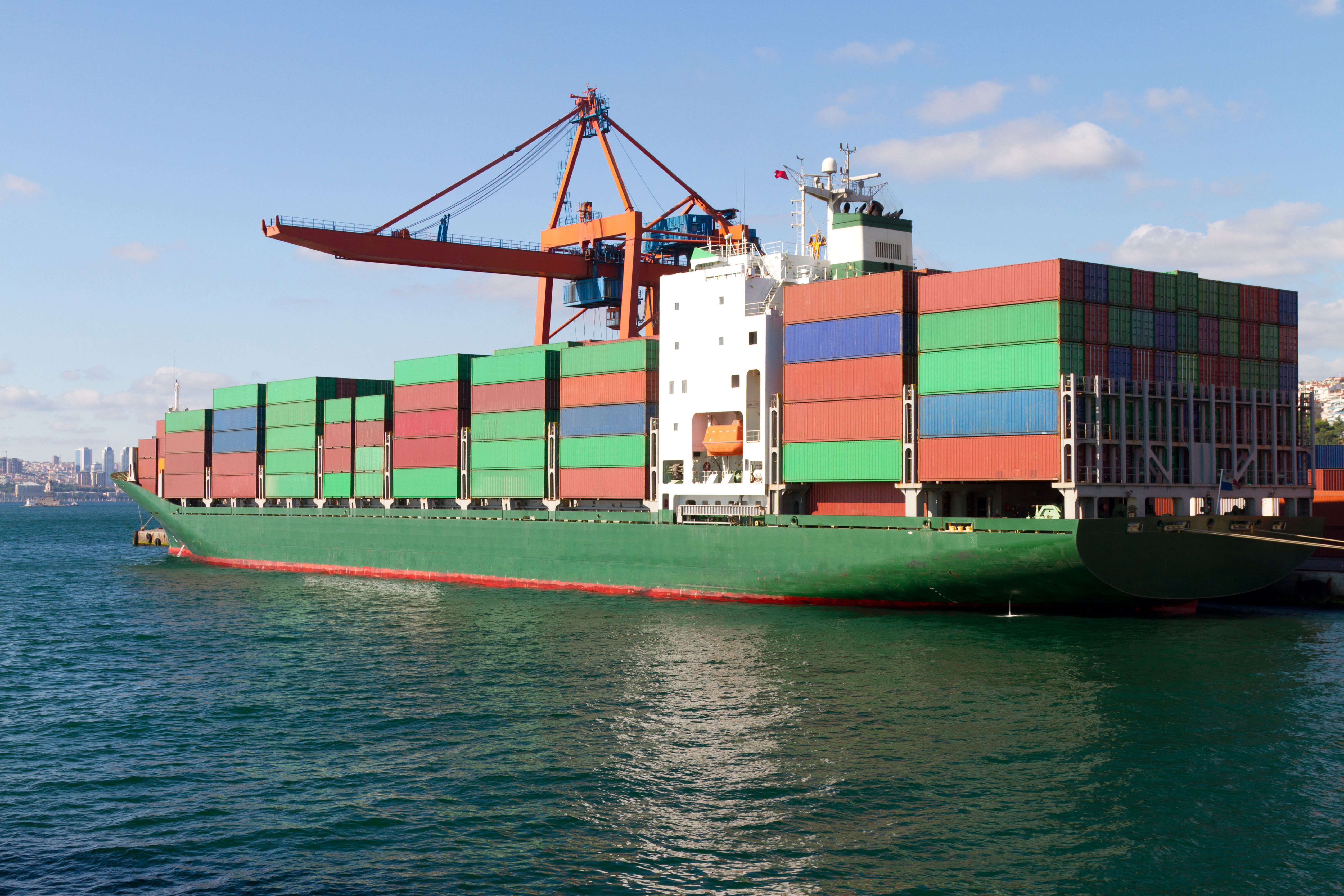
The shift is visible in the physical reorganization of trade. The Middle Corridor—the Trans-Caspian International Transport Route—is the definitive winner. By bypassing Russian territory to link China to Europe via the Caspian Sea and the Caucasus, the region is physically uncoupling its economic future from the Kremlin. This is not just about moving cargo; it is about who sets the standards, who owns the tracks, and who collects the tolls.
The Chinese Gravity Well
While the West provides the rhetoric of democracy, Beijing provides the concrete. China’s interest in Central Asia is dual-pronged: energy security and internal stability. By anchoring the Stans into the Belt and Road Initiative, Beijing creates a buffer between its restive western provinces and the volatility of the Middle East. However, this is not a simple swap of one master for another. Central Asian capitals have learned from the Russian era. They are playing Beijing, Brussels, and Washington against each other to secure the best terms for sovereign wealth funds and infrastructure projects.
The geography of Central Asia is being redrawn by backhoes and dredging ships rather than tanks. Every kilometre of rail that avoids Russian soil is a kilometre of renewed sovereignty.
The Historical Parallel: The 19th Century Pivot
To understand today, look to the original 'Great Game' between the British and Russian Empires. In the 1800s, this was a zero-sum struggle for territorial depth. Britain feared a Russian push toward India; Russia feared British influence in its soft underbelly. Today, the game is inverted. It is no longer about keeping others out, but about letting everyone in on the host’s terms. The modern 'Stan' statesman is more like a 19th-century Afghan Emir, balancing rival powers to maintain a fragile but profitable independence. The difference now is that the 'Emirs' have oil, gas, and 70% of the world’s rare earth mineral potential.
What Most People Miss: The Uzbek Renaissance
Most analysis focuses on Kazakhstan because of its size and oil. This is a mistake. The real engine of regional integration is Uzbekistan. Under Shavkat Mirziyoyev, Tashkent has moved from isolationism to becoming the regional integrator. Uzbekistan shares a border with every other Central Asian state, plus Afghanistan. Its internal reforms and diplomatic outreach are creating a 'Central Asian Five' bloc that acts with more collective bargaining power than ever before. If Kazakhstan is the pocketbook of the region, Uzbekistan is the heart. When Tashkent and Astana coordinate, Moscow loses its ability to divide and rule.
Strategic Consequences
- The Erosion of the CSTO: The Russian-led security bloc is becoming a ghost organization. Members are increasingly looking to Turkey for military hardware (specifically drones) and to China for satellite intelligence.
- Secondary Sanctions Friction: As the West tightens the screws on Russian sanctions evasion, Central Asia becomes the primary friction point. Expect Washington to use 'C5+1' diplomatic tracks to offer investment carrots in exchange for closing the 'grey' trade doors to Russia.
- Energy Diversification: Europe’s hunger for non-Russian gas is funding the infrastructure needed to bring Turkmen and Kazakh energy across the Caspian. This permanently lowers Russia’s leverage over the European energy market.
What to Watch
- The Caspian Pipeline Consortium (CPC): Any further Russian 'maintenance' shutdowns of this pipeline will be the signal that Moscow is moving from influence to sabotage.
- Turkish Defense Ties: Increased sales of TB3 drones and armoured vehicles to Bishkek and Dushanbe represent a direct challenge to the Russian security monopoly.
- The Trans-Afghan Railway: If Tashkent successfully pushes a rail link through to Pakistani ports, the dependency on Russian northern routes evaporates entirely.
The KJ Verdict
The quiet revolution in Central Asia is the most significant geopolitical shift that the general public is ignoring. We are witnessing the birth of a genuine 'Third Pole' in Eurasia. This is not a shift from Russia to China, but a shift from being a periphery to being a centre. Russia lacks the capital to compete with China and the soft power to compete with the West. It currently relies on inertia and historical ties, both of which are wasting assets. Investors and strategists should view the region not as a Russian outpost, but as the new gateway to the East, where the primary risk is no longer Moscow’s anger, but the complexity of managing too many suitors at once.