France pushing for sanctions on Turkey
France is leading a push for European Union sanctions on Turkey next month to follow through on a threat made by the bloc in October but has yet to win support from EU governments beyond Greece and Cyprus, officials and diplomats have said.
Paris says Turkish President Recep Tayyip Erdogan has not heeded EU leaders’ warnings on October 1 to back down in a dispute over gas exploration in the Mediterranean or face consequences. The European Parliament is expected on Thursday to call for sanctions, decrying Erdogan’s visit earlier this month to the breakaway Turkish Cypriot north of the island of Cyprus.
“Turkey knows what it needs to do,” France’s Foreign Minister Jean-Yves Le Drian told a French parliamentary hearing this week.
“Confrontation or collaboration, it’s up to them.”
EU leaders on December 10-11 will meet to discuss a range of issues, including external relations and the ongoing dispute between Turkey and EU member states Greece and Cyprus.
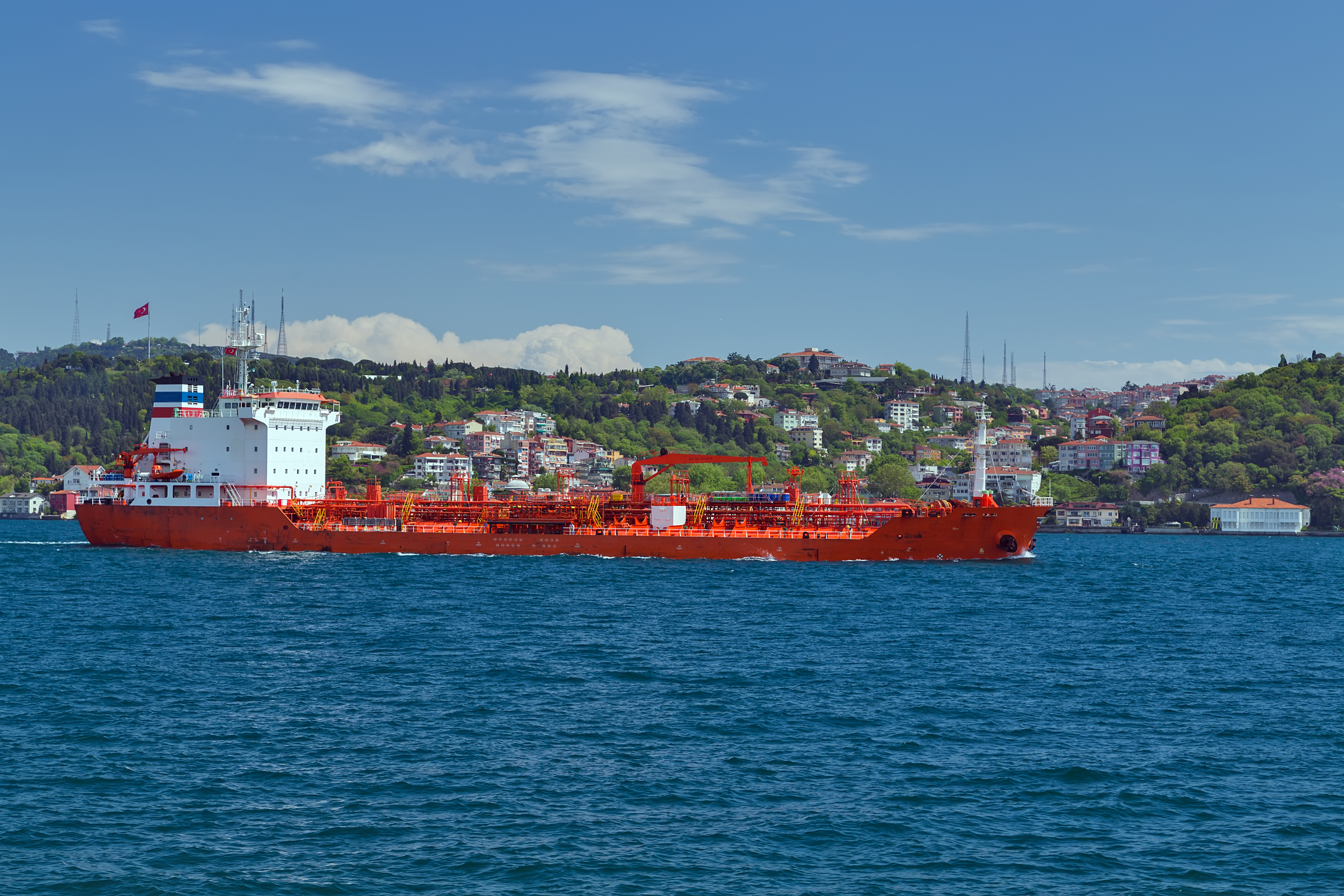
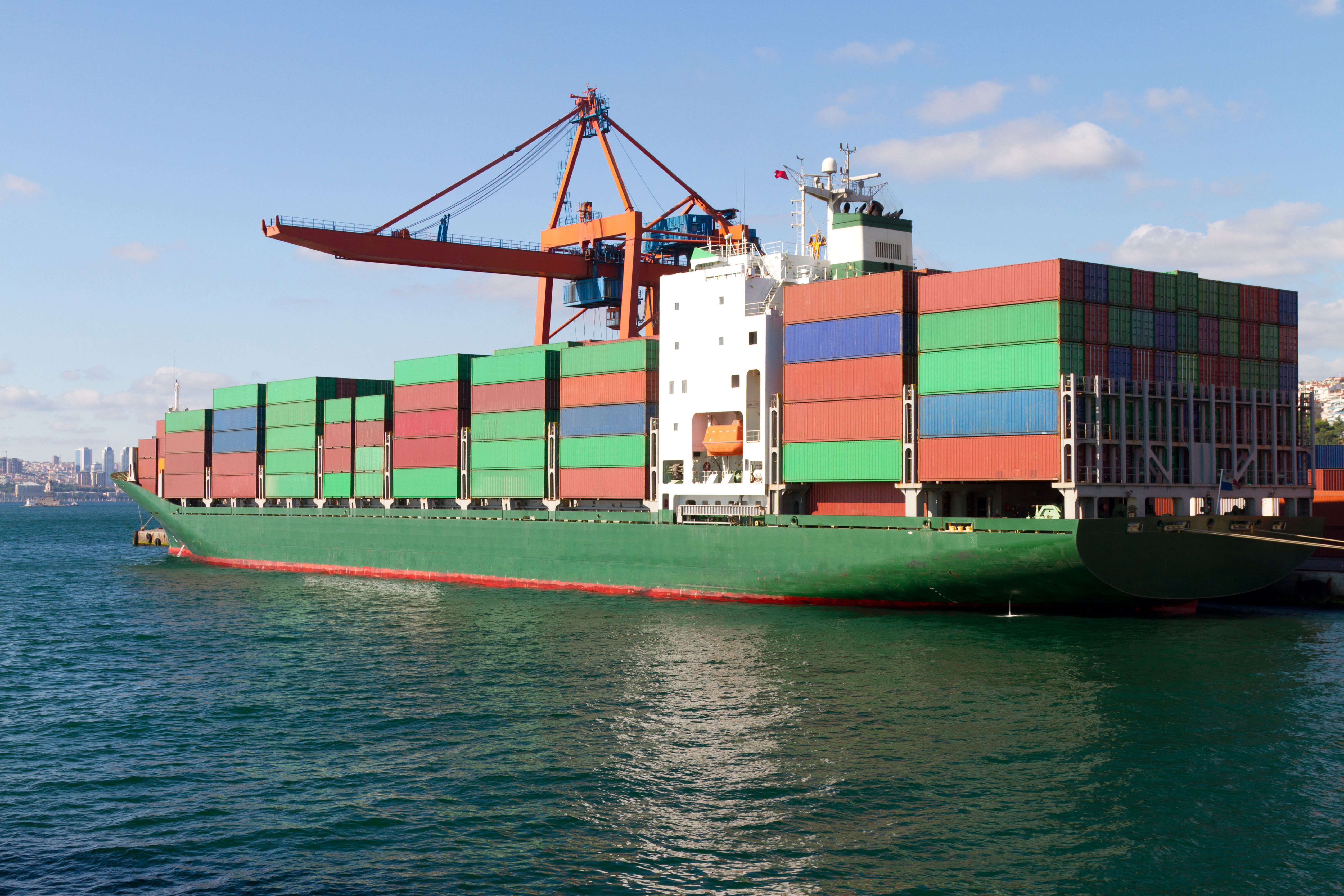
No detailed sanctions have been drawn up by France, but diplomats told Reuters news agency any measures would hit areas of Turkey’s economy aimed at limiting Turkish hydrocarbon exploration, likely in shipping, banking and energy.
The EU’s stance
he European Parliament urged the EU on Thursday to impose sanctions on Turkey after President Tayyip Erdogan this month paid a visit to the breakaway Turkish Cypriot north of Cyprus.
With 631 votes in favour, three against and 59 abstentions, the parliament agreed on a non-binding resolution in support of EU member Cyprus urging EU leaders to “take action and impose tough sanctions in response to Turkey’s illegal actions”.
The resolution is likely to bolster support for France’s push for EU sanctions on Turkey next month. The parliament resolution called Turkey’s gas exploration in the eastern Mediterranean “illegal”, a charge Ankara rejects.
The European Union condemned the extension by Turkey of its East Med energy exploration activities 3 weeks ago amid talk of forthcoming EU measures against Ankara.
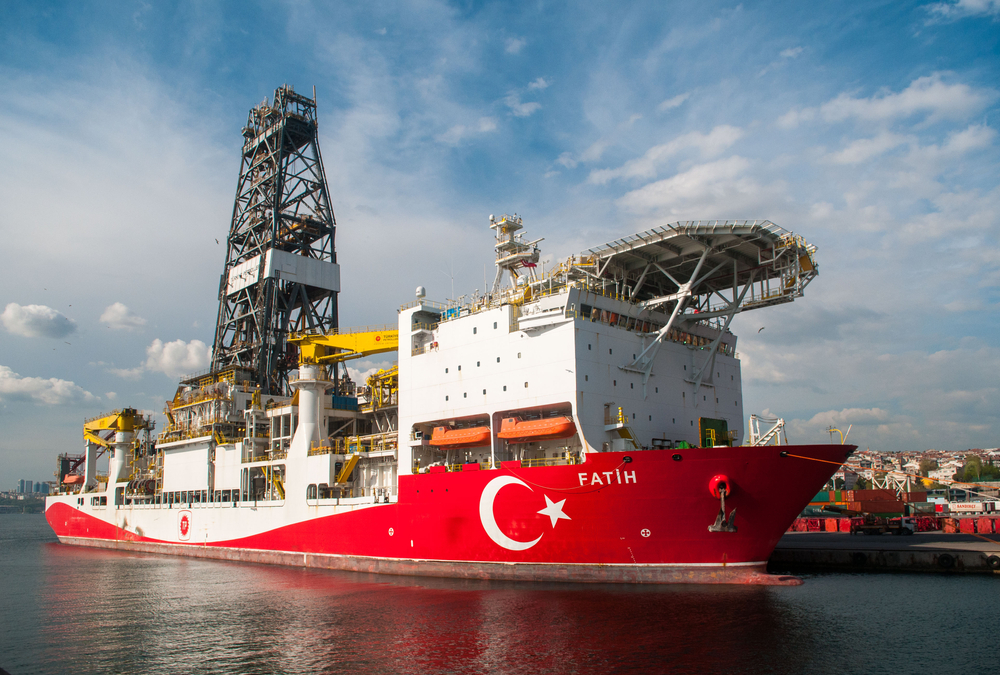
European diplomats told AFP the European Commission has drawn up a list of potential targets for economic sanctions which could deal a blow to Turkey’s tourism and transport sectors, European leaders are to decide in a December summit whether to impose sanctions over Turkey’s activity. The EU condemned as “deeply regrettable” an announcement by Turkey that it was extending the mission of a gas-exploration ship in waters disputed by Greece and Cyprus.
German Foreign Minister Heiko Maas urged Turkey on Thursday to stop provocations in the Eastern Mediterranean or face potential EU sanctions next month, indicating that Berlin is increasingly losing patience with Ankara.
EU foreign policy chief Josep Borrell also increased the pressure on Turkey. He warned Ankara that it is “widening its separation from the EU” and said the bloc was “approaching a watershed moment in our relationship with Turkey.”
EU leaders agreed in early October they would take “appropriate” measures against Turkey at their December meeting should Ankara not “stop illegal activities vis-à-vis Greece and Cyprus,” such as sending vessels for gas exploration into the waters of those countries. Leaders warned the EU “will use all the instruments and the options at its disposal,” a clear reference to sanctions.
Germany, the current holder of the EU’s six-month presidency and Turkey’s biggest trade partner in Europe, holds the key to whether sanctions go ahead. It had hoped to mediate between Athens and Ankara but was angered when Turkey resumed exploration for gas off Cyprus last month after a pause.
Turkey not standing down
Turkey appears unphased from the increasing threats of sanctions from France and the EU.
Turkey expects the European Union to acknowledge its mistakes and understand the value Turkey’s membership will bring to the bloc, the country’s foreign minister said on Tuesday.
“We expect the EU to acknowledge its mistakes and understand the value that Turkey’s membership will add to the union. In that case, we believe that a more productive relationship can be established for both parties,” Mevlüt Çavuşoğlu told the Turkish Parliament’s Planning and Budget Commission in the capital Ankara.
Çavuşoğlu stressed that developments in the Eastern Mediterranean and the Aegean affect Turkey’s relations with the EU.
Some member countries bring their bilateral problems with Turkey to the EU, he said, adding that those countries were wearing “a so-called ‘membership solidarity mask” and using it against the country.
Turkey, in all its EU contacts, stresses its desire to engage in a constructive dialogue, Çavuşoğlu also noted.
Turkey applied for EU membership in 1987 and its accession talks began in 2005. But negotiations stalled in 2007 due to objections of the Greek Cypriot administration, as well as opposition from Germany and France.
Ankara has also repeatedly complained that Brussels has failed to keep its promises under the 2016 EU-Turkey migration deal to help migrants and stem further migrant waves.
Turkey currently hosts over 3.6 million Syrians, making it the world’s top refugee-hosting country.
There has been increased friction between Turkey and its Eastern Mediterranean neighbors, Greece and the Greek Cypriot administration, over offshore energy exploration rights in the past few months. Turkey, the country with the longest coastline on the Eastern Mediterranean, has sent drillships with a military escort to explore for energy on its continental shelf, saying that Turkey and the Turkish Republic of Northern Cyprus (TRNC) also have rights in the region.
EU leaders had agreed on Oct. 2 to give Turkey until early December before considering economic sanctions, and Germany, which has so far led diplomatic talks with Ankara, wants to give dialogue a chance because of close EU-Turkey trade ties.