When the Ottoman Caliphate Saved Britain
From her accession to the throne in 1558, Queen Elizabeth began seeking diplomatic, commercial and military ties with Muslim rulers.
In 1570, when it became clear that Protestant England would not return to the Catholic faith, the pope excommunicated Elizabeth and called for her to be stripped of her crown.
Soon the might of Catholic Spain was against her, an invasion was imminent.
English merchants were prohibited from trading with the rich markets of the Spanish Netherlands.
Economic and political isolation threatened to destroy the newly Protestant country.
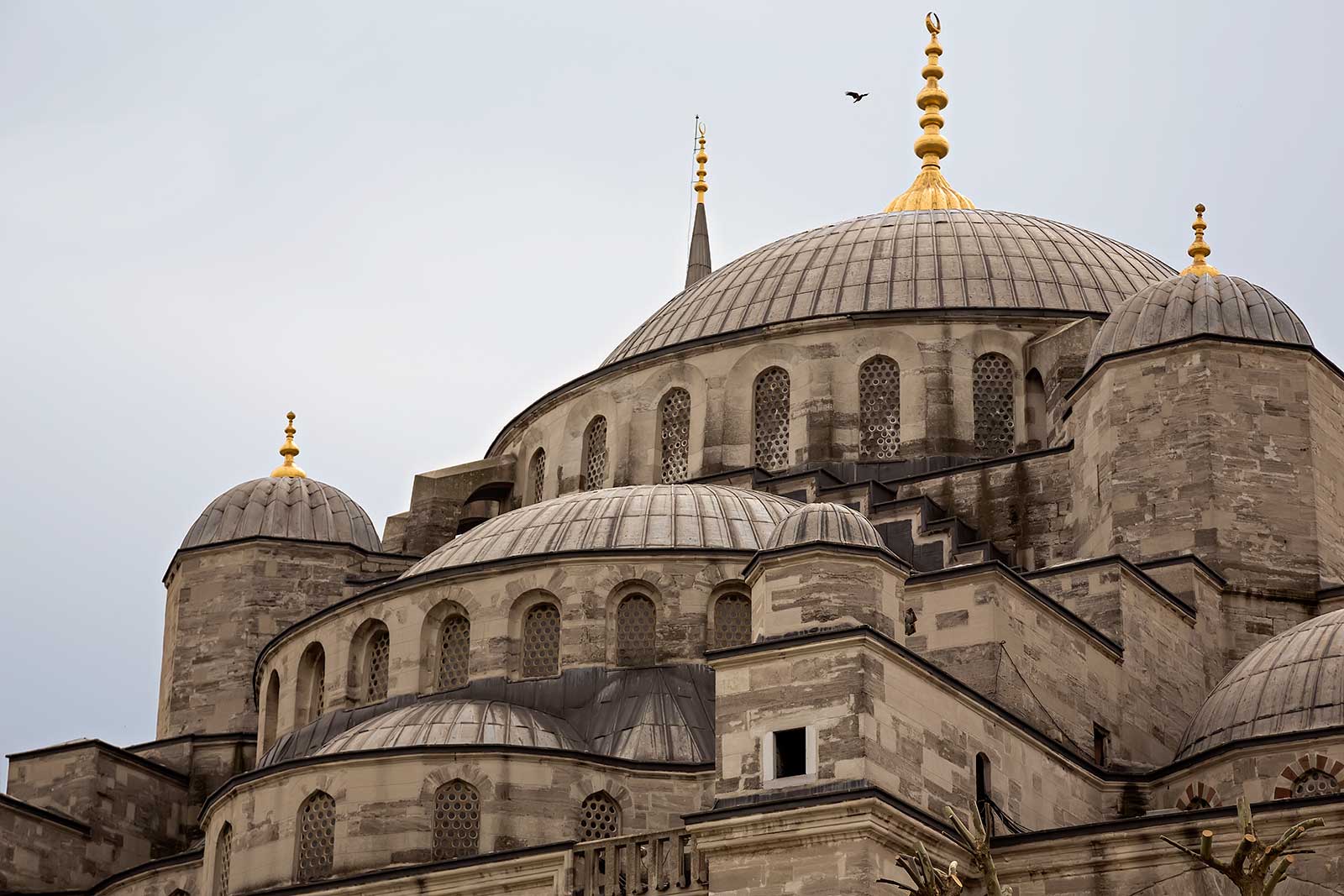
Elizabeth responded by reaching out to the Ottoman Caliphate. Spain’s only rival was the Ottoman Empire ruled by Sultan Murad III.
The Ottomans had been fighting the Hapsburgs for decades, conquering parts of Hungary.
Elizabeth hoped that an alliance with the Sultan would provide much needed relief from Spanish military aggression and enable her merchants to tap into the lucrative markets of the East.
The Caliphate was far more powerful than Elizabeth’s little Island nation floating in the soggy mists off Europe.
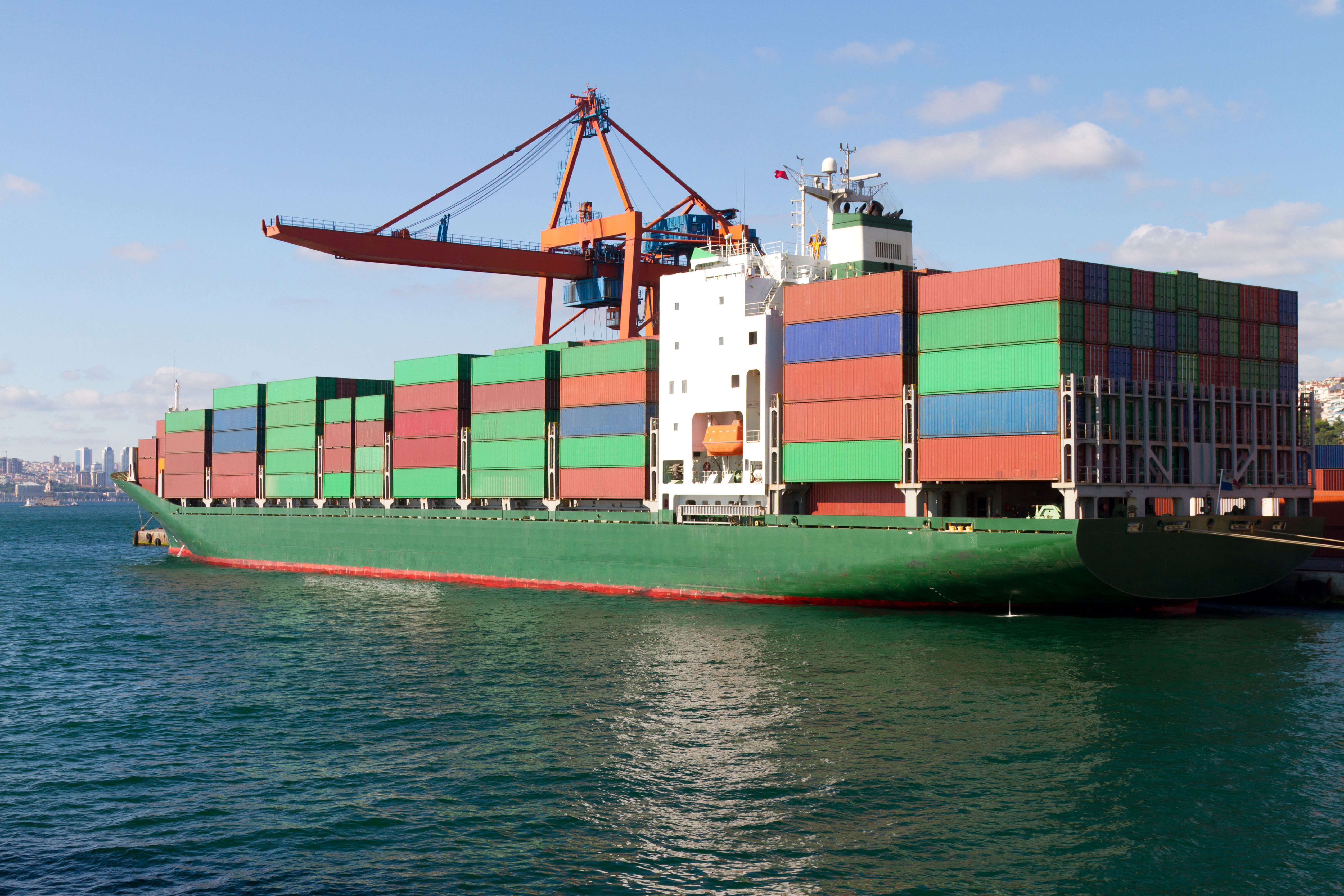
Elizabeth wanted to explore her new trade alliances, but couldn’t afford to finance them. Her response was to exploit the obscure commercial innovation – joint stock companies.
The capital from the companies was used to fund the costs of commercial voyages.
Elizabeth enthusiastically backed the Muscovy company which traded with Persia and went on to inspire the formation of a company that traded with the Ottomans and the East India Company which would eventually conquer India.
In the 1580s she signed a commercial agreement with the Ottomans that would last over 300 years granting her merchants free commercial access to Ottoman lands.
As money poured in, Elizabeth began writing letters to her Muslim counterparts extolling the benefits of reciprocal trade.
She wrote as a supplicant, calling Murad “The most mighty ruler of the Kingdom of Turkey, sole and above all, and most sovereign monarch of the East Empire.”
She also played on their mutual hostility to Catholicism, describing herself as “the most invincible and most mighty defender of the Christian faith against all kind of idolatries.”
Thousands of English traders crossed many of today’s regions, like Aleppo and Mosul which were far safer than they would have been on a journey through Catholic Europe where they risked falling into the hands of the Inquisition.
Some Englishman even converted to Islam such as Samson Rowlie, a Norfolk merchant who became Hassan Aga.
English aristocrats delighted in the silks and spices of the East, exchanged it for munitions that were shipped out to Turkey.
The sugar, silks, carpets and spices transformed what the English ate, how they decorated their homes and how they dressed.
Despite the commercial success, the British economy was unable to sustains its reliance on far-flung trade.
After Queen Elizabeth’s death in 1604, the new King, James I, signed a peace treaty with Spain ending England’s exile.
Don’t forget to subscribe to our YouTube Channel
Support our content by becoming a KJ Patreon
https://www.patreon.com/kjvids
Sign up to our website and submit video suggestions:
www.kjvids.co.uk
Like our Facebook page for exclusive updates:
https://www.facebook.com/KJVids
Follow us on Twitter to be informed when we post:
https://twitter.com/kjvids2016
All Rights Reserved. Contact info@kjvids.co.uk if you are interested in licensing our content, advertising or working with us in other ways.