KJ ReportsKJ Reports

Understanding ERDOĞAN’S POLITICS | KJ Vids

13 August 2018677

Listen to this article

KJ narrates this report in his own voice

Understanding ERDOĞAN’S POLITICS | KJ Vids

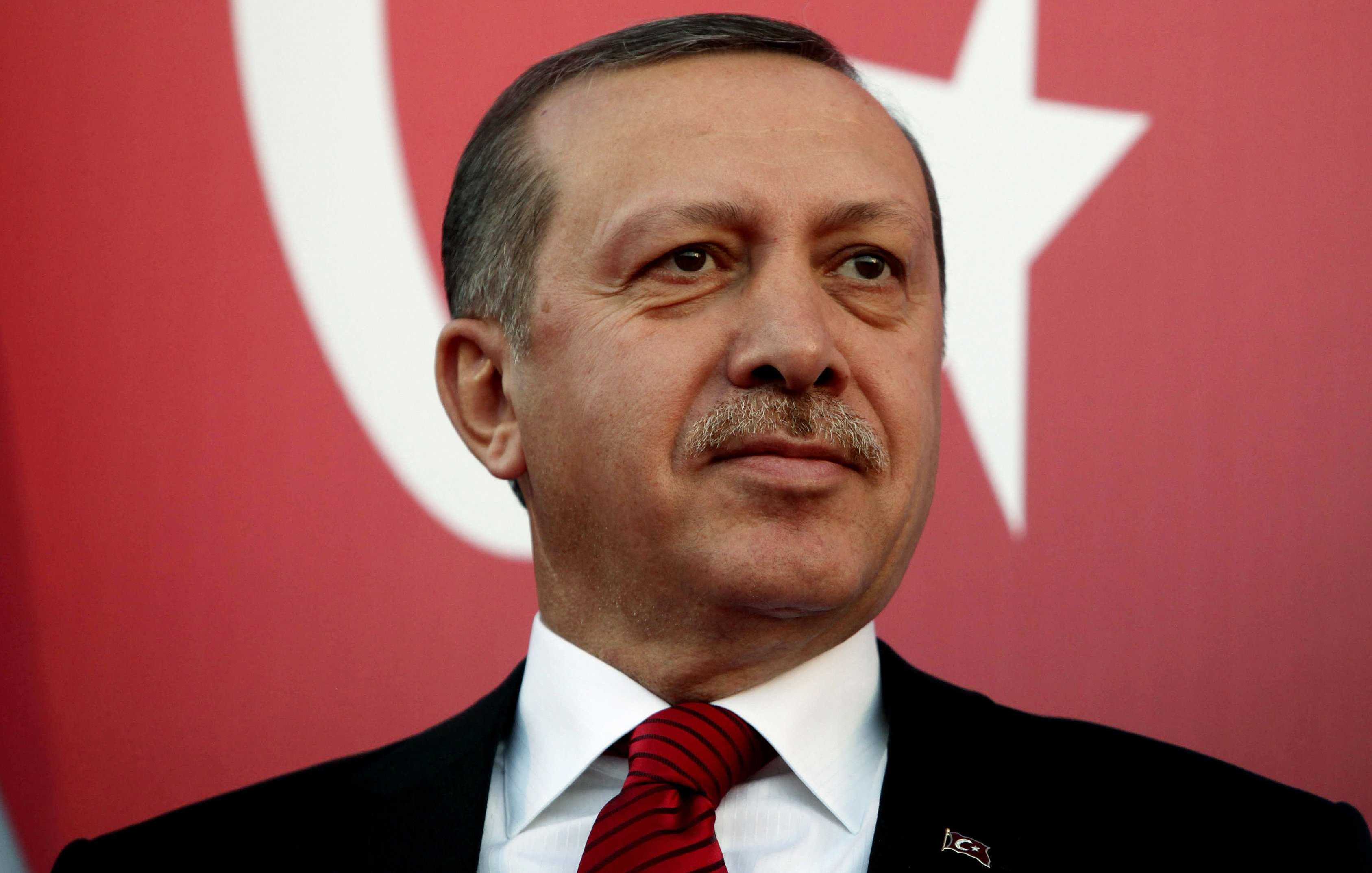
In June 2018, Turkey’s President Erdogan claimed victory in presidential and parliamentary elections, securing five more years in office. Despite concerns about the economy and a plunging Lira, Erdogan won 53% of the vote with over 90% of ballot boxes opened.

His victory triggered a change to a powerful presidential system that places unprecedented powers in his hands. These powers include complete control of the cabinet and the power to appoint senior judges and officials, including unelected vice-presidents.

To the outside world, the election was the latest step in Erdogan’s systematic consolidation of power and his bid to transform the once-staunchly secular republic in his more religiously minded image.

But while many commentators in the West resent Erdogan for his Islamist leanings, the real ideology that underpins his rule is not religion, but secular nationalism.

In this video we will look into the politics of Erdogan.

We hope you enjoyed and learn’t something new from our video. You can help us make more videos by supporting our crowdfunding campaign;


Related Intelligence

More articles
The Bretton Woods Reversal: Gold and the Decay of Dollar Security
Geopolitics

The Bretton Woods Reversal: Gold and the Decay of Dollar Security

Global central banks are liquidating US Treasuries for physical gold at a record pace. This shift marks the end of the post-war bargain: the dollar is no longer a neutral sanctuary for sovereign wealth.

20 Aug 2026

The Tehran Maximum: Breaking the Resistance Axis Through Exhaustion
Middle East

The Tehran Maximum: Breaking the Resistance Axis Through Exhaustion

Washington is shifting from containment to a strategy of structural economic collapse. By targeting Iran’s internal solvency, the U.S. aims to force a regional retreat that military pressure alone could never achieve.

16 Aug 2026

The Tripoli Paralysis: Why Libyan Fragmentation is a Feature, Not a Bug
Middle East

The Tripoli Paralysis: Why Libyan Fragmentation is a Feature, Not a Bug

Libya’s institutional deadlock is no longer a temporary crisis but a deliberate equilibrium. External powers now prefer a fractured buffer state over a unified nation that could disrupt Mediterranean energy and migration flows.

13 Aug 2026

The Makkah Defense Pact: Riyadh’s Strategic Pivot to the Periphery
Middle East

The Makkah Defense Pact: Riyadh’s Strategic Pivot to the Periphery

Saudi Arabia is systematically decoupling its security from traditional Arab alliances. By formalising a military axis with Pakistan, Turkey, and Indonesia, Riyadh is building a non-Arab shield to survive a post-American Middle East.

12 Aug 2026

The Neom Imperative: Riyadh’s Strategic Retreat to Save the Vision
Middle East

The Neom Imperative: Riyadh’s Strategic Retreat to Save the Vision

Saudi Arabia is trading its role as regional enforcer for that of a neutral safe haven. By de-escalating conflicts, Riyadh aims to secure the massive foreign capital inflows required to prevent the collapse of its domestic transformation.

10 Aug 2026

The Kumsusan Contingent: Pyongyang’s Breach of the Eurasian Firebreak
Russia

The Kumsusan Contingent: Pyongyang’s Breach of the Eurasian Firebreak

North Korea’s direct military intervention in Ukraine marks the formal integration of Pacific and European security. By trading blood for technology, Kim Jong Un has secured his regime's survival while dismantling the logic of regional containment.

7 Aug 2026